
Learn about the nursing care plan and management for patients with chest pain (angina) in this comprehensive guide. Learn about the nursing priorities, diagnosis, and interventions for angina.
What is Chest Pain (Angina Pectoris)?
Angina pectoris, or chest pain, caused by myocardial ischemia is not a separate disease, but rather a symptom of coronary artery disease (CAD). It is caused by a blockage or spasm of a coronary artery, leading to a diminished myocardial blood supply. The lack of oxygen causes myocardial ischemia, which is felt as chest discomfort, pressure, or pain. Angina may occur anywhere in the chest, neck, arms, or back, but the most commonly described location is pain or pressure behind the sternum. The pain often radiates to the left arm but can also radiate down both arms and to the back, shoulder, jaw, or neck.
Types of Angina
Angina can be classified into three different phases: stable, unstable, and variant.
- Stable angina is chest pain that occurs predictably on exertion. This type of angina is associated with stable plaque build-up in the coronary arteries.
- Variant or Prinzmetal’s angina is a less common form of angina. It is characterized by episodes of chest pain that occur at rest. Unlike stable and unstable angina, variant angina is caused by coronary artery vasospasms, which can cause an increase in myocardial oxygen demand and a transient ST-segment elevation.
- Unstable angina is pain that occurs more often and in unpredictable patterns. It can occur while the client is at rest, as well as with minimal exertion, and often causes the client to limit their activity.
One of the most common cardiovascular diseases that have a hallmark presentation of chest pain is coronary artery disease (CAD). It is a condition in which plaque builds up inside the coronary arteries. Coronary arteries are arteries that supply the heart muscle with oxygen-rich blood. Plaque is made up of fat, cholesterol, calcium, and other substances found in the blood. Plaque narrows the arteries and reduces blood flow to the heart muscle. It also makes it more likely that blood clots will form in the arteries. Blood clots can partially or completely block blood flow. When the coronary arteries are narrowed or blocked, oxygen-rich blood can’t reach the heart muscle. This can cause angina or a heart attack. Without quick treatment, a heart attack can lead to serious problems and even death.
For a more comprehensive pathophysiology and medical management, please visit Angina Pectoris.
Nursing Care Plan and Management
Nursing care management for chest pain involves prompt assessment, effective pain management, and close monitoring of vital signs to ensure timely intervention and promote patient well-being. In this section, we’ll dive into the nursing care management for patients with angina pectoris (chest pain).
Nursing Problem Priorities
The following are the nursing priorities for patients with chest pain:
- Chest pain management. Addressing the patient’s chest pain and managing it effectively to provide relief and prevent complications.
- Preventing complications. Providing interventions to prevent potential myocardial complications and risks (i.e., myocardial infarction, cardiac arrest, and cardiogenic shock).
- Decreasing oxygen demand. Balancing activity and rest to manage risk for decrease in cardiac output.
- Reducing anxiety. Providing emotional support for relief of anxiety and fear by addressing the patient’s emotional distress.
- Patient education and teaching. Assessing the patient’s understanding of chest pain and its management, self-care strategies, lifestyle changes, and providing education to fill any deficits in knowledge.
Nursing Assessment
Thorough nursing assessment of patients experiencing chest pain is essential to accurately identify the underlying cause, assess the severity of symptoms, and determine appropriate interventions, thereby facilitating timely and effective care for optimal patient outcomes
Assess for the following subjective and objective data:
- Reports of pain varying in frequency, duration, and intensity (especially as the condition worsens)
- Narrowed focus
- Distraction behaviors (moaning, crying, pacing, restlessness)
- Autonomic responses (e.g., diaphoresis, blood pressure, and pulse rate changes, pupillary dilation, increased/decreased respiratory rate)
- Situational crisis and reports of anxiety
Assess for factors related to the cause of chest pain:
- Decreased myocardial blood flow
- Increased cardiac workload and oxygen consumption
- Myocardial tissue ischemia
Nursing Diagnosis
Following a thorough assessment, a nursing diagnosis is formulated to specifically address the challenges associated with chest pain (angina) based on the nurse’s clinical judgement and understanding of the patient’s unique health condition. While nursing diagnoses serve as a framework for organizing care, their usefulness may vary in different clinical situations. In real-life clinical settings, it is important to note that the use of specific nursing diagnostic labels may not be as prominent or commonly utilized as other components of the care plan. It is ultimately the nurse’s clinical expertise and judgment that shape the care plan to meet the unique needs of each patient, prioritizing their health concerns and priorities.
Nursing Goals
Goals and expected outcomes should include:
- The client will report anginal episodes decreased in frequency, duration, and severity.
- The client will demonstrate relief of pain as evidenced by stable vital signs, absence of muscle tension, and restlessness.
- The client will verbalize understanding of their disease process, therapeutic regimen and management, and potential complications.
- The client will initiate necessary lifestyle changes to prevent potential myocardial complications of chest pain.
Nursing Interventions and Actions
Actions and interventions for a patient with chest pain (angina pectoris) include:
- 1. Managing Acute Chest Pain and Discomfort
- 2. Administering Medications and Providing Pharmacologic Interventions
- 3. Decreasing Oxygen Demand and Managing Decreased Cardiac Output
- 4. Monitoring and Preventing Potential Myocardial Complications
- 5. Providing Emotional Support and Reducing Anxiety
- 6. Providing Patient Education and Teachings for for Lifestyle Changes
1. Managing Acute Chest Pain and Discomfort
Angina pectoris refers to chest pain resulting from reduced blood flow (myocardial ischemia) to the heart muscle due to plaque build-up and narrowed coronary arteries. Ischemia occurs when the demand for oxygen surpasses its supply, leading to tissue damage and potential thrombus formation. The following are assessment and nursing interventions for managing acute chest pain and discomfort:
1. Perform pain assessment: Identify precipitating events, if any, as well as frequency, duration, intensity, and location of the pain.
This helps differentiate this chest pain and aids in evaluating possible progression to unstable angina. An important reason to ask questions about chest pain is to differentiate between stable and unstable angina. The change from stable to unstable angina is potentially life-threatening for the client.
2. Assess and document the client’s response to medication.
This provides information about disease progression and aids in evaluating the effectiveness of interventions and may indicate the need for change in the therapeutic regimen. A microvascular spasm is a form of coronary spasm that is often unresponsive to short-acting nitrates. Treatment of coronary microvascular spasms is difficult and often empiric, and differentiation from other types of angina can only be made during invasive provocation testing.
3. Monitor vital signs every five (5) minutes during the initial anginal attack.
Tachycardia is common in persons diagnosed with acute coronary syndrome and acute myocardial infarction. Heart rate irregularity may signal the presence of atrial fibrillation or frequent supraventricular or ventricular ectopic beats. High or low blood pressure may be noted. Blood pressure may initially rise because of sympathetic stimulation, then fall if cardiac output is compromised. Hypotension often reflects hemodynamic compromise and is a predictor of poor outcomes (Shah & Ali, 2021).
4. Auscultate heart sounds. Monitor heart rate and rhythm.
Clients with unstable angina have an increased risk of acute life-threatening dysrhythmias, which occur in response to ischemic changes and/or stress. An S4 gallop is a common early finding. The presence of an S3 is an indication of reduced left ventricular function. Heart murmurs, particularly those of mitral regurgitation and ventricular septal defect, may be found after the initial presentation; their presence indicates a grave prognosis (Shah & Ali, 2021).
5. Elevate the head of the bed if the client is short of breath or during nitrates administration.
This facilitates gas exchange to decrease hypoxia and resultant shortness of breath. Maintain the client in a recumbent position with the head of the bed no higher than 30 degrees during angina. This position minimizes the potential for headache or hypotension by enabling better blood return to the heart and head.
6. Encourage immediate reporting of pain for prompt administration of medications as indicated.
Timely interventions can reduce oxygen consumption and myocardial workload and may minimize cardiac complications. An important characteristic of angina is that it abates or subsides with rest or nitrates. Angina may follow a stable, predictable pattern but unstable angina is characterized by attacks that increase in frequency and severity and are not relieved by rest.
7. Monitor and document effects or adverse responses to medications, noting BP, heart rate, and rhythm.
The desired effect is to decrease myocardial oxygen demand by decreasing ventricular stress. Drugs with negative inotropic properties can decrease perfusion to already ischemic myocardium. A combination of nitrates and beta-blockers may have a cumulative effect on cardiac output. Nitrates are not usually given if the systolic blood pressure is 90 mm Hg or less.
2. Administering Medications and Providing Pharmacologic Interventions
Nurses play a crucial role in the pharmacologic management of chest pain, administering medications, monitoring responses, and providing education. Their expertise ensures effective symptom relief and improved outcomes in cardiac blood flow.
1. Nitrates such as nitroglycerin and isosorbide (sublingual, buccal, or oral tablets, metered-dose spray)
Nitroglycerin is the standard for treating and preventing anginal pain. Today it is available in many forms and is still the cornerstone of antianginal therapy. A combination of intravenous and sublingual nitroglycerin is used to vasodilate the coronary arteries and decrease pain. After administration, observe the client closely for the potential development of side effects such as hypotension and headache. Isosorbide dinitrate has a rapid vasodilator effect that lasts 10 to 30 minutes and can be used prophylactically to prevent, as well as abort, anginal attacks.
2. Sustained-release tablets, caplets, chewable tablets, patches, and transmucosal ointment
Long-acting preparations are used to prevent recurrences by reducing coronary vasospasms and reducing cardiac workload. They may cause headaches, dizziness, lightheadedness, and symptoms that usually pass quickly. If the headache is intolerable, alteration of dose or discontinuation of the drug may be necessary.
3. Beta-blockers such as acebutolol, atenolol, nadolol, metoprolol, and propranolol (Inderal)
Beta-blockers reduce angina by reducing the heart’s workload. Note: Often these drugs alone are sufficient to relieve angina in less severe conditions. The negative chronotropic and inotropic effects lead to a decreased oxygen demand; that is how angina improves after beta-blocker usage (Farzam & Jan, 2022).
4. Calcium channel blockers such as bepridil, amlodipine, nifedipine, felodipine, isradipine, and diltiazem
These agents produce relaxation of coronary vascular smooth muscle, dilate coronary arteries, and decrease peripheral vascular resistance. The calcium channel blocker amlodipine relaxes the coronary smooth muscles and produces coronary vasodilation, which in turn improves myocardial oxygen delivery (Shah & Ali, 2021).
5. Analgesics such as morphine sulfate
Morphine (2 to 4 mg given intravenously) is the analgesic opiate of choice for preinfarction angina. It relieves pain and decreases fear and anxiety. After administration, the critical care nurse assesses the client for pain relief and the development of unwanted side effects such as hypotension and respiratory depression.
6. Lipid-lowering agents: bile acid sequestrants, cholestyramine, colestipol
These drugs are considered first-line agents for lowering serum cholesterol levels. Note: Questran and Colestid may inhibit the absorption of fat-soluble vitamins and some drugs such as Coumadin, Lanoxin, and Inderal. Clients who are discharged on anti-lipid medications that were begun in the hospital tend to stay on the therapy to derive a significant reduction in the recurrent cardiac event rate (Shah & Ali, 2021).
7. Nicotinic acid, and HMG-CoA reductase inhibitors: lovastatin, simvastatin
The HMG-CoA reductase inhibitors may cause photosensitivity. Before the client starts with therapy, the client is placed on a cholesterol-lowering diet for 3 to 6 months, and then indefinitely (Shah & Ali, 2021).
8. Calcium channel blockers such as diltiazem, nifedipine, verapamil, bepridil, amlodipine, felodipine, and isradipine
Although differing in the mode of action, calcium channel blockers play a major role in preventing and terminating ischemia induced by coronary artery spasms and in reducing vascular resistance, thereby decreasing BP and cardiac workload.
9. Beta-blockers such as atenolol, nadolol, propranolol, and esmolol
Beta-blockers provide beta-adrenergic sympathetic stimulation to the heart. The result is a reduction in heart rate, slowed conduction of impulses through the conduction system, decreased blood pressure, and reduced myocardial contractility to balance the myocardial oxygen needs and the amount of oxygen available.
10. Acetylsalicylic acid, other antiplatelet agents such as ticlopidine; glycoprotein IIb/IIa, abciximab, eptifibatide
Useful in unstable angina, ASA diminishes platelet aggregation and clot formation. For clients with major GI intolerance, alternative drugs may be indicated. New antiplatelet medications are being used IV in conjunction with angioplasty. Oral forms are under investigation.
11. Intravenous (IV) heparin
Bolus, followed by continuous infusion, is recommended to help reduce the risk of subsequent MI by reducing the thrombotic complications of plaque rupture for clients diagnosed with intermediate or high-risk unstable angina. Note: The use of low-molecular-weight heparin is increasing because of its more efficacious and predictable effect with fewer adverse effects (less risk of bleeding) and longer half-life. It also does not require anticoagulation monitoring. Subcutaneous injection of LMWH may be used as the first choice instead of IV unfractionated heparin.
3. Decreasing Oxygen Demand and Managing Decreased Cardiac Output
The oxygen supply to organs depends on blood flow and oxygen saturation. The inability of coronary arteries in clients with atherosclerosis to increase blood flow during stress, leading to insufficient oxygen supply to the heart muscle, results in angina (Alaeddini & Yang, 2018). The following are therapeutic nursing interventions and actions to decrease oxygen demand for patients with angina:
1. Provide supplemental oxygen as indicated.
Increases oxygen available for myocardial uptake and reversal of ischemia. All clients with acute ischemic pain are administered supplemental oxygen to increase myocardial oxygenation. Hypoxia is common because of the decreased perfusion which adds stress to the compromised myocardium.
2. Observe associated symptoms such as dyspnea, nausea, vomiting, dizziness, palpitations, and desire to micturate.
Decreased cardiac output (which may occur during the ischemic myocardial episode) stimulates the sympathetic and parasympathetic nervous system, causing a variety of vague sensations that the client may not identify as related to the anginal episode. A feeling of weakness or numbness in the arms, wrists, and hands, as well as shortness of breath, pallor, diaphoresis, dizziness, lightheadedness, and nausea and vomiting, may accompany the pain.
3. Provide light meals with decreased saturated fats, decreased cholesterol, decreased sodium, and refined sugar. Have the client rest for one hour after meals.
This decreases the myocardial workload associated with the work of digestion, reducing the risk of anginal attack. Reducing the dietary saturated fat and decreasing cholesterol intake is effective in lowering the risk of heart and blood vessel disease. Refined sugars are empty calories that can convert to fat stores. Increased sodium intake leads to water retention, which increases vascular volume and cardiac workload.
4. Monitor vital signs and cardiac rhythm.
Tachycardia may be present because of pain, anxiety, hypoxemia, and reduced cardiac output. Increases in heart rate and myocardial contractile state result in increased myocardial oxygen demand. Changes may also occur in BP (hypertension or hypotension) because of cardiac response. ECG changes reflecting dysrhythmias indicate the need for additional evaluation and therapeutic intervention.
5. Auscultate breath sounds and heart sounds. Listen for murmurs.
S3, S4, or crackles can occur with cardiac decompensation or some medications (especially beta-blockers). Development of murmurs may reveal a valvular cause for chest pain (aortic stenosis, mitral stenosis) or papillary muscle rupture. A large area of myocardial jeopardy may manifest as signs of transient myocardial dysfunction and typically signifies a higher-risk situation (Tan & Yang, 2020).
6. Note skin color and the presence and quality of pulses.
Peripheral circulation is reduced when cardiac output falls, giving the skin a pale or gray color (depending on the level of hypoxia) and diminishing the strength of peripheral pulses.
7. Monitor pulse oximetry or ABGs as indicated.
The therapeutic effectiveness of oxygen is determined by pulse oximetry to maintain a normal oxygen saturation level greater than 95% unless the client has a history of chronic obstructive pulmonary disease and is a carbon dioxide retainer.
8. Monitor laboratory studies especially PTT, and aPTT.
The amount of heparin administered is based on the results of the activated partial thromboplastin time (aPTT). Heparin therapy is usually considered therapeutic when the aPTT is 1.5 to 2 times the normal aPTT.
9. Measure cardiac output and other functional parameters as indicated.
Cardiac index, preload/afterload, contractility, and cardiac work can be measured noninvasively through various means, including the thoracic electrical bioimpedance (TEB) technique. These are useful in evaluating responses to therapeutic interventions and identifying the need for emergency care. Note: Evaluation of changes in heart rate, BP, and cardiac output requires consideration of the client’s circadian hemodynamic variability.
10. Place the client at complete rest during anginal episodes.
This reduces myocardial oxygen demand to minimize the risk of tissue injury. A mismatch between myocardial oxygen supply and demand can result in myocardial ischemia or infarction. Infarct results in irreversible damage to the myocardium (Boyette & Manna, 2022).
11. Maintain bed or chair rest in a position of comfort during acute episodes.
This decreases oxygen demand, therefore, reducing myocardial workload and the risk of decompensation. Clients with unstable angina require admission to the hospital for bed rest with continuous telemetry monitoring (Tan & Yang, 2020).
12. Provide adequate rest periods. Perform self-care activities, as indicated.
This conserves energy and reduces cardiac workload. The level of activity that aggravates anginal symptoms is different for each client. However, most clients with stable angina can avoid symptoms during daily activities simply by reducing the speed of activity (Alaeddini & Yang, 2018).
13. Stress the importance of avoiding straining down, especially during defecation.
It is important to teach avoidance of the Valsalva maneuver, which is defined as forced expiration against a closed glottis. This can be explained to the client as “bearing down” during defecation or breath-holding when repositioning in bed. Valsalva maneuver causes vagal stimulation, reducing heart rate (bradycardia), which may be followed by rebound tachycardia, both of which may impair cardiac output.
14. Administer supplemental oxygen as needed.
Increases oxygen available for myocardial uptake to improve contractility, reduce ischemia, and reduce lactic acid levels. Oxygen therapy may be initiated at the onset of chest pain in an attempt to increase the amount of oxygen delivered to the myocardium and decrease pain. Oxygen therapy is indicated for clients with hypoxia (oxygen saturation <93%) and those with evidence of shock to correct tissue hypoxia.
15. Discuss the purpose and prepare for stress testing and cardiac catheterization, when indicated.
Stress testing provides information about the health and strength of the ventricles. Exercise stress testing can be performed alone and in conjunction with echocardiography or myocardial perfusion scintigraphy tests. Stress echocardiography has an overall sensitivity of 78% and a specificity of 77%. The gold standard of diagnostic testing for CAD is coronary angiography via cardiac catheterization. Arterial lesions or plaque are located and the amount of occlusion is determined.
4. Monitoring and Preventing Potential Myocardial Complications
Preventing myocardial complications (e.g., cardiac arrest, heart failure, dysrhythmias) in patients with chest pain requires a proactive approach focused on timely intervention and effective management. By promptly assessing and addressing the underlying cause of chest pain, closely monitoring vital signs, and providing appropriate interventions such as oxygen therapy, medication administration, and lifestyle modifications, healthcare professionals can mitigate the risk of myocardial complications and promote patient well-being. The following are interventions to prevent myocardial complications for patients with chest pain:
1. Evaluate reports of pain in the jaw, neck, shoulder, arm, or hand (typically on the left side).
Cardiac pain may radiate. Pain is often referred to as more superficial sites served by the same spinal cord nerve level. The pain may be accompanied by severe apprehension and a feeling of impending death. It is often felt deep in the chest behind the sternum or the retrosternal area. Typically, the pain or discomfort is poorly localized and may radiate to the neck, jaw, shoulders, and inner aspects of the upper arms, usually the left arm.
2. Monitor serial ECG changes.
Ischemia during an angina attack may cause transient ST segment depression or elevation and T wave inversion. Serial tracings verify ischemic changes, which may disappear when the client is pain-free. They also provide a baseline against which to compare later pattern changes.
3. Instruct the client to notify the nurse immediately when chest pain, pressure, or heaviness occurs.
Pain and decreased cardiac output may stimulate the sympathetic nervous system to release excessive amounts of norepinephrine, which increases platelet aggregation and the release of thromboxane A2. This potent vasoconstrictor causes coronary artery spasms, which can precipitate, complicate, and/or prolong the anginal attack. Unbearable pain may cause vasovagal response, decreasing BP and heart rate. The term chest pain is not to be used exclusively because some clients describe their angina as “pressure” or “heaviness”. These complaints must be evaluated quickly because they are indicators of myocardial ischemia.
4. Assess and monitor for signs and symptoms of heart failure.
Angina is only a symptom of underlying pathology causing myocardial ischemia. The disease may compromise cardiac function to point of decompensation. A feeling of weakness or numbness in the arms, wrist, and hands; shortness of breath; pallor; diaphoresis; dizziness or lightheadedness; and nausea are symptoms that may appear alone but still represent myocardial ischemia.
5. Administer antianginal medications promptly and as indicated.
See Pharmacologic Management
6. Closely monitor alterations in the cardiac monitor.
Silent ischemia describes a situation in which objective evidence of ischemia is observed on an ECG monitor but the person does not complain of anginal symptoms. One-third of clients who are having a heart attack do not report chest pain as a symptom.
7. Prepare for surgical intervention, angioplasty with/without intracoronary stent placement, valve replacement, and CABG, if indicated.
Angioplasty (also called percutaneous transluminal coronary angioplasty [PTCA]) increases coronary blood flow by compression of atheromatous lesions and dilation of the vessel lumen in an occluded coronary artery. Intracoronary stents may be placed at the time of PTCA to provide structural support within the coronary artery and improve the odds of long-term patency. This procedure is preferred over the more invasive CABG surgery. CABG is the recommended treatment when testing confirms myocardial ischemia as a result of left main coronary artery disease or symptomatic three-vessel disease, especially in those with left ventricular dysfunction. Note: Stent placement may also be effective for the variant form of angina where periodic vasospasms impair arterial flow.
8. Prepare for transfer to the critical care unit if the condition warrants.
Prolonged chest pain with decreased cardiac output reflects the development of complications requiring more emergency interventions. A critical care or telemetry unit specialist is helpful for acute care and monitoring (Tan & Yang, 2020).
5. Providing Emotional Support and Reducing Anxiety
Chest pain in a client with cardiovascular disease could signify new or unresolved issues with the coronaries. Biopsychosocial issues such as social isolation, adverse life events, chronic health conditions, coping mechanisms, distress, anxiety, or depression may also play a role, as either the consequence or the cause of the chest pain. It is also clear that this comorbidity has a substantial additional impact on quality of life, even when anxiety is in remission (de Heer et al., 2020). The following are interventions to help reduce anxiety and provide emotional support to patients with chest pain:
1. Maintain a calm environment and stay with the client who is experiencing pain or appears anxious.
Anxiety releases catecholamines, which increase myocardial workload and can escalate and/or prolong ischemic pain. The presence of a nurse can reduce feelings of fear and helplessness. The nurse may be faced with the challenge of ensuring that the elements of a calm environment that can alleviate the client’s fear and anxiety are maintained while being ready at all times to respond to an acute emergency.
2. Evaluate the client’s and family member’s level of understanding of the diagnosis.
The client and family members are hearing and assimilating new information that includes changes in their lifestyle. Understanding the perceptions of those involved sets the tone for individualizing care and provides the information necessary for choosing appropriate interventions.
3. Observe and monitor physical responses, such as restlessness, changes in vital signs, and repetitive movements.
This is useful in evaluating the extent or degree of concerns, especially when compared with “verbal” comments. Note the congruence of verbal and nonverbal communication. A pain-free variant of angina- sometimes referred to as silent chest pain- also exists and may limit the client’s reporting of symptoms, merely dismissing chest discomfort as palpitations from anxiety caused by poor health status (Haber & Brenner, 2021).
4. Identify previous coping strengths of the client and family members and current areas of control and ability.
This focuses attention on their own capabilities, increasing their sense of control. Successful behaviors can be fostered in dealing with current fear and providing the client and the family with reassurance.
5. Explain the purpose of tests and procedures such as stress testing.
This reduces anxiety attributable to fear of unknown diagnosis and prognosis. Graded stress testing is the most widely used test for the evaluation of clients presenting with chest pain. It can also provide prognostic information about the extent of the disease in stable angina pectoris (Alaeddini & Yang, 2018).
6. Promote the expression of feelings and fears. Let the client or family member know these are normal reactions.
Unexpressed feelings may create internal turmoil and affect self-image. Verbalization of concerns reduces tension, verifies the level of coping, and facilitates dealing with feelings. The presence of negative self-talk can increase the level of anxiety and may contribute to the exacerbation of angina attacks. The support may enable the client to begin exploring and dealing with the reality of fatal consequences if the angina is treated belatedly.
7. Provide opportunities for questions and answer them honestly.
This establishes trust and reduces misperceptions or misinterpretations of information. Ensure that during the discussion the client has the same level of understanding as the healthcare team.
8. Encourage family and friends to treat the client as before.
This reassures the client that their role in the family and business has not been altered. Clients with angina often fear the loss of their roles within society and the family or that the pain may lead to an MI or death.
9. Tell the client the medical regimen has been designed to limit future attacks and increase cardiac stability.
This encourages the client to test symptom control, increase confidence in the medical program, and integrate abilities into perceptions of self. Clients are often instructed by their healthcare providers that the use of more than 3 tablets of nitroglycerin necessitates a higher level of care. Some clients are instructed to take aspirin as well.
10. Encourage the client to perform stress reduction or relaxation techniques.
Various stress reduction techniques should be explored with the client. For example, music therapy, in which the clients are given the opportunity to listen to selected music through headphones for a predetermined duration, has been shown in a systematic review to have some hemodynamic effects that may be beneficial in reducing cardiac workload.
11. Involve the client and family members in the decision-making process whenever possible.
This promotes a sense of control and cooperation, decreasing feelings of helplessness or hopelessness. This may also help restore the feeling of independence in a client who feels powerless in dealing with the diagnosis and treatment.
12. Refer the client and family to a spiritual counselor for their spiritual needs.
Addressing the spiritual needs of the client and the family may also assist in allaying anxieties and fears. Allow them to practice their religion or any religious activities as long as it does not interfere with the client’s current state of health and the hospital environment.
6. Providing Patient Education and Teachings for Lifestyle Changes
The health teaching for patients with angina aims to ensure comprehension of the illness, recognition of myocardial ischemia symptoms, knowledge of appropriate actions to take during symptom development, and understanding of preventive measures against chest pain and the progression of CAD. Providing education can help reduce the frequency and severity of anginal attacks, delay disease progression, and prevent complications.
1. Assess the client’s readiness and ability to learn, their culture, and identify any culturally specific information needs.
Knowledge assessment helps ensure that information is selected and presented at a time and in a manner that is appropriate for the client. The information provided must also be culturally and educationally appropriate for the client and caregivers.
2. Identify and discuss nonmodifiable factors related to angina.
Many women experience a variety of different symptoms before an acute MI and during the acute event. The recognition and publicity about the fact that many women do not experience “crushing chest pain” are important to avoid women’s symptoms being trivialized by clinicians.
3. Review the significance of cholesterol levels and differentiate between LDL and HDL factors. Emphasize the importance of periodic laboratory measurements.
Although recommended LDL is ±160 mg/dL, clients with two or more risk factors (smoking, hypertension, diabetes mellitus, positive family history) should keep LDL ±130 mg/dL, and those with the diagnosis of CAD need to keep LDL below 100 mg/dL. HDL below 35 to 45 is considered a risk factor; a level above 60 mg/dL is considered an advantage. Oxidative stress has therefore been recognized as the most significant contributor to atherosclerosis by causing LDL oxidation and increasing nitric oxide breakdown (Shah & Ali, 2021).
4. Discuss the pathophysiology of the condition. Stress need for preventing and managing anginal attacks.
Clients with angina need to learn why it occurs and what they can do to control it. This is the focus of therapeutic management to reduce the likelihood of myocardial infarction and promote a healthy heart lifestyle. The most effective and probably the most cost-efficient means of reducing the burden of the disease in the general population is primary prevention (Shah & Ali, 2021).
5. Assist the client and/or significant other (SO) to identify sources of physical and emotional stress and discuss ways that they can be avoided.
This is a crucial step in preventing anginal attacks. New research reveals a direct correlation between angina and stress-related activity in the brain’s frontal lobe. The study included 148 people with CAD with an average age of 62. All underwent brain and heart imaging tests done in conjunction with mental stress testing, which involved arithmetic and public speaking. Activity in the inferior frontal lobe area of the brain during mental stress was linked to the severity of self-reported angina (Harvard Health Publishing, 2020).
6. Encourage avoidance of situations that may precipitate episodes of angina (stress, intense physical exertion, large heavy meals especially during bedtime, exposure to extreme temperatures).
Doing so would reduce the incidence or severity of ischemic episodes. Recent evidence suggests psychological factors are stronger determinants of angina than the burden of CAD (Moazzami et al., 2020). Eating a heavy meal increases the blood flow to the mesenteric area for digestion, thereby reducing the blood supply available to the heart muscle.
7. Educate female clients on how to identify signs of angina attacks.
It is important that women are made aware of angina symptoms equivalents such as unexplained shortness of breath, breaking out in a cold sweat, sudden fatigue, nausea, or lightheadedness. More women die every year in the US of acute coronary syndrome compared with men, a fact that is largely unknown by health care providers.
8. Review the importance of weight control, cessation of smoking, dietary changes, and exercise.
Knowledge of the significance of risk factors provides the client with an opportunity to make needed changes. Clients with high cholesterol who do not respond to a 6-month program of a low-fat diet and regular exercise will require medication. Education of the general population regarding healthy dietary habits and regular exercise will reduce the prevalence of multiple coronary heart disease risk factors (Shah & Ali, 2021).
9. Encourage the client to follow the prescribed reconditioning program; caution to avoid exhaustion.
Fear of triggering attacks may cause the client to avoid participation in an activity that has been prescribed to enhance recovery (increase myocardial strength and form collateral circulation). Most health benefits occur with at least 150 minutes a week of moderate-intensity physical activity, such as brisk walking. Additional benefits occur with more physical activity (Shah & Ali, 2021).
10. Discuss the impact of illness on desired lifestyle and activities, including work, driving, sexual activity, and hobbies. Provide information, privacy, or consultation, as indicated.
The client may be reluctant to resume usual activities because of fear of anginal attack or death. The client should take nitroglycerin prophylactically before any activity that is known to precipitate angina. The prognosis also depends on the systemic burden of the disease, the vascular beds involved, and the degree of flow limitation. Clinicians appreciate that many clients with critical limitations of flow to vital organs may survive many years, despite the heavy burden of disease (Shah & Ali, 2021).
11. Demonstrate how to monitor their own pulse and BP during and after activities, and schedule activities.
This allows the client to identify those activities that can be modified to avoid cardiac stress and stay below the anginal threshold. The pain may begin during an activity that increases physical exertion, such as walking up the stairs, having sexual intercourse, or raking leaves, and may get better within minutes of resting (Aroesty & Kannam, 2022).
12. Discuss steps to take when anginal attacks occur, (cessation of activity, keeping “rescue” NTG on hand, administration of PRN medication, use of relaxation techniques).
Being prepared for an event takes away the fear that the client will not know what to do if an attack occurs. Advise the client to carry the medication at all times as a precaution. However, because nitroglycerin is very unstable, it should be carried securely in its original container, which is usually capped dark glass bottle. Tablets should never be removed and stored in metal or plastic pillboxes.
13. Caution against the use of some herbal plants and medications.
Ginseng can cause hypertension. St. John’s wort should also be avoided while taking cardiac medications because coadministration of this herb with antiarrhythmics, beta-blockers, and calcium channel blockers may result in reduced medication bioavailability and effectiveness with subsequent recurrence of dysrhythmias, hypertension, or other undesirable effects.
14. Promote adherence to smoking cessation programs.
Smoking cessation is the single most effective preventive intervention to reduce coronary atherosclerosis prevalence. It has been associated with a coronary artery disease reduction of 7 to 47% in primary prevention settings (Alaeddini & Yang, 2018).
15. Review prescribed medications for prevention of anginal attacks.
Angina is a complicated condition that often requires the use of many drugs given to decrease myocardial workload, improve coronary circulation, and control the occurrence of attacks. The goals of pharmacotherapy also include reducing morbidity and mortality and preventing complications (Shah & Ali, 2021).
16. Discuss aspirin and other antiplatelet agents as indicated.
ASA may be given prophylactically on a daily basis to decrease platelet aggregation and improve coronary circulation. Chewing an oral non-enteric-coated aspirin at the beginning of chest pain has been shown to reduce mortality. The non-enteric formulation is preferred because it increases absorption in the mouth when chewed, not swallowed.
17. Review symptoms to be reported to the healthcare provider: increased frequency of attacks, and changes in response to medications.
This may prolong the survival rate of clients with unstable angina. Knowledge of expectations can avoid undue concern for insignificant reasons or delay in the treatment of important symptoms. It is important to document the characteristics of pain and the client’s heart rate and rhythm, BP, respirations, temperature, skin color, peripheral pulses, urine output, mentation, and overall tissue perfusion. Complaints of chest discomfort, pressure, or heaviness must be evaluated quickly because angina is an indicator of myocardial ischemia.
18. Discuss the importance of follow-up appointments.
Angina is a symptom of progressive coronary artery disease that should be monitored and may require occasional adjustment of the treatment regimen. Consultation with a cardiac rehabilitation team for assistance with smoking cessation, weight management, physical exercise, and lipid control is recommended (Shah & Ali, 2021).
Evaluation
The expected patient outcomes and evaluation for patients with chest pain may include the following:
- Reported pain is relieved.
- Reported decrease in anxiety.
- Understood ways to avoid complications and is free of complications.
- Adhered to self-care program.
Discharge and Home Care Guidelines
The goals of education are to reduce the frequency and severity of anginal attacks, to delay the progress of the underlying disease if possible, and to prevent complications.
- Reduce anginal attacks. Activities should be planned to minimize the occurrence of angina episodes.
- Follow-up monitoring. The patient may need reminders about follow-up monitoring, including periodic blood laboratory testing and ECGs.
- Compliance to therapeutic regimen. The home care nurse may monitor the patient’s compliance to dietary restrictions and to prescribed antianginal medications.
Documentation Guidelines
The focus of documentation in a patient with angina pectoris includes:
- Nature, extent, and duration of problem.
- Effect on independence and lifestyle.
- Characteristics of pain, precipitators, and what relieves pain.
- Pulses and BP.
- Client’s fear and signs and symptoms exhibited.
- Responses and actions of family/SOs.
- Deviation from prescribed treatment plan and client’s reasons in own words.
- Consequences of actions to date.
- Plan of care.
- Teaching plan.
- Response to interventions, teaching, and actions performed.
- Attainment or progress toward desired outcomes.
- Modifications to plan of care.
Recommended Resources
Recommended nursing diagnosis and nursing care plan books and resources.
Disclosure: Included below are affiliate links from Amazon at no additional cost from you. We may earn a small commission from your purchase. For more information, check out our privacy policy.
Ackley and Ladwig’s Nursing Diagnosis Handbook: An Evidence-Based Guide to Planning Care
We love this book because of its evidence-based approach to nursing interventions. This care plan handbook uses an easy, three-step system to guide you through client assessment, nursing diagnosis, and care planning. Includes step-by-step instructions showing how to implement care and evaluate outcomes, and help you build skills in diagnostic reasoning and critical thinking.
Nursing Care Plans – Nursing Diagnosis & Intervention (10th Edition)
Includes over two hundred care plans that reflect the most recent evidence-based guidelines. New to this edition are ICNP diagnoses, care plans on LGBTQ health issues, and on electrolytes and acid-base balance.
Nurse’s Pocket Guide: Diagnoses, Prioritized Interventions, and Rationales
Quick-reference tool includes all you need to identify the correct diagnoses for efficient patient care planning. The sixteenth edition includes the most recent nursing diagnoses and interventions and an alphabetized listing of nursing diagnoses covering more than 400 disorders.
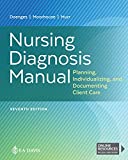
Nursing Diagnosis Manual: Planning, Individualizing, and Documenting Client Care
Identify interventions to plan, individualize, and document care for more than 800 diseases and disorders. Only in the Nursing Diagnosis Manual will you find for each diagnosis subjectively and objectively – sample clinical applications, prioritized action/interventions with rationales – a documentation section, and much more!
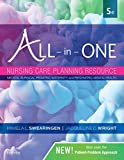
All-in-One Nursing Care Planning Resource – E-Book: Medical-Surgical, Pediatric, Maternity, and Psychiatric-Mental Health
Includes over 100 care plans for medical-surgical, maternity/OB, pediatrics, and psychiatric and mental health. Interprofessional “patient problems” focus familiarizes you with how to speak to patients.
See also
Other recommended site resources for this nursing care plan:
- Nursing Care Plans (NCP): Ultimate Guide and Database MUST READ!
Over 150+ nursing care plans for different diseases and conditions. Includes our easy-to-follow guide on how to create nursing care plans from scratch. - Nursing Diagnosis Guide and List: All You Need to Know to Master Diagnosing
Our comprehensive guide on how to create and write diagnostic labels. Includes detailed nursing care plan guides for common nursing diagnostic labels.
Other nursing care plans for cardiovascular system disorders:
- Angina Pectoris (Coronary Artery Disease)
- Cardiac Arrhythmia (Digitalis Toxicity)
- Cardiac Catheterization
- Cardiogenic Shock
- Congenital Heart Disease
- Decreased Cardiac Output & Cardiac Support
- Heart Failure
- Hypertension
- Hypovolemic Shock
- Impaired Tissue Perfusion & Ischemia
- Myocardial Infarction
- Pacemaker Therapy
References and Sources
These resources can help you further your research about angina pectoris:
- Alaeddini, J., & Yang, E. H. (2018, July 19). Angina Pectoris: Practice Essentials, Background, Pathophysiology. Medscape Reference. Retrieved January 31, 2023.
- Aroesty, J. M., & Kannam, J. P. (2022, June). Patient education: Chest pain (Beyond the Basics). UpToDate.
- Boyette, L. C., & Manna, B. (2022, July 11). Physiology, Myocardial Oxygen Demand – StatPearls – NCBI Bookshelf. NCBI. Retrieved January 30, 2023.
- de Heer, E. W., Palacios, J. E., Ader, H. J., van Marwijk, H. W.J., Tylee, A., & van der Feltz-Cornelis, C. M. (2020, February). Chest pain, depression and anxiety in coronary heart disease: Consequence or cause? A prospective clinical study in primary care. Journal of Psychosomatic Research, 129.
- Doenges, M. E., Murr, A. C., & Moorhouse, M. F. (2010). Nursing Care Plans: Guidelines for Individualizing Client Care Across the Life Span. F.A. Davis Company.
- Farrell, M. (2016). Smeltzer & Bares Textbook of Medical-surgical Nursing (M. Farrell, Ed.). Lippincott Williams & Wilkins Pty, Limited.
- Farzam, K., & Jan, A. (2022, July 21). Beta Blockers – StatPearls – NCBI Bookshelf. NCBI. Retrieved January 30, 2023.
- Haber, M. D., & Brenner, B. E. (2021, January 25). Angina Pectoris in Emergency Medicine: Background, Pathophysiology, Epidemiology. Medscape Reference. Retrieved January 31, 2023.
- Harvard Health Publishing. (2020, November 1). Stress-induced brain activity linked to chest pain from heart disease. Harvard Health.
- Hinkle, J. L., & Cheever, K. H. (2018). Brunner & Suddarth’s Textbook of Medical-surgical Nursing. Wolters Kluwer.
- Kaski, J. C., & Kjeldsen, K. P. (Eds.). (2019). The ESC Handbook on Cardiovascular Pharmacotherapy. Oxford University Press.
- Moazzami, K., Wittbrodt, M. T., Alkhalaf, M., Lima, B. B., Nye, J. A., Mehta, P. K., Quyyumi, A. A., Vaccarino, V., Bremner, J. D., & Shah, A. J. (2020, August). Association Between Mental Stress-Induced Inferior Frontal Cortex Activation and Angina in Coronary Artery Disease. Circulation: Cardiovascular Imaging, 13(8).
- Perrin, K., & MacLeod, C. E. (2017). Understanding the Essentials of Critical Care Nursing. Pearson.
- Shah, S. N., & Ali, Y. S. (2021, April 9). Coronary Artery Atherosclerosis: Practice Essentials, Background, Anatomy. Medscape Reference. Retrieved January 30, 2023.
- Swearingen, P. L. (2015). All-In-One Care Planning Resource. Elsevier Health Sciences.
- Tan, W., & Yang, E. H. (2020, October 1). Unstable Angina: Practice Essentials, Background, Pathophysiology. Medscape Reference. Retrieved January 31, 2023.
- Urden, L. D., Stacy, K. M., & Lough, M. E. (2015). Priorities in Critical Care Nursing. Elsevier Health Sciences.











Leave a Comment