
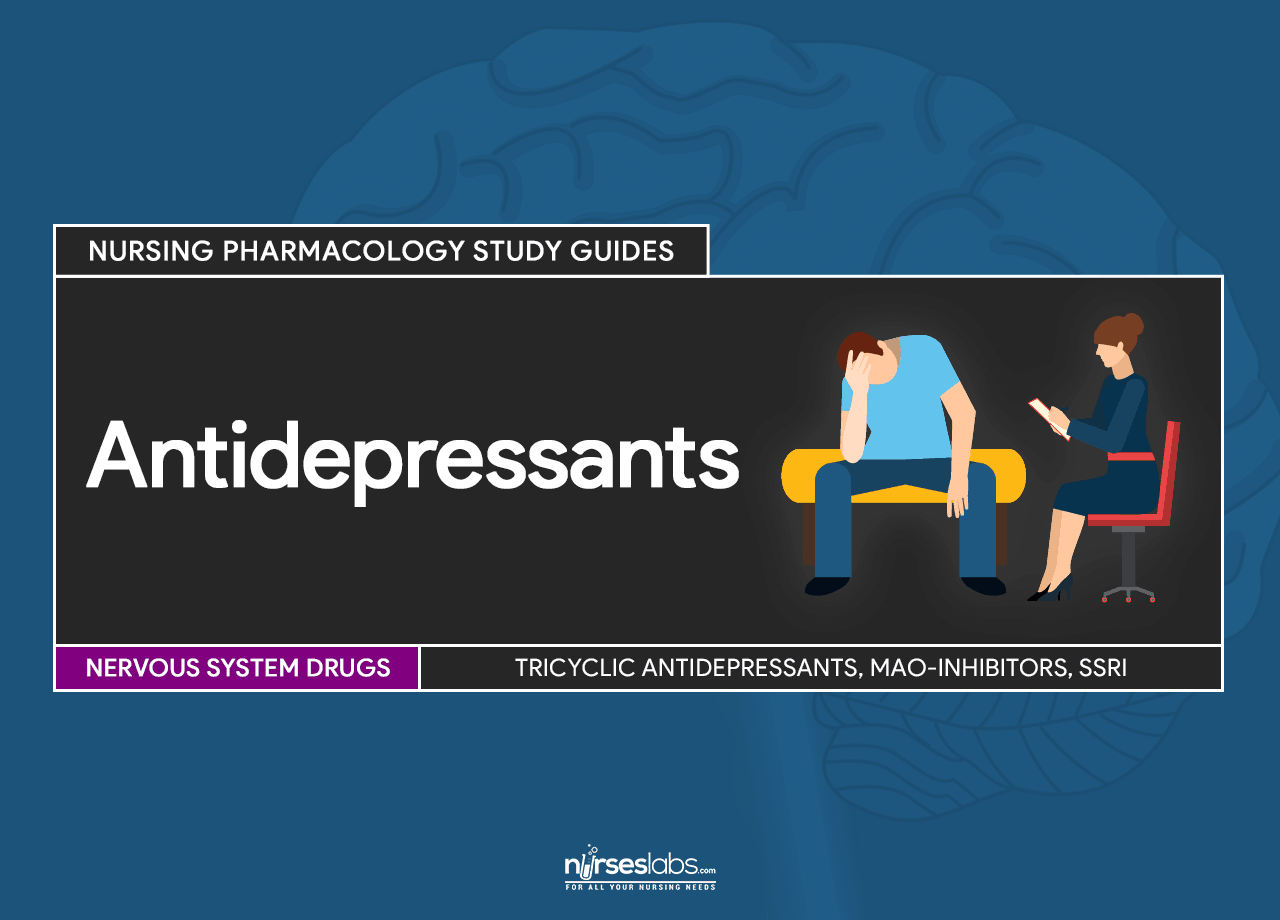
Antidepressants are used to alter the concentration of neurotransmitters in the brain that is responsible for the depressed affect (feelings in response to the environment, whether positive and pleasant or negative and unpleasant).
These drugs counteract the effects of neurotransmitter deficiencies in three ways:
- Inhibit the effects of monoamine oxidase (MAO) resulting to increased norepinephrine and serotonin or 5-hydroxytryptamine (5-HT) in the synaptic cleft;
- Block the reuptake function of the synaptic cleft resulting to increased neurotransmitter levels in the synaptic cleft; and
- Regulate receptor sites and breakdown of neurotransmitters resulting in accumulation of neurotransmitter in the synaptic cleft.
Antidepressants are classified into three groups: tricyclic antidepressants (TCAs), monoamine oxidase inhibitors (MAOIs), and selective serotonin reuptake inhibitors (SSRIs).
Antidepressants: Generic and Brand Names
Here is a table of commonly encountered diuretic agents, their generic names, and brand names:
- Tricyclic Antidepressants
- Amines
- amitriptyline
- amoxapine (Asendin)
- clomipramine (Anafranil)
- doxepin (Sinequan)
- imipramine (Tofranil)
- Secondary Amines
- despiramine (Norpramin)
- nortriptyline (Aventyl)
- protriptyline (Vivactil)
- tetracyclic (Maprotiline)
- Amines
- Monoamine Oxidase Inhibitors (MAOI)
- isocarboxazid (Marplan)
- phenelzine (Nardil)
- tranylcypromine (Parnate)
- Selective Serotonin Reuptake Inhibitors (SSRI)
- citalopram (Celexa)
- escitalopram (Lexapro)
- fluoxetine (Prozac)
- fluvoxamine (Luvox)
- paroxetine (Paxil)
- sertraline (Zoloft)
Manifestation Spotlight: Depression
Depression is an affective disorder characterized by a persistent and intense feeling of sadness much more severe and longer lasting than the suspected precipitating event. There may be no external causes.
- Individuals with depression have little energy, disturbed sleep patterns, loss of appetite, and absence of motivation to perform activities of daily living. They describe overwhelming feelings of sadness, despair, hopelessness, and disorganization.
- It can interfere with a person’s life, his family, job, and social relationships. It can lead to multiple physical problems that further depression and increase risk of suicide.
- Researches about drugs that can effectively relieve depression lead to the formulation of biogenic amine theory which states that depression results from a deficiency of biogenic amines (NE, dopamine, and 5-HT) in key areas of the brain that regulate arousal, alertness, attention, moods, appetite, and sensory processing.
Tricyclic Antidepressants (TCAs)
- Has three sub-class namely: amines, secondary amines, and tetracyclics
- Primarily reduce the uptake of 5HT and NE into nerves
- The choice of TCA depends on individual response and tolerance to the drug.
Therapeutic Action
- By inhibiting presynaptic reuptake of NE and 5-HT, there will be an accumulation of these neurotransmitters in the synaptic cleft which will increase the stimulation of the postsynaptic receptors.
Indications
- Primarily indicated for the relief of symptoms of depression, particularly anxiety and sleep disturbances.
- Some TCAs are indicated for enuresis in children older than 6 years.
- Researches on its possible indications for treatment of chronic and intractable pain are currently conducted.
- TCAs also act as anticholinergic.
- Clomipramine is approved for use in treatment of obsessive-compulsive disorders (OCDs).
Children
- Indication for treatment of depression in children is a challenge because children respond unpredictably.
- Studies have not shown that antidepressants in children are effective.
- On the other hand, it is linked to increased suicidal ideation and behavior in depressed children.
- Only clomipramine, imipramine, nortriptyline, and trimipramine have established pediatric doses for children older than 6 years.
Adults
- Adults must be educated that effects of drug therapy may not be seen for 4 weeks. Also, cause of depression must be ruled out before therapy begins.
- Use cautiously for pregnant and lactating women because of potential adverse effects to fetus and baby.
Older adults
- Older adults are more susceptible to the adverse effects of the drugs and from CNS effects (e.g. increased sedation, dizziness, etc.)
- Doses of these drugs need to be reduced and careful monitoring for drug toxicity is a must, especially for those who have hepatic and renal impairment.
Pharmacokinetics
| Route | Onset | Peak | Duration |
|---|---|---|---|
| Oral | Varies | 2-4 h | – |
Contraindications and Cautions
- Allergy to TCAs. Prevent severe hypersensitivity reactions.
- Myocardial infarction. Can reoccur because of the cardiac effects of the drug
- Myelography within previous 24 hours or in the next 48 hours. Prevent possible drug-drug interaction with dyes
- Concurrent use of MAOIs. Potential for serious adverse effects or toxic reactions
- Pregnancy, lactation. Potential adverse effects to the fetus and the baby
- Preexisting cardiovascular disorders. Drug has cardiac stimulatory effect
- Angle-closure glaucoma, urinary retention, prostate hypertrophy, GI or GU surgery. Exacerbated by the anticholinergic effects of the drug
- History of seizures. Seizure threshold is decreased because of stimulation of receptor sites
- Hepatorenal diseases. Interfere with drug metabolism and excretion which increase the risk of drug toxicity
Adverse Effects
- CV: orthostatic hypotension, hypertension, arrhythmias, palpitations, myocardial infarction, angina, stroke
- GI: dry mouth, constipation, nausea, vomiting, anorexia, increased salivation, cramps, diarrhea
- GU: urinary retention and hesitancy, loss of libido, changes in sexual functioning
- Miscellaneous: alopecia, weight gain or loss, flushing, chills, nasal congestion
- Abrupt cessation causes withdrawal syndrome characterized by nausea, headache, vertigo, malaise, and nightmares.
Interactions
- Cimetidine, fluoxetine, ranitidine: increased therapeutic and adverse effects of TCAs
- Oral anticoagulants: higher serum levels of anticoagulants and increased risk of bleeding
- Sympathomimetics or clonidine: increased risk for hypertension and arrhythmia
- MAOIs: increased risk for severe hyperpyretic crisis with severe convulsions, hypertensive episodes, and death
Nursing Considerations
Here are important nursing considerations when administering this drug:
Nursing Assessment
These are the important things the nurse should include in conducting assessment, history taking, and examination:
- Assess for the mentioned cautions and contraindications (e.g. drug allergies, hepatorenal diseases, psychosis, glaucoma, etc.) to prevent any untoward complications.
- Assess for history of seizure disorders, psychiatric problems, suicidal thoughts and myelography within the past 24 hours or in the next 48 hours to avoid potentially serious adverse reactions.
- Perform a thorough physical assessment to establish baseline data before drug therapy begins, to determine the effectiveness of therapy, and to evaluate for the occurrence of any adverse effects associated with drug therapy.
- Monitor results of electrocardiogram and laboratory tests (e.g. renal and liver function tests) to monitor the effectiveness of the therapy and provide prompt treatment to developing complications.
Nursing Diagnoses
Here are some of the nursing diagnoses that can be formulated in the use of this drug for therapy:
- Acute pain related to anticholinergic effects, headache, and CNS effects
- Decreased cardiac output related to cardiovascular effects
- Disturbed thought processes and sensory perception related to CNS effects
- Risk for injury related to CNS effects
Implementation with Rationale
These are vital nursing interventions done in patients who are taking TCAs:
- Limit drug access if patient is suicidal to decrease the risk of overdose to cause harm.
- Administer a major portion of dose at bedtime as ordered if drowsiness and anticholinergic effect are severe to decrease the risk of patient injury.
- Provide comfort measures (e.g. voiding before dosing, taking food with drug, etc.) to help patient tolerate drug effects.
- Provide safety measures (e.g. adequate lighting, raised side rails, etc.) to prevent injuries.
- Educate client on drug therapy to promote compliance.
Evaluation
Here are aspects of care that should be evaluated to determine effectiveness of drug therapy:
- Monitor patient response to therapy (e.g. alleviation of signs and symptoms of depression).
- Monitor for adverse effects (e.g. hypotension, suicidal thoughts, cardiac arrhythmias, etc).
- Evaluate patient understanding on drug therapy by asking the patient to name the drug, its indication, and adverse effects to watch for.
- Monitor patient compliance to drug therapy.
Monoamine Oxidase Inhibitors (MAOIs)
- Monoamine oxidase (MAO) is an enzyme found in nerves and other tissues. MAOIs exert their effect in relieving depression by inhibiting this enzyme to break down the biogenic amines NE, dopamine, and 5-HT.
- Now used rarely because of their strict and specific dietary regimen to prevent toxicity. However, there are patients who respond only to MAOIs and so these remain to be available.
Therapeutic Action
- By blocking the breakdown of the biogenic amines, these drugs pave way for the accumulation of NE, dopamine, and 5-HT in the neuronal storage vesicles to cause increased stimulation of the postsynaptic receptors. This increased stimulation is thought to be the reason for the relief of depression.
Indications
- MAOIs are generally indicated for patients who do not respond to other safer antidepressants.
Children
- Avoided in children if at all possible because of the potential for drug-food interactions and serious adverse effects.
Adults
- Adults must be educated that effects of drug therapy may not be seen for 4 weeks.
- Also, the cause of depression must be ruled out before therapy begins.
- Use cautiously for pregnant and lactating women because of potential adverse effects to fetus and baby.
Older adults
- Older adults more susceptible to the adverse effects of the drugs and from CNS effects (e.g. increased sedation, dizziness, etc.)
- Doses of these drugs need to be reduced and careful monitoring for drug toxicity is a must, especially for those who have hepatic and renal impairment.
Pharmacokinetics
| Route | Onset | Peak | Duration |
|---|---|---|---|
| Oral | Slow | – | 48-96 h |
Contraindications and Cautions
- Allergy to MAOIs. Prevent severe hypersensitivity reactions.
- Pheochromocytoma. Sudden increase in NE can lead to severe hypertension and CV emergencies
- CV diseases (hypertension, coronary artery disease, angina, congestive heart failure). Exacerbated by increased NE levels
- History of headaches.
- Abnormal CNS vessels or defects. Potential increase in blood pressure and vasoconstriction associated with higher NE levels can precipitate a stroke
- Myelography within previous 24 hours or in the next 48 hours. Prevent possible drug-drug interaction with dyes
- Pregnancy, lactation. Potential adverse effects to the fetus and the baby
- Hepatorenal diseases. Interfere with drug metabolism and excretion which increase the risk of drug toxicity
Adverse Effects
- CNS: dizziness, excitement, nervousness, mania, hyperreflexia, tremors, confusion, insomnia, agitation, blurred vision
- CV: orthostatic hypotension, arrhythmias, palpitations, angina, potentially fatal hypertensive crisis (occipital headache, palpitations, neck stiffness, nausea, vomiting, sweating, dilated pupils, photophobia, tachycardia, chest pain)
- GI: liver toxicity, nausea, vomiting, diarrhea or constipation, anorexia, weight gain, dry mouth, abdominal pain
- GU: urinary retention, dysuria, incontinence, changes in sexual function
Interactions
- TCAs: hypertensive crisis, coma, severe convulsions
- SSRIs: potentially life-threatening serotonin syndrome (a period of 6 weeks should elapse after stopping an SSRI before beginning therapy with MAOI)
- Sympathomimetics: increased sympathomimetic effects
- Insulin, oral antidiabetic agents: additive hypoglycemic effects
- Phentolamine is the treatment for hypertensive crisis.
Nursing Considerations
Here are important nursing considerations when administering this drug:
Nursing Assessment
These are the important things the nurse should include in conducting assessment, history taking, and examination:
- Assess for the mentioned cautions and contraindications (e.g. drug allergies, hepatorenal diseases, cardiac dysfunction, etc.) to prevent any untoward complications.
- Perform a thorough physical assessment to establish baseline data before drug therapy begins, to determine the effectiveness of therapy, and to evaluate for the occurrence of any adverse effects associated with drug therapy.
- Monitor results of electrocardiogram and laboratory tests (e.g. renal and liver function tests) to monitor the effectiveness of the therapy and provide prompt treatment to developing complications.
Nursing Diagnoses
Here are some of the nursing diagnoses that can be formulated in the use of this drug for therapy:
- Acute pain related to sympathomimetic effects, headache, and CNS effects
- Decreased cardiac output related to cardiovascular effects
- Disturbed thought processes and sensory perception related to CNS effects
- Risk for injury related to CNS effects
Implementation with Rationale
These are vital nursing interventions done in patients who are taking MAOIs:
- Limit drug access if the patient is suicidal to decrease the risk of overdose to cause harm.
- Monitor patient for 2-4 weeks to ascertain onset of full therapeutic effect.
- Monitor blood pressure carefully to determine the possible need for dose adjustment.
- Secure phentolamine at the bedside as a treatment in case of hypertensive crisis.
- Educate client on a low tyramine-containing diet. Provide a list of potential drug-food interactions that can cause severe toxicity to decrease the risk of a serious drug-food interaction.
- Provide comfort measures (e.g. voiding before dosing, taking food with the drug, etc.) to help patient tolerate drug effects.
- Provide safety measures (e.g. adequate lighting, raised side rails, etc.) to prevent injuries.
- Educate client on drug therapy to promote compliance.
Evaluation
Here are aspects of care that should be evaluated to determine effectiveness of drug therapy:
- Monitor patient response to therapy (e.g. alleviation of signs and symptoms of depression).
- Monitor for adverse effects (e.g. hypotension, hypertensive crisis, cardiac arrhythmias, etc).
- Evaluate patient understanding on drug therapy by asking the patient to name the drug, its indication, and adverse effects to watch for.
- Monitor patient compliance to drug therapy.
Selective Serotonin Reuptake Inhibitors (SSRIs)
- SSRIs is the newest group of antidepressants available in the market.
- Only has blocking effect on the reuptake of 5-HT and has little to no effect on NE.
- Have lesser adverse effects compared to TCAs and MAOIs. This makes them a better choice for many patients.
Therapeutic Action
- Blocks the reuptake of 5-HT and therefore increases its level in the synaptic cleft.
- Realization of full therapeutic effect is up to 4 weeks.
Indications
- Indicated for treatment of depression, OCDs, panic attacks, bulimia, premenstrual dysphoric disorder (PMDD), social phobias, and social anxiety disorders.
Children
- Can cause serious adverse effects on children.
- Only fluvoxamine and sertraline have established pediatric dosage guidelines for treatment of OCDs.
- Fluoxetine is widely used to treat depression in adolescents.
Adults
- Must be educated that effects of drug therapy may not be seen for 4 weeks.
Also, the cause of depression must be ruled out before therapy begins. - Use cautiously for pregnant and lactating women because of potential adverse effects to fetus and baby.
Older adults
- More susceptible to the adverse effects of the drugs and from CNS effects (e.g. increased sedation, dizziness, etc.)
- Doses of these drugs need to be reduced and careful monitoring for drug toxicity is a must, especially for those who have hepatic and renal impairment.
Pharmacokinetics
| Route | Onset | Peak | Duration |
|---|---|---|---|
| Oral | Slow | 6-8 h | – |
Contraindications and Cautions
- Allergy to SSRIs. Prevent severe hypersensitivity reactions.
- Hepatorenal diseases. Interfere with drug metabolism and excretion which increase the risk of drug toxicity
- Severely depressed, suicidal patients. Risk of increased suicidality
- Pregnancy, lactation. Potential adverse effects to the fetus and the baby
Adverse Effects
- CNS: headache, drowsiness, dizziness, insomnia, anxiety, tremor, agitation, seizures
- Respiratory: cough, dyspnea, upper respiratory infections, pharyngitis
- GI: nausea, vomiting, diarrhea, dry mouth, anorexia, constipation, changes in taste
- GU: painful menstruation, cystitis, sexual dysfunction, urgency, impotence
- Miscellaneous: sweating, rash, fever, pruritus
Interactions
- MAOIs: increased risk of serotonin syndrome
- TCAs: increased therapeutic and adverse effects of SSRIs
Nursing Considerations
Here are important nursing considerations when administering this drug:
Nursing Assessment
These are the important things the nurse should include in conducting assessment, history taking, and examination:
- Assess for the mentioned cautions and contraindications (e.g. drug allergies, hepatorenal diseases, severe depression, and suicidality, etc.) to prevent any untoward complications.
- Perform a thorough physical assessment to establish baseline data before drug therapy begins, to determine the effectiveness of therapy, and to evaluate for occurrence of any adverse effects associated with drug therapy.
Nursing Diagnoses
Here are some of the nursing diagnoses that can be formulated in the use of this drug for therapy:
- Acute pain related to GI, GU, and CNS effects
- Disturbed thought processes and sensory perception related to CNS effects
- Risk for injury related to CNS effects
Implementation with Rationale
These are vital nursing interventions done in patients who are taking SSRIs:
- Arrange for lower dose in elderly patients and in those with renal or hepatic impairment because of the potential for severe adverse effects.
- Limit drug access if patient is suicidal to decrease the risk of overdose to cause harm.
- Monitor patient for 4 weeks to ascertain onset of full therapeutic effect.
- Establish suicide precautions for severely depressed patients to decrease the risk of overdose to cause harm.
- Administer drug once a day in the morning to achieve optimal therapeutic effects.
- Suggest that the patient use barrier contraceptives to prevent pregnancy while taking this drug because serious fetal abnormalities can occur.
- Provide comfort measures (e.g. taking food with the drug) to help patient tolerate drug effects.
- Provide safety measures (e.g. adequate lighting, raised side rails, etc.) to prevent injuries.
- Educate client on drug therapy to promote compliance.
Evaluation
Here are aspects of care that should be evaluated to determine effectiveness of drug therapy:
- Monitor patient response to therapy (e.g. alleviation of signs and symptoms of depression).
- Monitor for adverse effects (e.g. sedation, dizziness, respiratory dysfunctions, GU problems, etc).
- Evaluate patient understanding on drug therapy by asking patient to name the drug, its indication, and adverse effects to watch for.
- Monitor patient compliance to drug therapy.
Recommended Resources
Our recommended nursing pharmacology resources and books:
Disclosure: Included below are affiliate links from Amazon at no additional cost from you. We may earn a small commission from your purchase which will help support us. Thank you! For more information, check out our privacy policy.
Pharm Phlash! Pharmacology Flash Cards #1 BEST SELLER!
Test-yourself review cards put critical clinical information for nearly 400 of the top generic medications at your fingertips. And, you can count on them for accuracy, because each card is based on content from Davis’s Drug Guide for Nurses. Increase your test scores in pharmacology class.
Focus on Pharmacology (8th Edition)
Focus on Nursing Pharmacology makes challenging concepts more approachable. Engaging learning features cultivate your clinical application, critical thinking and patient education capabilities. This updated 8th edition builds on your knowledge of physiology, chemistry and nursing fundamentals to help you conceptualize need-to-know information about each group of drugs.
Pharmacology Made Incredibly Easy (Incredibly Easy! Series®)
Nursing pharmacology guide offers step-by-step guidance so you can grasp the fundamentals in enjoyable Incredibly Easy style. This is the perfect supplement to class materials, offering solid preparation for NCLEX® as well as a handy refresher for experienced nurses. Colorfully illustrated chapters offer clear, concise descriptions of crucial nursing pharmacology concepts and procedures.

Lehne’s Pharmacology for Nursing Care (11th Edition)
The Eleventh Edition of Lehne’s Pharmacology for Nursing Care provides a thorough understanding of key drugs and their implications for nursing care. This text, written by renowned nursing educators, helps you comprehend and apply pharmacology principles. A clear and engaging writing style simplifies complex concepts, making even the most challenging pharmacology content enjoyable. We recommend this book if you want a comprehensive nursing pharmacology guide.
Nursing Drug Handbook
Nursing2023 Drug Handbook delivers evidence-based, nursing-focused drug monographs for nearly 3700 generic, brand-name, and combination drugs. With a tabbed, alphabetical organization and a “New Drugs” section, NDH2023 makes it easy to check drug facts on the spot.
Pharmacology and the Nursing Process
The 10th edition of Pharmacology and the Nursing Process offers practical, user-friendly pharmacology information. The photo atlas contains over 100 unique illustrations and photographs depicting drug administration techniques. Updated drug content reflects the most recent FDA drug approvals, withdrawals, and therapeutic uses.
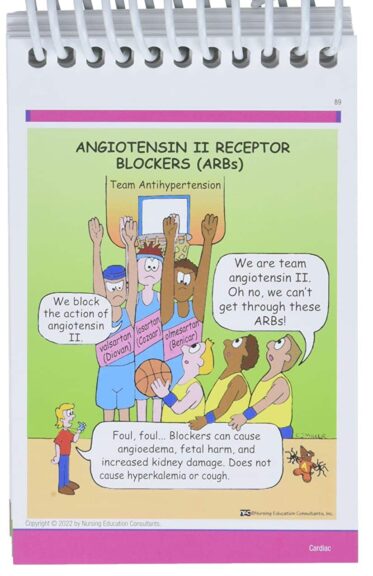
Mosby’s Pharmacology Memory NoteCards: Visual, Mnemonic, and Memory Aids for Nurses
The 6th edition of Mosby’s Pharmacology Memory NoteCards: Visual, Mnemonic, & Memory Aids for Nurses incorporates illustrations and humor to make studying easier and more enjoyable. This unique pharmacology review can be utilized as a spiral-bound notebook or as individual flashcards, making it ideal for mobile study.
See Also
Here are other nursing pharmacology study guides:
- Nursing Pharmacology – Study Guide for Nurses
Our collection of topics related to nursing pharmacology - Pharmacology Nursing Mnemonics & Tips
These nursing mnemonics aim to simplify the concepts of pharmacology through the use of a simple, concise guide. - Generic Drug Name Stems Cheat Sheet
Learn about these generic drug name stems to help you make sense of drugs easier! - Common Drugs and Their Antidotes
A guide to drug antidotes that nurses should be familiar about. - IV Fluids and Solutions Guide & Cheat Sheet
Get to know the different types of intravenous solutions or IV fluids in this guide and cheat sheet. - Drug Dosage Calculations NCLEX Practice Questions (100+ Items)
Care to take the challenge? This quiz aims to help students and registered nurses alike grasp and master the concepts of medication calculation.
We have a pill for that…
Drug Guides NEW!
Individual drug guides and nursing considerations for the most common medications used in nursing pharmacology:
- Acetaminophen (Tylenol)
- Aspirin
- Atorvastatin (Lipitor)
- Enoxaparin (Lovenox)
- Furosemide (Lasix)
- Gabapentin
- Hydromorphone (Dilaudid)
- Lisinopril
- Metoprolol
- Morphine
Gastrointestinal System Drugs
Respiratory System Drugs
- Antihistamines
- Bronchodilators and Antiasthmatics
- Decongestants
- Expectorants and Mucolytics
- Inhaled Steroids
- Lung Surfactants
Endocrine System Drugs
- Adrenocortical Agents
- Antidiabetic Agents
- Glucose-Elevating Agents
- Hypothalamic Agents
- Insulin
- Parathyroid Agents: Bisphosphonates, Calcitonins
- Pituitary Drugs
- Sulfonylureas
- Thyroid Agents
Autonomic Nervous System Drugs
- Adrenergic Agonists (Sympathomimetics)
- Adrenergic Antagonists (Sympatholytics)
- Anticholinergics (Parasympatholytics)
- Cholinergic Agonists (Parasympathomimetics)
Immune System Drugs
Chemotherapeutic Agents
- Anthelmintics
- Anti-Infective Drugs
- Antibiotics
- Antifungals
- Antineoplastic Agents
- Antiprotozoal Drugs
- Antiviral Drugs
Reproductive System Drugs
Nervous System Drugs
- Antidepressants
- Antiparkinsonism Drugs
- Antiseizure Drugs
- Anxiolytics and Hypnotic Drugs
- General and Local Anesthetics
- Muscle Relaxants
- Narcotics, Narcotic Agonists, and Antimigraine Agents
- Neuromuscular Junction Blocking Agents
- Psychotherapeutic Drugs
Cardiovascular System Drugs
References and Sources
References and sources for this pharmacology guide for Antidepressants:
- Karch, A. M., & Karch. (2011). Focus on nursing pharmacology. Wolters Kluwer Health/Lippincott Williams & Wilkins. [Link]
- Katzung, B. G. (2017). Basic and clinical pharmacology. McGraw-Hill Education.
- Lehne, R. A., Moore, L. A., Crosby, L. J., & Hamilton, D. B. (2004). Pharmacology for nursing care.
- Smeltzer, S. C., & Bare, B. G. (1992). Brunner & Suddarth’s textbook of medical-surgical nursing. Philadelphia: JB Lippincott.



![Furosemide Nursing Considerations and Patient Teaching [Drug Guide]](https://nurseslabs.com/wp-content/uploads/2023/07/Furosemide-160x120.jpg)

![Lisinopril Nursing Considerations and Patient Teaching [Drug Guide]](https://nurseslabs.com/wp-content/uploads/2023/03/Lisinopril-160x120.jpg)





Leave a Comment