
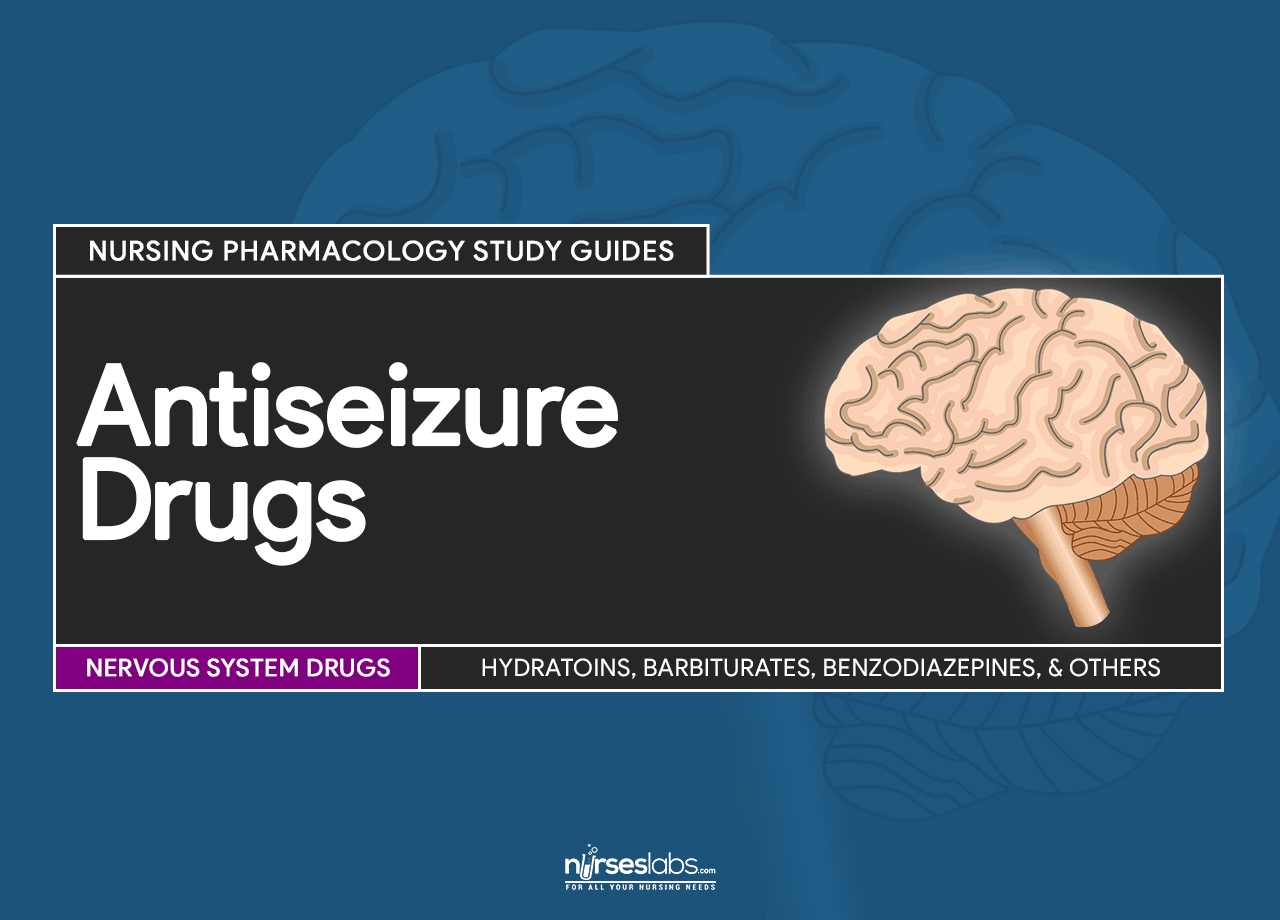
Antiseizure agents (also known as antiepileptic drugs or anticonvulsants) are drugs used to manage epilepsy, the most prevalent neurological disorder. Antiseizure agents of choice depend on the type of epilepsy, age of the patient, patient tolerance, and specific patient characteristics.
Antiseizure Agents: Generic and Brand Names
Here is a table of commonly encountered antiseizure agents, their generic names, and brand names:
- Drugs for generalized seizure
- Hydratoins
- ethotoin (Peganone)
- fosphenytoin (Cerebyx)
- phenytoin (Dilantin)
- Barbiturates and Barbiturate-like Drugs
- mephobarbital (Mebaral)
- phenobarbital (Solfoton, Luminal)
- primidone (Mysoline)
- Benzodiazepines
- clonazepam (Klonopin)
- diazepam (Valium)
- Succinimides
- ethosuximide (Zarontin)
- methsuximide (Celontin)
- Others:
- acetazolamide (Diamox)
- valproic acid (Depakene)
- zonisamide (Zonegran)
- Hydratoins
- Drugs for partial seizures
- carbamazepine (Tegretol, Atretol)
- clorazepate (Tranxene)
- gabapentin (Neurontin)
Disease Spotlight: Epilepsy
Epilepsy is a collection of different syndromes, all of which are characterized by sudden discharge of excessive electrical energy from nerve cells located within the brain. The resultant reaction is called
The nature of seizures depends on the location of the cells that initiate the electrical discharge as well as the neural pathways which were stimulated. Seizures can be primary (no underlying cause) or secondary (brought about by external factors like head injury).
Status epilepticus is a state in which seizures rapidly recur with no recovery between seizures. It is potentially the most dangerous of seizures.
International Classification of Seizures categorized seizures based on symptoms and characteristics. The two main categories include:
Generalized Seizures
These seizures are characterized by a massive electrical activity that begins in one area of the brain and rapidly spreads to both hemispheres. It is usually accompanied by loss of consciousness. It is further classified into five types:
Tonic-clonic seizure
It involves involuntary muscle contraction (tonic) followed by relaxation appearing as an aggressive spasm (clonic), loss of consciousness, and confusion and exhaustion in the early recovery period.
Absence seizure
It is an abrupt and brief (3-5 s) period of loss of consciousness common in children (starting at age 3) but frequently disappears by puberty. This seizure does not usually involve muscle contractions.
Myoclonic seizure
It is characterized by short, sporadic periods of muscle contractions that last for several minutes. It is relatively rare.
Self-limited seizures are related to very high fevers and usually involve tonic-clonic seizures. This type most frequently occurs in children.
Jacksonian Seizures
Begins in one area of the brain and involve only one part of the body but this later on spread to other parts until a generalized tonic-clonic seizure has developed.
Partial (Focal) Seizures
These are characterized by seizures that originate from one area of the brain which do not spread to other parts. It can be further classified into two:
Simple Partial Seizure
It occurs in a single area of the brain and may involve a single muscle movement or sensory alteration.
Complex Partial Seizure
It is a type that occurs in the late teenage years and involves a series of reactions or emotional changes and complex sensory changes (hallucinations, mental distortion, personality changes, loss of consciousness, and loss of social inhibition). Motor changes may include involuntary urination, chewing motions, and diarrhea.
Drugs for Treating Generalized Seizures
Drugs used for the treatment of generalized seizures exert their therapeutic effects by blocking channels in the cell membrane or by altering their receptor sites. As a result, nerve membranes become stabilized. Their work involves the entire nervous system so sedation is an expected result.
Drugs used to treat generalized seizures include hydantoins, barbiturates, barbiturate-like drugs, benzodiazepines, and succinimides.
Succinimides and drugs that modulate the inhibitory GABA are used to treat absence seizures.
Hydantoins
Therapeutic Action
The desired and beneficial actions of hydantoins are as follows:
- Stabilize the CNS nerve membranes by decreasing the excitability and hyperexcitability of ionic channels in the cell membrane to stimulation.
- Decreasing the conduction through nerve pathways reduce the tonic-clonic, muscular, and emotional responses to stimulation.
Indications
Hydantoins are indicated for the following medical conditions:
- Control of tonic-clonic and psychomotor seizures, prevention of seizures during neurosurgery, control of status epilepticus
- Less likely to cause sedation which makes them the drug of choice for patients who are not willing to tolerate sedation and drowsiness.
- However, this class have severe adverse effects that benzodiazepines have replaced them in man situations
Here are some important aspects to remember for indication of hydantoins in different age groups:
Children
- They are more sensitive to the sedating effects of the drugs so frequent and close monitoring is required.
- Antiepileptic or antiseizure drugs can impact learning and social development.
- Parents of these children should receive consistent support and education about seizure disorder and medications.
Adults
- They should receive regular care and close monitoring for adverse effects.
- Adults taking this drugs are encouraged to wear MedicAlert identification during emergency instances.
- Education about the disorder, lifestyle changes, medications, and handling stigma should be given focus.
- Caution for use of these drugs to pregnant and lactating women is exercised because some medications are linked to fetal abnormalities in animal studies while some are clearly associated with predictable congenital effects in humans.
- Use of barrier contraception and alternative methods for feeding are encouraged.
- Stopping antiepileptic can precipitate seizures and would lead to anoxia.
Older adults
- They are more susceptible to adverse effects of the drug because of possible problems in metabolism and excretion.
- There may be a need to reduce drug dosage.
Pharmacokinetics
Here are the characteristic interactions of hydantoins and the body in terms of absorption, distribution, metabolism, and excretion:
| Route | Onset | Peak | Duration |
|---|---|---|---|
| Oral | Slow | 2- 12 h | 6-12 h |
| IV | 1-2 h | Rapid | 12-24 h |
Contraindications and Cautions
The following are contraindications and cautions for the use of hydantoins:
- Allergy to hydantoins. Prevent hypersensitivity reactions
- Pregnancy, lactation. Possible problems to the fetus or the newborn.
- Debilitated patients. May respond adversely to CNS depression
- Impaired hepatorenal function. Interfere with drug metabolism and excretion
- Coma, depression, psychoses. Can be exacerbated by the generalized CNS depression
Adverse Effects
Use of hydantoins may result to these adverse effects:
- CNS: depression, confusion, drowsiness, lethargy, fatigue
- CV: arrhythmias, changes in blood pressure
- GI: constipation, dry mouth, anorexia
- GU: urinary retention, loss of libido
- Cellular toxicity is characterized by severe liver toxicity, bone marrow suppression, gingival hyperplasia, and serious dermatological reaction (e.g. hirsutism, Steven-Johnson syndrome).
Interactions
The following are drug-drug interactions involved in the use of hydantoins:
- Alcohol: increased risk of CNS depression
- Evening primrose: increased risk of seizures
- Ginkgo: increased risk of serious adverse effects together with phenytoin
Barbiturates and Barbiturate-like Drugs
Therapeutic Action
The desired and beneficial action of barbiturates and barbiturate-like drugs is:
- Inhibit impulse conduction in the ascending RAS, depress cerebral cortex, alter cerebral function, and depress motor nerve input.
Indications
Barbiturates and barbiturate-like drugs are indicated for the following medical conditions:
- Control of tonic-clonic and psychomotor seizures, prevention of seizures during neurosurgery, control of status epilepticus
- Similar with hydantoins, they are capable of stabilizing CNS nerve membranes by directly influencing the ionic channels in the cell membrane resulting to decreased excitability and hyperexcitability to stimulation.
- Phenobarbital depresses lower brainstem, cerebral cortex, and motor conduction.
- Aside for being used as treatment for tonic-clonic and absence seizures, mephobarbital is also used as an anxiolytic or hypnotic agent.
Here are some important aspects to remember for indication of barbiturates and barbiturate-like drugs in different age groups:
Children
- They are more sensitive to the sedating effects of the drugs so frequent and close monitoring is required.
- Antiepileptic or antiseizure drugs can impact learning and social development.
- Parents of these children should receive consistent support and education about seizure disorder and medications.
Adults
- They should receive regular care and close monitoring for adverse effects.
- Adults taking this drugs are encouraged to wear MedicAlert identification during emergency instances.
- Education about the disorder, lifestyle changes, medications, and handling stigma should be given focus.
Pregnant women
- Caution for use of these drugs to pregnant and lactating women is exercised because some medications are linked to fetal abnormalities in animal studies while some are clearly associated with predictable congenital effects in humans.
- Use of barrier contraception and alternative methods for feeding are encouraged. Stopping antiepileptic can precipitate seizures and would lead to anoxia.
Older adults
- They are more susceptible to adverse effects of the drug because of possible problems in metabolism and excretion.
- There may be a need to reduce drug dosage.
Pharmacokinetics
Here are the characteristic interactions of barbiturates and barbiturate-like drugs and the body in terms of absorption, distribution, metabolism, and excretion:
| Route | Onset | Peak | Duration |
|---|---|---|---|
| Oral | 30-60 min | N/A | 10-16 h |
| IM, subcutaneous | 10-30 min | N/A | 4-6 h |
| IV | 5 min | N/A | 4-6 h |
Contraindications and Cautions
- Same with those discussed for hydantoins
Adverse Effects
- CNS: depression, confusion, drowsiness, lethargy, fatigue, sedation, hypnosis, anesthesia, deep coma
- CV: arrhythmias, changes in blood pressure
- GI: constipation, dry mouth, anorexia
- GU: urinary retention, loss of libido
- Others: physical dependence, withdrawal symptoms, severe dermatological reactions
- Mephobarbital is commonly associated with CNS and GI effects. It can also cause circulatory collapse and apnea which makes it less desirable compared to other antiseizure agents.
Interactions
- Alcohol: increased risk of CNS depression
- Ginkgo: increased risk of serious adverse effects
Benzodiazepines
Therapeutic Action
The desired and beneficial action of benzodiazepines is as follows:
- Potentiate effects of GABA (inhibitory neurotransmitter that stabilizes nerve cell membranes).
- Act primarily in the limbic system and RAS so it can also cause muscle relaxation and relief of anxiety without substantially affecting the functions of the cortex.
Indications
Benzodiazepines are indicated for the following medical conditions:
- Used as adjunct to treatment of status epilepticus and severe recurrent convulsive seizures. Also used to manage epilepsy in patients who require intermittent use to control bouts of increased seizure activity.
- In addition to this, it can be used as agent to relieve anxiety before operative interventions.
Here are some important aspects to remember for indication of benzodiazepines in different age groups:
Children
- They are more sensitive to the sedating effects of the drugs so frequent and close monitoring is required.
- Antiepileptic or antiseizure drugs can impact learning and social development.
- Parents of these children should receive consistent support and education about seizure disorder and medications.
Adults
- They should receive regular care and close monitoring for adverse effects.
- Adults taking this drugs are encouraged to wear MedicAlert identification during emergency instances.
- Education about the disorder, lifestyle changes, medications, and handling stigma should be given focus.
Pregnant women
- Caution for use of these drugs to pregnant and lactating women is exercised because some medications are linked to fetal abnormalities in animal studies while some are clearly associated with predictable congenital effects in humans.
- Use of barrier contraception and alternative methods for feeding are encouraged. Stopping antiepileptic can precipitate seizures and would lead to anoxia.
Older adults
- They are more susceptible to adverse effects of the drug because of possible problems in metabolism and excretion.
- There may be a need to reduce drug dosage.
Pharmacokinetics
Here are the characteristic interactions of benzodiazepines and the body in terms of absorption, distribution, metabolism, and excretion:
| Route | Onset | Peak | Duration |
|---|---|---|---|
| Oral | 30-60 min | 1-2 h | 3 h |
| IM | 15-30 min | 30-45 min | 3 h |
| IV | 1-5 min | 30 min | 15-60 min |
| Rectal | Rapid | 1.5 h | 3 h |
Contraindications and Cautions
The following are contraindications and cautions for the use of benzodiazepines:
- Same with those discussed for hydantoins
Adverse Effects
Use of benzodiazepines may result to these adverse effects:
- CNS: depression, confusion, drowsiness, lethargy, fatigue,
- CV: arrhythmias, changes in blood pressure
- GI: constipation, dry mouth, anorexia
- GU: urinary retention, loss of libido
- Others: physical dependence, withdrawal symptoms
Interactions
The following are drug-drug interactions involved in the use of benzodiazepines:
- Alcohol: increased risk of CNS depression
Succinimides
Therapeutic Action
The desired and beneficial action of succinimides is as follows:
- Act in inhibitory neuronal systems and suppress the electroencephalographic pattern associated with absence seizures.
Indications
Succinimides are indicated for the following medical conditions:
- Most frequently used to treat absence seizures and reduction of frequency of attacks
Here are some important aspects to remember for indication of succinimides in different age groups:
Children
- They are more sensitive to the sedating effects of the drugs so frequent and close monitoring is required.
- Antiepileptic or antiseizure drugs can impact learning and social development.
- Parents of these children should receive consistent support and education about seizure disorder and medications.
Adults
- They should receive regular care and close monitoring for adverse effects.
- Adults taking these drugs are encouraged to wear MedicAlert identification during emergency instances.
- Education about the disorder, lifestyle changes, medications, and handling stigma should be given focus.
- Stopping antiepileptic can precipitate seizures and would lead to anoxia.
- Use of barrier contraception and alternative methods for feeding are encouraged.
Pregnant women
- Caution for use of these drugs to pregnant and lactating women is exercised because some medications are linked to fetal abnormalities in animal studies while some are clearly associated with predictable congenital effects in humans.
Older adults
- They are more susceptible to adverse effects of the drug because of possible problems in metabolism and excretion.
- There may be a need to reduce drug dosage.
Pharmacokinetics
Here are the characteristic interactions of succinimides and the body in terms of absorption, distribution, metabolism, and excretion:
| Route | Onset | Peak | Duration |
|---|---|---|---|
| Oral | N/A | 3-7 h | N/A |
Contraindications and Cautions
The following are contraindications and cautions for the use of succinimides:
- Same with those discussed for hydantoins
Adverse Effects
Use of succinimides may result to these adverse effects:
- CNS: depression, drowsiness, fatigue, ataxia, insomnia, headache, blurred vision
- GI: decreased GI activity, nausea, vomiting, anorexia, weight loss, GI pain, constipation or diarrhea
- Direct chemical irritation of the skin and bone marrow: bone marrow suppression, fatal pancytopenia, urticarial, alopecia, Steven-Johnson’s syndrome
- Ethosuximide has relatively few adverse effects compared with may antiseizure agents.
Interactions
The following are drug-drug interactions involved in the use of succinimides:
- Primidone: decreased primidone serum levels
Drugs for Treating Partial Seizures
- Partial seizures can be either simple (single muscle or reaction) or complex (series of reactions or emotional changes).
Therapeutic Action
The desired and beneficial actions of drugs used for treatment of partial seizures are as follows:
- Drugs used to control partial seizures stabilize nerve membranes either by altering sodium and calcium channels or by increasing the activity of inhibitory neurotransmitter GABA.
- Carbamazepine inhibits polysynaptic responses and blocks sodium channels to prevent formation of repetitive action potentials. It is chemically related to TCAs.
- Clorazepate and felbamate potentiate the effects of GABA.
- Gabapentin blocks polysynaptic responses and stimulus increases in certain situations.
Indications
Drugs used for treatment of partial seizures are indicated for the following medical conditions:
- Carbamazepine, felbamate, and oxcarbazepine are used as monotherapy. The remaining drugs are used as adjunctive therapy.
Pharmacokinetics
Here are the characteristic interactions of drugs used for treatment of partial seizures and the body in terms of absorption, distribution, metabolism, and excretion:
| Drugs | Onset | Peak | Duration | T 1/2 | Metabolism and Excretion |
|---|---|---|---|---|---|
| Carbamazepine (oral) | N/A | N/A | N/A | 25-65 h | Liver, kidney (urine) |
| Clorazepate (oral) | Rapid | 1-2 h | N/A | 30-100 h | Liver, kidney (urine) |
| Gabapentin (oral) | N/A | N/A | N/A | 5-7 h | N/A, kidney (urine; unchanged_ |
Contraindications and Cautions
The following are contraindications and cautions for the use of drugs indicated for treatment of partial seizures:
- Allergy to antiseizure agents. Prevent hypersensitivity reactions
- Bone marrow suppression. Exacerbated by drug effects.
- Severe hepatic dysfunction. Interferes with drug metabolism
- Pregnancy. Carbamazepine, clorazepate, and gabapentin have been shown dangerous to fetus
- Renal stones. Can be exacerbated by drug effects
Adverse Effects
Use of drugs indicated for treatment of partial seizures may result to these adverse effects:
- CNS: drowsiness, fatigue, weakness, confusion, headache, insomnia
- Respiratory: upper respiratory infections
- GI: GI depression, nausea, vomiting, anorexia
- Pregabalin is a category V controlled substance (can cause feelings of well-being and euphoria). It is also related to CNS depression characterized by somnolence, dizziness, and visual changes.
Interactions
The following are drug-drug interactions involved in the use of drugs indicated for treatment of partial seizures:
- Other CNS depressants, alcohol: increased risk of CNS depression
Nursing Considerations
Here are important nursing considerations when administering this drug:
Nursing Assessment
These are the important things the nurse should include in conducting assessment, history taking, and examination:
- Assess for mentioned contraindications and cautions (e.g. drug allergy, diabetes, hepatorenal dysfunction, arrhythmias, hypotension, etc.) to prevent untoward complications.
- Assess for the description (onset, aura, duration, recovery) of seizures to determine type of seizure and establish a baseline.
- Perform a thorough physical assessment (skin color and lesions, vital signs, level of orientation, affect, reflexes, bowel sounds, urine output, etc.) to obtain baseline data and monitor changes associated with adverse effects.
- Monitor results of laboratory tests (renal and liver function) to determine appropriateness of therapy and possibility of dose adjustment.
Nursing Diagnoses
Here are some of the nursing diagnoses that can be formulated in the use of this drug for therapy:
- Acute discomfort related to GI, CNS, and GU effect
- Disturbed thought processes related to CNS effects
- Impaired skin integrity related to dermatological effects
- Risk for infection relatedto bone marrow suppression
- Risk for injury related to CNS effects and toxic drug levels
Implementation with Rationale
These are vital nursing interventions done in patients who are antiseizure agents:
- Monitor for adverse effects and provide appropriate supportive care as needed to help patient cope with these effects.
- Monitor CBC results to detect bone marrow suppression early and provide prompt intervention.
- Discontinue the drug at any sign of hypersensitivity reaction, liver dysfunction, and severe skin rash to limit reaction and prevent potentially serious reactions.
- Provide comfort measures (e.g. positioning of legs and arms for dyskinesia, sugarless candy and ice chips for dry mouth, voiding before taking drugs for urinary hesitancy or retention, etc.) to help patient tolerate drug effects.
- Provide safety measures (e.g. adequate lighting, raised side rails, etc.) to prevent injuries.
- Educate client on drug therapy to promote understanding and compliance.
Evaluation
Here are aspects of care that should be evaluated to determine effectiveness of drug therapy:
- Monitor patient response to therapy (decrease in incidence or absence of seizures).
- Monitor for adverse effects (e.g. CNS changes, GI depression, bone marrow suppression, severe dermatological reactions, liver toxicity, etc).
- Evaluate patient understanding on drug therapy by asking patient to name the drug, its indication, and adverse effects to watch for.
- Monitor patient compliance to drug therapy.
Recommended Resources
Our recommended nursing pharmacology resources and books:
Disclosure: Included below are affiliate links from Amazon at no additional cost from you. We may earn a small commission from your purchase which will help support us. Thank you! For more information, check out our privacy policy.
Pharm Phlash! Pharmacology Flash Cards #1 BEST SELLER!
Test-yourself review cards put critical clinical information for nearly 400 of the top generic medications at your fingertips. And, you can count on them for accuracy, because each card is based on content from Davis’s Drug Guide for Nurses. Increase your test scores in pharmacology class.
Focus on Pharmacology (8th Edition)
Focus on Nursing Pharmacology makes challenging concepts more approachable. Engaging learning features cultivate your clinical application, critical thinking and patient education capabilities. This updated 8th edition builds on your knowledge of physiology, chemistry and nursing fundamentals to help you conceptualize need-to-know information about each group of drugs.
Pharmacology Made Incredibly Easy (Incredibly Easy! Series®)
Nursing pharmacology guide offers step-by-step guidance so you can grasp the fundamentals in enjoyable Incredibly Easy style. This is the perfect supplement to class materials, offering solid preparation for NCLEX® as well as a handy refresher for experienced nurses. Colorfully illustrated chapters offer clear, concise descriptions of crucial nursing pharmacology concepts and procedures.

Lehne’s Pharmacology for Nursing Care (11th Edition)
The Eleventh Edition of Lehne’s Pharmacology for Nursing Care provides a thorough understanding of key drugs and their implications for nursing care. This text, written by renowned nursing educators, helps you comprehend and apply pharmacology principles. A clear and engaging writing style simplifies complex concepts, making even the most challenging pharmacology content enjoyable. We recommend this book if you want a comprehensive nursing pharmacology guide.
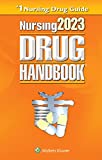
Nursing Drug Handbook
Nursing2023 Drug Handbook delivers evidence-based, nursing-focused drug monographs for nearly 3700 generic, brand-name, and combination drugs. With a tabbed, alphabetical organization and a “New Drugs” section, NDH2023 makes it easy to check drug facts on the spot.
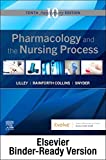
Pharmacology and the Nursing Process
The 10th edition of Pharmacology and the Nursing Process offers practical, user-friendly pharmacology information. The photo atlas contains over 100 unique illustrations and photographs depicting drug administration techniques. Updated drug content reflects the most recent FDA drug approvals, withdrawals, and therapeutic uses.
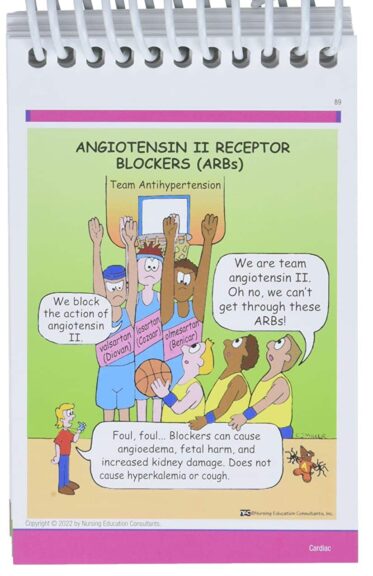
Mosby’s Pharmacology Memory NoteCards: Visual, Mnemonic, and Memory Aids for Nurses
The 6th edition of Mosby’s Pharmacology Memory NoteCards: Visual, Mnemonic, & Memory Aids for Nurses incorporates illustrations and humor to make studying easier and more enjoyable. This unique pharmacology review can be utilized as a spiral-bound notebook or as individual flashcards, making it ideal for mobile study.
See Also
Here are other nursing pharmacology study guides:
- Nursing Pharmacology – Study Guide for Nurses
Our collection of topics related to nursing pharmacology - Pharmacology Nursing Mnemonics & Tips
These nursing mnemonics aim to simplify the concepts of pharmacology through the use of a simple, concise guide. - Generic Drug Name Stems Cheat Sheet
Learn about these generic drug name stems to help you make sense of drugs easier! - Common Drugs and Their Antidotes
A guide to drug antidotes that nurses should be familiar about. - IV Fluids and Solutions Guide & Cheat Sheet
Get to know the different types of intravenous solutions or IV fluids in this guide and cheat sheet. - Drug Dosage Calculations NCLEX Practice Questions (100+ Items)
Care to take the challenge? This quiz aims to help students and registered nurses alike grasp and master the concepts of medication calculation.
We have a pill for that…

Drug Guides NEW!
Individual drug guides and nursing considerations for the most common medications used in nursing pharmacology:
- Acetaminophen (Tylenol)
- Aspirin
- Atorvastatin (Lipitor)
- Enoxaparin (Lovenox)
- Furosemide (Lasix)
- Gabapentin
- Hydromorphone (Dilaudid)
- Lisinopril
- Metoprolol
- Morphine
Gastrointestinal System Drugs
Respiratory System Drugs
- Antihistamines
- Bronchodilators and Antiasthmatics
- Decongestants
- Expectorants and Mucolytics
- Inhaled Steroids
- Lung Surfactants
Endocrine System Drugs
- Adrenocortical Agents
- Antidiabetic Agents
- Glucose-Elevating Agents
- Hypothalamic Agents
- Insulin
- Parathyroid Agents: Bisphosphonates, Calcitonins
- Pituitary Drugs
- Sulfonylureas
- Thyroid Agents
Autonomic Nervous System Drugs
- Adrenergic Agonists (Sympathomimetics)
- Adrenergic Antagonists (Sympatholytics)
- Anticholinergics (Parasympatholytics)
- Cholinergic Agonists (Parasympathomimetics)
Immune System Drugs
Chemotherapeutic Agents
- Anthelmintics
- Anti-Infective Drugs
- Antibiotics
- Antifungals
- Antineoplastic Agents
- Antiprotozoal Drugs
- Antiviral Drugs
Reproductive System Drugs
Nervous System Drugs
- Antidepressants
- Antiparkinsonism Drugs
- Antiseizure Drugs
- Anxiolytics and Hypnotic Drugs
- General and Local Anesthetics
- Muscle Relaxants
- Narcotics, Narcotic Agonists, and Antimigraine Agents
- Neuromuscular Junction Blocking Agents
- Psychotherapeutic Drugs
Cardiovascular System Drugs
References and Sources
References and sources for this pharmacology guide for antiseizure agents:
- Karch, A. M., & Karch. (2011). Focus on nursing pharmacology. Wolters Kluwer Health/Lippincott Williams & Wilkins. [Link]
- Katzung, B. G. (2017). Basic and clinical pharmacology. McGraw-Hill Education.
- Lehne, R. A., Moore, L. A., Crosby, L. J., & Hamilton, D. B. (2004). Pharmacology for nursing care.
- Smeltzer, S. C., & Bare, B. G. (1992). Brunner & Suddarth’s textbook of medical-surgical nursing. Philadelphia: JB Lippincott.




![Furosemide Nursing Considerations and Patient Teaching [Drug Guide]](https://nurseslabs.com/wp-content/uploads/2023/07/Furosemide-160x120.jpg)

![Lisinopril Nursing Considerations and Patient Teaching [Drug Guide]](https://nurseslabs.com/wp-content/uploads/2023/03/Lisinopril-160x120.jpg)






Leave a Comment