

Use this nursing care plan and management guide to help care for patients with undergoing mastectomy. Enhance your understanding of nursing assessment, interventions, goals, and nursing diagnosis, all specifically tailored to address the unique needs of individuals facing breast cancer and mastectomy.
What is Mastectomy?
Mastectomy is the surgical removal of one or both breasts either partially or completely. A mastectomy is usually carried out to treat or prevent breast cancer. Surgical management for patients with breast cancer usually involves lumpectomy or mastectomy. In many cases, radiation therapy is combined with surgery.
Types of breast surgery include:
- Total (simple) mastectomy – removal of breast tissue and nipple
- Modified radical mastectomy – removal of the breast, most of the lymph nodes under the arm, and often the lining over the chest muscles
- Lumpectomy – surgery to remove the tumor and a small amount of normal tissue around it
Nursing Care Plans and Management
The nursing care planning goals for patients undergoing mastectomy include promoting physical and emotional healing, managing pain and discomfort, providing education and support regarding self-care techniques and wound management, and facilitating the patient’s adjustment to changes in body image and self-esteem.
Nursing Problem Priorities
The following are the nursing priorities for patients who have undergone mastectomy:
- Promote wound healing and prevent infection
- Manage pain and discomfort
- Provide emotional support and address body image concerns
- Educate on self-care and post-operative care instructions
- Facilitate mobility and early ambulation
- Promote psychological well-being and coping strategies
- Encourage participation in support groups or counseling services
Nursing Assessment
Assess for the following subjective and objective data:
- Reports of pain or discomfort at the surgical site
- Expression of anxiety, fear, or emotional distress related to the surgery or changes in body image
- Complaints of fatigue or difficulty performing activities of daily living
- Questions or concerns about wound healing, drainage, or signs of infection
- Verbalization of concerns about future treatments or follow-up care
- Presence of surgical incision(s) and drains.
- Assessment of wound healing, including signs of redness, swelling, or drainage.
- Evaluation of vital signs, including temperature, heart rate, and blood pressure.
- Palpation of the surgical site for tenderness, hardness, or abnormal masses.
- Observation of mobility and functional abilities, such as range of motion and ability to perform self-care activities.
Assess for factors related to the cause of problems related to mastectomy:
- Surgical removal of skin/tissue; altered circulation, presence of edema, drainage; changes in skin elasticity, sensation; tissue destruction (radiation)
- Reports of stiffness, numbness in the chest area, shoulder/arm pain; alteration of muscle tone
- Reluctance to attempt movement
- Limited range of motion (ROM); decreased muscle mass/strength
Nursing Diagnosis
Following a thorough assessment, a nursing diagnosis is formulated to specifically address the challenges associated with mastectomy based on the nurse’s clinical judgement and understanding of the patient’s unique health condition. While nursing diagnoses serve as a framework for organizing care, their usefulness may vary in different clinical situations. In real-life clinical settings, it is important to note that the use of specific nursing diagnostic labels may not be as prominent or commonly utilized as other components of the care plan. It is ultimately the nurse’s clinical expertise and judgment that shape the care plan to meet the unique needs of each patient, prioritizing their health concerns and priorities.
Nursing Goals
Goals and expected outcomes may include:
- The client will acknowledge and discuss concerns.
- The client will demonstrate an appropriate range of feelings.
- The client will report fear and anxiety are reduced to a manageable level.
- The client will achieve timely wound healing, free of purulent drainage or erythema.
- The client will demonstrate behaviors/techniques to promote healing/prevent complications.
- The client will express a reduction in pain/discomfort.
- The client will appear relaxed, and able to sleep/rest appropriately.
- The client will demonstrate movement toward acceptance of self in a situation.
- The client will recognize and incorporate change into their self-concept without negating self-esteem.
- The client will set realistic goals and actively participate in a therapy program.
- The client will display a willingness to participate in therapy.
- The client will demonstrate techniques that enable the resumption of activities.
- The client will have an increase in the strength of affected body parts.
- The client will verbalize understanding of the disease process and potential complications.
- The client will perform necessary procedures correctly and explain reasons for actions.
- The client will initiate necessary lifestyle changes and participate in the treatment regimen.
- The client will verbalize understanding of individual factors that contribute to the possibility of injury and take steps to correct situations.
- The client will demonstrate behaviors, and lifestyle changes to reduce risk factors and protect self from injury.
- The client will participate in prevention measures and treatment programs.
- The client will be able to display progressive improvement in wound healing.
- The client and the significant, others will be able to identify negative factors affecting activity tolerance and eliminate/reduce their effects when possible.
- The client will be able to improve his activity and perform techniques to enhance activity tolerance.
- The client will maintain a normal and effective breathing pattern.
- The client will be able to identify and demonstrate interventions to prevent or reduce the risk of infection.
- The client will achieve timely wound healing and be free from signs and symptoms of infection.
Nursing Interventions and Actions
Therapeutic interventions and nursing actions for patients who have undergone mastectomy may include:
1. Reducing Fear and Anxiety
Fear is a strong and unpleasant emotion caused by the awareness or anticipation of pain or danger. This emotion is primarily externally motivated and source-specific, that is the individual experiencing the fear can identify the person, place, or thing precipitating this feeling. The factors that precipitate fear are, to some extent, universal, fear of death, pair, and bodily injury or defect are common to most people.
Assess the degree of fear and the measures the patient uses to cope with that fear
This helps determine the effectiveness of coping strategies used by the pt.
Document behavioral and verbal expressions of fear
Physiologic symptoms and complaints will intensify as the level of fear increases.
Determine what the patient is fearful of by careful and thoughtful questioning
A patient who finds it unacceptable to express fear may find it helpful to know that someone is willing to listen if they decide to share their feelings sometime in the future.
Compare verbal and nonverbal responses
To note congruences or misperceptions of the situation.
Determine to what degree the patient’s fears may be affecting his/her ability to perform ADL
Persistent, immobilizing fears may require treatment with anti-anxiety medications.
Maintain a calm and tolerant manner while interacting with the patient
The patient’s feeling of stability increases in a calm and non-threatening atmosphere and an ongoing relationship establishes trust and a basis for communicating fearful feelings.
Establish a working relationship through continuity of care
If the home environment is unsafe, the patient’s fears are not resolved and fear may become disabling.
Provide safety measures within the home when indicated
Recognition and explanation of factors leading to fear are significant in developing alternative responses.
As the patient’s fear subsides, encourage him/her to explore specific events preceding the onset of fear
Rest improves the ability to cope.
Check out and explore what information the patient has about diagnosis, expected surgical intervention, and future therapies. Note the presence of denial or extreme anxiety.
Provides a knowledge base for the nurse to enable the reinforcement of needed information, and helps identify patients with high anxiety, low capacity for information processing, and need for special attention. Note: Denial may be useful as a coping method for a time, but extreme anxiety needs to be dealt with immediately.
Ascertain the purpose and preparation for diagnostic tests.
More understanding of procedures and what is happening increases feelings of control and lessens anxiety.
Implement an ambiance of concern, openness, and availability, as well as privacy for patients and SO. Suggest that SO be present as much as possible.
Time and privacy are needed to provide support, and discuss feelings of anticipated loss and other concerns. Therapeutic communication skills, open questions, listening, and so forth facilitate this process.
Encourage questions and provide time for the expression of fears. Tell the patient that stress related to breast cancer can persist for many months and to seek help and support.
Provides an opportunity to identify and clarify misconceptions and offer emotional support.
Determine the degree of support available to the patient. Give information about community resources, such as Reach to Recovery, and the YWCA Encore program. Encourage and provide for a visit with a woman who has recovered from a mastectomy.
Can be a helpful resource when the patient is ready. A peer who has experienced the same process serves as a role model and can provide validity to the comments, hope for recovery, and a normal future.
Consider the role of rehabilitation after surgery.
Rehabilitation is an essential component of therapy intended to meet physical, social, emotional, and vocational needs so that the patient can achieve the best possible level of physical and emotional functioning.
2. Wound Care and Maintaining Skin Integrity
Mastectomy, like any other surgical procedure, includes invasion of the inside body, specifically the skin and subcutaneous area. Upon incision, there will be impairment of the skin integrity causing damage, impairment of skin circulation, and sensation and pain in the incision site. An incision is made in the breast. The underlying muscles are opened to expose the tumor beneath the breast. The surgeon then removes part or all of the breast while taking great care not to injure nearby blood vessels or nerves. The muscles are then repaired and the skin incision is closed with sutures that will either absorb or be removed soon after the operation. The actual incising of the skin is seen as an impairment in the skin’s integrity.
Assess the incision site taking note of the size, color, location, temperature, texture, and consistency of the wound/lesion if possible.
To provide comparative baseline data.
Inspect surrounding skin for erythema, induration, maceration
To assess the extent of involvement.
Assess for odors and drains coming out from the skin or area of injury
To assess the early progression of wound healing, the development of hemorrhage or infection.
Inspect skin on a daily basis, describing lesions and changes observed
To promote timely intervention and revision of the plan of care.
Keep the area clean or dry, carefully dress wounds, support incisions, and prevent infection
To assist the body’s natural process of repair.
Use appropriate wound coverings
Protect the wound and/or surrounding tissue.
Encourage an increase in protein and calorie intake
To aid in timely wound healing for the patient.
Encourage adequate rest and sleep
Prevents fatigue and provides recuperation
Encourage early ambulation and mobilization
To promote circulation and reduce risks associated with immobility.
Instruct on frequent position changes
To prevent bed ulcers from occurring.
Use the aseptic technique in cleansing/dressing and medicating lesions
Reduces the risk of cross-contamination.
Instruct proper disposal of soiled dressing
To prevent the spread of the infectious agent.
Inspect dressings anteriorly and posteriorly for characteristics of drainage. Monitor the amount of edema, redness, and pain in the incision.
The use of dressings depends on the extent of surgery and the type of wound closure. (Pressure dressings are usually applied initially and are reinforced, not changed.) Drainage occurs because of the trauma of the procedure and the manipulation of the numerous blood vessels and lymphatics in the area.
Perform a routine assessment of the involved arm. Elevate hand or arm with shoulder positioned at appropriate angles (no more than 65 degrees of flexion, 45–65 degrees of abduction, 45–60 degrees of internal rotation) and forearm resting on wedge or pillow, as indicated.
Preventing or minimizing edema reduces the discomfort and complications associated with it. Elevation of the affected arm facilitates drainage and resolution of edema. Note: Lymphedema is present in about 25% of patients and may develop immediately after surgery or years later.
Monitor temperature.
Early recognition of developing infection can enable the rapid institution of treatment.
Observe the graft site (if done) for color, and blister formation; note drainage from the donor site.
Color will be affected by the availability of the circulatory supply. Blister formation provides a site for bacterial growth or infection.
Assess wound drains, periodically noting the amount and characteristics of drainage.
Drainage of accumulated fluids (lymph, blood) enhances healing and reduces the susceptibility to infection. Suction devices (Hemovac, Jackson-Pratt) are often inserted during surgery to maintain negative pressure in the wound. Tubes are usually removed around the third day or when drainage ceases.
Maintain in semi-Fowler’s position on the back or unaffected side; avoid letting the affected arm dangle.
Assists with drainage of fluid through the use of gravity.
Refrain from measuring blood pressure (BP), injecting medications, or inserting IVs in the affected arm.
Increases the potential of constriction, infection, and lymphedema on the affected side.
Encourage wearing loose-fitting or non-constrictive clothing. Tell the patient not to wear a wristwatch or other jewelry on the affected arm.
Reduces pressure on compromised tissues, which may improve circulation and healing and minimize lymphedema.
Carry out antibiotics as indicated.
See Pharmacologic Management
3. Providing Acute Pain Relief
Consider reports of pain and stiffness, noting location, duration, and intensity (0–10 scale). Note reports of numbness and swelling. Be aware of verbal and nonverbal cues.
Aids in identifying the degree of discomfort and effectiveness of analgesia. The amount of tissue, muscle and lymphatic system removed can affect the amount of pain experienced. Destruction of nerves in the axillary region causes numbness in the upper arm and scapular region, which may be more intolerable than surgical pain. Note: Pain in the chest wall can occur from muscle tension, be affected by extremes in heat and cold, and continue for several months.
Discuss the normality of phantom breast sensations.
Provides reassurance that sensations are not imaginary and that relief can be obtained.
Facilitate the patient to find a position of comfort.
Elevation of the arm, size of dressings, and presence of drains affect the patient’s ability to relax, rest and sleep effectively.
Provide basic comfort measures (reposition on the back or unaffected side, back rub) and diversional activities. Encourage early ambulation and the use of relaxation techniques, guided imagery, and therapeutic touch.
Promotes relaxation, helps refocus attention and may enhance coping abilities.
Splint or support chest during coughing and deep-breathing exercises.
Facilitates participation in activity without undue discomfort.
Carry out appropriate pain medication on a regular schedule before pain is severe and before activities are scheduled.
Maintains comfort level and permits the patient to exercise arm and to ambulate without pain hindering efforts.
Administer narcotics or analgesics as indicated.
Provides relief of discomfort and pain and facilitates rest, and participation in postoperative therapy.
4. Improving Body Image and Self-Esteem
Encourage questions about the current situation and future expectations. Provide emotional support when surgical dressings are removed.
Loss of the breast causes many reactions, including feeling disfigured, fear of viewing scar, and fear of the partner’s reaction to change in the body.
Identify role concerns as woman, wife, mother, career woman, and so forth.
May reveal how the patient’s self-view has been altered.
Encourage the patient to express feelings like anger, hostility, and grief.
Loss of body part, disfigurement, and perceived loss of sexual desirability engender a grieving process that needs to be dealt with so that the patient can make plans for the future. Note: Grief may resurface when subsequent procedures are done (fitting for prosthesis, reconstructive procedure) if postponed.
Open up about the signs and symptoms of depression with the patient and SO.
A common reaction to this type of procedure needs to be recognized and acknowledged to seek timely intervention as indicated.
Provide positive reinforcement for gains or improvement and participation in self-care and treatment programs.
Encourages the continuation of healthy behaviors.
Review possibilities for reconstructive surgery or prosthetic augmentation.
If feasible, reconstruction provides less disfiguring or “near-normal” cosmetic results. Variations in the skin flap may be done for the facilitation of a reconstructive procedure, which is often performed at the same time as the mastectomy. The associated emotional boost may help patients get through the more complex surgical recovery process and adjunctive therapies. Note: On occasion, reconstruction may not be done for 3–6 mo. A prolonged delay may result in increased tension in relationships and impair the patient’s incorporation of changes into self-concept.
Ascertain the feelings and concerns of the partner regarding sexual aspects, and provide information and support.
Negative responses directed at the patient may actually reflect the partner’s concern about hurting the patient, fear of cancer or death, difficulty in dealing with personality and behavior changes in the patient, or inability to look at the operative area.
Discuss and refer to support groups, including Men in Our Lives for SO, as appropriate.
Provides a place to exchange concerns and feelings with others who have had a similar experience, and identifies ways SO can facilitate a patient’s recovery.
Provide temporary soft prosthesis, if indicated.
The prosthesis of nylon and Dacron fluff may be worn in a bra until the incision heals if reconstructive surgery is not performed at the time of mastectomy. This may promote social acceptance and allow patients to feel more comfortable about their body image at the time of discharge.
5. Promoting Effective Mobility of Upper Arm
Measure upper arm and forearm if edema develops.
Monitors progression and resolution of complications. May need to postpone increasing exercises and wait until further healing occurs.
Elevate the affected arm as indicated.
Promotes venous return, lessening the possibility of lymphedema.
Facilitate passive ROM (flexion and extension of elbow, pronation, and supination of the wrist, clenching and extending fingers) as soon as possible.
Early postoperative exercises are usually started in the first 24 hr to prevent joint stiffness that can further limit movement and mobility.
Have the patient move fingers, noting sensations and color of the hand on the affected side.
Lack of movement may reflect problems with the intercostal brachial nerve, and discoloration can indicate impaired circulation.
Encourage the patient to use the affected arm for personal hygiene (feeding, combing hair, washing face).
Increases circulation, helps minimize edema and maintains strength and function of the arm and hand. These activities use the arm without abduction, which can stress the suture line in the early postoperative period.
Help with self-care activities as necessary.
Conserves patient’s energy, and prevents undue fatigue.
Assist with ambulation and encourage correct posture.
The patient will feel unbalanced and may need assistance until accustomed to change. Keeping the back straight prevents the shoulder from moving forward, avoiding permanent limitations in movement and posture.
Advance exercise as indicated such as an active extension of the arm and rotation of the shoulder while lying in bed, pendulum swings, rope turning, and elevating arms to touch fingertips behind the head.
Prevents joint stiffness, increases circulation, and maintains muscle tone of the shoulders and arms.
Teach the patient proper breathing technique of slow, deep breaths during exercise.
Contraction of abdominal muscles helps push fluid out of the cisterna chyli (a lymphatic reservoir) and through the thoracic duct, creating a vacuum effect and enhancing drainage.
Progress to hand climbing (walking fingers up the wall), clasping hands behind the head, and full abduction exercises as soon as the patient can manage.
Because this group of exercises can cause excessive tension on the incision, they are usually delayed until the healing process is well established.
Discuss types of exercises to be done at home to regain strength and enhance circulation in the affected arm.
The exercise program needs to be continued to regain the optimal function of the affected side.
Coordinate exercise program into self-care and homemaker activities (dressing self, washing, dusting, mopping) and leisure activities, such as swimming.
The patient is usually more willing to participate or finds it easier to maintain an exercise program that fits into the lifestyle and accomplishes tasks as well.
Assist patient to identify signs and symptoms of shoulder tension (inability to maintain posture, burning sensation in post scapular region). Instruct the patient to avoid sitting or holding the arm in a dependent position for extended periods.
Altered weight and support put tension on surrounding structures.
Administer analgesics and diuretics as indicated.
See Pharmacologic Management
Maintain the integrity of elastic bandages or custom-fitted pressure-gradient elastic sleeves.
Promotes venous return and decreases the risk of edema formation.
Refer to a physical or occupational therapist.
Provides individual exercise program. Assesses limitations and restrictions regarding employment requirements.
6. Promoting Safety and Preventing Injury Risk
Assess mood, coping abilities, and personality styles
Factors that may result in carelessness and increased risk-taking without consequences.
Identify interventions and safety devices
To promote a safe physical environment and individual safety.
Encourage participation in self-help programs, such as assertiveness training, positive self-image
To enhance self-esteem and sense of self-worth.
Assist the client during periods of ambulation when necessary
The nurse supports the client when or if the client loses balance.
7. Initiating Patient Education and Health Teachings
Identify signs and symptoms requiring medical evaluation (breast or arm red, warm, and swollen; edema, purulent wound drainage; fever or chills).
Lymphangitis can occur as a result of infection, causing lymphedema.
Review disease process, surgical procedure, and future expectations.
Provides a knowledge base from which patients can make informed choices, including participation in radiation and chemotherapy programs.
Have the patient demonstrate care of drains and wound sites.
Shorter hospital stays may result in discharge with drains in place, requiring more complex care by patients or caregivers. Drains may be removed 7–10 days after surgery.
Encourage continuation of exercises, increasing program as healing progresses, for at least a year.
Enhances the development of collateral lymphatic channels, reduces the tightening of scar tissue, and maintains muscle strength and function. Note: Moderation is important because strenuous activity and exercise increase heart rate and body temperature, which can potentially increase edema.
Discuss the necessity for well-balanced, nutritious meals and adequate fluid intake.
Provides optimal nutrition and maintains circulating volume to enhance tissue regeneration and healing process.
Suggest alternating schedules of frequent rest and activity periods, especially in situations when sitting or standing is prolonged.
Prevents or limits fatigue, promotes healing and enhances feelings of general well-being. Positions in which the arm is dangling and extended intensify stress on affected structures, creating muscle tension and stiffness, and may interfere with healing.
Instruct patient to protect hands and arms by wearing long sleeves and gloves when gardening; use a thimble when sewing; use potholders when handling hot items; use plastic gloves when doing dishes; avoid lifting or moving heavy objects; and do not carry a purse or wear jewelry and wristwatch on the affected side.
A compromised lymphatic system causes tissues to be more susceptible to infection or injury, which may lead to lymphedema.
Demonstrate holding the affected arm appropriately by not dangling the arm, swinging arms with elbows bent when walking, and placing the arm above heart level when sitting or lying down.
Helps prevent or minimize lymphedema and “frozen shoulder.”
Warn against having blood withdrawn or receiving IV fluids, medications, or BP measurements on the affected side.
May restrict circulation and increase the risk of infection when the lymphatic system is compromised.
Recommend wearing a medical identification device.
Prevents unnecessary trauma (BP measurements, injections) to the affected arm in emergency situations.
Demonstrate the use of intermittent sequential pumping or low-stretch compression custom-made garments, as appropriate.
Occasionally used in managing lymphedema by promoting circulation and venous return.
Suggest gentle massage of the healed incision with emollients.
Stimulates circulation, promotes elasticity of the skin and reduces discomfort associated with phantom breast sensations.
Recommend the use of sexual positions that avoid pressure on the chest wall. Encourage alternative forms of sexual expression (cuddling, touching) during the initial healing process while the operative area is still tender.
Promotes feelings of femininity and a sense of ability to resume sexual activities.
Encourage regular self-examination of the remaining breasts. Determine the recommended schedule for mammography.
Identifies changes in breast tissue indicative of recurrent or new tumor development.
Stress the importance of regular medical follow-up.
Other treatments may be required as adjunctive therapy, such as radiation. The recurrence of malignant breast tumors also can be identified and managed by an oncologist.
Address additional concerns as indicated like ongoing therapies and expected adverse side effects.
Medications, such as tamoxifen (Nolvadex) used as a follow-up to surgery and radiation require ongoing involvement in care.
8. Improving Tolerance to Activity
Activity intolerance refers to insufficient physiological or psychological energy to complete desired daily activities. Most activity intolerance is related to generalized weakness and debilitation secondary to acute or chronic illness and disease. This is especially apparent in elderly patients with a history of orthopedic, cardiopulmonary, diabetic, or pulmonary–related problems. It is also common in persons who have undergone surgeries and it is experienced postoperatively.
Assess the patient’s level of mobility
This aids in defining what the patient is capable of, which is necessary before setting realistic goals.
Assess nutritional status
Adequate energy reserves are required for the activity.
Ascertain ability to stand and move about and degree of assistance necessary/ use of equipment
To determine what goals to be established to perform wellness.
Provide a quiet environment and encourage the use of stress management
Reduces stress and excess stimulation, promoting rest.
Encourage adequate rest periods
Reduces stress and excess stimulation, promoting rest.
Promote comfort measures and provide for the relief of pain
Rest provides time for energy conservation and recovery.
Plan care with rest periods between activities
To enhance the ability to participate in activities.
Instruct SO in monitoring response to activity and in recognizing signs and symptoms
To reduce fatigue.
Assist the client in learning and demonstrating appropriate safety measures
To prevent injuries.
Encourage the client to maintain a positive attitude; suggest the use of relaxation techniques, such as visualization/guided imagery as appropriate
To enhance a sense of well-being.
9. Improving Breathing Pattern
Anesthesia is an artificially induced state of a partial or total loss of sensation with or without loss of consciousness. Anesthesia agents can produce muscle relaxation, block the transmission of pain nerve impulses and suppress reflexes. The depth and effects of anesthesia are monitored by observing changes in respiration and oxygen saturation and end-tidal carbon dioxide levels, heart rate, urine output, and blood pressure.
Use pulse oximetry to monitor oxygen saturation and pulse rate
To detect changes in oxygenation.
Monitor vital capacity in patients with neuromuscular weakness and observe trends
Monitoring detects early changes.
Instruct client to deep breathe during waking hours or use an incentive spirometer
Deep breathing distends alveoli and promotes increased gas diffusion.
Splint incision to reduce discomfort
Pain or fear of pain interferes with deep breathing.
Administer oxygen as prescribed
Supplemental oxygen provides a higher concentration than is found in room air.
Instruct client to self-administer analgesia before deep breathing and coughing if a patient-controlled analgesia pump is available
Pain is more adequately controlled when an analgesic is given before severe pain develops.
10. Promoting Infection Control and Minimizing Risk of Infection
Skin is considered the first line of defense against any foreign organism. Because of the surgical procedure, the skin is impaired causing a possible entry for the organisms and hence may cause infection.
Closely observe and instruct to report signs and symptoms of infection such as fever, sore throat, swelling, pain, and drainage
To prevent and detect as early as possible the presence of any progressing infection.
Inspect the wound for swelling, unusual drainage, odor redness, or separation of the suture lines
Wound infections are accompanied by signs of inflammation and a delay in healing.
Stress proper hand washing technique
Handwashing is the single most effective way to prevent infection.
Provide regular catheter care
To reduce the risk of infection.
Instruct on proper wound care
For first-line defense against nosocomial infections or cross-contamination.
Encourage the client to eat vitamin C-rich foods
To promote wound healing.
Emphasized the necessity of taking antibiotics as directed
To boost the immune system.
Empty and re-establish negative pressure in closed wound drains at least once per shift
The negative pressure pulls fluid from the incisional area, which facilitates healing.
11. Promoting Effective Therapeutic Management
With ongoing changes in health care, patients are expected to be co-managers of their care. They are being discharged from hospitals earlier, and are faced with increasingly complex therapeutic regimens to be handled in the home environment. Likewise, patients with chronic illness often have limited access to healthcare providers and are expected to assume responsibility for managing the nuances of their disease. Patients with sensory perception deficits, altered cognition, financial limitations, and those lacking a support system may find themselves overwhelmed and unable to follow the treatment plan. Elderly patients, who often experience most of the above problems, are especially at high risk for ineffective management of the therapeutic plan.
Assess for related factors that may negatively affect success with the following regimen
The patient’s perceived seriousness and threat of disease affect his or her compliance with the program.
Assess the patient’s confidence or her ability to perform the desired behavior
A positive conviction that one can be advised successfully executive behavior is correlated with performance and successful outcomes.
Assess the patient’s ability to learn or remember the desired health-related activity
Cognitive impairments need to be an alternative plan can be advised.
Assess the patient’s ability to perform the desired activity
Patients with limited finances may be unable to purchase special foods.
Use therapeutic communication skills
To assist the client in a problem-solving solution.
Provide positive reinforcement for efforts
To encourage the continuation of desired behaviors.
Promote client and SO participation in planning and evaluating the process
Enhances commitment to planning, and optimizing outcomes.
Assist the client to develop strategies for monitoring the therapeutic regimen
Promotes early recognition of changes, allowing a proactive response.
Identify home- and community-based nursing service
For assessment, follow-up care, and education in clients’ homes.
12. Helping Through Grieving and Providing Emotional Support
Extended, unsuccessful use of intellectual and emotional responses by which individuals, families, and communities attempt to work through the process of modifying self-concept based on the perception of loss. Dysfunctional grieving is a state in which an individual is unable or unwilling to acknowledge or mourn an actual or perceived loss. This may subsequently impair further growth, development, or functioning.
Assess the client’s ability to manage activities of daily living and the period of time since a loss has occurred
They persist and interfere with normal activities, the client may need additional assistance.
Note stage of grief is experiencing
Stages of grief may progress in a predictable manner or may be experienced in different stages.
Acknowledge the client’s sense of relief when death follows a long and debilitating course
Sadness and loss are still there, but the death may be released and the grieving process may be soother.
Meet with both members of the couple
To determine how they are dealing with the loss.
Encourage the client and SO to identify healthy coping skills they have used in the past
These can be used in the current situation to facilitate dealing with grief.
Refer to other sources as needed, counseling, psychotherapy, the significance of loss of religious references, grief support group
Depending upon the meaning of the loss, an individual may require ongoing support to work through grief.
Stay with the client and ensure privacy during emotional periods
The nurse’s presence provides support. Ensuring privacy demonstrates the client’s dignity.
Acknowledge the client’s grief and reinforce that feeling angry or sad is normal and expected
Validating the client’s feelings gives permission for him or her to experience true emotions.
Encourage sharing with those who can be empathic, such as another breast cancer survivor
Sharing a significant loss with a person who has survived a similar experienced provides a bond for healing.
Avoid administering prescribed sedatives or tranquilizers as a substitute for spending time with the client
Numbing the mind interferes with grieving.
13. Improving Circulation and Preventing Emboli Formation
The importance of the lymphatic system in maintaining fluid balance in the body. The plasma filters into the interstitial spaces from blood flowing through the capillaries. Much of this interstitial fluid is absorbed by tissue cells or reabsorbed by the blood before it flows out of the tissue. A small amount of interstitial fluid is left behind. If this would continue over even a brief period, the increased interstitial fluid would cause massive edema. This edema would cause tissue destruction or death. This problem can be avoided by the presence of lymphatic vessels that act as “drains” to collect the excess fluid and return it to the venous blood just before it reaches the heart.
Identify changes related to systemic or peripheral alterations in circulation.
To assess and determine the predisposing factors.
Evaluate signs of infection when the immune system is compromised
To determine other possible related factors.
Observe for signs of pulmonary emboli
To note the degree of impairment involved.
Assess lower extremities, noting skin texture, presence of edema, ulcerations
To assess for contributing factors.
Encourage early ambulation if possible
Enhances venous return.
Position the patient on a semi-Fowler’s position
Facilitates proper chest expansion
14. Administer Medications and Provide Pharmacologic Support
The medications commonly involved in mastectomy, a surgical procedure for breast removal, may include analgesics such as opioids or non-steroidal anti-inflammatory drugs (NSAIDs) to manage pain post-surgery and antibiotics to prevent infection and promote healing in the surgical site.
Analgesics
Pain needs to be controlled before exercise or the patient may not participate optimally and the incentive to exercise may be lost.
Diuretics
May be useful in treating and preventing fluid accumulation and lymphedema.
Antibiotics
May be given prophylactically or to treat specific infections and enhance healing.
Recommended Resources
Recommended nursing diagnosis and nursing care plan books and resources.
Disclosure: Included below are affiliate links from Amazon at no additional cost from you. We may earn a small commission from your purchase. For more information, check out our privacy policy.
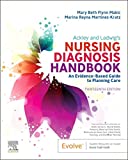
Ackley and Ladwig’s Nursing Diagnosis Handbook: An Evidence-Based Guide to Planning Care
We love this book because of its evidence-based approach to nursing interventions. This care plan handbook uses an easy, three-step system to guide you through client assessment, nursing diagnosis, and care planning. Includes step-by-step instructions showing how to implement care and evaluate outcomes, and help you build skills in diagnostic reasoning and critical thinking.
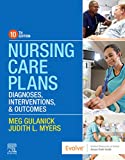
Nursing Care Plans – Nursing Diagnosis & Intervention (10th Edition)
Includes over two hundred care plans that reflect the most recent evidence-based guidelines. New to this edition are ICNP diagnoses, care plans on LGBTQ health issues, and on electrolytes and acid-base balance.
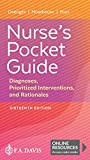
Nurse’s Pocket Guide: Diagnoses, Prioritized Interventions, and Rationales
Quick-reference tool includes all you need to identify the correct diagnoses for efficient patient care planning. The sixteenth edition includes the most recent nursing diagnoses and interventions and an alphabetized listing of nursing diagnoses covering more than 400 disorders.
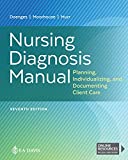
Nursing Diagnosis Manual: Planning, Individualizing, and Documenting Client Care
Identify interventions to plan, individualize, and document care for more than 800 diseases and disorders. Only in the Nursing Diagnosis Manual will you find for each diagnosis subjectively and objectively – sample clinical applications, prioritized action/interventions with rationales – a documentation section, and much more!
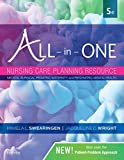
All-in-One Nursing Care Planning Resource – E-Book: Medical-Surgical, Pediatric, Maternity, and Psychiatric-Mental Health
Includes over 100 care plans for medical-surgical, maternity/OB, pediatrics, and psychiatric and mental health. Interprofessional “patient problems” focus familiarizes you with how to speak to patients.
See also
Other recommended site resources for this nursing care plan:
- Nursing Care Plans (NCP): Ultimate Guide and Database MUST READ!
Over 150+ nursing care plans for different diseases and conditions. Includes our easy-to-follow guide on how to create nursing care plans from scratch. - Nursing Diagnosis Guide and List: All You Need to Know to Master Diagnosing
Our comprehensive guide on how to create and write diagnostic labels. Includes detailed nursing care plan guides for common nursing diagnostic labels.
Other care plans and nursing diagnoses related to reproductive and urinary system disorders:
- Acute Glomerulonephritis | 4 Care Plans
- Acute Renal Failure | 6 Care Plans
- Benign Prostatic Hyperplasia (BPH) | 5 Care Plans
- Chronic Renal Failure | 10 Care Plans
- Hemodialysis | 3 Care Plans
- Hysterectomy (TAHBSO) | 6 Care Plans
- Mastectomy | 15 Care Plans
- Menopause | 6 Care Plans
- Nephrotic Syndrome | 5 Care Plans
- Peritoneal Dialysis | 6 Care Plans
- Prostatectomy | 6 Care Plans
- Urolithiasis (Renal Calculi) | 4 Care Plans
- Urinary Tract Infection | 4 Care Plans
- Vesicoureteral Reflux (VUR) | 5 Care Plans












Leave a Comment