Neonatal sepsis (neonatal septicemia or sepsis neonatorum) is a systemic condition that arises from a bacterial, viral, or fungal origin, is associated with hemodynamic changes and clinical findings, and causes severe morbidity and mortality (Bulbul, 2020). Neonatal sepsis may be categorized into three:
Early-onset Sepsis
Early-onset sepsis describes cases where clinical manifestations occur in the first three days of life (<72 hours). Of newborns with early-onset sepsis, 85% are present within 24 hours. Early-onset sepsis is associated with vertical transmission or acquisition of microorganisms from the mother. Infection can occur via hematogenous, transplacental spread from an infected mother. Organisms that colonize the mother’s genitourinary tract may be acquired by the neonate as it passes through the colonized birth canal at delivery (Gollehon & Aslam, 2019).
Late-onset Sepsis
Late-onset sepsis occurs at 4-90 days of life and is acquired from the environment. The infant’s skin, respiratory tract, conjunctivae, gastrointestinal tract, and umbilicus may become colonized via contact with the environment or caregivers.
Very Late-onset Sepsis
Very late-onset sepsis describes sepsis cases diagnosed in infants who are hospitalized in the neonatal intensive care unit from the first 30 days of life until discharge (Bulbul, 2020).
The most important risk factor causing sepsis development in the neonatal period is premature birth and low birth weight. Premature babies with low birth weight have a risk of developing sepsis three to ten times higher than full-term babies with normal birth weight.
Premature babies with low birth weight have a risk of developing sepsis three to ten times higher than full-term babies with normal birth weight
In addition, low levels of transplacental maternal IgG levels in preterm babies are among the risk factors. Chorioamnionitis, premature rupture of membranes (>18 hours), intrapartum maternal fever (>38℃), delivery earlier than 37 weeks of gestation, maternal group B streptococcal (GBS) colonization, and other conditions that increase the risk of GBS infection in the newborn increases the risk of early neonatal sepsis (Bulbul, 2020).
Table of Contents
- Nursing Care Plans and Management
- Nursing Problem Priorities
- Nursing Assessment
- Nursing Diagnosis
- Nursing Goals
- Nursing Interventions and Actions
- 1. Managing Fever and Promoting Effective Thermoregulation
- 2. Preventing Dehydration
- 3. Promoting Parental Attachment and Breastfeeding
- 4. Maintaining Normal Blood Glucose Levels
- 5. Managing Respiratory Symptoms and Promoting Effective Breathing Patterns
- 6. Promoting Infection Control and Preventing Infections
- 7. Administer Medications and Provide Pharmacologic Support
- Recommended Resources
- See also
- References and Sources
Nursing Care Plans and Management
The focus of nursing care plans and management for neonatal sepsis is on early detection, prompt treatment, and supportive care to prevent complications and promote recovery. This includes close monitoring of vital signs, laboratory tests, and clinical indicators of infection, as well as administration of appropriate antibiotics, fluid therapy, and other interventions as necessary.
Nursing Problem Priorities
The following are the nursing priorities for patients with neonatal sepsis:
- Early recognition and prompt treatment of neonatal sepsis
- Close monitoring of vital signs, laboratory values, and clinical indicators of infection
- Administration of appropriate antibiotics and other medications
- Provide supportive care, such as fluid therapy and respiratory support
- Ensure strict infection control measures to prevent the spread of infection
- Educate and support parents/caregivers in the care of the neonate with sepsis
Nursing Assessment
Assess for the following subjective and objective data:
- Body temperature instability (high or low)
- Poor feeding or refusal to feed
- Lethargy or irritability
- Respiratory distress or rapid breathing
- Abnormal heart rate or low blood pressure
- Jaundice (yellowing of the skin and eyes)
- Poor weight gain or failure to thrive
- Abdominal distension or vomiting
- Skin rash or redness
- Signs of infection at the site of the umbilical cord or other wounds.
Nursing Diagnosis
Following a thorough assessment, a nursing diagnosis is formulated to specifically address the challenges associated with neonatal sepsis based on the nurse’s clinical judgement and understanding of the patient’s unique health condition. While nursing diagnoses serve as a framework for organizing care, their usefulness may vary in different clinical situations. In real-life clinical settings, it is important to note that the use of specific nursing diagnostic labels may not be as prominent or commonly utilized as other components of the care plan. It is ultimately the nurse’s clinical expertise and judgment that shape the care plan to meet the unique needs of each patient, prioritizing their health concerns and priorities.
Nursing Goals
Goals and expected outcomes may include:
- The newborn will be able to maintain a normal body temperature.
- The newborn will avoid developing cold stress.
- The newborn will exhibit normal vital signs and Apgar score.
- The neonate will have plasma glucose between 40 and 60 mg per 100mL.
- The neonate will maintain a specific gravity of 1.003 to 1.020 and a minimum of 1 mL/kg/hr of urine output.
- The neonate will maintain electrolyte levels within normal limits.
- The neonate will demonstrate improved perfusion as evidenced by stable vital signs, adequate urine output, and palpable peripheral pulses.
- The neonate will exhibit a natural pale pink color on the nailbeds and lips.
- The neonate will be free of edema and other complications.
- The mother will identify and demonstrate techniques to sustain lactation until breastfeeding is initiated
- The mother will still be able to identify and demonstrate techniques to sustain lactation and identify techniques on how to provide the newborn with breast milk.
- The neonate will demonstrate the ability to latch and breastfeed gradually.
- The mother will identify and demonstrate techniques to enhance the behavioral organization of the neonate.
- The parents will visit frequently and hold the neonate.
- The parents will be able to have mutually satisfying interactions with the neonate.
- The parents will speak of their child in positive terms.
- The neonate will maintain glucose levels within a satisfactory range.
- The mother will verbalize understanding of plans to prevent or minimize complications.
- The neonate will demonstrate a normal respiratory rate and breathing pattern.
- The neonate will have clear breath sounds and diminished use of accessory muscles for breathing.
- The neonate will have a capillary refill within the normal range.
- The neonate will be free of any signs of infection.
- The mother will demonstrate measures to prevent complications.
Nursing Interventions and Actions
Therapeutic interventions and nursing actions for patients with neonatal sepsis may include:
1. Managing Fever and Promoting Effective Thermoregulation
Temperature instability is observed with neonatal sepsis and meningitis, either in response to pyrogens secreted by the bacterial organisms or from sympathetic nervous system instability. The neonate is most likely to be hypothermic. When infants are hypothermic or are not kept in a neutral thermal environment, efforts to regulate body temperature can cause metabolic acidosis (Gollehon & Aslam, 2019).
Monitor the newborn’s temperature.
The infant’s skin temperature will decrease before the core temperature falls. Therefore a skin probe is used to monitor the temperature of preterm infants. The skin probe is placed in the right upper quadrant of the abdomen. During the first day of life, a newborn’s temperature is usually taken and recorded every four to eight hours.
Perform an Apgar scoring.
Newborns are observed and rated according to an Apgar score at one minute and five minutes after birth. The newborn is considered vigorous if the initial scores are seven and above. If the five-minute score is less than seven, soring is done every five minutes thereafter until the score reaches seven. Heart rate, respiratory effort, muscle tone, reflex irritability, and color of the infant are each rated 0, 1, or 2.
Keep nursing care organized and prompt.
Perform all early newborn care speedily and expose the newborn to cool air as little as possible to conserve the little heat the newborn has. The temperature will fall almost immediately to below normal because of heat loss, the temperature of birthing rooms, and the infant’s immature temperature-regulating mechanisms if the newborn is not protected from heat loss at birth and in the moments afterward.
Place the newborn on the mother’s abdomen after birth.
Evaporation is the loss of heat through the conversion of a liquid to a vapor. Newborns are wet when born so that they can lose a great deal of heat as the amniotic fluid on their skin evaporates. To prevent this type of heat loss, lay the newborn on the mother’s abdomen immediately after birth and cover the newborn with a warm blanket for skin-to-skin contact.
Dry the newborn thoroughly after birth.
Drying the newborn- especially the face and hair– also effectively reduces evaporation because the head, which is a large surface area in a newborn, can be responsible for a great amount of heat loss.
Place the newborn under a radiant heat source or a radiant warmer or in an incubator.
Drying and placing the newborn under a radiant heat source is an excellent mechanical measure to help conserve heat or prevent heat loss. The newborn can also be placed under a radiant warmer or in an incubator to maintain a warm environment. The temperature of the incubator is adjusted so that the newborn’s body temperature is at an optimal level ( 36.2 to 37℃ [971. To 98.6℉).
Cover the newborn with warm blankets and a cap.
Covering the hair with a cap after drying further reduces the possibility of evaporation cooling. Cover the newborn with a warm blanket either when on top of the mother’s abdomen or when placed in a warm crib.
Cover surfaces where the newborn is placed with warm blankets.
Conduction is the transfer of body heat to a cooler solid object in contact with a newborn. Covering surfaces with a warmed blanket or towel is necessary to help minimize conduction heat loss.
Administer antibiotic therapy as indicated.
See Pharmacologic Management
2. Preventing Dehydration
In neonatal sepsis, dehydration can occur due to poor fluid intake, increased fluid losses, and altered fluid balance. It can lead to decreased tissue perfusion, as the body’s ability to deliver oxygen and nutrients to the tissues is compromised. This can result in poor organ function, impaired healing, and potential organ damage.
Assess the neonate’s vital signs.
Tachycardia may be a reflection of decreased intravascular volume, decreased stroke volume, or ineffective cardiac output. As a result of the neonate’s compensatory mechanisms, blood pressure readings are usually within the reference range with mild or moderate hypovolemia. With severe hypovolemia, hypotension is almost invariably present (Ambalavanan & Nimavat, 2018).
Monitor the neonate’s intake and output.
A preterm neonate has an immature kidney function, leading to improper elimination of body wastes and the inability to concentrate urine. The nurse should weigh the dry diaper and subtract its weight from the neonate’s wet diaper to determine the urine output. The urine output should be between one and three mL/kg.
Monitor the specific gravity and the presence of glucose and ketones in the urine.
The amount of urine output for the first few days of life in preterm neonates is high in comparison with that of the term neonates because of poor urine concentration.: 40 to 100 ml/kg per 24 hours, compared with 10 to 20 ml/kg per 24 hours, respectively. The specific gravity is low, rarely more than 1.012 (normal term neonates may concentrate urine up to 1.030). Test urine for glucose and ketones because these can also reveal hyperglycemia caused by glucose infusion, which can lead to diuresis and extreme fluid loss. If too little glucose is being supplied and body cells are using protein for metabolism, ketone bodies will appear in the urine.
Assess the neonate’s blood glucose levels.
Blood glucose determinations should range between 40 and 60 mg/dL. Hyperglycemia was found to increase mortality compared to normal glucose levels in neonatal sepsis and indirectly indicates the severity of sepsis so that it can be an indicator of mortality in neonatal sepsis (Adnyana et al., 2021).
Review the results of electrolyte levels.
Because preterm neonates have an immature kidney function, a high proportion of body fluid is excreted. Improper elimination of body wastes contributes to electrolyte imbalance and disturbed acid-base relationships. Tolerance to salt is limited, and susceptibility to edema is increased. Dehydration may occur easily.
Monitor the neonate’s weight regularly.
Sudden changes in the neonate’s weight generally reflect a change in body water. The compartment affected depends on the gestational age and associated problems and clinical care (Ambalavanan & Nimavat, 2018).
Use small gauge needles for intravenous infusion if possible.
Specially designed small gauge needles are available for use on small veins. However, many preterm neonates lack adequately sized peripheral veins for even this small of a needle. Therefore, they may need to receive intravenous fluid by an umbilical or central venous catheter.
Encourage the mother to initiate breastfeeding as soon as possible.
If possible, the neonate should be put to the breast within the first hours, when the alert state allows for suckling and bonding. If the preterm neonate is unable to suck adequately, the mother may express her breastmilk manually for gavage feedings. Breast milk contains the full range of nutrients that the neonate needs and is in the right proportions. It also provides natural immunity and eliminates the risk of a contaminated water supply or improper dilution.
Aspirate contents of the neonate’s stomach before starting gavage feeding.
When the infant is gavage fed, the contents of the stomach should be aspirated before the feeding is started. If only mucus or air is aspirated, the healthcare provider should be notified before proceeding to feed the neonate.
Provide adequate nutritional requirements through total parenteral nutrition (TPN).
The primary goal of TPN is to provide energy and nutrients in sufficient quantities to allow normal growth and development. When calculating fluid and electrolyte nutrition requirements, most practitioners use the neonate’s birth weight until the neonate has regained the birth weight. Daily weight is used in calculations. TPN can be started on the first day of life in neonates who are not likely to achieve total enteral nutrition within the first week of life (Ambalavanan & Nimavat, 2018).
Humidify the neonate’s environment as indicated.
The environment in which the neonate is cared for affects fluid loss. An environment with high ambient humidity decreases insensible water loss, whereas the use of a radiant warmer or phototherapy may significantly increase the neonate’s insensible water loss. In neonates who are intubated, inadequate humidification of the inspired gas may also lead to increased insensible water loss.
Administer vitamin K within the first six hours after birth.
See Pharmacologic Management
Administer intravenous fluids via a continuous infusion pump.
See Pharmacologic Management
Measure the neonate’s oxygen saturation.
The degree of hypoxemia present can be measured by a noninvasive pulse oximetry reading. A pulse oximeter saturation level of 92% and above is normal. Apply the oximeter sensor to the neonate’s toe or the side of the foot, and the probe should be flush with the skin and secured firmly with the wing tapes.
Monitor the neonate’s vital signs.
Progressions in the neonate’s cardiac output may be evident with bradycardia and systemic hypotension. The neonate may manifest overt shock with pallor, poor capillary perfusion, and edema. These late signs of shock are indicative of severe compromise and are strongly associated with mortality. Therefore, early detection and treatment are imperative to avoid the failure of compensatory mechanisms later on (Gollehon & Aslam, 2019).
Observe for signs of shock.
Septic shock is not diagnosed by a decrease in blood pressure because the neonate’s body initially compensates for the poor circulation and tissue perfusion by increasing the heart rate and vasoconstriction of peripheral blood vessels. Hypotension is an ominous sign that may indicate that the body is unable to compensate adequately and cardiorespiratory arrest is about to occur.
Review the neonate’s laboratory results.
Laboratory results may include positive blood cultures, reduced fibrinogen and thrombocyte levels, and the presence of immature white blood cells. Neutropenia, a neutrophil count below 1000/mm³, is an ominous sign.
Educate the mother about pneumococcal vaccines.
To prevent sepsis, immunization against H. influenzae type B (Hib) and administration of the pneumococcal conjugate vaccine (PCV) is recommended for all children two months to four years of age. These vaccines may prevent some cases of sepsis, but sepsis also can be caused by other bacterial sources.
Administer intravenous fluids as prescribed.
Fluid therapy should be given with meticulous attention to the intravascular fluid balance or measures, especially for those extremely preterm neonates. While it still remains common to treat hypotension with a fluid bolus followed by an infusion of antihypotensive medication, fluid bolus administration may not be beneficial and indeed can be harmful.
Administer vasoactive agents as indicated.
See Pharmacologic Management
Administer oxygen as indicated.
Oxygen therapy may be given via hood or ventilator in concentrations necessary to maintain adequate tissue perfusion. Oxygen toxicity is a high risk for infants receiving prolonged treatment with high concentrations of oxygen.
Administer blood and blood products as appropriate.
Not uncommonly, blood product transfusion, including packed red blood cells, platelets, and fresh, frozen plasma is indicated (Gollehon & Aslam, 2019). Fresh, frozen plasma may help reverse the heat-stable and heat-labile opsonin deficiencies that occur in low-birth-weight neonates, but controlled studies of its use are unavailable, and transfusion-associated risks must be considered (Tesini, 2022).
Prepare for exchange transfusions.
Exchange transfusions have been used for severely ill (particularly hypotensive and metabolically acidotic) neonates. Their purported value is to increase levels of circulating immunoglobulins, decrease circulating endotoxin, increase hemoglobin levels (with higher 2,3-diphosphoglycerate levels), and improve perfusion. However, no controlled prospective studies of their use have been conducted (Tesini, 2022).
3. Promoting Parental Attachment and Breastfeeding
When parents establish a strong emotional bond with their baby, it promotes positive breastfeeding experiences. However, the stress and uncertainty associated with neonatal sepsis can disrupt parental attachment and potentially affect breastfeeding initiation and continuation. It is important for nurses to provide emotional support, education, and resources to parents to enhance parental attachment and encourage successful breastfeeding in neonates with sepsis.
Assess the mother’s perception and knowledge about breastfeeding and the extent of instruction that has been given.
Mothers may only remain in a hospital or birthing center for a short time, so teaching parents about breastfeeding is crucial. Be certain to review the mother’s plans for feeding the neonate before discharge, so there is time to answer any remaining questions. The better informed the mother is about breastfeeding, the more apt they are to feel comfortable with the process.
Assess the mother’s knowledge about adequate neonatal intake.
Review with the mother the criteria to use to assess if her neonate is receiving adequate intake based on the recommended voiding and stooling pattern. The neonate has six to eight wet diapers per day and passes stool several times a day. The mother’s breast should feel firm before feedings and softer after. A neonate nurses at the breast for 10 to 15 minutes per breast 8 to 10 times a day.
Assess the mother’s present daily fluid intake.
Adequate fluid intake is essential to maintain an adequate milk supply once the neonate is able to breastfeed. The mother may need to consume at least four to six 8-oz glasses of water every day.
Assess the neonate’s ability to breastfeed.
While premature or sick neonates have high demands in energy and nutrients, they present significant feeding difficulties by mouth due to a lack of suck-swallow-breathe coordination, reduced intestinal motility, and decreased intestinal maturation and digestion capacity (Daglas et al., 2020). “Fluttering” sucking motions indicate nonnutritive sucking, as well as noisy sucking or smacking sounds, which indicate improper mouth position.
Determine if a routine visiting schedule or advance warning can be provided
Preterm neonates reveal hunger with the same signs as term infants, such as rooting, crying, and sucking. Teaching the mother about these hunger signs or arranging a schedule with the NICU nurse about feeding times may help establish a routine that could get the neonate to start breastfeeding gradually.
Give emotional support to the mother and accept the decision regarding cessation/ continuation of breastfeeding.
The inability to breastfeed can result in decreased milk production, lack of confidence in maternal roles, not feeling like a mother and guilt, anxiety, depression, and stress. In addition, it has been reported that in mothers who cannot breastfeed, prolactin levels decrease faster, which can lead to postpartum depression (Coskun & Gunay, 2020). Providing emotional support may help the mother become motivated in carrying out breastmilk expression despite a delay in breastfeeding.
Demonstrate the use of portable breast pumps.
When breastfeeding must be delayed temporarily, the mother should be taught how to pump her milk to continue full breastfeeding. Portable breast pumps enable the mother to return to work and continue pumping and storing breastmilk to be available later for the infant. The mother should be taught how to assemble, dissemble, and clean the breast pump. Pumping should last approximately 10 minutes on each breast and should be done about every three hours. The nurse should teach the mother how to center the flanges of the pump over the breast with the nipple in the center of the flange opening, making an airtight seal. The breasts should be drained and feel soft after pumping.
Review techniques for storage/use of expressed breast milk
Breast milk should be used or stored within one hour of pumping to avoid the potential for bacterial contamination. Milk may be safely stored in glass or hard plastic. Clear, hard plastic bottles are made of polycarbonate and are considered safe for storing and freezing milk. Any plastic material used for infants should be labeled as bisphenol A (BPA) free. Milk can be thawed in the refrigerator for 24 hours or by holding the container under lukewarm running water. Milk can be stored at room temperature for four to six hours in a tightly capped container or in the back of the refrigerator (4℃ [39℉]) for up to 96 hours or four days without significant changes occurring. Containers should hold a portion appropriate for one feeding, should be labeled with the date, and should not be refrozen after thawing.
Provide privacy and calm surroundings when the mother breastfeeds.
Rooming-in, as indicated for a sick or premature neonate, is ideal for breastfeeding because the neonate can be fed with feeding cues. The room should be at a comfortable temperature, and the neonate should not be exposed to environmental tobacco smoke.
Instruct the client to perform hand hygiene and wash the breast as necessary before breastfeeding.
Before breastfeeding, recommend the mother wash her hands to ensure they are free of pathogens from handling perineal pads or other sources. Washing her breasts is not necessary unless she notices caked colostrum on the nipples.
Provide information regarding proper positioning techniques and body alignment of the neonate for breastfeeding.
The side-lying position may permit the mother to rest while feeding Using a football hold with the neonate supported on a pillow also may be helpful, especially if the mother had a cesarean birth. Regardless of the position selected for breastfeeding, the neonate’s body should be in a chest-to-chest position with the mother, the head and neck in alignment.
Educate the mother on how to properly latch to and remove the neonate from the breast.
Brushing the neonate’s cheek with a breast nipple stimulates a neonate’s rooting reflex. The neonate will then turn toward the breast. The neonate should be at the level of the nipple to allow an easy flow of the milk. When the neonate’s mouth is wide open before the latch-on, a more effective latch-on will occur as the mother moves her arm to bring the newborn closer to the breast. The neonate’s lips should flare outward. The neonate’s tongue position can be checked to be sure it is under the nipple by gently pulling down on the lower lip.
Introduce kangaroo care to the parents.
Studies show that kangaroo care applied by mothers who have premature infants and cannot breastfeed is effective at increasing their milk production. Kangaroo care may have positively affected the mother’s maternal feelings, decreased their stress, and cause the mother-infant bonding relationship to develop. In kangaroo care, a parent places the neonate wearing only a nappy on the parent’s chest in a straight position, thereby achieving skin-to-skin contact. Studies have shown that neonates who receive kangaroo care start breastfeeding earlier and are breastfed for longer, and their mothers are more willing to breastfeed (Coskun & Gunay, 2020).
Recommend for infant sucking on a regular basis
This reinforces that feeding time is pleasurable and enhances digestion. If a pacifier is used to provide extra sucking, teach parents to use a one-piece type to prevent choking. They should use a clip to secure the pacifier to the neonate’s clothing and should not place it on a string around the neonate’s neck, which can cause strangulation.
Encourage the mother to obtain adequate rest.
Fatigue can be a problem on returning home if the mother does not take adequate measures to conserve her energy. Sitting relaxed in a comfortable chair with her feet elevated, feeding her baby, and enjoying this time are excellent ways to rest as well as to promote effective feeding.
Provide immediate support if problems arise.
The nurse should provide an individual feeding plan to the mother upon discharge, ideally in consultation with an International Board Certified Lactation Consultant (IBCLC). Early follow-up and referral to breastfeeding support groups will promote successful breastfeeding during the neonatal period. The first four weeks postpartum are usually the most challenging for a new breastfeeding mother. After four weeks, breastfeeding, if successfully accomplished, is easier than formula feeding.
Interview parents, noting their perception of situational and individual concerns
Because parents may not be psychologically ready for birth when a preterm infant is born, it may be more difficult for them to believe they have a child and to begin interacting than if the infant had been born at term.
Observe parenting behaviors toward the neonate.
The nurse observes parenting behaviors, such as the amount of affection and interest shown to the neonate. The amount of physical contact, stimulation, eye-to-eye contact, and time spent interacting with the neonate is significant. Adults tend to talk with neonates in high-pitched voices.
Observe for interactions that need additional interventions.
The nurse should observe for parent-neonate interactions that dictate a need for additional interventions. Some of these include indifference to the neonate’s signals of hunger or discomfort, failure to identify their neonate’s communication, avoidance of eye contact with the neonate, or discussing the neonate in negative terms.
Encourage the parents to express their feelings about the neonate and their situation.
Before effective bonding can be established, parents may need time to come to terms with their feelings of disappointment that the infant is so small or guilt that they were not able to prevent the illness of the preterm birth. Helping them air these feelings and develop a more positive attitude toward their preterm neonate is an important nursing responsibility.
Educate parents regarding child growth and development, addressing parental perceptions.
Expected neonate behaviors should be discussed, and unique characteristics pointed out to enhance the bonding process. This is especially important if the parents’ “fantasy” child differs from the “real” child in sex, physical attributes, or health.
Involve parents in activities with the newborn that they can accomplish successfully
Involving the parents in the care of their neonate helps them to learn most successfully. Feeding and elimination patterns are assessed by discussing them with the mother and observing diaper changes. If the neonate is breastfed, the nurse should discuss with the mother how well the neonate is nursing, the frequency and duration of the nursing sessions, and any difficulty she is having. Teaching is an important part of mother-newborn care. Parent teaching of newborn care includes maintaining an open airway by positioning and using a bulb syringe, temperature maintenance and assessment after discharge, expected increase in the number of voidings, changes in the stools, feeding, signs of illness to report, and follow-up appointments for well-baby care.
Recognize and provide positive feedback for nurturing and protective parenting behaviors
This reinforces the continuation of desired behaviors. First-time parents may be sensitive to critical remarks; therefore, the nurse should praise their efforts while tactfully giving suggestions for needed improvement.
Encourage the parents to interact with their neonate as appropriate.
Although it is essential to conserve a preterm neonate’s strength by reducing sensory stimulation as much as possible and handling the neonate gently, preterm neonates appear to need as much attention and affection as term neonates. Rocking, singing, talking to them, and gently holding them are measures to help preterm neonates develop a sense of trust in people, which will enable them to relate satisfactorily to people in the future. Encourage the parents to begin interacting with their neonate as soon as possible.
Arrange a visitation schedule with the parents.
The parents should discuss with the neonate’s primary nurse the time that they will usually visit so that the nurse can schedule the neonate’s procedures and rest times other than when the parents visit, so there is time for them to hold their child and interact with him uninterrupted.
Provide photos of the neonate for the parents while the neonate is in the NICU or transferred to a distant center.
If the neonate is going to be transferred to a regional center, make sure the parents have an opportunity to see the neonate before the transfer. A photograph of the neonate for them to keep is helpful in making the birth more real. Encourage the parents to visit the distant site as often as possible. Sending them photos snapped with a cellphone or pasting notes as if they’re messages from the baby taped to the incubator or warmer for them to see when they visit can not only keep parents involved but also help with bonding.
Allow the parents to hold their neonate through the incubator or warmer.
Parents visiting a high-risk nursery often need a great deal of support from nursing personnel. Remember that although radiant warmers, incubators, ventilators, and monitors are standard equipment for nurses, they are unusual and frightening to parents. Even if the neonate cannot be removed from an incubator or a radiant heat warmer, parents can still handle and stroke the neonate in the incubator for interaction. Encourage the mother to hold the neonate before and after gavage feedings and breastfeed or bottle feed as soon as the neonate is ready.
4. Maintaining Normal Blood Glucose Levels
In sepsis, hypoglycemia occurs due to the inability to break down glycogen reserves and hyperinsulinemia. On the other hand, metabolic changes in sepsis cause glucagon as a counter-regulatory hormone to fail to meet alternative glucose needs from other sources such as fatty acids and amino acids (Adnyana et al., 2021). Hypoglycemia in preterm infants can be aggravated by the need for increased glycogen in the brain, the heart, and other tissues as a result of sepsis.
Perform frequent glucose monitoring.
Obtain blood specimens from the neonate’s heel every two hours. Any condition, including sepsis that increases energy requirements, stresses the neonate’s already deficient stores more. Plasma glucose levels lower than 40 mg/dL in a term infant and lower than 30 mg/dL in a preterm infant indicate hypoglycemia.
Measure the neonate’s birth weight accurately.
Neonatal sepsis is one of the leading causes of mortality in neonates, especially preterm and low-birth-weight infants. Characteristic data in a study show that mortality in neonates with sepsis occurs more frequently at moderate to late preterm gestation and is more common at low birth weight, with the median birth weight of the study subjects being 1900 grams (1.9 kgs) (Adnyana et al., 2021).
Assess the neonate for signs and symptoms of hypoglycemia or hyperglycemia.
Signs of hypoglycemia in the preterm neonate include tremors, weak cries, lethargy, convulsions, and a plasma glucose level lower than 40 mg/dL (term) or 30 mg/dL (preterm). Sepsis and neonatal stress can also trigger hyperglycemia manifested by glucosuria and osmotic diuresis, leading to dehydration, ketosis, and metabolic acidosis.
Measure the neonate’s urine output and assess for glucose in the urine.
Glucosuria is a finding of osmotic diuresis. A glucose value of 2+ or higher in the urine increases the risk of osmotic diuresis. Each 18 mg/dl increase in blood glucose increases serum osmolality by 1 mOsm/L (Simsek et al., 2018).
Provide small, frequent feedings to the preterm neonate.
Preterm infants have a smaller stomach capacity than term neonates, as a rule, they must be fed more frequently with smaller amounts than term infants, perhaps as small as one or two ml every two to three hours. A preterm neonate requires a relatively larger amount of nutrients than the mature infant, 115 to 140 calories per kilogram of body weight per day compared with 100 to 110 calories per kilogram per body weight per day needed by a term infant.
Feed the neonate through gavage feeding.
Although a sucking reflex is present earlier, the ability to coordinate sucking and swallowing is inconsistent until approximately 34 weeks of gestation. A gag reflex is not intact until 32 weeks of gestation. For this reason, infants who are ill or experiencing respiratory distress may be started on gavage feedings. Gavage feedings may be given intermittently every few hours or continuously via tubes passed into the stomach or intestine through the nose or mouth.
Encourage the mother to breastfeed the neonate.
There is increasing evidence that although preterm infants grow well on commercial formulas, breast milk is the best milk for them, the same as for term infants. The immunologic properties of breast milk may play a major role in preventing neonatal necrotizing enterocolitis as well as an increase in immune defenses. Mothers can express breast milk manually or with a breast pump for their infant’s gavage feedings. If the mother cannot bring this in daily, she can freeze it for safe transport and storage.
Organize procedures to maximize the neonate’s rest periods.
The neonate may need to rest and conserve energy to combat hypoglycemia and infection. To allow for this, try to organize procedures to maximize the amount of rest available to the neonate. If not a coordinated effort, the neonate may be awakened constantly for procedures.
Administer intravenous glucose as indicated.
Intravenous glucose is given as a bolus of 200 mg/kg (dextrose 10% at 2 ml/kg), followed by continuous infusion of dextrose 10% at 5 to 8 mg/kg per minute (80 to 100 ml/kg per day) to maintain blood glucose levels of 40 to 50 mg/dL. Infants on intravenous dextrose infusions require close monitoring with frequent measurements of blood glucose levels, as often as every hour for the first 12 hours, then less frequently once target glucose values are achieved (Abramowski et al., 2021).
Administer insulin as prescribed.
See Pharmacologic Management
5. Managing Respiratory Symptoms and Promoting Effective Breathing Patterns
Respiratory status and breathing pattern in neonatal sepsis can vary depending on the severity of infection and associated complications. It is common to observe signs such as tachypnea, grunting, nasal flaring, and retractions as the body tries to compensate for the infection and maintain adequate oxygenation.
Assess the neonate’s breathing patterns and respiratory rate.
The symptoms of respiratory distress are apparent after delivery, but they may not manifest for several hours. Respirations increase to 60 breaths/min or more. Rapid respirations or tachypnea are accompanied by gruntlike sounds. Expiratory grunting occurs caused by the closure of the glottis as it tries to increase the pressure in the alveoli on expiration in order to help to keep them from collapsing.
Assess for the use of accessory muscles during breathing.
Nasal flaring and sternal and subcostal respirations accompany the neonate’s breathing. As distress increases, the neonate may exhibit seesaw respirations; on inspiration, the anterior chest wall retracts, and the abdomen protrudes; on expiration, the sternum rises.
Measure the neonate’s oxygen saturation and review ABG values.
Even with an attempt at better oxygen exchange, the neonate may become cyanotic as the disease progresses, and their PO₂ and oxygen saturation levels fall in room air. Blood gas studies may reveal respiratory acidosis, which is caused by the poor oxygen exchange that leads to tissue hypoxia, causing a release of lactic acid.
Auscultate breath sounds from both lung fields comparatively.
There may be fine rales and diminished breath sounds on auscultation because of poor air entry. Signs of increasing respiratory distress may denote lessening air exchange.
Enforce the concept of cluster care when managing the neonate.
The concept of cluster care involves combining and coordinating the handling required for assessment and treatments so as to provide adequate blocks of time for uninterrupted rest. Schedule procedures that can be done together and schedule visitations from parents once the neonate has already rested enough to avoid expending much-needed energy.
Maintain a neutral thermal environment by placing the neonate in an incubator or a radiant heat warmer.
A neutral thermal environment minimizes the risk of cold stress, which increases metabolic demands for oxygen. The neonate is placed in an incubator designed to provide a neutral thermal environment- temperature, air, radiating surface temperatures, and humidity are controlled to maintain the neonate’s temperature within a normal range with minimal oxygen consumption required. Radiant heat cribs that supply overhead heat have the advantage of providing easier access to the neonate while maintaining a neutral thermal environment.
Improve the neonate’s hydration and nutrition status.
Provide hydration and nutrition with intravenous fluids and glucose or gavage feedings because the respiratory effort makes the neonate too exhausted to suck. Administer nutrition via enteral feedings with breast milk supplemented with high-calorie formula.
Rub the neonate’s feet and back or suction the nose and the mouth and elevate the neonate’s head to stimulate breathing.
Apnea is defined as the cessation of breathing for 20 seconds or longer and may be accompanied by bradycardia and cyanosis. Gentle rubbing of the neonate’s ankles, feet, and back may stimulate breathing after episodes of apnea. When these measures fail, suctioning of the nose and mouth and raising the neonate’s head to a semi-Fowler’s position usually facilitates breathing.
Administer surfactant replacement as indicated.
See Pharmacologic Management
Administer supplemental oxygen as prescribed.
The administration of oxygen is often necessary to maintain correct PO₂ and pH levels following surfactant administration, and it may be administered in a variety of ways from a simple cannula or mask, continuous positive airway pressure (CPAP), or assisted ventilation with positive end-expiratory pressure (PEEP).
Anticipate the need for ventilator use.
Infant ventilators are available with a reverse I/E ratio (2:1). These are pressure cycled to control the force with which air is delivered.
Administer nitric oxide as indicated.
See Pharmacologic Management
Assist in setting up extracorporeal membrane oxygenation (ECMO) as appropriate.
ECMO use has expanded to include the management of severe hypoxemia in neonates. Formerly used as a mainstay of therapy for RDS, it is now rarely needed because surfactant lavage is so effective.
6. Promoting Infection Control and Preventing Infections
Sepsis or serious infection within the first four weeks of life kills greater than one million neonates globally every year. Neonates diagnosed with sepsis may present in or progress to septic shock, exemplified initially by cardiovascular dysfunction requiring fluid resuscitation or inotropic support. If the progression of infection cannot be stopped, end-organ damage and death become much more likely (Wynn & Wong, 2011).
Perform Apgar scoring one minute and five minutes after birth.
At one minute and five minutes after birth, neonates are observed and rated according to an Apgar score, an assessment scale used as a standard for newborn evaluation. The neonate’s heart rate, respiratory effort, muscle tone, reflex irritability, and color are rated 0, 1, and 2. There is a high correlation between low five-minute Apgar scores and neurologic illness.
Assess the area around the umbilical cord.
Inspect the cord to be certain it is clamped securely because if it loosens before thrombosis obliterates the umbilical vessels, a hemorrhage could result. Ensure that the area around the cord is dry and free of erythema.
Assess the neonate’s vital signs.
After the initial early phase of sepsis, it may be followed by further progressive decreases in cardiac output with bradycardia and systemic hypotension. The neonate manifests overt shock with pallor, poor capillary perfusion, and edema. These late signs of shock are indicative of severe compromise and are strongly associated with mortality (Gollehon & Aslam, 2019).
Perform and model strict hand hygiene at all times and wear appropriate PPE.
Healthcare workers caring for neonates should thoroughly wash their hands and arms to elbows with an antiseptic soap before handling the neonate. Although not proven to reduce infections, agency personnel are usually required to wear cover gowns or nursery uniforms when directly caring for neonates. The use of gloves and a face mask is also necessary when handling the sick neonate.
Ensure that all healthcare workers caring for the neonate, the visitors, and even the mother are free from infection.
Staff members with infections (particularly sore throats, upper respiratory tract infections, or herpes lesions) should be excluded from caring for mothers and neonates until the condition has completely cleared. If the mother might have a contagious illness, her neonate should be excluded from her room until there is no longer a possibility of contagion.
Anticipate the possibility of intubation.
Septic neonates often present with apnea or severe respiratory distress and may require intubation to establish a secure airway and maintain lung volume for adequate gas exchange (Wynn & Wong, 2011).
Consider the use of the “Kaiser Sepsis Calculator”.
This model, commonly called the “Kaiser Sepsis Calculator” has allowed for a significant reduction in the use of empiric antibiotics and obtaining blood cultures without an increase in the morbidity or mortality rate or readmissions for early-onset sepsis. Use of this approach should be limited to term and late preterm neonates of 34 weeks gestation or later (Gollehon & Aslam, 2019).
Prepare to insert a central line or a peripheral catheter.
Central line or peripherally inserted central catheter placement may be necessary for neonates who require prolonged IV antimicrobial therapy for sepsis if peripheral IV access cannot be maintained (Gollehon & Aslam, 2019).
Obtain specimen for Gram staining and culture.
The culture of blood, urine, and cerebrospinal fluid (CSF) samples remains the gold standard. A Gram stain may provide early identification of the gram-negative or gram-positive status of the organism for preliminary identification (Gollehon & Aslam, 2019).
Assist in transferring the neonate to a specialty center.
The neonate may require transfer to a level III or IV perinatal center, especially if he or she requires cardiopulmonary support, parenteral nutrition, or prolonged IV access. The multidisciplinary services available at larger centers may be necessary if the neonate’s condition is acutely compromised.
Administer supplemental oxygen as prescribed.
Increasing inspired oxygen may be necessary for the setting of neonatal septic shock to maximize tissue oxygen delivery. Decreased pulmonary function and/or respiratory failure in conjunction with increased tissue demand contribute to tissue hypoxia (Wynn & Wong, 2011).
Administer IV fluids as prescribed.
Once a decision is made to treat hypotension with or without shock in a neonate, the recommended initial step is a fluid bolus (crystalloid). Though there are fewer data on neonates to support this intervention, it remains the accepted clinical practice to treat and monitor closely for signs of intravascular volume depletion. In term infants or older preterm infants, aggressive volume expansion should be considered. The use of a 10% glucose solution combined with frequent monitoring ensures normoglycemia to prevent hypoglycemia (Wynn & Wong, 2011).
Administer IV antibiotics as indicated.
See Pharmacologic Management
Administer vasoactive drugs and other drugs necessary as prescribed.
Dopamine is generally the first-line vasoactive drug. For neonates with shock, which is unresolved with volume resuscitation and dopamine, several possibilities exist for additional therapy. Epinephrine or norepinephrine infusions for refractory shock in neonates have been studied to a very limited extent. Neonates with vasodilatory shock may have a positive response to the alpha-adrenergic vasoconstrictive effect of these agents (Wynn & Wong, 2011).
Transfuse blood and blood products as appropriate.
Correction of significant coagulopathy and anemia through the transfusion of fresh frozen plasma or packed red blood cells may serve to improve blood pressure and oxygen delivery (Wynn & Wong, 2011).
7. Administer Medications and Provide Pharmacologic Support
The management of neonatal sepsis typically involves a combination of antibiotics, supportive care, and specific medications based on the underlying cause. Antibiotics are administered to target the infectious organism and may include broad-spectrum antibiotics initially, followed by more targeted antibiotics based on culture and sensitivity results. Surfactant is often administered to help improve lung function and prevent respiratory distress syndrome. Supportive medications such as intravenous fluids are given to maintain hydration and electrolyte balance. In some cases, additional medications like vasopressors may be used to support blood pressure and improve tissue perfusion.
Antibiotics
In the United States and Canada, the current approach to the treatment of early-onset neonatal sepsis includes the administration of combined intravenous aminoglycoside and expanded-spectrum penicillin antibiotic therapy. This regimen provides coverage for gram-positive organisms, especially group B Streptococcus (GBS), and gram-negative bacteria, such as E. coli.
Vitamin K
The best practice recommendation is that all newborns routinely receive one IM dose of vitamin K within the first six hours after birth, after initial stabilization and appropriate newborn/mother interaction. The dose is 0,5 mg for infants weighing 1500 g and 1 mg for infants weighing more than 1500 g (Ambalavanan & Nimavat, 2018).
Intravenous fluids
Intravenous fluids should be given via a continuous infusion pump to ensure a constant infusion rate and to prevent accidental overload. Dextrose 10% with electrolytes and Ringer’s lactate are commonly prescribed fluids for maintenance fluids in neonates or for treating dehydration in older infants (Akech et al., 2018). The nurse should check the intravenous site conscientiously because, if infiltration should occur, the lack of subcutaneous tissue places the preterm at risk for damaged tissue.
Vasoactive agents
Dopamine was the most commonly used vasoactive agent with a median duration of administration of 46 hours and a median maximum dose of 10µg/kg/min, followed by epinephrine and dobutamine. These agents are categorized as catecholamines which stimulate the adrenergic receptors not only in the sympathetic nervous system at the synapse but also in the cardiomyocytes, vascular smooth muscle cells, and other extravascular parenchymal cells resulting in complex cardiovascular, renal, and endocrine actions (Joynt & Cheung, 2018).
Insulin
Insulin is recommended if blood glucose levels are >250 mg/dL and if glucosuria is present in two separate urine samples taken at four-hour intervals and weight gain is not sufficient despite the reduction of glucose infusion. Insulin treatment causes an increase in weight as well as controls hyperglycemia. The blood glucose level should be measured half an hour after each change in insulin infusion (Simsek et al., 2018).
Surfactant replacement
Respiratory distress syndrome can be largely prevented by the administration of surfactant at birth for a neonate at risk because of low gestational age. Immediately after birth, the synthetic surfactant is administered into an endotracheal tube by a syringe or catheter. Place the neonate in an upright position following administration and ensure that the airway would not be suctioned afterward to help the surfactant reach the lower lung areas and to avoid suctioning away the drug.
Nitric oxide
An additional therapy that can help to oxygenate the neonate’s lungs is the administration of nitric oxide, a potent vascular dilator. It causes pulmonary vasodilation without decreasing systemic vascular tone. The nitric oxide enters the alveoli on ventilation and redirects the pulmonary blood by dilating the pulmonary arterioles.
Recommended Resources
Recommended nursing diagnosis and nursing care plan books and resources.
Disclosure: Included below are affiliate links from Amazon at no additional cost from you. We may earn a small commission from your purchase. For more information, check out our privacy policy.
Ackley and Ladwig’s Nursing Diagnosis Handbook: An Evidence-Based Guide to Planning Care
We love this book because of its evidence-based approach to nursing interventions. This care plan handbook uses an easy, three-step system to guide you through client assessment, nursing diagnosis, and care planning. Includes step-by-step instructions showing how to implement care and evaluate outcomes, and help you build skills in diagnostic reasoning and critical thinking.
Nursing Care Plans – Nursing Diagnosis & Intervention (10th Edition)
Includes over two hundred care plans that reflect the most recent evidence-based guidelines. New to this edition are ICNP diagnoses, care plans on LGBTQ health issues, and on electrolytes and acid-base balance.
Nurse’s Pocket Guide: Diagnoses, Prioritized Interventions, and Rationales
Quick-reference tool includes all you need to identify the correct diagnoses for efficient patient care planning. The sixteenth edition includes the most recent nursing diagnoses and interventions and an alphabetized listing of nursing diagnoses covering more than 400 disorders.
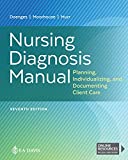
Nursing Diagnosis Manual: Planning, Individualizing, and Documenting Client Care
Identify interventions to plan, individualize, and document care for more than 800 diseases and disorders. Only in the Nursing Diagnosis Manual will you find for each diagnosis subjectively and objectively – sample clinical applications, prioritized action/interventions with rationales – a documentation section, and much more!
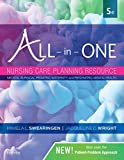
All-in-One Nursing Care Planning Resource – E-Book: Medical-Surgical, Pediatric, Maternity, and Psychiatric-Mental Health
Includes over 100 care plans for medical-surgical, maternity/OB, pediatrics, and psychiatric and mental health. Interprofessional “patient problems” focus familiarizes you with how to speak to patients.
See also
Other recommended site resources for this nursing care plan:
- Nursing Care Plans (NCP): Ultimate Guide and Database MUST READ!
Over 150+ nursing care plans for different diseases and conditions. Includes our easy-to-follow guide on how to create nursing care plans from scratch. - Nursing Diagnosis Guide and List: All You Need to Know to Master Diagnosing
Our comprehensive guide on how to create and write diagnostic labels. Includes detailed nursing care plan guides for common nursing diagnostic labels.
Other care plans related to the care of the pregnant mother and her baby:
- Abortion (Termination of Pregnancy) | 8 Care Plans
- Cervical Insufficiency (Premature Dilation of the Cervix) | 4 Care Plans
- Cesarean Birth | 11 Care Plans
- Cleft Palate and Cleft Lip | 7 Care Plans
- Gestational Diabetes Mellitus | 8 Care Plans
- Hyperbilirubinemia (Jaundice) | 4 Care Plans
- Labor Stages, Induced, Augmented, Dysfunctional, Precipitous Labor | 45 Care Plans
- Neonatal Sepsis | 8 Care Plans
- Perinatal Loss (Miscarriage, Stillbirth) | 6 Care Plans
- Placental Abruption | 4 Care Plans
- Placenta Previa | 4 Care Plans
- Postpartum Hemorrhage | 8 Care Plans
- Postpartum Thrombophlebitis | 5 Care Plans
- Prenatal Hemorrhage (Bleeding in Pregnancy) | 9 Care Plans
- Preeclampsia and Gestational Hypertension | 6 Care Plans
- Prenatal Infection | 5 Care Plans
- Preterm Labor | 7 Care Plans
- Puerperal & Postpartum Infections | 5 Care Plans
- Substance Abuse in Pregnancy | 9 Care Plans
References and Sources
Recommended journals, books, and other interesting materials to help you learn more about neonatal sepsis nursing care plans and nursing diagnosis:
- Abramowski, A., Ward, R., & Hamdan, A. H. (2021, September 9). Neonatal Hypoglycemia – StatPearls. NCBI. Retrieved September 12, 2022.
- Adnyana, M. L. D., Sanjaya, G. N., Sukmawati, M., Purniti, N. P. S., Subanada, I. B., & Gustawan, I. W. (2021, February 10). Mortality of Neonatal Sepsis with Abnormal Blood Glucose Level. American Journal of Pediatrics, 7(1), 9-13.
- Akech, S., Rotich, B., Chepkirui, M., Ayieko, P., Irimu, G., & English, M. (2018, January 09). The Prevalence and Management of Dehydration amongst Neonatal Admissions to General Paediatric Wards in Kenya—A Clinical Audit. Journal of Tropical Pediatrics, 64(6), 516-522.
- Ambalavanan, N., & Nimavat, D. J. (2018, October 18). Fluid, Electrolyte, and Nutrition Management of the Newborn: Overview, Prevalence and Loss of Body Water, Assessing Fluid and Electrolyte Status. Medscape Reference. Retrieved September 12, 2022.
- Bokhari, A. M., & Stuart, M. (2019, February 5). Bacterial Sepsis: Practice Essentials, Background, Etiology. Medscape Reference. Retrieved September 12, 2022.
- Bulbul, A. (2020, June 12). Neonatal Sepsis – PMC. NCBI. Retrieved September 8, 2022.
- Chang, C.-J., Chi, H., Jim, W.-T., Chiu, N.-C., & Chang, L. (2022, February 10). Risk of infection in neonates born in accidental out-of-hospital deliveries. PLOS One, 17(2).
- Coskun, D., & Gunay, U. (2020, January-February). The Effects of Kangaroo Care Applied by Turkish Mothers who Have Premature Babies and Cannot Breastfeed on Their Stress Levels and Amount of Milk Production. Journal of Pediatric Nursing, 50, e26-e32. https://doi.org/10.1016/j.pedn.2019.09.028
- Daglas, M., Sidiropoulou, C., Galanis, P., Bilali, A., Antoniou, E., & Iatrakis, G. (2020, January-April). Maternal and Neonatal Factors Associated with Successful Breastfeeding in Preterm Infants. International Journal of Caring Sciences, 13(1).
- Gollehon, N. S., & Aslam, M. (2019, June 13). Neonatal Sepsis: Background, Pathophysiology, Etiology. Medscape Reference. Retrieved September 8, 2022.
- Joynt, C., & Cheung, P.-Y. (2018, April 13). Treating Hypotension in Preterm Neonates With Vasoactive Medications. NCBI. Retrieved September 12, 2022.
- Wynn, J. L., & Wong, H. R. (2011, June 01). Pathophysiology and Treatment of Septic Shock in Neonates. Clinical Perinatology, 37(2), 439-479.
BUENAZO
VERY GOOD¡¡¡