
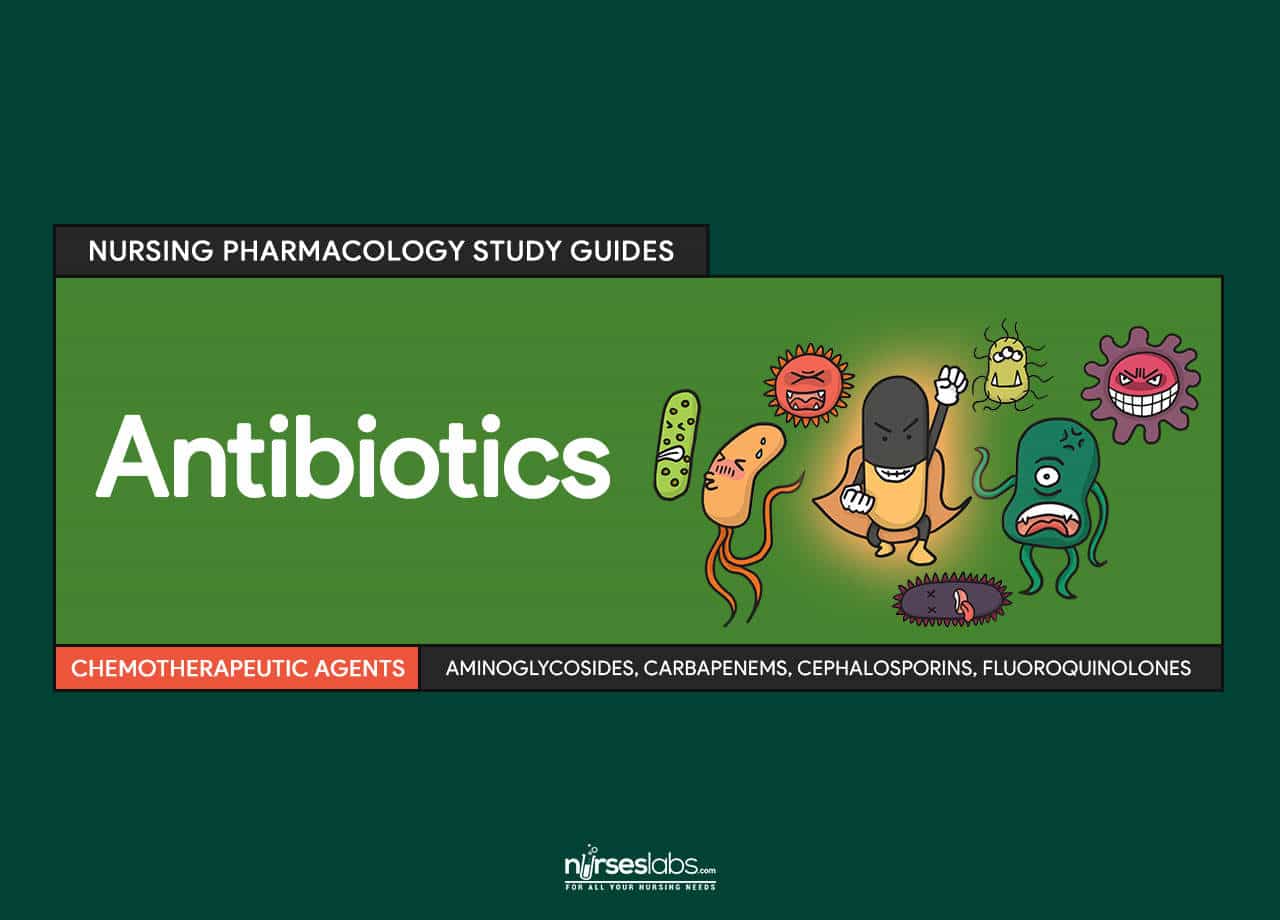
Antibiotics are agents made from living microorganisms, synthetic manufacturing, and genetic engineering that are used to inhibit specific bacteria. They can be bacteriostatic, bactericidal, or both.
The major classes of antibiotics include: aminoglycosides, penicillins and penicillinase-resistant drugs, sulfonamides, tetracyclines, and antimycobacterials (e.g. antitubercular and leprostatic)
Others include ketolides, lincosamides, lipoglycopeptides, macrolides, and monobactams.
Antibiotics: Generic and Brand Names
Here is a table of commonly encountered antibiotics, their generic names, and brand names:
- Aminoglycosides
- amikacin (Amikin)
- gentamicin (Garamycin)
- kanamycin (Kantrex)
- neomycin (Mycifradin)
- streptomycin
- tobramycin (TOBI, Tobrex)
- Carbapenems
- doripenem (Doribax)
- ertapenem (Invanz)
- Imipenem-cilastatin (Primaxin)
- meropenem (Merrem IV)
- Cephalosporins
- First-Generation Celphalosporins
- cefadroxil
- cefazolin (Zolicef)
- cephalexin (Keflex)
- Second-Generation Cephalosporins
- cefaclor (Ceclor)
- cefoxitin
- cefprozil
- cefuroxime (Zinacef)
- Third-Generation Cephalosporins
- Cefdinir
- cefotaxime (Claforan)
- cefpodoxime (Vantin)
- ceftazidime (Ceptaz, Tazicef)
- Ceftibuten (Cedax)
- Ceftizoxime (Cefizox)
- Ceftriaxone (Rocephin)
- Fourth-Generation Cephalosporins
- cefditoren (Spectracef)
- cefepime (Maxipime)
- ceftaroline (Teflaro)
- First-Generation Celphalosporins
- Fluoroquinolones
- Ciprofloxacin (Cipro)
- gemifloxacin (Factive)
- levofloxacin (Levaquin)
- moxifloxacin (Avelox)
- norfloxacin (Noroxin)
- ofloxacin (Floxin, Ocuflox)
- Penicillins and Penicillinase-Resistant Antibiotics
- Sulfonamides
- sulfadiazine
- sulfasalazine (Azulfidine)
- cotrimoxazole (Septra, Bactrim)
- Tetracyclines
- demeclocycline (Declomycin)
- doxycycline (Doryx, Periostat)
- minocycline (Minocin)
- tetracycline (Sumycin)
- Antimycobacterials
- Antituberculosis
- First-line Antituberculotic Drugs
- ethambutol (Myambutol)
- pyrazinamide (Nydrazid)
- rifampin
- rifapentine (Rifadin, Rimactane)
- streptomycin
- Second-line Antituberculotic Drugs
- cycloserine (Seromycin)
- ethionamide (Trecator-SC)
- rifabutin (Mycobutin)
- First-line Antituberculotic Drugs
- Leprostatics
- Dapsone
- Antituberculosis
- Other Antibiotics
- Ketolides
- telithromycin (Ketek)
- Lincosamides
- clindamycin (Cleocin)
- lincomycin (Lincocin)
- Lipoglycopeptides
- telavancin (Vibativ)
- Macrolides
- azithromycin (Zithromax)
- clarithromycin (Biaxin)
- erythromycin (Ery-Tab)
- Monobactams
- aztreonam (Azactam)
- Ketolides
Spotlight: Bacteria and Antibiotics
- Bacteria are microorganisms that invade the human body through many routes like respiratory, gastrointestinal, and skin.
- Human immune response is activated once bacteria invade the body. As the body tries to rid itself of bacteria, classic signs of inflammation (e.g. swelling, heat, redness, and pain), fever, and lethargy begin to show up.
- The goal of antibiotic therapy is to decrease the population of invading bacteria to a point at which the human immune system can effectively deal with the invader.
Aminoglycosides
- Aminoglycosides are a group of antibiotics indicated for infections caused by gram-negative aerobic bacilli.
- They were replaced by newer, less-toxic drugs in treating less serious infections because these drugs have potentially serious adverse effects.
Therapeutic Action
The desired and beneficial action of aminoglycosides is:
- Exert bactericidal effect through inhibition of protein synthesis in susceptible strains of gram-negative bacteria. Specifically, they bind to a unit of the bacteria ribosomes and cause misreading of the genetic code leading to cell death.
Indications
Aminoglycosides are indicated for the following medical conditions:
- Infections caused by susceptible strains: Pseudomonas aeruginosa, Escherichia coli, Proteus spp., Klebsiella-Enterobacter-Serratia group, Citrobacter spp., and Staphylococcus spp.
- Serious infections susceptible to penicillin when penicillin is contraindicated.
Here are some important aspects to remember for indication of antibiotics in different age groups:
Children
This age group is very sensitive to GI and CNS adverse effects of antibiotics. Therefore, it is important to monitor their nutritional and hydration status while on therapy. Oral candidiasis as a superinfection is common in this age group which makes eating and drinking difficult. Fluoroquinolones are associated with damage to developing cartilage and are not recommended for growing children. In addition to this, pediatric dosages should be double-checked to decrease the risk for adverse effects. Most of all, parent education is important in cutting down the unnecessary use of antibiotics in children.
Adults
This age group has the tendency to cure simple manifestations with antibiotics. Therefore, it is important to educate them that antibiotics are effective only for certain bacteria and not for simple manifestations like common colds, which may be viral. Storage of unused pills for future infections and sharing antibiotics with symptomatic friends should be avoided and emphasized in health teachings.
Older adults
Assessing the problem and obtaining appropriate specimens for culture is especially important with this population. Older patients may be more susceptible to adverse effects of antibiotic therapy.
Pharmacokinetics
Here are the characteristic interactions of aminoglycosides and the body in terms of absorption, distribution, metabolism, and excretion:
Contraindications and Cautions
The following are contraindications and cautions for the use of aminoglycosides:
- Known allergy to aminoglycosides.
- Renal or hepatic disease. Can be exacerbated by aminoglycosides and may interfere wih metabolism and excretion of these drugs.
- Preexisting hearing loss. Can be intensified by toxic drug effects on the auditory nerve.
- Active infection with herpes or mycobacterial infections. Can be worsened by the effects of an aminoglycoside on normal defense mechanisms.
- Myasthenia gravis or parkinsonism. Can be exacerbated by the effects of a particular aminoglycosides on the nervous system.
- Lactation. Aminoglycosides are excreted in the breast milk and can potentially cause serious effects in the infant.
- Amikacin should not be used for longer than 7-10 days because it is particularly toxic to the bone marrow, kidneys, and GI.
- Streptomycin is only for special situations because it is very toxic to the 8th cranial nerve and kidney.
Adverse Effects
Use of aminoglycosides may result to these adverse effects:
- CNS: ototoxicity, irreversible deafness, vestibular paralysis, confusion, depression, disorientation, numbness, tingling, weakness
- Renal: renal failure
- Hematology: bone marrow depression, leading to immunosuppression and resultant superinfections
- GI: nausea, vomiting, diarrhea, weight loss, stomatitis, hepatotoxicity
- CV: palpitations, hypotension, hypertension
- Hypersensitivity reactions: purpura, rash, urticaria, exfoliative dermatitis
Interactions
The following are drug-drug interactions involved in the use of aminoglycosides:
- Penicillins, cephalosporins, ticarcillin: synergistic bactericidal effect
- Diuretics: increased incidence of ototoxicity, nephrotoxicity, and neurotoxicity
- Anesthetics, nondepolarizing NM blockers, succinylcholine, citrate anticoagulated blood: increased NM blockade with paralysis
Carbapenems
- Carbapenems are a relatively new class of broad-spectrum antibiotics effective against gram-positive and gram-negative bacteria.
Therapeutic Action
The desired and beneficial action of carbapenems is:
- Exert bactericidal effect by inhibiting cell membrane synthesis in susceptible bacteria, leading to cell death.
Indications
Carbapenems are indicated for the following medical conditions:
- Serious intra-abdominal, urinary tract, skin and skin structure, bone and joint, and gynecological infections.
- Infections caused by susceptible strains: S.pneumoniae, H.influenzae, E.coli, K.pneumoniae, B.fragilis, P.mirabilis, P.aeruginosa, and P.bivia.
Pharmacokinetics
Here are the characteristic interactions of carbapenems and the body in terms of absorption, distribution, metabolism, and excretion:
| Half-life (T1/2) | Metabolism | Excretion |
|---|---|---|
| 4 h | N/A | kidney (urine); unchanged |
Contraindications and Cautions
The following are contraindications and cautions for the use of carbapenems:
- Known allergy to carbapenems or beta-lactams.
- Seizure disorders. Exacerbated by drugs.
- Meningitis. Safety is not established.
- Lactation. Not known whether drug can cross into breast milk or not.
- Ertapenem is not recommended for use in patients younger than 18 years of age.
- Meropenem is associated with development of pseudomembranous colitis and should be used in caution in patients with inflammatory bowel disease.
Adverse Effects
Use of carbapenems may result to these adverse effects:
- GI: pseudomembranous colitis, C.difficile diarrhea, nausea, vomiting, dehydration and electrolyte imbalance
- CNS: headache, dizziness, altered mental state
- Superinfections
Interactions
The following are drug-drug interactions involved in the use of carbapenems:
- Valproic acid: Carbapenems reduce serum valproic acid and this can increase risk of seizures.
- Imipenem and ganciclovir can cause seizures.
- Meropenem and probenecid can lead to toxic levels of meropenem.
Cephalosporins
- Cephalosporins were first introduced in the 1960s. There are currently four generations of cephalosporins, each with specific spectrum of activity.
- These drugs are similar to penicillins in structure and activity.
Therapeutic Action
The desired and beneficial action of carbapenems is:
- Exert bactericidal and bacteriostatic effects by interfering with the cell-wall building ability of bacteria during cell division. Therefore, they prevent the bacteria from bio synthesizing the framework of their cell walls.
Indications
Cephalosporins are indicated for the following medical conditions:
- First-generation cephalosporins are effective against the same gram-positive bacteria affected by penicillin G, as well as gram-negative bacteria P.mirabilis, K.pneumoniae, E.coli.
- Second-generation cephalosporins are effective against previously mentioned strains as well as H.influenzae, E.aerogenes, and Neisseria spp. These drugs are less effective against gram-positive bacteria.
- Third-generation cephalosporins are effective against all of the previously mentioned strains. They are relatively weak against gram-positive bacteria but are more potent against gram-negative bacilli, as well as S.marcescens.
- Fourth-generation cephalosporins are active against gram-negative and gram-positive organisms, including cephalosporin-resistant staphylococci and P.aeruginosa.
Pharmacokinetics
Here are the characteristic interactions of cephalosporins and the body in terms of absorption, distribution, metabolism, and excretion:
| Route | Onset | Peak | Duration |
|---|---|---|---|
| Oral | N/A | 30-60 min | 8-10 h |
| Half-life (T1/2) | Metabolism | Excretion |
|---|---|---|
| 30-60 min | N/A | kidney (urine); unchanged |
Contraindications and Cautions
The following are contraindications and cautions for the use of cephalosporins:
- Known allergy to cephalosporins and beta-lactams. Cross-reactions are common.
- Hepatic or renal impairment. These drugs are toxic to the kidneys and could interfere with the metabolism and excretion of the drugs.
- Pregnancy and lactation. Potential effects on the fetus and infant are not known; use only if benefits clearly outweigh the potential risk of toxicity to the fetus or infant.
- Reserve cephalosporins for appropriate situations because cephalosporin-resisant bacteria are appearing in increasing numbers. Perform culture and sensitivity test before start of therapy.
Adverse Effects
Use of cephalosporins may result to these adverse effects:
- GI: nausea, vomiting, diarrhea, anorexia, abdominal pain, flatulence, pseudomembranous colitis
- CNS: headache, dizziness, lethargy, paresthesias
- Nephrotoxicity in patients who have predisposing renal insufficiency
- Superinfections
- Phlebitis and local abscess at the site of IM injection and/or IV administration.
Interactions
The following are drug-drug interactions involved in the use of cephalosporins:
- Aminoglycosides: increased risk for nephrotoxicity
- Oral anticoagulants: increased bleeding
- Alcohol: avoided for 72 hours after discontinuation of the drug to prevent disulfiram-like reaction (e.g. flushing, throbbing headache, nausea and vomiting, chest pain, palpitations, dyspnea, syncope, vertigo, convulsions, etc.)
Fluoroquinolones
- Fluoroquinolones are a relatively new synthetic class of antibiotics with a broad spectrum of activity.
Therapeutic Action
The desired and beneficial action of fluoroquinolones is:
- Interfere with the action of DNA enzymes necessary for growth and reproduction of the bacteria.
- Has little cross-resistance but misuse of this drug for a short time will lead to existence of resistant strains.
Indications
Fluoroquinolones are indicated for the following medical conditions:
- Treating infections (respiratory, urinary tract, and skin) caused by susceptible strains: E.coli, P.mirabilis, K.pneumoniae, P.vulgaris, M.morganii, P.aeruginosa, H.influenzae, S.aureus, S.epidermidis, N.gonorrhoeae, and group D streptococci.
- Ciprofloxacin was approved in 2001 for prevention of anthrax infection in areas that might be exposed to germ warfare. It is also effective against typhoid fever.
Pharmacokinetics
Here are the characteristic interactions of fluoroquinolones and the body in terms of absorption, distribution, metabolism, and excretion:
| Route | Onset | Peak | Duration |
|---|---|---|---|
| Oral | Varies | 60-90 min | 4-5 h |
| IV | 10 min | 30 min | 4-5 h |
Contraindications and Cautions
The following are contraindications and cautions for the use of fluoroquinolones:
- Known allergy to fluoroquinolones.
- Pregnancy and lactation. Potential effects on the fetus and infant are not known; use only if benefits clearly outweigh the potential risk of toxicity to the fetus or infant.
- Seizures. Can be exacerbated by the drugs’ effects on cell membrane channels
Adverse Effects
Use of fluoroquinolones may result to these adverse effects:
- GI: nausea, vomiting, diarrhea, dry mouth
- CNS: headache, dizziness, insomnia, depression
- Immunological: bone marrow depression
- Risk for tendinitis and tendon rupture in patients over age 60, on concurrent steroids, and those with renal, heart, or lung transplants
- Photosensitivity and severe skin reactions so advise patient to avoid sun and ultraviolet light exposure and to use protective clothing and sunscreens.
Interactions
The following are drug-drug interactions involved in the use of fluoroquinolones:
- Iron salts, sucralfate, mineral supplements, antacids: increased therapeutic effects of fluoroquinolones. Administration should be separated by at least 4 hours.
- Quinidine, procainamide, pentamidine, tricyclics, phenothiazines: severe-to-fatal cardiac reactions due to increased QTc interval and/or torsades de pointes
- Theophylline: increased theophylline levels because these two drugs have the same metabolic pathway
- Steroids: increased CNS stimulation
Penicillins and Penicillinase-Resistant Antibiotics
- Penicillin was the first antibiotic introduced for clinical use. Various modifications were subsequently made to address resistant strains and to decrease drug adverse effects.
- Penicillinase-resistant antibiotics were developed to address penicillin-resistant bacteria.
Therapeutic Action
The desired and beneficial action of penicillins and penicillinase-resistant antibiotics is:
- Exert bactericidal effect by interfering with the ability of susceptible bacteria to build their cell walls when they are dividing. These drugs prevent the bacteria from bio synthesizing the framework of the cell wall, and the bacteria with weakened cell walls swell and then burst from osmotic pressure within the cell.
Indications
Penicillins and penicillinase-resistant antibiotics are indicated for the following medical conditions:
- Treatment of streptococcal infections (e.g. pharyngitis, tonsillitis, scarlet fever, endocarditis).
- Treatment of meningococcal meningitis if given at high doses
Pharmacokinetics
Here are the characteristic interactions of penicillins and penicillinase-resistant antibiotics and the body in terms of absorption, distribution, metabolism, and excretion:
| Route | Onset | Peak | Duration |
|---|---|---|---|
| Oral | Varies | 1 h | 6-8 h |
| Half-life (T1/2) | Metabolism | Excretion |
|---|---|---|
| 1-1.4 h | N/A | kidney (urine) |
Contraindications and Cautions
The following are contraindications and cautions for the use of penicillins and penicillinase-resistant antibitiotics:
- Known allergy to penicillins and cephalosporins.
- Renal disease. Drug excretion is reduced.
- Pregnancy and lactation. No adequate studies on the effect on fetus but these drugs can cause diarrhea and superinfectons may occur in the infant.
Adverse Effects
Use of penicillins and penicillinase-resistant antibiotics may result to these adverse effects:
- GI: nausea, vomiting, diarrhea, abdominal pain, glossitis, stomatitis, gastritis, sore mouth, furry tongue
- Pain and inflammation at the injection site can occur with injectable forms of the drugs.
- Hypersensitivity reactions: rash, fever, wheezing, anaphylaxis with repeated exposures
- Superinfections, e.g. yeast infections.
Interactions
The following are drug-drug interactions involved in the use of penicillins and penicillinase-resistant antibiotics:
- Tetracyclines: decrease in effectiveness of penicillins
- Parenteral aminoglycosides: inactivation of aminoglycosides
Sulfonamides
- Sulfonamides are drugs that inhibit folic acid synthesis.
Therapeutic Action
The desired and beneficial action of sulfonamides is:
- Inhibit folic acid synthesis required as precursors of RNA and DNA. They competitively block paraaminobenzoic acid to prevent synthesis of folic acid in susceptible bacteria that synthesize their own folates for the production of RNA and DNA.
Indications
Sulfonamides are indicated for the following medical conditions:
- Treatment of infections caused by susceptible strains: C.trachomatis, Nocardia, and some strains of H.influenzae, E.coli, and P.mirabilis.
- No longer used much but they remain an inexpensive and effective treatment for UTIs and trachoma, especially in developing countries where cost is an issue.
- Can also be used in treatment of sexually transmitted diseases.
- Sulfasalazine is used in treatment of ulcerative colitis and rheumatoid arthritis.
Pharmacokinetics
Here are the characteristic interactions of sulfonamides and the body in terms of absorption, distribution, metabolism, and excretion:
| Route | Onset | Peak | Duration |
|---|---|---|---|
| Oral | Rapid | 1-4 h | N/A |
| Half-life (T1/2) | Metabolism | Excretion |
|---|---|---|
| 8-10 h | N/A | kidney (urine) |
Contraindications and Cautions
The following are contraindications and cautions for the use of sulfonamides:
- Known allergy to sulfonamides, sulfonylureas, or thiazide diuretics. Cross-sensitivity can occur.
- Renal disease. Increased toxic effects of the drug.
- Pregnancy. Can cause birth defects.
- Lactation. Increased risk for kernicterus, diarrhea, and rash in infants.
Adverse Effects
Use of sulfonamides may result to these adverse effects:
- GI: nausea, vomiting, diarrhea, abdominal pain, anorexia, stomatitis, and hepatic injury
- Renal: crystalluria, hematuria, proteinuria, toxic nephrosis
- CNS: headache, dizziness, vertigo, ataxia, convulsions, depression
- Bone marrow depression
- Dermatological: photosensitivity, rash, hypersensitivity reactions
Interactions
The following are drug-drug interactions involved in the use of sulfonamides:
- Tolbutamide, tolazamide, glyburide, glipizide, chlorpropamide: increased risk of hypoglycemia
- Cyclosporine: increased risk of nephrotoxicity
Tetracyclines
- Tetracyclines are semisynthetic antibiotics based on the structure of a common soil mold.
Therapeutic Action
The desired and beneficial action of tetracyclines is:
- Inhibit protein synthesis leading to inability of the bacteria to multiply. The affected protein is similar to protein found in human cells so these drugs can be toxic to humans at high concentrations.
Indications
Tetracyclines are indicated for the following medical conditions:
- Treatment of infections caused by susceptible strains: Ricketssiae, M.pneumoniae, B.recurrentis, H.influenzae, H.ducreyi, Bacteroides spp., V.comma, Shigella spp., D.pneumoniae, and S.aureus.
- Adjunct in treatment of protozoal infections.
Pharmacokinetics
Here are the characteristic interactions of tetracyclines and the body in terms of absorption, distribution, metabolism, and excretion:
| Route | Onset | Peak | Duration |
|---|---|---|---|
| Oral | Varies | 2-4 h | N/A |
| Topical | Minimal absorption occurs | N/A | N/A |
| Half-life (T1/2) | Metabolism | Excretion |
|---|---|---|
| 6-12 h | N/A | kidney (urine) |
Contraindications and Cautions
The following are contraindications and cautions for the use of tetracyclines:
- Known allergies to tetracyclines or to tartrazine
- Pregnancy and lactation. Effect on developing bones and teeth
- Fungal, mycobacterial, or viral ocular infections. Ophthalmic preparations can kill both undesired bacteria and normal flora
- Use in caution in children below age of 8. Can potentially damage developing bones and teeth.
- Hepatic or renal dysfunction. Drugs are concentrated in the bile and are excreted in urine.
Adverse Effects
Use of tetracyclines may result to these adverse effects:
- GI: nausea, vomiting, diarrhea, abdominal pain, glossitis, dysphagia, fatal hepatotoxicity
- Skeletal and bones: weakening the structure and causing staining and pitting of teeth and bones
- Dermatological: photosensitivity and rash
- Superinfection
- Local: pain and stinging with topical or ocular applications
- Hematologic: hemolytic anemia, bone marrow depression
- Hypersensitivity reactions: urticaria, anaphylaxis
- Intracranial hypertension
Interactions
The following are drug-drug interactions involved in the use of tetracyclines:
- Penicillin G: decreased effectiveness of penicillin G
- Oral contraceptives: decreased effectiveness of oral contraceptives and additional form of birth control is needed
- Digoxin: increased digoxin toxicity
- Calcium salts, magnesium slats, zinc salts, aluminum salts, bismuth salts, iron, urinary alkalinizers, and charcoal: decreased absorption of tetracyclines
Antimycobacterials
- Antimycobacterials are antibiotics used in the treatment of infections caused by pathogens responsible for tuberculosis and leprosy.
- Mycobacterium tuberculosis causes tuberculosis, the leading cause of death from infectious disease in the world.
- Mycobacterium leprae causes leprosy or Hansen’s disease, characterized by disfiguring skin lesions and destructive effects on the respiratory tract.
Therapeutic Action
The desired and beneficial action of antimycobacterials is:
- Act on the DNA and/or RNA of the bacteria, leading to lack of growth and eventually to bacterial death.
Indications
Tetracyclines are indicated for the following medical conditions:
- Treatment of tuberculosis and leprosy.
Pharmacokinetics
Here are the characteristic interactions of antimycobacterials and the body in terms of absorption, distribution, metabolism, and excretion:
| Route | Onset | Peak | Duration |
|---|---|---|---|
| Oral | Varies | 1-2 h | 24 h |
Contraindications and Cautions
The following are contraindications and cautions for the use of antimycobacterials:
- Known allergies to antimycobacterials.
- Pregnancy. Adverse effects on fetus. Safest antituberculosis regimen in pregnancy isoniazid, ethambutol, and rifampin.
- Severe CNS dysfunction. Exacerbated by the effects of the drug
- Hepatic or renal dysfunction. Interfere with the metabolism and excretion of drugs.
Adverse Effects
Use of antimycobacterials may result to these adverse effects:
- CNS: neuritis, dizziness, headache, malaise, drowsiness, and hallucinations
- GI: nausea, vomiting, anorexia, stomach upset, abdominal pain
- Rifampin, rifabutin, and rifapentine can cause discoloraion of body fluids from urine to sweat and tears. They may stain orange-tinged and may permanently stain contact lenses.
Interactions
The following are drug-drug interactions involved in the use of antimycobacterials:
- Rifampin and INH in combination: increased toxic liver reactions
- Rifampin and rifabutin with beta blockers, corticosteroids, OCPs, oral anticoagulants, methadone, phenytoin, verapamil, ketoconazole, and cyclosporine: increased metabolism and decreased drug effectiveness
Other Antibiotics
- Ketolides is a class of antibiotics introduced in 2004. It is indicated for treatment of mild to moderate community-acquired pneumonia caused by susceptible bacteria.
- Lincosamides are similar to macrolides but they are more toxic. They are used to treat severe infections when penicillin or other less toxic antibiotics cannot be used.
- Lipoglycopeptides are antibiotics introduced in 2010. They are used to treat complicated skin and skin-structure infections caused by susceptible strains of gram-positive organisms.
- Macrolides are antibiotics that interfere with protein synthesis in susceptible bacteria. They are used to treat respiratory infections and urethritis in adults and otitis media and pharyngitis/tonsillitis in children. Eythromycin is the drug of choice for Legionnaire’s disease and infections caused by C.diphtheriae, Ureaplasma spp., mycoplasma pneumonia, and chlamydial infections.
- Monobactam antibiotics are indicated for treatment of gram-negative enterobacterial infections.
Therapeutic Action
The desired and beneficial actions of other antibiotics are:
- Ketolides and lincosamides block protein synthesis leading to cell death. Ketolamides are structurally the same with macrolides.
- Lipoglycopeptides inhibit bacterial cell wall synthesis by interfering with polymerization and cross-linking of peptidoglycans. They bind to the bacterial membrance and disrupt the membrane barrier function causing bacterial cell death.
- Macrolides bind to the bacterial cell membrane and change protein function. This prevents bacteria from dividing and cause their cell death.
- Monobactam disrupts bacterial cell wall synthesis and promote leakage of cellular contents and cell death.
Pharmacokinetics
Here are the characteristic interactions of other antibiotics and the body in terms of absorption, distribution, metabolism, and excretion:
Ketolides
| Route | Onset | Peak | Duration |
|---|---|---|---|
| Oral | Rapid | 0.5-4 h | N/A |
Lincosamides
| Route | Onset | Peak | Duration |
|---|---|---|---|
| Oral | Varies | 1-2 h | 8-12 h |
| IM | 20-30 min | 2-3 h | 8-12 h |
| IV | Immediate | Minutes | 8-12 h |
| Topical | Minimal absorption | N/A | N/A |
Lipoglycopeptides
| Route | Onset | Peak | Duration |
|---|---|---|---|
| IV | Rapid | End of infusion | N/A |
| Half-life (T1/2) | Metabolism | Excretion |
|---|---|---|
| 8-9.5 h | unknown | kidney (urine) |
Macrolides
| Route | Onset | Peak | Duration |
|---|---|---|---|
| Oral | 1-2 h | 1-4 h | N/A |
| IV | Rapid | 1 h | N/A |
Monobactam antibiotics
| Half-life (T1/2) | Metabolism | Excretion |
|---|---|---|
| 1.5-2 h | N/A | kidney (urine) |
Contraindications and Cautions
The following are contraindications and cautions for the use of other antibiotics:
- Ketolides: telithromycin with antiarrhythmics and antilipidemics can cause serious adverse effects. It might also cause potentially fatal respiratory failure in patients with myasthenia gravis.
- Lincosamides: use in caution in patients with hepatorenal insufficiency. Usage in pregnancy and lactation is only indicated if benefit clearly outweighs the risk to the fetus or neonate. The same is true with lipoglycopeptides, macrolides, and monobactams.
Adverse Effects
Use of other antibiotics may result to these adverse effects:
- GI: nausea, vomiting, potential for pseudomembranous colitis, superinfections, taste alterations, risk for C.difficile diarrhea
Interactions
The following are drug-drug interactions involved in the use of other antibiotics:
- Ketolides: loss of therapeutic effects if combined with rifampin, phenytoin, carbamazepine, phenobarbital; increased serum levels of digoxin and metoprolol; increased GI toxicity with theophylline
- Lipoglycopeptides: increased risk for prolonged QT interval if combined with drugs known to cause prolonged QT interval
- Macrolides: food in the stomach decreases absorption of oral macrolifes. Antibiotic should be taken on an empty stomach with a full, 8-oz glassof water 1 hour before or at least 2-3 hours after meals.
- Monobactams: incompatible in solution with nafcillin, cephradine, and metronidazole.
Nursing Considerations for Antibiotics
Here are important nursing considerations when administering antibiotics:
Nursing Assessment
These are the important things the nurse should include in conducting assessment, history taking, and examination:
- Assess for the mentioned cautions and contraindications (e.g. drug allergies, CNS depression, CV disorders, etc.) to prevent any untoward complications.
- Perform a thorough physical assessment (other medications taken, CNS, skin, respirations, and laboratory tests like renal functions tests and complete blood count or CBC) to establish baseline data before drug therapy begins, to determine effectiveness of therapy, and to evaluate for occurrence of any adverse effects associated with drug therapy.
- Perform culture and sensitivity tests at the site of infection to ensure appropriate use of the drug.
- Conduct orientation and reflex assessment, as well as auditory testing to evaluate any CNS effects of the drug (aminoglycosides).
Nursing Diagnoses
Here are some of the nursing diagnoses that can be formulated in the use of this drug for therapy:
- Acute pain related to GI or CNS drug effects
- Deficient fluid volume and imbalanced nutrition: less than body requirements related to diarrhea
- Disturbed sensory perception (auditory) related to CNS drug effects
- Risk for infection related to bone marrow suppression (aminoglycosides) and repeated injections (cephalosporins).
Implementation with Rationale
These are vital nursing interventions done in patients who are taking antibiotics:
- Check culture and sensitivity reports to ensure that this is the drug of choice for this patient.
- Ensure that patient receives full course of aminoglycosides as prescribed, divided around the clock to increase effectiveness and decrease the risk for development of resistant strains of bacteria.
- Monitor infection site and presenting signs and sympoms throughout course of drug therapy because failure of these manifestations to resolve may indicate the need to reculture the site.
- Provide safety measures to protect the patient if CNS effects (e.g. confusion, disorientation, numbness) occur.
- Educate client on drug therapy to promote understanding and compliance.
- Provide the following patient teaching: safety precautions (e.g. changing positions, avoiding hazardous tasks, ec.), drinking lots of fluids and to maintain nutrition even though nausea and vomiting may occur, report difficulty breathing, severe headache, fever, diarrhea, and signs of infection.
Evaluation
Here are aspects of care that should be evaluated to determine effectiveness of drug therapy:
- Monitor patient response to therapy (decrease in signs and symptoms of infection).
- Monitor for adverse effects (e.g. orientation and affect, hearing changes, bone marrow suppression, renal toxicity, hepatic dysfunction, etc).
- Evaluate patient understanding on drug therapy by asking patient to name the drug, its indication, and adverse effects to watch for.
- Monitor patient compliance to drug therapy.
Recommended Resources
Our recommended nursing pharmacology resources and books:
Disclosure: Included below are affiliate links from Amazon at no additional cost from you. We may earn a small commission from your purchase which will help support us. Thank you! For more information, check out our privacy policy.
Pharm Phlash! Pharmacology Flash Cards #1 BEST SELLER!
Test-yourself review cards put critical clinical information for nearly 400 of the top generic medications at your fingertips. And, you can count on them for accuracy, because each card is based on content from Davis’s Drug Guide for Nurses. Increase your test scores in pharmacology class.
Focus on Pharmacology (8th Edition)
Focus on Nursing Pharmacology makes challenging concepts more approachable. Engaging learning features cultivate your clinical application, critical thinking and patient education capabilities. This updated 8th edition builds on your knowledge of physiology, chemistry and nursing fundamentals to help you conceptualize need-to-know information about each group of drugs.
Pharmacology Made Incredibly Easy (Incredibly Easy! Series®)
Nursing pharmacology guide offers step-by-step guidance so you can grasp the fundamentals in enjoyable Incredibly Easy style. This is the perfect supplement to class materials, offering solid preparation for NCLEX® as well as a handy refresher for experienced nurses. Colorfully illustrated chapters offer clear, concise descriptions of crucial nursing pharmacology concepts and procedures.

Lehne’s Pharmacology for Nursing Care (11th Edition)
The Eleventh Edition of Lehne’s Pharmacology for Nursing Care provides a thorough understanding of key drugs and their implications for nursing care. This text, written by renowned nursing educators, helps you comprehend and apply pharmacology principles. A clear and engaging writing style simplifies complex concepts, making even the most challenging pharmacology content enjoyable. We recommend this book if you want a comprehensive nursing pharmacology guide.
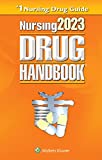
Nursing Drug Handbook
Nursing2023 Drug Handbook delivers evidence-based, nursing-focused drug monographs for nearly 3700 generic, brand-name, and combination drugs. With a tabbed, alphabetical organization and a “New Drugs” section, NDH2023 makes it easy to check drug facts on the spot.
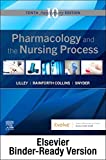
Pharmacology and the Nursing Process
The 10th edition of Pharmacology and the Nursing Process offers practical, user-friendly pharmacology information. The photo atlas contains over 100 unique illustrations and photographs depicting drug administration techniques. Updated drug content reflects the most recent FDA drug approvals, withdrawals, and therapeutic uses.
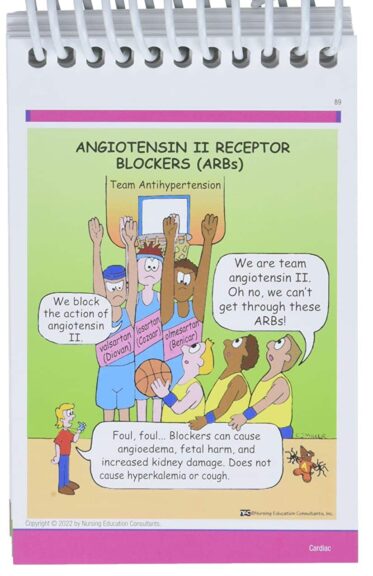
Mosby’s Pharmacology Memory NoteCards: Visual, Mnemonic, and Memory Aids for Nurses
The 6th edition of Mosby’s Pharmacology Memory NoteCards: Visual, Mnemonic, & Memory Aids for Nurses incorporates illustrations and humor to make studying easier and more enjoyable. This unique pharmacology review can be utilized as a spiral-bound notebook or as individual flashcards, making it ideal for mobile study.
See Also
Here are other nursing pharmacology study guides:
- Nursing Pharmacology – Study Guide for Nurses
Our collection of topics related to nursing pharmacology - Pharmacology Nursing Mnemonics & Tips
These nursing mnemonics aim to simplify the concepts of pharmacology through the use of a simple, concise guide. - Generic Drug Name Stems Cheat Sheet
Learn about these generic drug name stems to help you make sense of drugs easier! - Common Drugs and Their Antidotes
A guide to drug antidotes that nurses should be familiar about. - IV Fluids and Solutions Guide & Cheat Sheet
Get to know the different types of intravenous solutions or IV fluids in this guide and cheat sheet. - Drug Dosage Calculations NCLEX Practice Questions (100+ Items)
Care to take the challenge? This quiz aims to help students and registered nurses alike grasp and master the concepts of medication calculation.
We have a pill for that…
Drug Guides NEW!
Individual drug guides and nursing considerations for the most common medications used in nursing pharmacology:
- Acetaminophen (Tylenol)
- Aspirin
- Atorvastatin (Lipitor)
- Enoxaparin (Lovenox)
- Furosemide (Lasix)
- Gabapentin
- Hydromorphone (Dilaudid)
- Lisinopril
- Metoprolol
- Morphine
Gastrointestinal System Drugs
Respiratory System Drugs
- Antihistamines
- Bronchodilators and Antiasthmatics
- Decongestants
- Expectorants and Mucolytics
- Inhaled Steroids
- Lung Surfactants
Endocrine System Drugs
- Adrenocortical Agents
- Antidiabetic Agents
- Glucose-Elevating Agents
- Hypothalamic Agents
- Insulin
- Parathyroid Agents: Bisphosphonates, Calcitonins
- Pituitary Drugs
- Sulfonylureas
- Thyroid Agents
Autonomic Nervous System Drugs
- Adrenergic Agonists (Sympathomimetics)
- Adrenergic Antagonists (Sympatholytics)
- Anticholinergics (Parasympatholytics)
- Cholinergic Agonists (Parasympathomimetics)
Immune System Drugs
Chemotherapeutic Agents
- Anthelmintics
- Anti-Infective Drugs
- Antibiotics
- Antifungals
- Antineoplastic Agents
- Antiprotozoal Drugs
- Antiviral Drugs
Reproductive System Drugs
Nervous System Drugs
- Antidepressants
- Antiparkinsonism Drugs
- Antiseizure Drugs
- Anxiolytics and Hypnotic Drugs
- General and Local Anesthetics
- Muscle Relaxants
- Narcotics, Narcotic Agonists, and Antimigraine Agents
- Neuromuscular Junction Blocking Agents
- Psychotherapeutic Drugs
Cardiovascular System Drugs
References and Sources
References and sources for this pharmacology guide for Antibiotics:
- Karch, A. M., & Karch. (2011). Focus on nursing pharmacology. Wolters Kluwer Health/Lippincott Williams & Wilkins. [Link]
- Katzung, B. G. (2017). Basic and clinical pharmacology. McGraw-Hill Education.
- Lehne, R. A., Moore, L. A., Crosby, L. J., & Hamilton, D. B. (2004). Pharmacology for nursing care.
- Smeltzer, S. C., & Bare, B. G. (1992). Brunner & Suddarth’s textbook of medical-surgical nursing. Philadelphia: JB Lippincott.





![Furosemide Nursing Considerations and Patient Teaching [Drug Guide]](https://nurseslabs.com/wp-content/uploads/2023/07/Furosemide-160x120.jpg)

![Lisinopril Nursing Considerations and Patient Teaching [Drug Guide]](https://nurseslabs.com/wp-content/uploads/2023/03/Lisinopril-160x120.jpg)




Leave a Comment