Vital Signs: Pulse

Assessing pulse rate is a fundamental component of vital sign monitoring and provides valuable information about a patient’s cardiovascular health. The pulse reflects the heart’s ability to pump blood effectively through the arteries and can indicate changes in heart rate, rhythm, and strength. Accurate pulse assessment is essential for detecting abnormalities such as tachycardia, bradycardia, … Read more

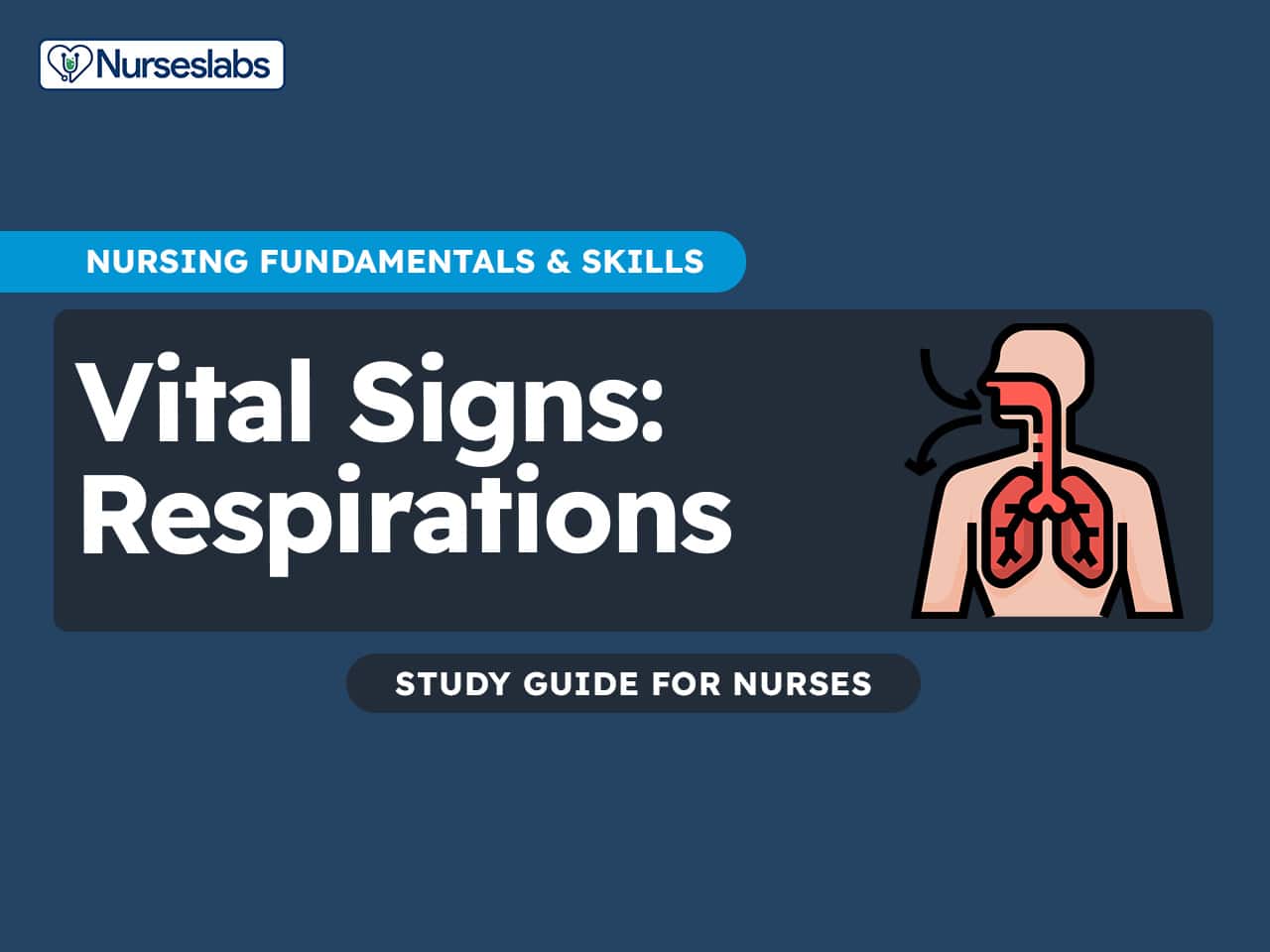
Vital Signs: Respirations

Respirations - Nursing Notes Study Guides

Monitoring respirations and respiratory rate is an essential part of evaluating a patient’s cardiopulmonary function. Respiration reflects how effectively the body exchanges oxygen and carbon dioxide, and deviations from normal patterns can signal underlying respiratory, cardiac, or neurological issues. Because breathing is primarily an involuntary process, careful observation is necessary to avoid alerting the patient … Read more

Guide to Nursing Bridge Programs in the United States

Nursing bridge programs offer a fast-track route for healthcare professionals who want to climb the career ladder without repeating coursework they already mastered. By awarding credit for hands-on experience, these pathways let a licensed practical nurse vault to registered-nurse status—or an associate-prepared RN earn a bachelor’s or even a master’s—often in half the time of … Read more

Occupational Health Nurse Career Guide: How to Become an OHN

Imagine a nursing career with more regular hours, a focus on prevention, and the opportunity to keep entire workplaces healthy. That’s the appeal of becoming an Occupational Health Nurse (OHN). These specialized nurses (also known as employee health nurses) work with companies to prevent injuries and illness, manage workplace safety programs, and care for employees. … Read more