Psychotherapeutic Drugs
Study guide for psychotherapeutic agents: antipsychotics, neuroleptics, antimanic, and CNS stimulants. A simplified nursing pharmacology study guide.

Study guide for psychotherapeutic agents: antipsychotics, neuroleptics, antimanic, and CNS stimulants. A simplified nursing pharmacology study guide.

Newborn reflexes are involuntary, automatic movements or responses exhibited by infants shortly after birth, triggered by specific stimuli. These innate reflexes are typically temporary, gradually diminishing as the baby’s nervous system matures, making them essential components of nursing assessments in early neonatal care.
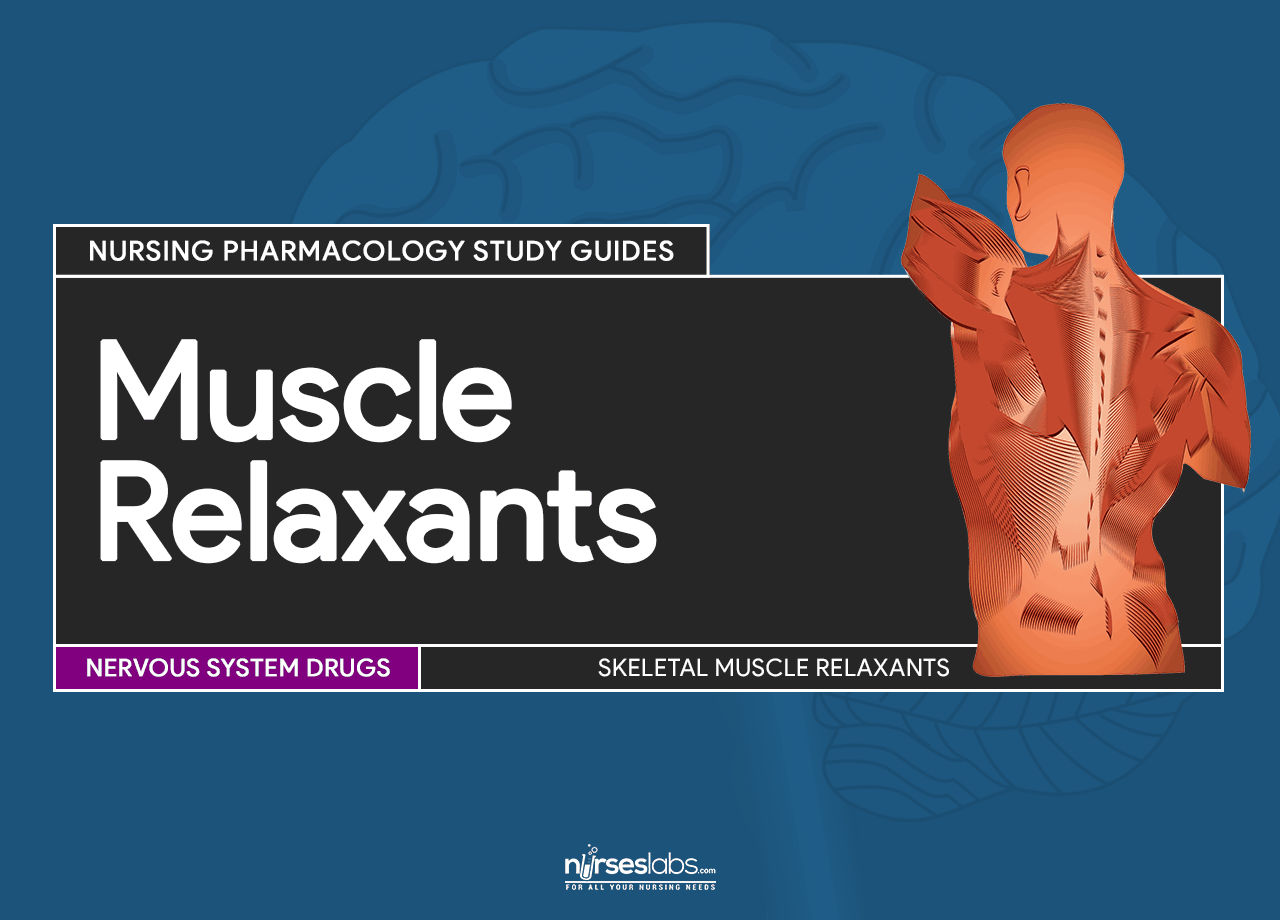
Skeletal muscle relaxants are agents that can treat both temporary and permanent neuronal damage. They do this by interfering with the pain and spasm cycle.

Here are five hard life truths that take a while to understand but nurses know too well.
Antidepressants are used to alter the concentration of neurotransmitters in the brain that is responsible for the depressed affect (feelings in response to the environment, whether positive and pleasant or negative and unpleasant).
Narcotics and antimigraine agents provide treatment for acute or chronic severe pain

If you haven’t realized a nurse’s importance yet, then here are five reasons why you should be thanking them now.
Abortion is a medical term for the disruption of a pregnancy before the fetus reaches its viable age of more than 20 to 24 weeks of gestation or weighs at least 500g.
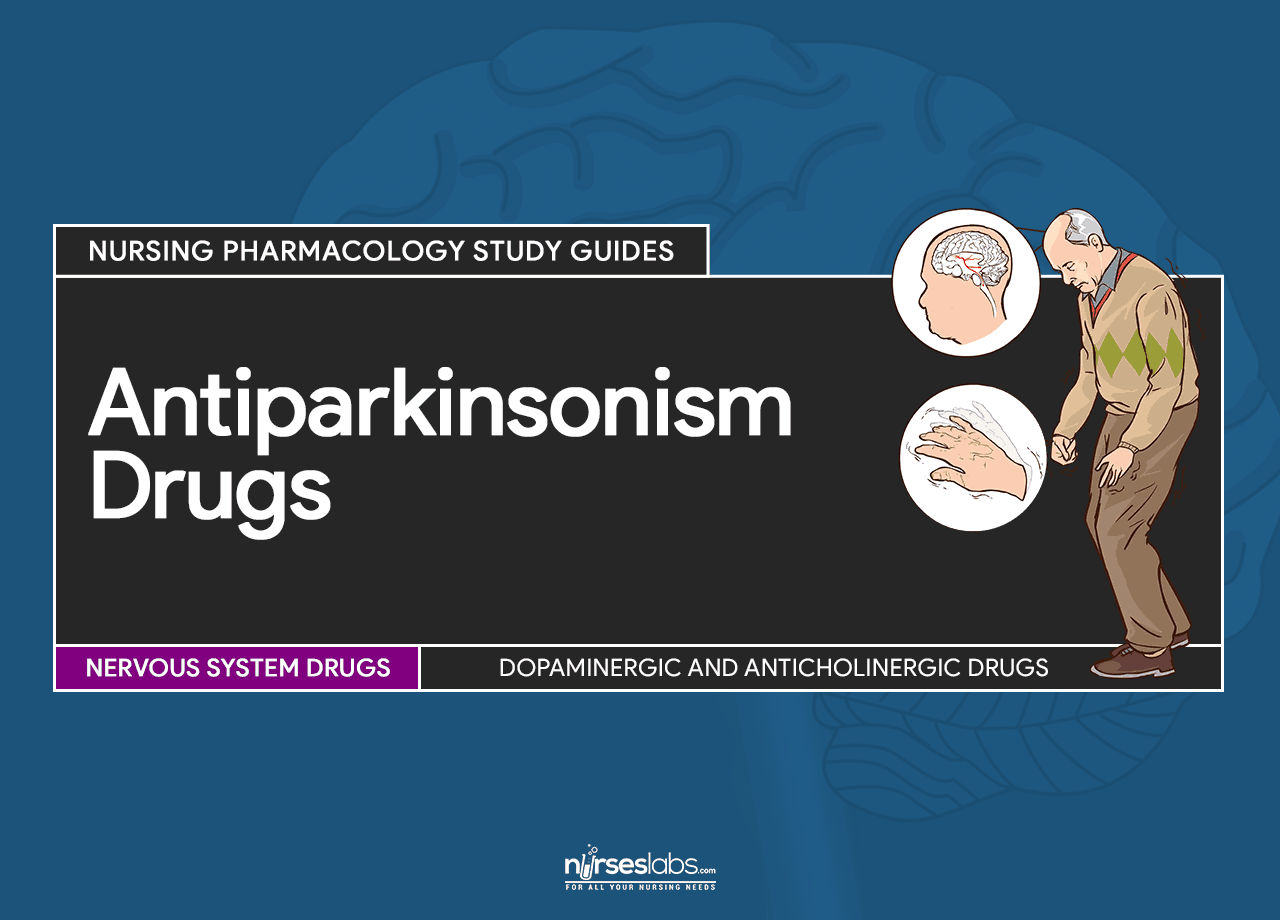
Nurse pharmacology study guide for antiparkinsonism agents: dopaminergic agents (levodopa, amantadine) and anticholinergic agents.
Learn about antiseizure drugs (antiepileptics, anticonvulsants) including hydratoins, barbiturates, benzodiazepines, succinimides and more.
Nurseslabs.com is your trusted resource and lifestyle site for both student and registered nurses. Our mission is to empower the nursing profession by inspiring future nurses, guiding students, and supporting working nurses, thereby uplifting the community and advancing healthcare for all.
Copyright © 2026 Nurseslabs.com
Ut in Omnibus Glorificetur Deus!