Care of the Newborn

This nursing note explains the key components of newborn care, including assessment (Agpar scoring, respiratory and physical examination), feeding, hygiene, and promoting bonding between parents and their newborns.

This nursing note explains the key components of newborn care, including assessment (Agpar scoring, respiratory and physical examination), feeding, hygiene, and promoting bonding between parents and their newborns.
Breastfeeding refers to the act of providing breast milk as the primary source of nutrition and nourishment to an infant directly from the mother’s breast. This natural process involves the baby latching onto the mother’s nipple and suckling, allowing the baby to receive essential nutrients, antibodies, and immune factors present in breast milk.
This nursing note aims to explore the world of newborn development, focusing on expected milestones in different areas including physical, cognitive, social, and emotional aspects.

Contraceptives, also known as birth control methods, are a class of medical interventions or devices used to prevent or decrease the likelihood of pregnancy. These methods work by interfering with the process of conception, either by preventing the release of an egg (ovulation), blocking the fertilization of an egg by sperm, or creating a hostile environment for the implantation of a fertilized egg in the uterus.

Subfertility refers to a condition in which individuals or couples experience difficulty conceiving a child, despite regular and unprotected sexual intercourse, for an extended period (typically one year or more).

What would the nurse do during the first prenatal visit and the succeeding ones? Learn the assessment needed for this important step in providing care to the pregnant woman.
This nursing note explains and discusses postpartum care and the different changes women experience after childbirth, including physiological adjustments, emotional fluctuations, and the challenges of transitioning into motherhood.

In the realm of maternal care, understanding and monitoring fetal development and fetal growth are paramount for ensuring the well-being of both the mother and the developing baby.
Pregnancy induced hypertension (PIH) is a condition wherein vasospasm occurs during pregnancy in both the small and large arteries in the body.
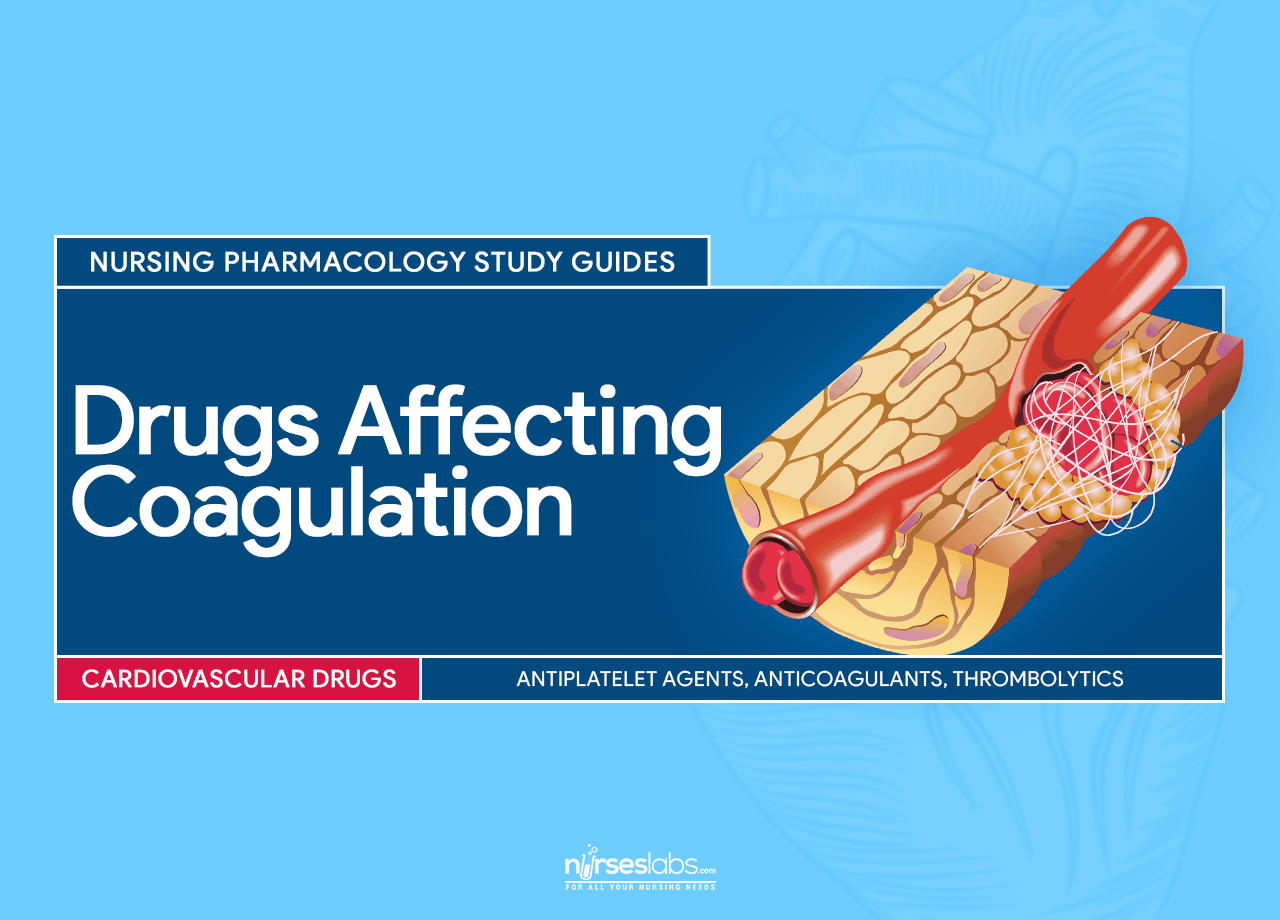
Simplified study guide for nursing pharmacology which includes antiplatelet drugs, anticoagulants, thrombolytic agents, anticoagulant adjunctive therapy and more.
Nurseslabs.com is your trusted resource and lifestyle site for both student and registered nurses. Our mission is to empower the nursing profession by inspiring future nurses, guiding students, and supporting working nurses, thereby uplifting the community and advancing healthcare for all.
Copyright © 2026 Nurseslabs.com
Ut in Omnibus Glorificetur Deus!