

Social media, for better or worse, is now woven into the fabric of modern life, and nursing is no exception. Nurses and nursing students today connect on platforms like Facebook, X (Twitter), Instagram, TikTok, and various blogs and forums. Used wisely, social media can be a powerful tool for education, professional networking, patient outreach, and advocacy. However, missteps online can carry serious consequences for patient privacy, professional reputation, and even one’s nursing license. This guide provides a comprehensive look at the benefits of social media in nursing, the pitfalls to avoid, official guidelines from nursing organizations, and practical dos and don’ts for responsible use.
Positive Uses of Social Media in Nursing
When used thoughtfully, social media can meaningfully enhance many aspects of nursing practice. The International Council of Nurses (ICN) notes that social media has significant potential to strengthen the nursing profession and supports its use by nurses to stay informed, enrich practice, and engage with communities. Here are some key benefits and opportunities for nurses and student nurses.
Nursing Education
For today’s tech-savvy students, social media is a natural extension of the classroom. Instructors share tutorials, quizzes, and resources through platforms like Facebook, Twitter, and YouTube, often using them to support “flipped classroom” models where class time focuses on deeper discussion.
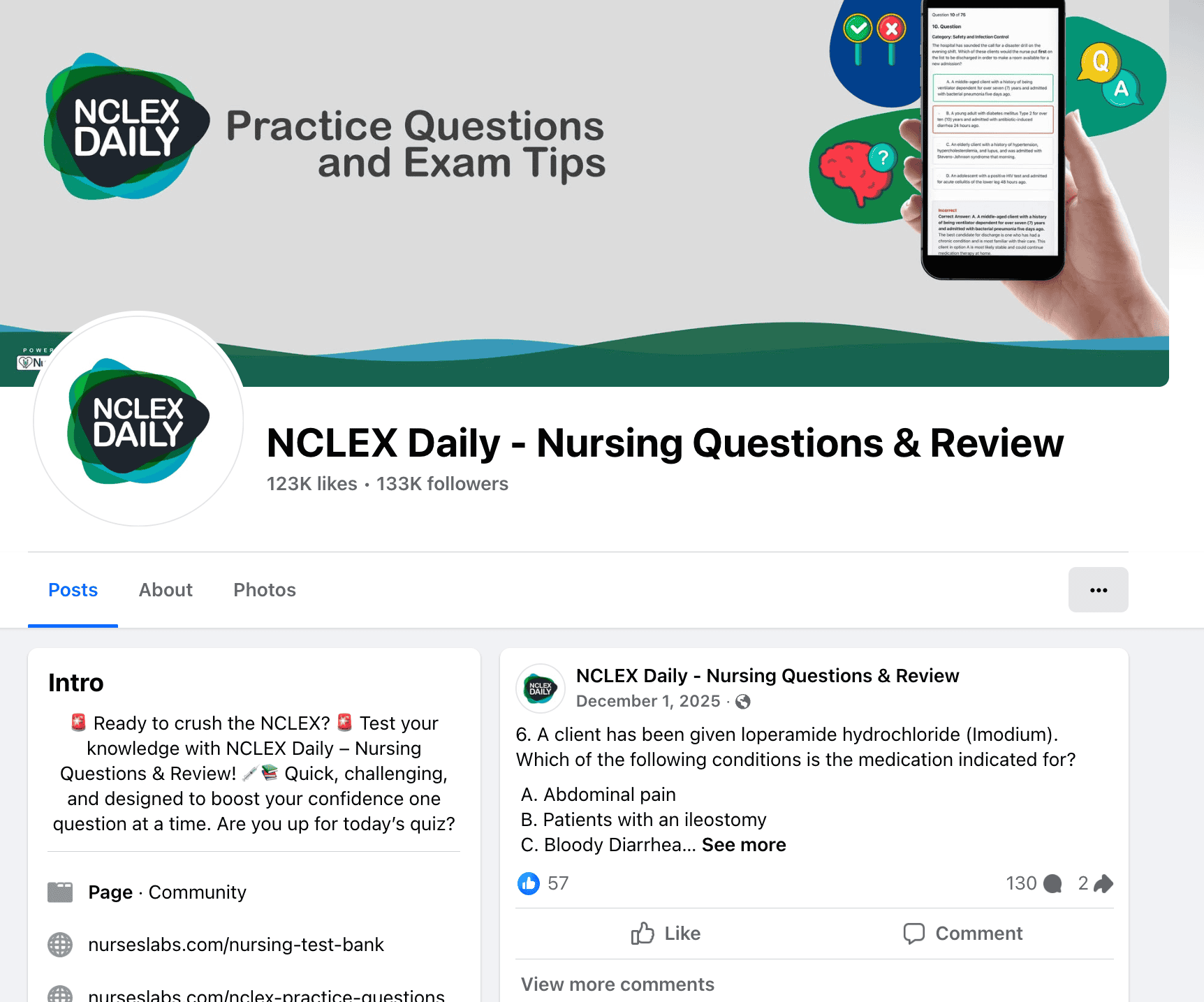
Outside of class, students form online study groups through Messenger, WhatsApp, or Discord, making it easy to quiz each other, clarify concepts, and share resources in real time. These platforms transform learning into something collaborative and engaging, helping students take ownership of their education in a familiar environment.
Professional Networking & Support
Nurses around the world connect through online forums and groups on Facebook, LinkedIn, Reddit, and other platforms. These spaces allow quick sharing of evidence-based practices, job opportunities, and advice.
They also provide much-needed encouragement and solidarity, whether through meaningful discussions or even lighthearted nursing memes. A well-known example is Show Me Your Stethoscope (SMYS), a Facebook group that grew to more than 600,000 members, proving how social media can foster advocacy and a sense of global community among nurses.
Nursing Management & Collaboration
Leaders are increasingly turning to private Facebook groups, Slack channels, and other platforms to streamline communication and collaboration within nursing teams. These spaces serve as hubs for updates, schedules, and reminders, while features like polls give staff a voice in decision-making.
They are also excellent for building morale. Recognitions such as a “Nurse of the Week” spotlight or sharing patient compliments help foster appreciation and unity. This interactive approach improves job satisfaction, strengthens retention, and enhances an organization’s reputation as a supportive, forward-thinking workplace, qualities that also attract new nursing talent.
Patient Education and Community Outreach
Nurses are increasingly using social media to extend education and support beyond the hospital, helping patients access reliable health information and community connections. Through platforms like Facebook, YouTube, and Twitter, nurse educators share wellness tips, explain conditions in simple terms, and debunk common myths.
Some organizations also run private groups for patients with shared conditions, such as new mothers, cancer survivors, or individuals with diabetes. Nurses moderate these spaces, offering reliable information and guidance while fostering peer-to-peer support. This blend of professional input and community connection empowers patients, encourages healthier behaviors, and improves outcomes.
Telehealth and Remote Monitoring
Nurses are also using digital tools to connect with patients after discharge and between clinic visits. Secure messaging apps, patient portals, and virtual office hours allow for quick check-ins on wound care, medication adherence, or non-urgent questions.
Some health apps even include social features, for example, platforms that let adolescent diabetics share progress with peers and alert care teams to concerning trends. These approaches make care more interactive, improve adherence, and reduce preventable readmissions by catching problems early.
Advocacy and Public Health Campaigns
Nurses have always been strong advocates for patients and healthcare reform, and social media now amplifies that role on a global scale. Platforms like Twitter, Facebook, and Instagram allow individual nurses and professional groups to rally support for critical issues in real time.
During the COVID-19 pandemic, for example, the #GetMePPE campaign highlighted urgent equipment shortages and spurred action from policymakers. Similar campaigns have drawn attention to workplace violence in healthcare, mental health awareness, and safe staffing ratios. By uniting under hashtags and sharing authentic frontline stories, nurses can shape public opinion, influence legislation, and extend their advocacy far beyond the bedside, reaching thousands, including journalists and lawmakers, with just a smartphone.
Bottom line
Social media, when used responsibly, offers nurses powerful opportunities to share knowledge, support patients and colleagues, streamline communication, and advocate for healthcare improvements. These tools can strengthen the profession and extend nursing influence well beyond clinical settings. At the same time, they come with serious risks if misused, ranging from breaches of privacy to professional consequences. Nurses benefit most by embracing social media’s advantages while staying mindful of the pitfalls to avoid.
Pitfalls of Social Media: What Nurses Should Never Do
Real-world cautionary tales abound. Nurses have been disciplined, terminated, or publicly shamed due to social media posts that violated privacy or professionalism. What might seem like an innocent share or joke can violate patient confidentiality, erode public trust, or reflect poorly on your employer and the nursing profession. Here are some of the most critical social media pitfalls in nursing, illustrated by examples:
Breaching Patient Confidentiality or Privacy
Sharing patient details on social media is the ultimate violation for nurses. Laws like HIPAA strictly forbid posting any information, photos, or videos that could identify a patient, even indirectly.
The consequences are severe. In 2025, a nurse live-streamed on TikTok, and a patient’s name was overheard; she was fired and investigated by the Board of Nursing. In another case, four nursing students posed with a placenta in a lab photo; the post was deleted within hours, but all were expelled for unprofessional conduct.
Even vague comments like “Tough shift, lost a young patient today” can reveal enough for others to identify someone. Once online, content can be screenshot, shared, and never entirely erased.
Both the ICN and the American Nurses Association remind nurses: protect patient privacy online as fiercely as you do at the bedside. When in doubt, leave it out.
Tarnishing the Reputation of Employers or Colleagues
Social media is never the place to vent about your workplace or coworkers. Negative posts about your hospital, managers, or colleagues can damage trust, violate policy, and even end your career.
A Canadian nurse was fined $26,000 for criticizing the care her grandfather received online, which was deemed professional misconduct. In Georgia, four labor and delivery nurses were fired after posting a TikTok mocking patients’ questions. The video went viral, sparking outrage and leaving a lasting stain on their records.
The message is clear: what may feel like harmless venting can destroy reputations, cost jobs, and attract national attention. Keep grievances off social media and address concerns through proper professional channels.
Eroding Workplace Trust and Team Morale
Even “private” posts can damage relationships at work. Nurses are often connected on social media, so a complaint about coworkers or an inappropriate workplace selfie can quickly spread and create tension.
For example, posting “the day shift never does their job” may reach the very colleagues you rely on for patient handoffs and teamwork. Such remarks erode respect, fuel gossip, and weaken collaboration.
Remember, if you wouldn’t say it in a staff meeting, don’t post it online. Keep concerns within professional channels, where they can be addressed constructively. No social media rant is worth losing your team’s trust.
Damaging Your Professional Image
Nurses are among the most trusted professionals, and your online presence reflects directly on that trust. Employers often review social media profiles, and unprofessional posts such as party photos, profanity, or offensive jokes can harm your career.
In one case, two pediatric nurses were fired after posting a TikTok joking about injured children; the backlash made national news and ended their jobs. Even if your posts don’t go viral, remember that patients may find your profile, and disrespectful or risky content can damage their trust in you.
Adjust privacy settings and never post anything you wouldn’t want your boss, coworkers, or patients to see. Your online image is part of your professional reputation, and you should protect it.
Blurring Professional Boundaries with Patients
The nurse–patient relationship must remain professional, both in person and online. Friending or following patients on personal social media can blur professional boundaries, lead to requests for off-duty advice, or expose private details you shouldn’t know.
Regulatory bodies like the NMC and ICN advise against connecting with patients or their families on personal accounts. Even with good intentions, these relationships can appear inappropriate and may lead to disciplinary action.
Politely decline friend requests and explain that you keep your personal and professional lives separate. If you want to engage patients online, do so only through official hospital or education pages, not your private profile.
Underestimating the Speed and Permanence of Social Media
One careless post can spread faster than you think. Sarcastic jokes, workplace complaints, or “private” videos can go viral in minutes, and even deleted posts may live on through screenshots.
Nurses have faced investigations and job loss over posts they thought were harmless or only seen by friends. As Nancy Spector of the NCSBN says: “Nothing can be deleted.”
Before posting, pause and ask: “Would I be comfortable if this were shared widely with my patients, employer, or regulators?” If not, don’t post. Think twice, your words online can have lasting consequences.
In summary, nurses and nursing students should not fear social media, but we absolutely must avoid these pitfalls. By learning from others’ mistakes, we can protect ourselves and our patients. The core values of nursing – confidentiality, professionalism, respect, and integrity apply online just as they do in the clinical setting.
Official Guidelines for Nurses on Social Media
Professional nursing organizations and regulatory bodies have published clear guidelines to help nurses navigate social media. Despite being issued by different organizations, these guidelines all echo the same fundamental principle: nurses must uphold the same standards of ethics and professionalism online as in any other context. If it’s something you shouldn’t do or say in a hospital hallway or a patient chart, then you shouldn’t do it on Facebook or Twitter either. Here is a brief overview of recommendations from Major Nursing Organizations:
American Nurses Association (ANA)
The American Nurses Association (ANA) stresses that nurses must use social media responsibly, always protecting patients, colleagues, and the nursing profession. Their Principles for Social Networking can be summarized into a few rules.
- Know your audience and maintain professionalism. Anything posted online reflects not only on you but also on the nursing profession.
- Follow your workplace’s policy. Always be aware of your organization’s rules on social media use.
- Assume all content is public. Privacy settings help, but nothing online is ever completely private.
- Never post patient information. This includes names, photos, videos, or any details that could identify a patient, even in private or “closed” groups.
- If sharing patient stories, get consent and de-identify. Change details to remove identifying information.
- Protect the image of nursing. Avoid posts that portray the profession poorly or undermine public trust.
- Report violations. If you see colleagues breaching confidentiality or professionalism, use proper reporting channels.
The ANA even provides a “Social Networking Tip Card” with clear dos and don’ts to guide daily use. While it warns strongly against risks, the ANA also encourages nurses to use social media positively, for education, advocacy, and peer support. Above all, the message is clear: always think before you post, because what you share online can either strengthen or harm your career and the reputation of the profession.
National Council of State Boards of Nursing (NCSBN)
The NCSBN developed A Nurse’s Guide to the Use of Social Media, now widely taught in nursing schools, to help nurses understand both the risks and benefits of online platforms. The central message is clear: confidentiality is non-negotiable. Even posts that seem harmless or anonymous can violate patient privacy. For example, a nurse who posted about a patient’s condition (without naming the patient) still faced disciplinary action because the details allowed others to identify the patient.
The guide makes an important point: intent does not excuse a breach. Well-meaning posts, such as asking for prayers for a patient, can still violate ethical and legal standards. As Nancy Spector of the NCSBN noted, many nurses underestimate how far-reaching social media can be. For this reason, NCSBN advises nurses to familiarize themselves with their state board’s social media policies, since many boards now classify inappropriate online behavior as unprofessional conduct that could jeopardize a nursing license.
The NCSBN also acknowledges the positive side of social media and encourages nurses to use it constructively: e.g., sharing general nursing knowledge, advocating for health issues, or encouraging each other (all in compliance with privacy rules). Many nursing schools now include social media scenarios in ethics training to help new nurses avoid pitfalls.
International Council of Nurses (ICN)
The International Council of Nurses (ICN) recognizes that social media can enrich nursing practice when used responsibly. Still, it also stresses the need for careful attention to professional, legal, and ethical standards. Key principles from the ICN include
- Separate personal and professional use. Keep your private accounts distinct from professional interactions.
- Protect privacy at all times. Patient information must never be shared, and therapeutic boundaries should not be crossed, for example, by “friending” or following patients online.
- Remember that posts are permanent. Even deleted posts or those under a pseudonym can be traced, shared, or screenshot, making them effectively public.
- Uphold nursing’s global image. Content shared online, even from personal accounts, should avoid reinforcing stereotypes or portraying the profession negatively.
- Shared responsibility. Employers and nursing schools should create policies and educational programs to promote safe, professional use of social media.
The ICN emphasizes that responsible social media use is both an individual and organizational duty. Nurses should leverage these platforms to educate, advocate, and connect with professionalism, respect, and awareness, always mindful that every post contributes to the image of nursing worldwide.
Nursing and Midwifery Council (NMC – UK)
The Nursing and Midwifery Council (NMC) grounds its social media guidance in the professional Code of Conduct, which highlights trust, professionalism, and public confidence. The NMC warns that improper use of social media can put a nurse’s registration at risk, making it essential to apply the same standards of professionalism online as in practice. Key guidelines from the NMC include
- Protect confidentiality. Never share patient information online, even unintentionally.
- Maintain professionalism. Avoid inappropriate or derogatory comments about patients, colleagues, or employers.
- Respect boundaries. Do not accept Facebook or social media friend requests from current or former patients.
- Be cautious with privacy settings. Content can still become public, no matter how secure your account appears.
- Respond professionally to online challenges. Correct health misinformation calmly, report or block abuse, and escalate concerns to your employer or the platform if needed.
The NMC has taken disciplinary action against nurses for breaching confidentiality or professionalism online, in some cases even reaching national headlines. These examples reinforce that online conduct directly impacts your professional standing.
10 Social Media Tips for Nurses and Nursing Students
To conclude, here are ten key dos and don’ts to help you navigate social media as a nursing professional. Think of this as your quick-reference checklist for responsible online conduct:
Protect Patient Privacy
Never share any information, images, or anecdotes that could identify a patient. When it comes to patient details, the only safe post is no post at all. Even if you mean well (e.g., asking for prayers), disclosing clinical information without authorization is a breach of trust and possibly the law. As the ICN puts it, maintain confidentiality and do not discuss patients or their families on social media.
Think Before Posting About Work
Avoid using social media as a platform to vent about a bad day, criticize coworkers, or complain about your hospital. Those comments can reflect poorly on you and may get back to your employer. Instead, address issues through proper channels. Remember, you are an ambassador of your profession; strive to uphold a positive image of nursing in what you post.
Separate Personal and Professional
It’s wise to keep your personal social media accounts distinct from any professional presence. Avoid friending patients (current or former) on your pages. Consider using strict privacy settings or an alias for personal profiles, and don’t mix work-related content into them. If you blog or tweet as a nurse, use professional discretion on those platforms and keep your personal life largely offline.
Privacy Isn’t Guaranteed
By all means, set your profiles to private/friends only and curate your followers. But never rely on privacy settings as a guarantee. Content can be screen-captured and shared. Operate under the assumption that your boss, patients, or the Board of Nursing could see anything you post. This mindset will keep you out of trouble.
Be Respectful and Professional
Avoid any posts that contain vulgar language, slurs, personal attacks, or discriminatory remarks. Also, steer clear of inappropriate humor that others might misconstrue. The ANA advises nurses to engage only with respectful content and not share anything disparaging, racist, homophobic, or otherwise offensive. Civility is key – if you wouldn’t say it at the nursing station or to someone’s face, don’t say it online.
No Clinical Photos or Videos
It should go without saying, but don’t take pictures or videos of patients, their records, or clinical activities on your personal devices. Even a photo of an empty treatment room or a specimen (like that infamous placenta incident) is off-limits without explicit permission. You can be proud of your work without broadcasting visual details of it. When in doubt, don’t pull the phone out! Hospitals often have strict no-photography rules to protect privacy.
Know Your Workplace and School Policies
If you’re a nursing student or employed by a healthcare facility, chances are there’s a social media policy you’re expected to follow. Read it. It may have specific guidance, like not mentioning the organization by name or prohibiting any photos in uniform. If you violate your employer’s policy, it’s often grounds for disciplinary action or termination. Don’t find out the hard way; be informed and compliant from the start.
Avoid Giving Specific Medical Advice Online.
While it’s fine to share general health education or direct people to resources, be careful about engaging in what could be construed as medical advice with individuals on social media. Without a proper provider-patient relationship and privacy safeguards, you risk overstepping or liability. If someone asks a medical question in a public forum, it’s usually best to suggest they consult their healthcare provider. Remember your professional boundaries.
Report Serious Misconduct
Ethically, nurses must report serious misconduct, and that extends to online behavior. If a fellow nursing student or coworker posts a blatant patient privacy breach or something that violates the Code of Conduct, you should not just ignore it. Depending on the situation, you might privately remind them of the guidelines and urge them to delete the post, and/or report it to a supervisor if patients or the public are at risk. This isn’t tattling; it’s protecting patients and the profession. Of course, use discretion; not every minor gripe warrants reporting, but egregious violations do.
Use Social Media Positively
Finally, don’t forget that social media can be an excellent tool in your nursing life. Use it to uplift and educate. Connect with mentors and thought leaders who inspire you. Share an interesting article on evidence-based practice, post a shout-out to a colleague’s achievement, or spread the word about a public health initiative. By contributing positively, you help counteract the negatives. Always make sure that, in doing so, you follow all the rules above. You can be a voice for nursing online, professional, compassionate, and informative, and that ultimately elevates the entire profession’s image.
Conclusion
Social media is here to stay, and for today’s nurses, the question is not if we engage with it, but how we do so responsibly. The examples discussed show that while social media can lead nurses into trouble when misused, it also holds tremendous opportunities when used correctly. The key is always to remember that as nurses, we are held to high standards of ethics and professionalism, whether in person or on pixels.
At the same time, we should not be afraid to embrace the benefits of social media. As we’ve seen, nurses are using these platforms to learn, to bond with peers, to educate the public, and to advocate for better healthcare. These are fantastic developments that are advancing the profession in the 21st century. You can be a part of that positive wave. Always keep your nursing values in mind as you tweet, post, or comment.
In the end, successful use of social media in nursing comes down to one word: professionalism. Carry your professionalism with you into the virtual world, just as you do on the clinical floor, and you’ll be able to enjoy social media’s advantages without falling into its traps. Stay safe online, support each other, and keep making nursing proud, both offline and online!
Updated November 2026 with current guidance on responsible social media use for nurses.


Leave a Comment