


A quick peek at a celebrity patient’s chart. A photo of a funny moment on the unit. A coworker discussing a patient in the elevator. None of these feel like a big deal in the moment, but each can be a HIPAA violation that costs a nurse their job, and in some cases their license.
This guide explains what HIPAA means for nurses, what counts as protected health information, the most common ways nurses violate privacy, how social media fits in, and what to do if you make a mistake. It replaces our shorter article on common HIPAA violations.
Key Takeaways
- HIPAA protects patients’ identifiable health information in any form: spoken, written, or electronic.
- Nurses may access and share information only as needed for their job, following the minimum necessary rule.
- Common violations include snooping in charts, careless conversations, social media posts, and unsecured devices.
- Posting about patients online, even without names, can identify them and violate privacy.
- Report breaches promptly. Hiding a mistake makes the consequences worse.
What Is HIPAA?
The Health Insurance Portability and Accountability Act (HIPAA) is a U.S. federal law. Its Privacy Rule sets national standards for protecting individuals’ health information, and its Security Rule covers electronic health information.
HIPAA applies to covered entities such as hospitals, clinics, and health plans, and their workforce, which includes nurses and nursing students. Other countries have similar laws, and nursing codes of ethics require confidentiality everywhere.
What Counts as Protected Health Information (PHI)?
Protected health information is any health information that can identify a patient. Examples include:
- Names, addresses, birth dates, and phone numbers
- Medical record numbers and insurance information
- Diagnoses, test results, medications, and treatment details
- Photos of the patient or anything that shows identifying features
- Room numbers combined with other details
- Unique stories that could let someone recognize the patient
Remember that PHI includes conversations, not just charts. Talking about a patient where others can hear is a privacy risk.
The Minimum Necessary Rule
Nurses should access, use, and share only the minimum information needed to do their job. You may read your assigned patient’s chart, but not your neighbor’s, your coworker’s, or a patient on another unit out of curiosity.
Access to electronic records is usually tracked. Hospitals regularly audit who opened which charts, and unauthorized access is one of the most common reasons nurses are disciplined for privacy violations.
Common HIPAA Violations by Nurses
These are the mistakes that come up most often:
- Snooping: looking up charts of family, friends, coworkers, celebrities, or yourself without authorization.
- Careless conversations: discussing patients in hallways, elevators, cafeterias, or at home.
- Social media posts: sharing stories, photos, or complaints about patients, even without names.
- Unsecured information: leaving report sheets in public areas, screens unlocked, or charts open.
- Texting or emailing PHI through unapproved personal apps.
- Sharing with the wrong people: giving updates to callers or visitors without verifying they are authorized.
- Lost devices: losing phones, laptops, or USB drives that contain patient data.
Social Media and Patient Privacy
Social media is one of the fastest ways nurses get into trouble. A post does not need a name to violate privacy. Details like the diagnosis, unit, age, or a unique event can identify a patient, especially in small communities.
- Never post photos taken at work that show patients, charts, or screens.
- Do not complain about specific patients, even vaguely.
- Do not accept friend requests from patients. See professional boundaries in nursing.
- Remember that private groups and deleted posts can still be shared or screenshotted.
- Follow your employer’s social media policy and your board of nursing’s guidance.
Sharing Information With Families
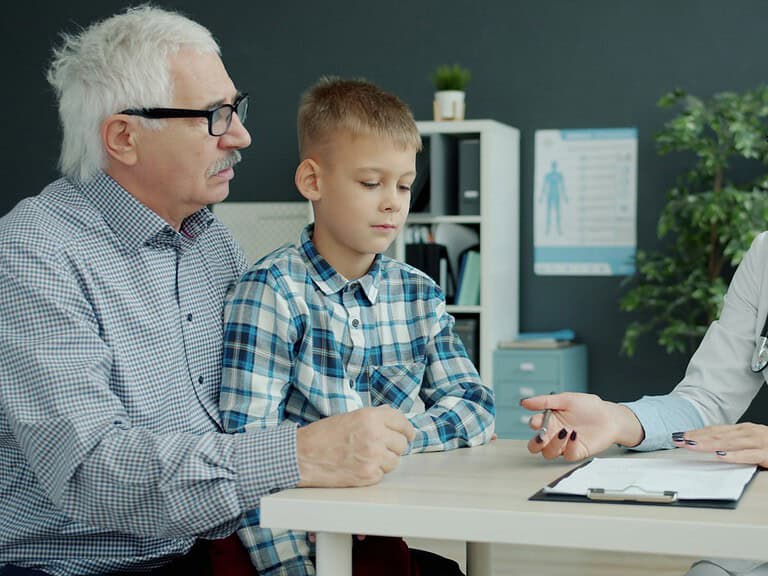
Families often want updates, and patients often want them to have information. HIPAA allows sharing with family members involved in the patient’s care when the patient agrees or does not object, or when sharing is in the patient’s best interest and the patient cannot respond.
Best practices include asking the patient who they want informed, using a password or code for phone updates, and documenting the patient’s preferences. When unsure, check with your charge nurse.
Consequences of Privacy Violations
Consequences depend on the type of violation and whether it was intentional.
- Employer discipline, including termination
- Board of nursing action against your license
- Civil fines for the organization
- Criminal penalties for knowingly obtaining or disclosing PHI, especially for personal gain
Patients can also lose trust in the whole care team, which is harder to measure but just as real.
What to Do If You Make a Mistake
If you realize you sent information to the wrong person, accessed the wrong chart, or lost a device, report it right away to your supervisor or privacy officer. Early reporting allows the organization to limit harm and meet legal reporting requirements. Honesty here is part of veracity in nursing.
Quick Privacy Checklist for Every Shift
Build these habits into your routine:
- Lock or log off your workstation every time you step away.
- Keep report sheets on you and shred them at the end of the shift.
- Lower your voice and use private spaces for sensitive conversations.
- Verify identity before sharing information by phone.
- Use only approved devices and apps for patient information.
- Access only the charts you need for your assignment.
Frequently Asked Questions
Quick answers to common questions about HIPAA in nursing.
HIPAA is a U.S. federal law that protects patients’ identifiable health information. Nurses must keep that information private and share it only as needed for care.
Policies vary. Many facilities require you to request your records through the official process rather than accessing them yourself through the EHR.
It can be. Other details may identify the patient, and posting about patients violates professional standards even without a name.
Consequences can include termination, board of nursing action, and in serious cases civil or criminal penalties.
Yes, when the patient agrees or does not object, or when it is in the patient’s best interest and they cannot respond.
References and Sources


 {% endif %}
Leave a Comment