

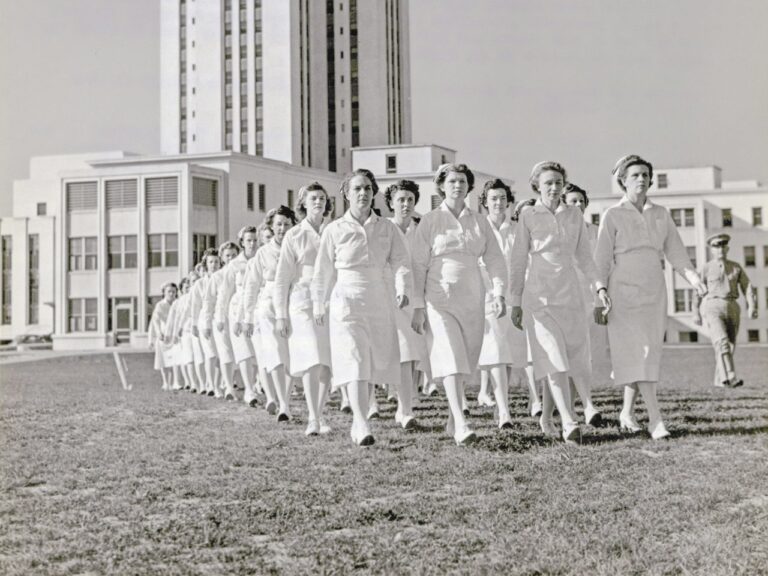
Nursing did not start as a respected profession. For most of history, caring for the sick was done by family members, religious orders, or untrained workers. In about 150 years, it became a licensed, science-based profession with its own schools, research, and leaders.
This timeline walks through the key moments and the nurses behind them, from Florence Nightingale in the 1850s to the pandemic years. Each era links to our full profiles, so you can go deeper into any story that catches your interest.
The Nightingale Era (1820 to 1870)
Modern nursing begins with one woman who refused the life her family planned for her and a war that exposed how badly the sick were cared for.
| Year | Milestone | Read more |
|---|---|---|
| 1820 | Florence Nightingale is born in Florence, Italy | Nightingale biography |
| 1851 | Nightingale trains for about three months at Kaiserswerth, Germany | Nightingale biography |
| 1854 | Nightingale and 38 nurses arrive at the military hospital at Scutari during the Crimean War | Florence Nightingale |
| 1855 | Jamaican-born nurse Mary Seacole opens her British Hotel near Balaclava to care for soldiers | Coming soon |
| 1859 | Nightingale publishes Notes on Nursing | Environmental theory |
| 1860 | The Nightingale Training School for Nurses opens at St Thomas’ Hospital, London | Florence Nightingale |
Nursing Spreads Around the World (1870s to 1900)
Nightingale-style training schools spread to other countries, and nurses began pushing for formal recognition of their work.
| Year | Milestone | Read more |
|---|---|---|
| 1873 | Bellevue Hospital in New York opens one of the first US training schools for nurses | Coming soon |
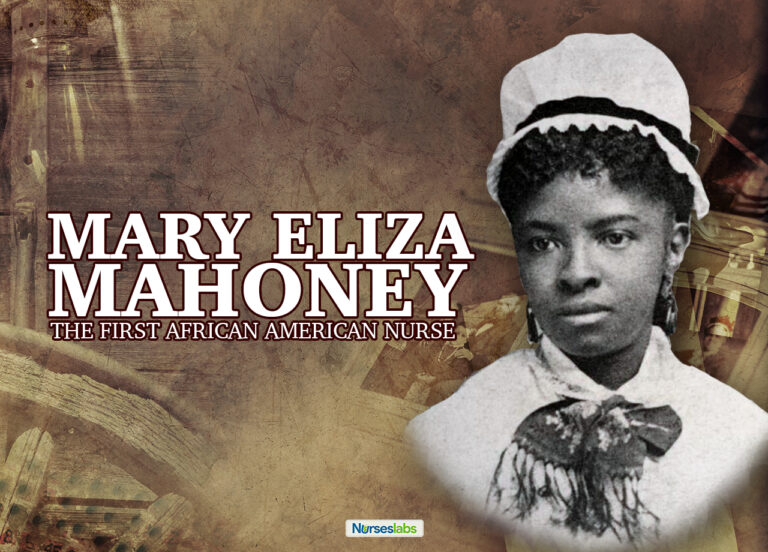
| 1879 | Mary Eliza Mahoney graduates from the New England Hospital for Women and Children, becoming the first African American professionally trained nurse in the United States | Mary Eliza Mahoney |
| 1881 | Clara Barton founds the American Red Cross and becomes its first president | Coming soon |
| 1891 | Cape Colony in South Africa introduces the first state registration of nurses in the British Empire, a cause championed by Henrietta Stockdale | Henrietta Stockdale |
| 1893 | Lillian Wald founds the Henry Street Settlement in New York, laying the groundwork for public health nursing | Coming soon |
| 1893 | The Nightingale Pledge is written by Lystra Gretter and a committee in Detroit | Florence Nightingale |
Sacrifice, Registration, and a Pandemic (1900 to 1919)
The early 1900s tested nurses in research, war, and disease, while they fought for professional standards at home.
| Year | Milestone | Read more |
|---|---|---|
| 1901 | Army contract nurse Clara Maass dies after volunteering for yellow fever experiments in Cuba | Clara Maass |
| Early 1900s | Men are largely excluded from nursing schools and military nursing | Men in nursing in the 1900s |
| 1908 | Martha Minerva Franklin founds the National Association of Colored Graduate Nurses | Coming soon |
| 1915 | British nurse Edith Cavell is executed in occupied Belgium for helping Allied soldiers escape | Coming soon |
| 1918 | Nurses care for patients through the deadliest influenza pandemic in modern history | Nursing during the 1918 pandemic |
| 1919 | The UK passes the Nurses Registration Act, and Ethel Gordon Fenwick becomes the first nurse on the register | Ethel Gordon Fenwick |
World War II to the 1970s
War pushed nurses into extraordinary danger, and the decades that followed opened doors that had long been closed.
| Year | Milestone | Read more |
|---|---|---|
| 1942 | Australian Army nurse Vivian Bullwinkel survives the Bangka Island massacre in which her fellow nurses were killed | Vivian Bullwinkel |
| 1942 to 1943 | Polish social worker Irena Sendler, often pictured in a nurse’s uniform, helps smuggle Jewish children out of the Warsaw Ghetto | Irena Sendler |
| 1955 | Edward L.T. Lyon becomes the first man commissioned in the US Army Nurse Corps | Men in nursing |
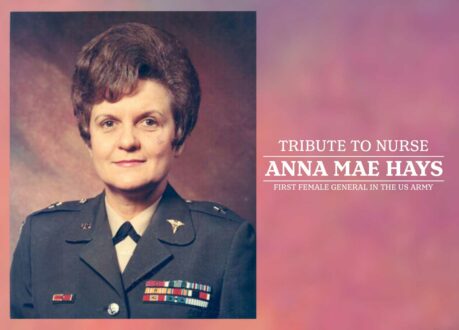
| 1970 | Army Nurse Corps chief Anna Mae Hays becomes the first woman general officer in the US armed forces | Anna Mae Hays |
| 1970s | Hospital nursing changes fast with new technology, intensive care units, and expanding roles | Hospital nursing in the 1970s |
Modern Nursing (1980s to Today)
Recent decades brought new challenges in disasters, patient safety, and a global pandemic, along with wider recognition of what nurses do.
| Year | Milestone | Read more |
|---|---|---|
| 2005 | Nurses at Memorial Medical Center in New Orleans face impossible choices after Hurricane Katrina | Hurricane Katrina at Memorial |
| 2011 | The story of nurse Kimberly Hiatt draws attention to the second victim experience after medical errors | Kimberly Hiatt |
| 2020 | The World Health Organization names 2020 the International Year of the Nurse and the Midwife, marking 200 years since Nightingale’s birth | Coming soon |
| 2020s | Nurses lead care through the COVID-19 pandemic, and men make up a growing share of the workforce | Men in nursing |
Famous Nurses in History
Want the full stories? Start with these profiles from our Nursing History collection.
- Florence Nightingale: the founder of modern nursing
- Mary Eliza Mahoney: the first African American professionally trained nurse in the US
- Ethel Gordon Fenwick: the leader of the fight for nurse registration in the UK
- Henrietta Stockdale: a pioneer of nurse registration in South Africa
- Clara Maass: the nurse who gave her life for yellow fever research
- Vivian Bullwinkel: survivor of the Bangka Island massacre
- Anna Mae Hays: the first woman general in the US armed forces
- Celebrities who were nurses: famous names who once worked in nursing
Why Nursing History Matters
Knowing where the profession came from helps nurses understand why practice looks the way it does today. Hand hygiene, nursing education, licensure, and evidence-based care all grew out of the struggles in this timeline. These stories also remind nurses that advocacy works: many of the rights and standards nurses rely on exist because earlier nurses fought for them.
Many of these nurses also faced barriers because of race, sex, or class, and their achievements were overlooked for years. Telling the full story, including figures like Mary Seacole and Mary Eliza Mahoney, gives a more accurate picture of who built the profession.
Frequently Asked Questions
Quick answers to common questions about nursing history.
Florence Nightingale is widely considered the founder of modern nursing. Her work during the Crimean War, her writing in Notes on Nursing, and the Nightingale Training School she opened in 1860 set the model for professional nursing education.
The first training schools based on Nightingale’s principles opened in the United States in 1873, including the school at Bellevue Hospital in New York.
Mary Eliza Mahoney became the first African American professionally trained nurse in the United States when she graduated in 1879.
Men were first commissioned in the US Army Nurse Corps in 1955. Edward L.T. Lyon was the first.
References and Sources

Leave a Comment