Pertussis (Whooping Cough)
Review this study guide and learn more about pertussis, its pathophysiology, stages, assessment findings, medical management, and nursing care management.

Review this study guide and learn more about pertussis, its pathophysiology, stages, assessment findings, medical management, and nursing care management.
This study guide describes the pathophysiology, nursing assessment, nursing care management and treatment of polio and addresses the vital role of nurses.

Dissociative disorders are a group of complex mental health conditions characterized by disruptions in a person’s identity, memory, consciousness, or perception of reality.
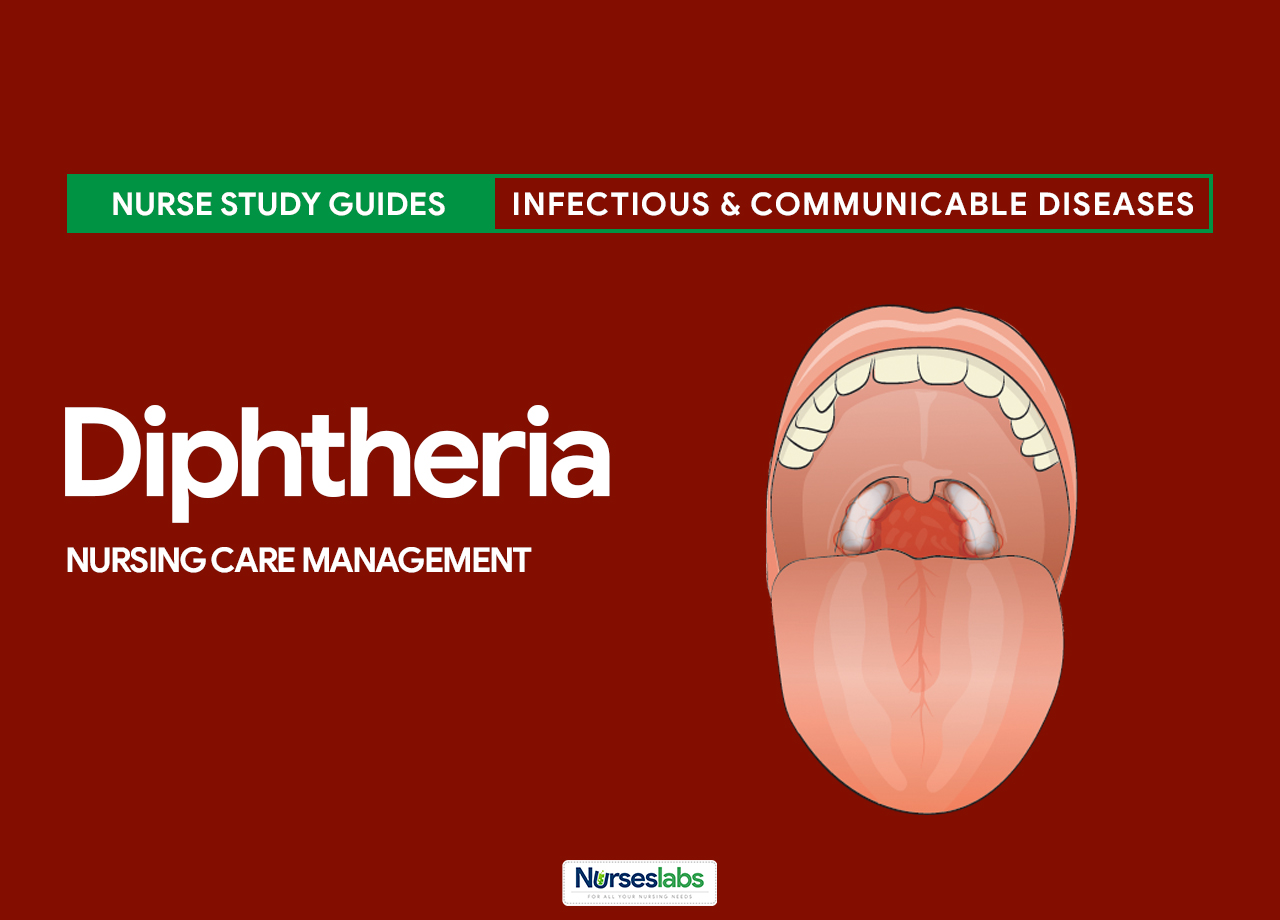
In this study guide, learn more about diptheria, its pathophysiology, causes, signs and symptoms, nursing care management, and interventions.
Disruptive, impulse control, and conduct disorders are a group of mental health conditions characterized by challenging behaviors, ranging from impulsivity and defiance to more severe conduct issues.
Attention Deficit Hyperactivity Disorder (ADHD), a disorder that is characterized by a persistent pattern of inattention and/or hyperactivity/impulsivity that interferes with functioning or development which often persists into adolescence and adulthood.
Many theories attempt to explain human behavior, health, and mental illness. Each theory suggests how normal development occurs based on the theorist’s beliefs. assumptions, and view of the world.
This is an overview of the history of mental illness, advances in treatment, current issues in mental health, and the role of the psychiatric nurse.

If you’re a manager wondering how to celebrate the Year of the Nurse with your staff, you’ve come to the right place. Here are nine ways to commemorate the Year of the Nurse:

Sexual disorders, also known as sexual dysfunctions, are a group of conditions that involve difficulties or disruptions in one or more aspects of sexual function, satisfaction, or pleasure.
Nurseslabs.com is your trusted resource and lifestyle site for both student and registered nurses. Our mission is to empower the nursing profession by inspiring future nurses, guiding students, and supporting working nurses, thereby uplifting the community and advancing healthcare for all.
Copyright © 2026 Nurseslabs.com
Ut in Omnibus Glorificetur Deus!