

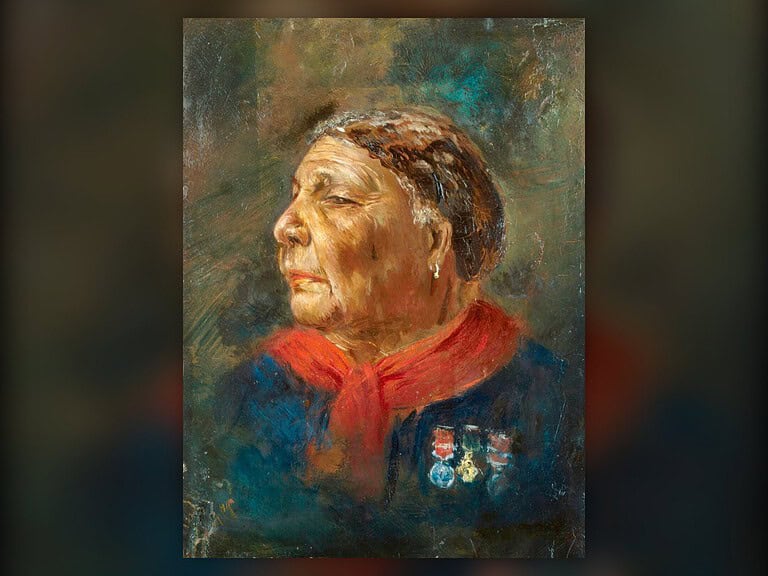
During the Crimean War, two women became famous for caring for British soldiers. One was Florence Nightingale. The other was Mary Seacole, a Jamaican-born healer and businesswoman who paid her own way to the front after the British government turned her down.
For more than a century her story was largely forgotten. Today she is celebrated as a pioneer of nursing and one of the most important Black women in British history. This profile covers her life, her work in the Crimea, and her legacy.
Mary Seacole at a Glance
- Born: 23 November 1805, Kingston, Jamaica
- Died: 14 May 1881, London, England, at age 75
- Known for: Caring for soldiers during the Crimean War from her British Hotel near Balaclava
- Training: Learned healing and nursing from her mother, a Jamaican healer
- Memoir: Wonderful Adventures of Mrs. Seacole in Many Lands (1857)
- Honors: Jamaican Order of Merit (1990) and a statue at St Thomas’ Hospital, London (2016)
Early Life and a Healer’s Training
Mary Seacole was born Mary Jane Grant in Kingston, Jamaica. Her father was a Scottish army officer, and her mother was a respected Creole healer, known as a doctress, who ran a boarding house called Blundell Hall. Many of the guests were sick or injured soldiers and officers.
Mary learned herbal remedies and practical nursing by helping her mother care for them. In 1836 she married Edwin Seacole. He died in 1844, the same year her mother died, and Mary took over the boarding house.
Fighting Cholera in Jamaica and Panama
When cholera struck Jamaica in 1850, Seacole treated many patients. In 1851 she traveled to Cruces, in Panama, where she ran a business serving travelers heading to the California gold fields. When cholera broke out there, she treated the sick and caught the disease herself, gaining experience that few doctors of the time had.
Turned Away From the Crimea
When the Crimean War began, Seacole traveled to London and offered her services as a nurse. She applied to the War Office and other groups organizing help for the army, including the nurses being sent out with Florence Nightingale, but she was turned down each time. In her memoir she wondered whether prejudice against her skin color played a part.
The British Hotel at Balaclava
Refusing to give up, Seacole went to the Crimea at her own expense with a business partner, Thomas Day. On her way she briefly visited the hospital at Scutari, where Nightingale was working. In 1855 she opened the British Hotel near Balaclava, a store and canteen that sold food, drinks, and supplies to officers.
She used her income to support her work with the troops. She brought food, drinks, and medicines to soldiers near the front lines and cared for the sick and wounded, earning the nickname Mother Seacole. War correspondent William Howard Russell praised her in The Times.
After the War
The war ended suddenly in 1856, leaving Seacole with unsold stock and heavy debts, and she was declared bankrupt. Former soldiers and supporters rallied around her, holding a fundraising festival in her honor in 1857.
That same year she published Wonderful Adventures of Mrs. Seacole in Many Lands, the first autobiography published by a Black woman in Britain. She died in London in 1881 and was buried in Kensal Green Cemetery.
Rediscovery and Legacy
After her death Seacole was largely forgotten for about a century. Her grave was rediscovered in the 1970s, and interest in her story grew. Jamaica awarded her its Order of Merit in 1990, and in 2004 she was voted the greatest Black Briton in a public poll.
In 2016 a statue of Seacole was unveiled at St Thomas’ Hospital in London. Some supporters of Nightingale objected, pointing out that Seacole was not a formally trained nurse. Others see her as a pioneer who used real skill and courage to care for soldiers, and as a reminder that the history of nursing includes people who were long left out.
Explore More Nursing History
Seacole’s story is best understood alongside Florence Nightingale, whose work in the same war shaped modern nursing. See where both women fit in our nursing history timeline.
Frequently Asked Questions
Quick answers to common questions about Mary Seacole.
Mary Seacole was a Jamaican-born healer, nurse, and businesswoman who cared for British soldiers during the Crimean War. She ran the British Hotel near Balaclava and later wrote a popular memoir.
She did not attend a formal nursing school. She learned healing and nursing from her mother, a Jamaican healer, and gained experience treating cholera and caring for soldiers.
No. Seacole applied to join the nurses sent to the Crimea but was turned down. She briefly visited Nightingale’s hospital at Scutari but worked independently near the front.
Her story was rediscovered in the late 20th century. She is now celebrated as a pioneering nurse and one of the most important Black women in British history.

Leave a Comment