

Nursing has always been a mix of science, skill, and a little improvisation. Some of the things nurses did every day in the 1950s, 60s, and 70s, like shaking down mercury thermometers, smoking at the nurses station, or wrapping tourniquets around a struggling patient’s limbs, now sound like scenes from a period drama.
Each of these practices made sense at the time with the knowledge and tools available. As research piled up, many were quietly retired. And in a twist, a few very old ideas have made a comeback with modern science behind them. Here is a tour of 26 outdated hospital practices, followed by six old practices that are back in style.
Key Takeaways
- Many routine practices, like shaving before surgery and saline before suctioning, were dropped once research showed they caused harm or did not help.
- Infection control changed nursing the most, from reusable needles and bare hands to single-use equipment and standard precautions.
- Patient- and family-centered care replaced strict visiting hours and long weeks of bed rest.
- Some ancient remedies, including maggots, leeches, and honey, are back in sterile, evidence-based forms.
- Today’s routines may be tomorrow’s outdated practices, so checking practice against current evidence never stops.
26 Outdated Hospital Practices
These practices were once standard on hospital units. Some disappeared with new technology, others were proven harmful, and a few were simply better ways that came along.
1. Rotating Tourniquets for Pulmonary Edema
Picture a hospital room in the 1960s: a patient with heart failure is drowning in their own lung fluid, and the nurse is busy wrapping tourniquets around three of the patient’s four limbs. Every 15 minutes, one tourniquet came off and another went on, rotating clockwise like a very stressful game of musical chairs. The idea was to trap blood in the arms and legs so less of it reached the overloaded heart and lungs.
It sort of worked, but it was messy, painful, and risky. Tourniquets could damage nerves, cause clots, and cut off circulation if someone lost track of the rotation. Once fast-acting IV diuretics like furosemide, nitrates, and noninvasive ventilation arrived, rotating tourniquets quietly retired. Today a patient in acute pulmonary edema gets sitting upright, oxygen, diuretics, and close monitoring instead.
2. The Iron Lung
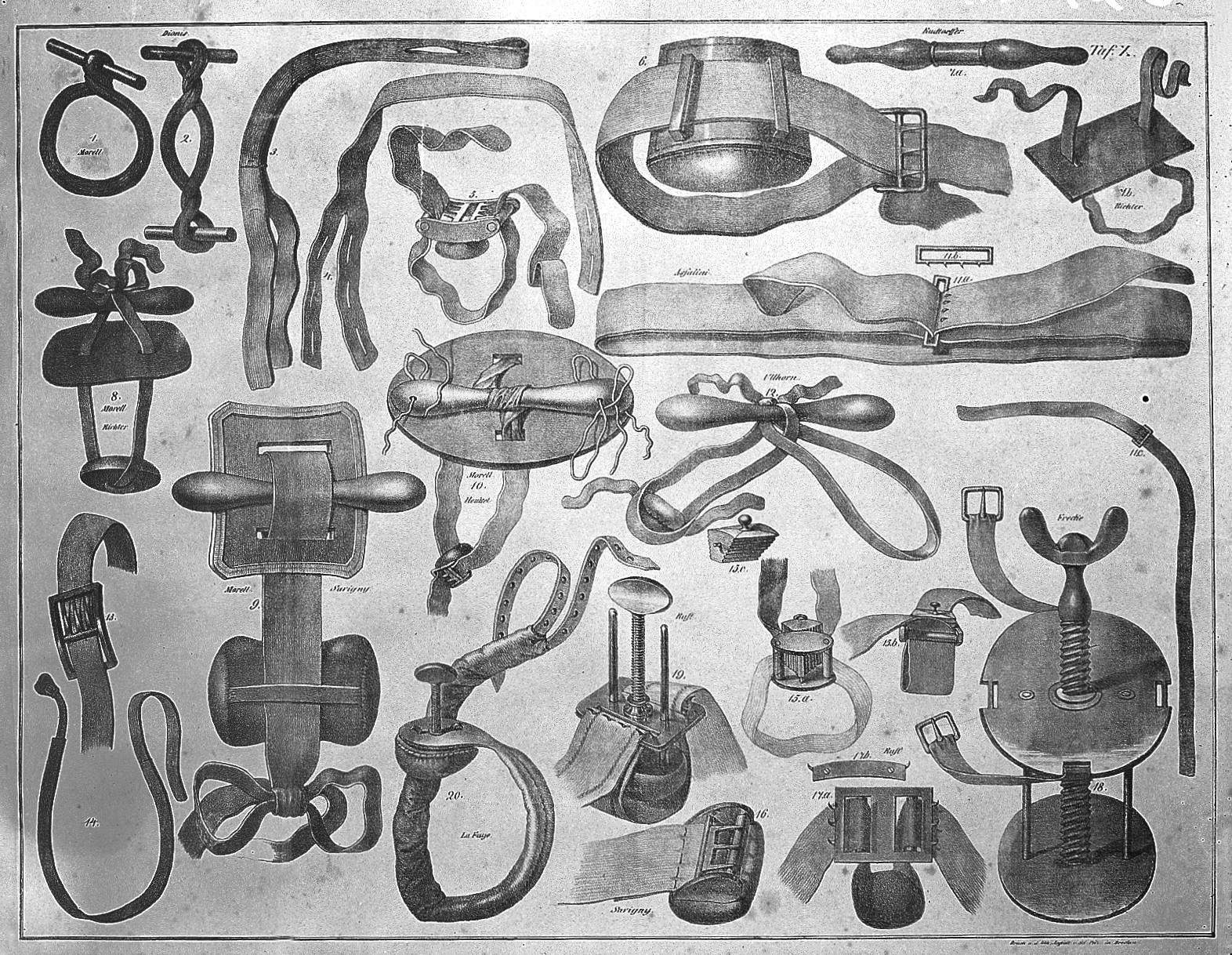
Before modern ventilators, polio patients whose breathing muscles failed were placed inside an iron lung, a giant metal tank that enclosed everything but the head. Pumps changed the air pressure inside the tank, pulling the chest outward so air rushed into the lungs. During the polio epidemics of the 1940s and 1950s, hospitals had entire wards filled with rows of these humming machines.
Nurses cared for patients through small portholes in the sides, which made bathing, turning, and even feeding a real feat. The polio vaccine and the rise of positive-pressure ventilators made iron lungs nearly extinct. Their legacy lives on, though: the need to manage so many patients in one place helped give birth to the modern intensive care unit.
3. Reusing Syringes and Urinary Catheters
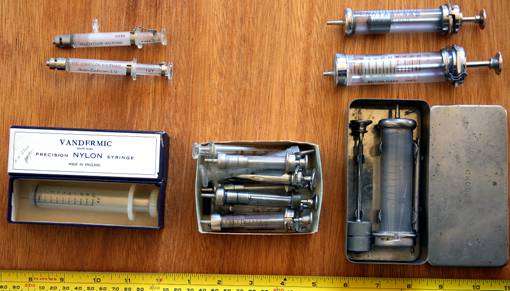
Glass syringes with metal plungers and reusable rubber catheters were once standard equipment. After each use, nurses scrubbed, boiled, or autoclaved them, sharpened dull needles on a whetstone, and checked catheters for cracks before the next patient. It was time-consuming work, and a needle that had been sharpened a few too many times could feel like a fishhook.
As scientists learned more about bloodborne infections like hepatitis B and HIV, the risks of reprocessing became impossible to ignore. Single-use plastic syringes and sterile disposable catheters became the norm, followed by safety-engineered needles that reduce needlestick injuries. Today, reusing a syringe on another patient is considered a serious breach of infection control.
4. Open-Flame Sterilization of Needles
Long before sterile, individually packaged needles, nurses would pass a needle through the flame of an alcohol lamp or Bunsen burner and call it clean. It looked dramatic and felt reassuring, a bit like a scene from a frontier medical drama. Some families still remember grandparents sterilizing a sewing needle with a match to remove a splinter.
The trouble is that a quick pass through a flame does not reliably kill all microorganisms, and it can leave soot on the metal. Autoclaves, which use pressurized steam, and factory-sterilized single-use needles replaced the flame. Hospitals now track sterilization with indicator strips and logs, a far cry from the flicker of a lamp.

5. No Gloves and Bare-Handed Care
It may be hard to imagine now, but for much of the 20th century, nurses changed dressings, emptied bedpans, and started IVs with bare hands. Gloves were mainly for the operating room. Handwashing between patients was encouraged, but nobody thought twice about touching blood without protection.
That changed in the 1980s when HIV and hepatitis B made the risks of bloodborne exposure painfully clear. In 1987, the CDC introduced universal precautions, treating all blood and certain body fluids as potentially infectious. These later evolved into the standard precautions nurses use today: gloves when touching blood or body fluids, hand hygiene before and after, and other protective equipment as needed.
6. Smoking in Hospitals
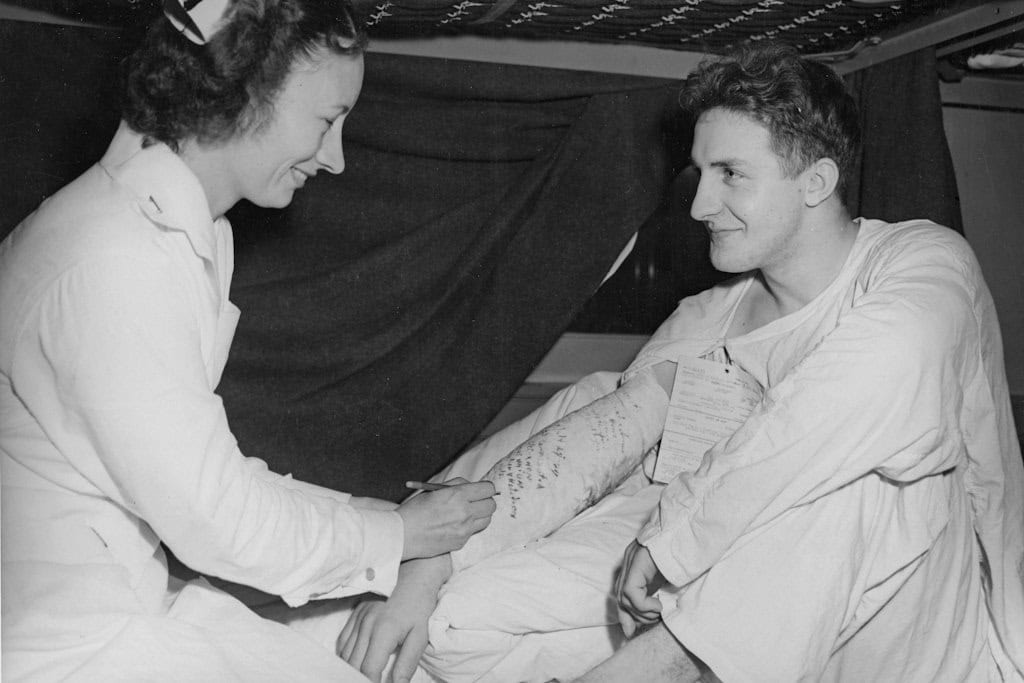
Yes, really. For decades, patients smoked in their hospital beds, doctors lit up during rounds, and nurses took cigarette breaks at the nurses station. Ashtrays sat on bedside tables, and some hospitals even sold cigarettes in their gift shops. Smoking was simply part of everyday life, and hospitals were no exception.
As the evidence linking smoking to cancer and heart disease piled up, hospitals faced an awkward contradiction. Smoking also posed fire risks near oxygen tanks. In 1992, the Joint Commission required accredited hospitals to ban smoking indoors, and many campuses are now completely smoke-free. Today, nurses are more likely to offer nicotine replacement therapy than a light.

7. Charting Everything on Paper
Not long ago, every assessment, medication, and nurse’s note was handwritten in thick paper charts that lived in metal binders at the nurses station. Nurses developed hand cramps, learned to read each other’s handwriting, and spent a surprising amount of time hunting for missing charts.
Paper charts had real safety problems: illegible orders, lost pages, and no automatic alerts for allergies or drug interactions. Electronic health records, barcode medication administration, and computerized provider order entry have largely replaced them. Charting is still a big part of nursing, it just happens on a screen now, with fewer guessing games about whether that scribble said 1 mg or 7 mg.

8. Manually Counting IV Drip Rates
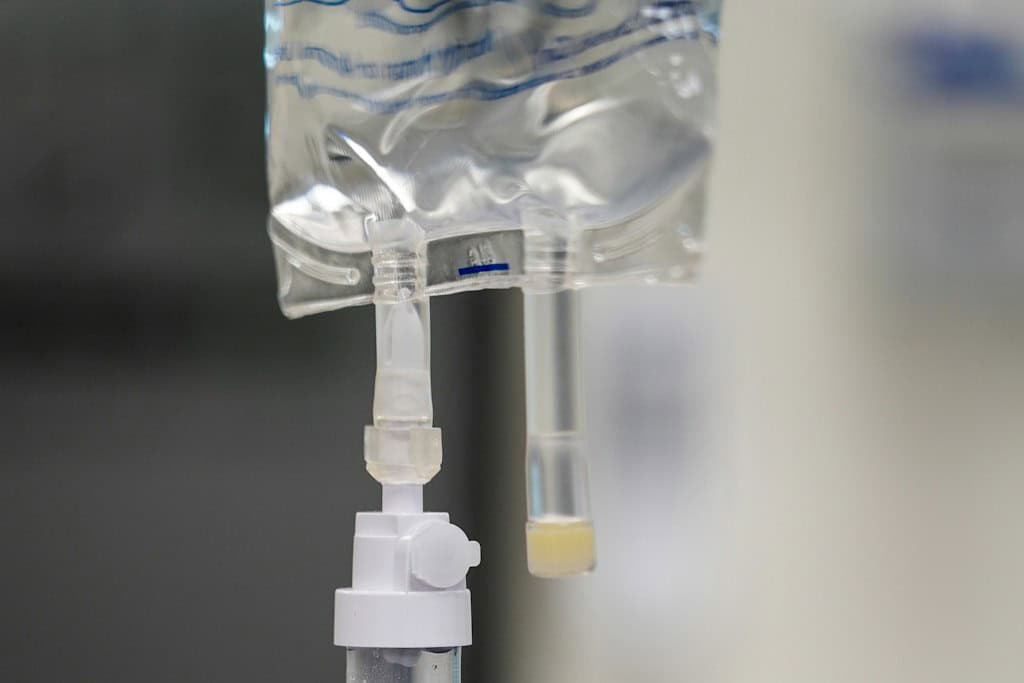
Before smart pumps, nurses calculated IV drip rates by hand and adjusted the roller clamp while staring at the drip chamber, counting drops against a watch. Get the math or the counting wrong, and a patient could receive too much or too little fluid or medication. Nurses learned the drop factor of every tubing set by heart.
Electronic infusion pumps, and later smart pumps with drug libraries and dose limits, took over most of this work. Gravity drips still exist, especially in low-resource settings and some emergency situations, so nurses still learn the formula in school. But counting drops for every infusion on a busy unit is, thankfully, mostly history.
9. Urine Testing for Sliding-Scale Insulin
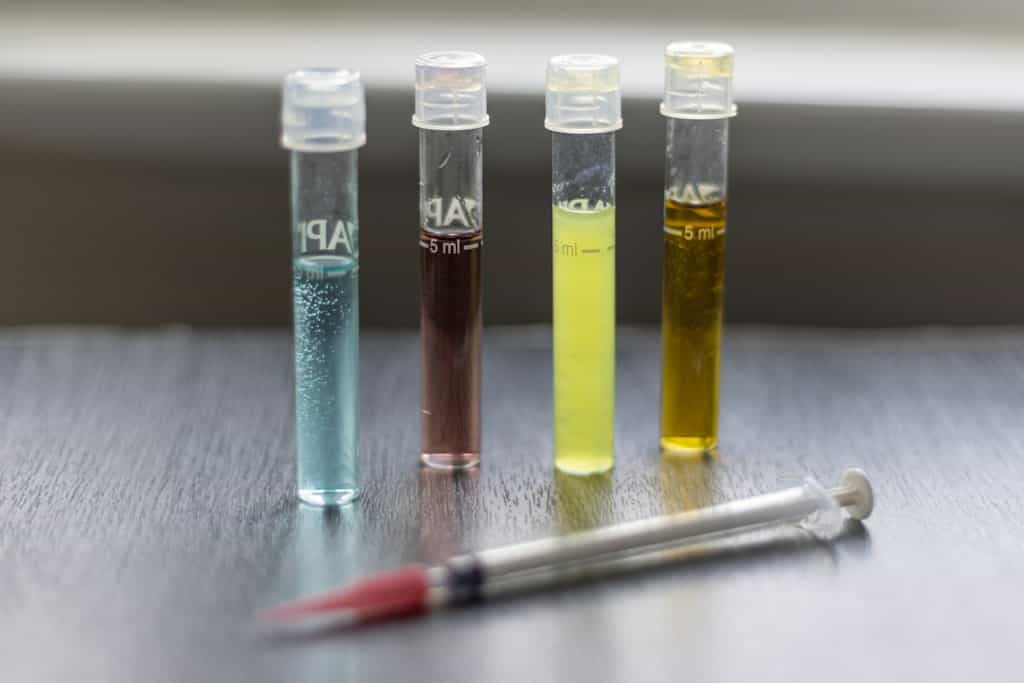
Before glucose meters, nurses checked urine sugar to decide insulin doses. Older methods involved tablets that changed color in a test tube, and later dipsticks did the job. The problem is that urine sugar shows what happened hours ago, not what the blood sugar is right now, and it misses low blood sugar entirely.
Bedside blood glucose meters gave nurses an accurate reading in seconds, and continuous glucose monitors are now common. Sliding-scale insulin alone is also falling out of favor in hospitals, replaced by basal-bolus insulin plans that prevent highs instead of just reacting to them. Urine dipsticks still have uses, like checking for ketones, but not for dosing insulin.
10. Palpating Blood Pressure Instead of Listening
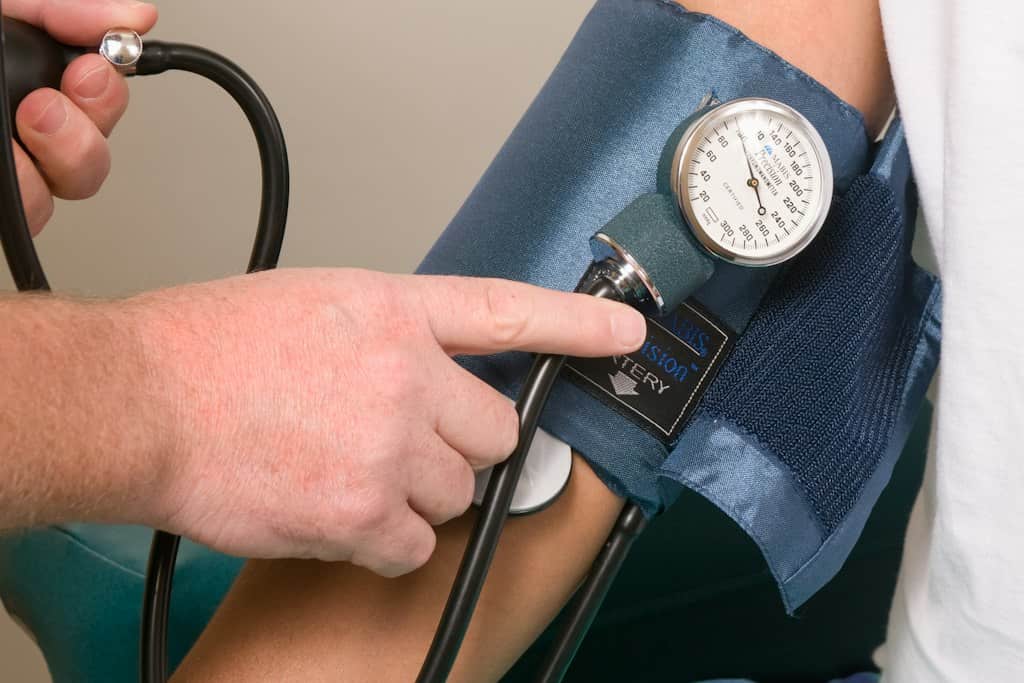
In the early days of blood pressure measurement, nurses found systolic pressure by feeling for the radial pulse as the cuff deflated, with no stethoscope involved. Auscultation with a stethoscope later became standard, and nurses spent years perfecting their ear for Korotkoff sounds.
Today, automated cuffs do most routine readings, so nurses press a button instead of pumping a bulb. Palpation has not vanished, though. It is still a backup when sounds are hard to hear, such as in shock or noisy settings, and it is a good way to estimate systolic pressure before inflating the cuff for a manual reading. Every nurse should still know how to take a manual blood pressure when the machine says error.
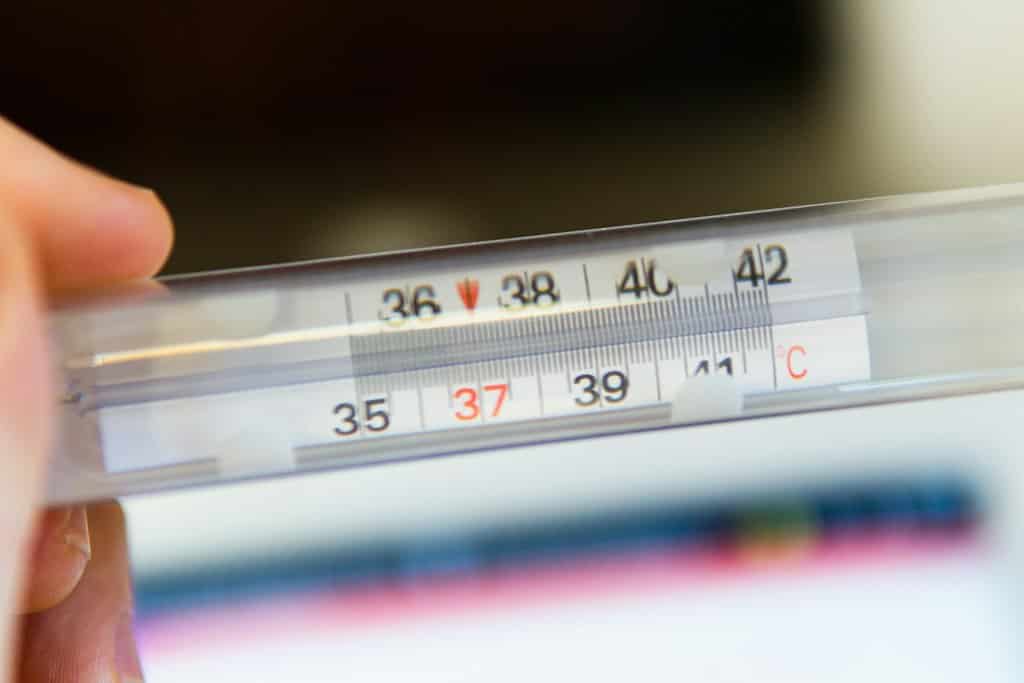
11. Shaking Down Mercury Thermometers
Generations of nurses carried glass mercury thermometers, shook them down with a sharp flick of the wrist, and waited several minutes for a reading. Breaking one meant a tiny silver puddle of toxic mercury on the floor and an awkward cleanup.
Because mercury is a neurotoxin and an environmental hazard, health agencies pushed to phase out mercury thermometers, and many places banned their sale. Digital, tympanic, temporal artery, and disposable thermometers replaced them, giving readings in seconds. The wrist flick lives on only in the muscle memory of nurses who trained before the 2000s.
12. Shaving Patients Before Surgery
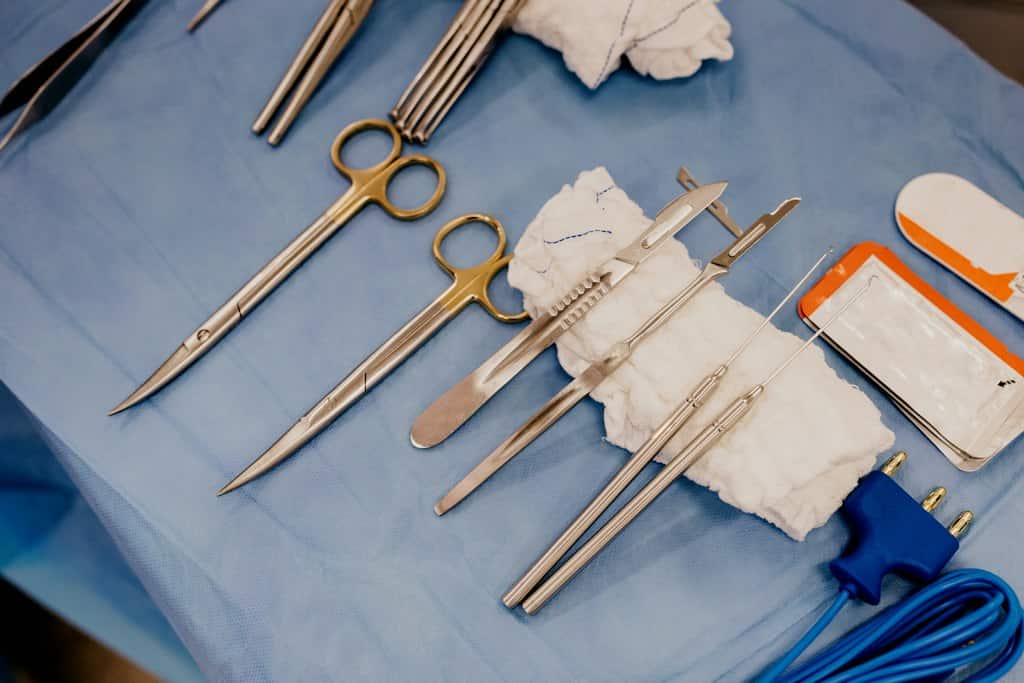
For decades, nurses shaved surgical sites the night before an operation, often with a razor and a little soap, sometimes covering large areas of the body. The thinking was that hair carried germs, so removing it would prevent infection.
Research showed the opposite: razors cause tiny nicks in the skin that let bacteria in, raising the risk of surgical site infections. Current guidelines say hair should not be removed unless it gets in the way of surgery, and if it must go, it should be removed with clippers right before the procedure. One small change, fewer infections.
13. Strict Bed Rest for Recovery
Once upon a time, patients recovering from heart attacks, surgery, or childbirth were kept in bed for weeks. Getting up too early was thought to strain the heart or reopen wounds, so nurses fed, bathed, and turned patients who were often well enough to walk to the bathroom.
Researchers found that prolonged bed rest causes more harm than good, including blood clots, pneumonia, muscle loss, pressure injuries, and slower recovery. Early mobilization is now standard after most surgeries and illnesses, sometimes on the same day. Nurses who once enforced bed rest now cheer patients down the hallway with walkers and IV poles in tow.
14. Rigid Visiting Hours and Keeping Families Away
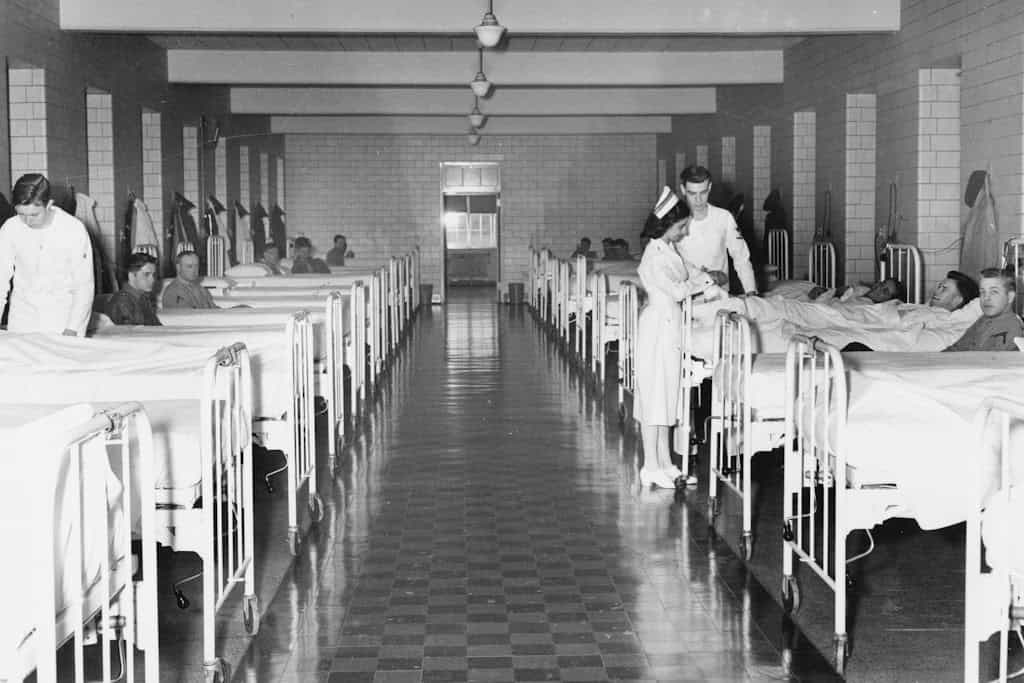
Strict visiting hours were once the rule, especially in intensive care units and children’s wards. Families could see patients for short, scheduled blocks, children were often not allowed to visit at all, and parents of hospitalized kids were sent home at night.
We now know families provide comfort, help spot changes in a patient’s condition, and support recovery. Many hospitals have moved to open or flexible visitation, and professional groups like the American Association of Critical-Care Nurses support family presence in the ICU. Families are treated as partners in care, joining rounds and helping with simple tasks.

15. Twilight Sleep and Obstetric Inhalers
In the early to mid-1900s, many women gave birth under twilight sleep, a mix of morphine and scopolamine that left them confused and with little memory of labor. Some were restrained in bed for hours. Later, self-administered inhalers with anesthetic gases like methoxyflurane and trichloroethylene were used for labor pain.
Twilight sleep fell out of favor as its risks to mothers and babies became clear, along with growing calls for women to be awake and in control during birth. Some older inhaled anesthetics were withdrawn because of kidney and liver toxicity. Modern options include epidurals, nitrous oxide, and nondrug comfort measures, with mothers fully involved in decisions.

16. Newborn Circumcision Without Pain Relief
For much of the 20th century, newborn circumcision was routine in many hospitals and was often done with little or no pain relief, based on the mistaken belief that newborns did not feel pain the way older children do.
Research overturned that idea, showing that newborns do feel and respond to pain. Today, when parents choose circumcision, pain relief such as a nerve block or topical anesthetic is expected, along with comfort measures like sucrose and swaddling. Professional groups also emphasize that circumcision is a parental decision made after discussing benefits and risks, not an automatic procedure.

17. Dakin’s Solution for Every Wound
Developed during World War I, Dakin’s solution is a diluted sodium hypochlorite solution, basically a carefully prepared form of bleach. It saved many soldiers’ lives by fighting infection in war wounds and became a common dressing solution for decades.
The problem with routine use is that it can damage healthy tissue along with bacteria, slowing healing. Modern wound care relies on assessing each wound and choosing from options like moist dressings, silver, honey, and negative-pressure therapy. Diluted Dakin’s still has a role for some heavily infected wounds for short periods, but it is no longer the default for everything.

18. Antacids and Odd Home Remedies on Pressure Ulcers
Nurses once tried all kinds of creative treatments for pressure ulcers: antacid suspensions, egg whites, sugar, heat lamps, and vigorous massage of reddened areas. These treatments were passed down from nurse to nurse with good intentions but little evidence.
Research showed that massaging reddened skin can damage tissue further, and many of these remedies did nothing to help. Today, pressure injury care focuses on prevention: frequent repositioning, pressure-redistributing surfaces, skin assessment, nutrition, and moisture control. When a wound does develop, nurses use evidence-based dressings matched to the wound.
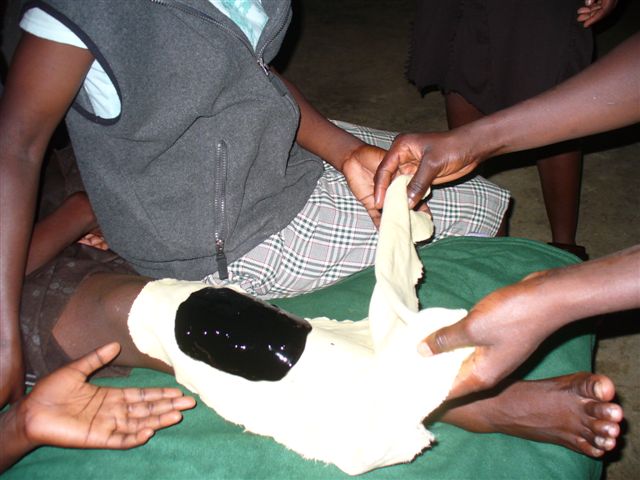
19. Charcoal Poultices for Wound Odor
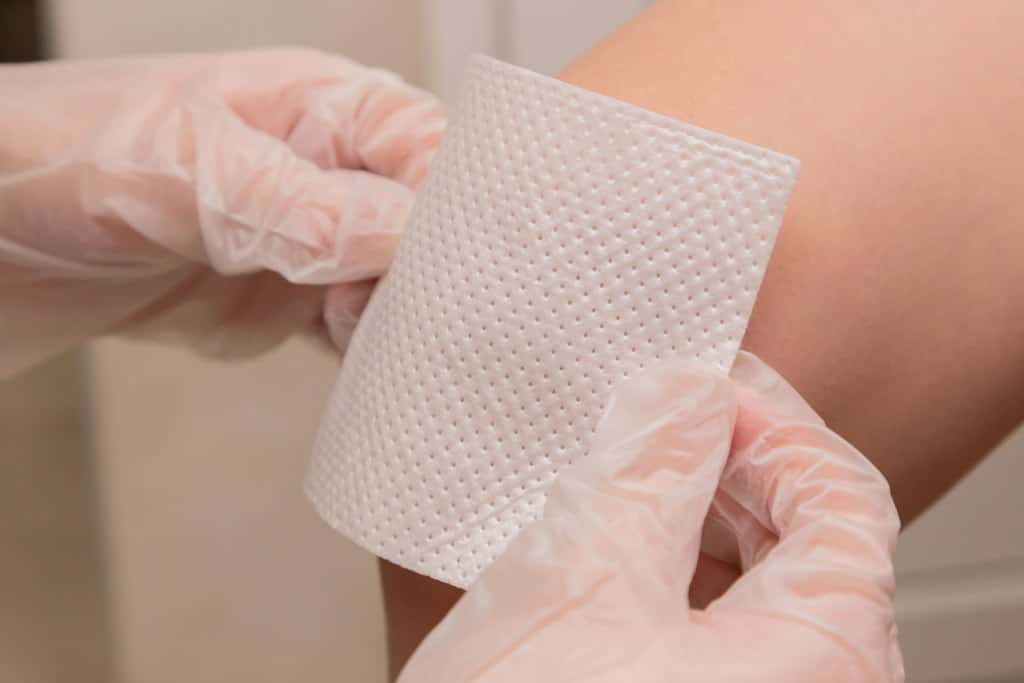
Foul-smelling wounds have always been a challenge. In the past, nurses packed or covered them with homemade charcoal poultices, which absorbed odor but were messy and hard to remove.
The idea was not completely wrong, since charcoal does absorb odor. Modern activated charcoal dressings are clean, manufactured, and designed for this purpose. Odor control today also means treating the cause, often infection or dead tissue, through cleaning, debridement, and appropriate antimicrobial dressings.
20. Wet-to-Dry Dressings for Every Wound
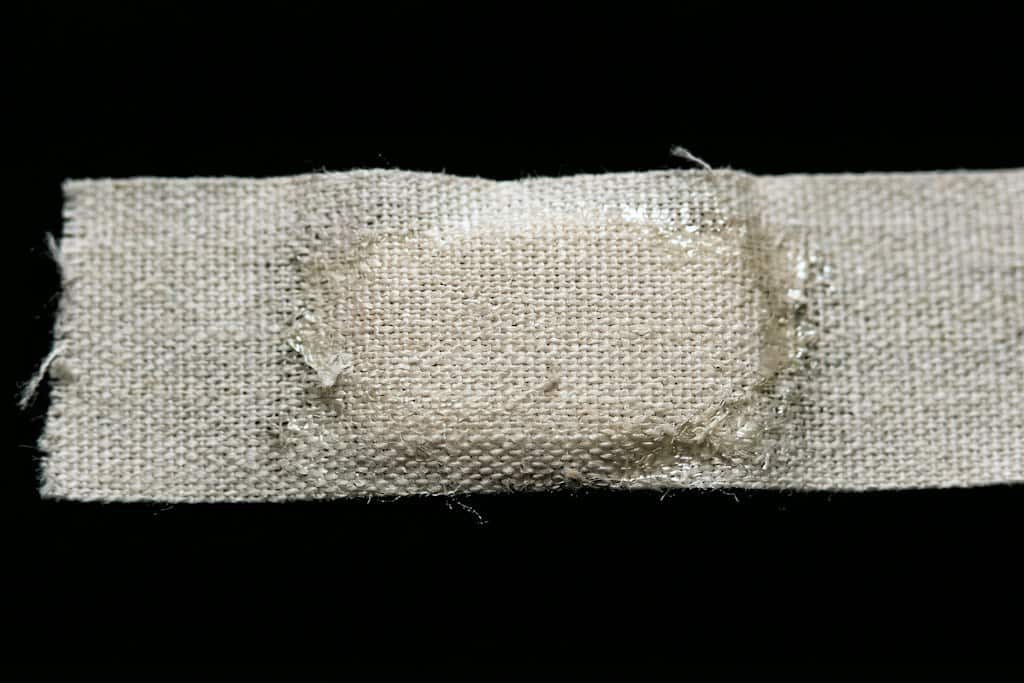
Wet-to-dry dressings were once the go-to treatment for many wounds. Nurses packed wounds with saline-soaked gauze, let it dry, and pulled it off, taking dead tissue along with it. It was cheap and easy, but painful, and it ripped away healthy tissue too.
Wet-to-dry dressings also cool the wound and let it dry out, which slows healing. Modern wound care favors keeping the wound bed moist with advanced dressings and using more targeted methods to remove dead tissue. Wet-to-dry has not disappeared completely, but it is no longer the routine choice.
21. Instilling Saline Before Suctioning
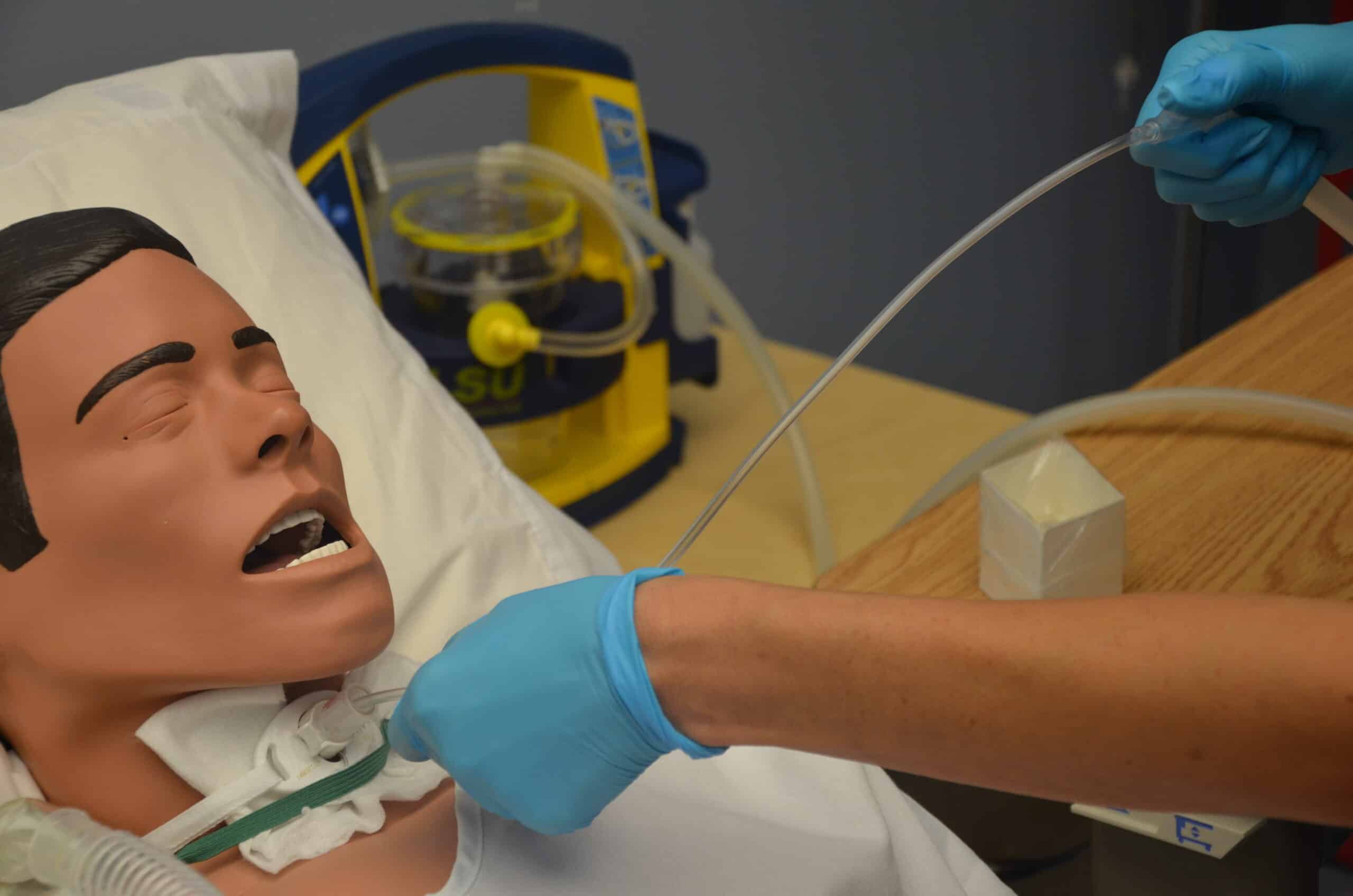
For years, nurses squirted normal saline into an endotracheal or tracheostomy tube before suctioning, believing it loosened thick secretions and made them easier to remove. It became one of those habits everyone learned from the nurse before them.
Research showed it does not thin secretions and can lower oxygen levels, trigger coughing fits, and push bacteria deeper into the lungs, raising the risk of pneumonia. Current respiratory care guidelines recommend against routine saline instillation. Adequate humidification and hydration are better ways to keep secretions manageable.
22. Cutting Foley Catheters to Remove Them
When a Foley catheter balloon would not deflate, some nurses used to cut the catheter to drain the water, or worse, cut it as a routine removal shortcut. It seemed like a fast fix.
Cutting the catheter can cause the catheter to retract into the bladder and makes troubleshooting harder. The safe method is to use a syringe to slowly withdraw the water from the balloon port, allowing passive deflation if needed. If the balloon still will not deflate, the provider or urology team should be contacted rather than improvising with scissors.
23. Milking and Stripping Chest Tubes
Nurses once routinely milked or stripped chest tubes, squeezing and sliding along the tubing to push clots through and keep the tube open. It was a standard part of post-op chest tube care, especially after heart surgery.
Stripping can create very high negative pressure inside the chest, which may damage tissue and cause bleeding. Studies have not shown that routine milking or stripping improves outcomes. Today, nurses keep tubing free of loops and kinks, position the drainage system correctly, and only manipulate the tube when clots are visible and a policy allows it.
24. Flushing Feeding Tubes With Cola
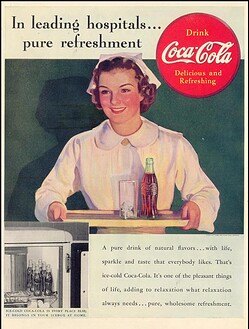
When a feeding tube clogged, nurses sometimes reached for a can of cola, thinking the acidity and fizz would dissolve the blockage. It became a popular trick on many units.
Acidic drinks like cola can actually cause proteins in formula to clump, making clogs worse. Warm water flushes, careful medication administration, and enzyme products are better options. The best approach is prevention: flushing the tube with water before and after each medication and regularly during continuous feeds.
25. Butterfly Needles for Long-Term IV Access
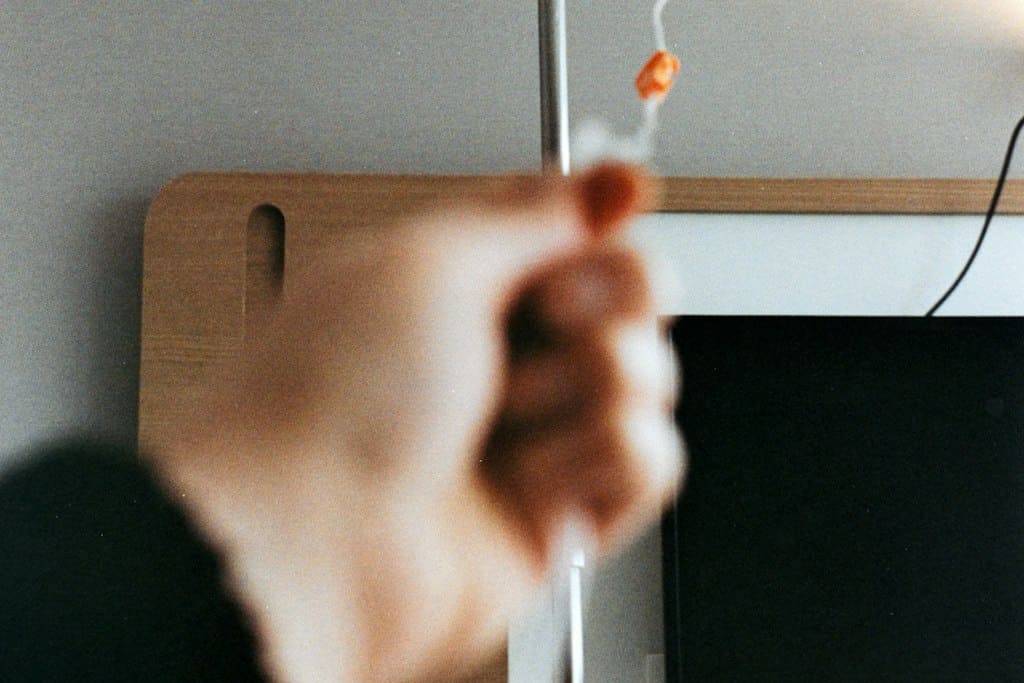
Steel winged butterfly needles were once used to keep IV access for days. They were easy to insert, but the rigid steel needle could poke through the vein with movement, leading to infiltration and phlebitis.
Flexible plastic catheters and longer-term options like midlines, PICCs, and ports replaced butterflies for ongoing IV therapy. Butterfly needles are still useful for quick blood draws and single injections, especially in small veins, but they are not meant to stay in place.
26. Dorsogluteal Intramuscular Injections
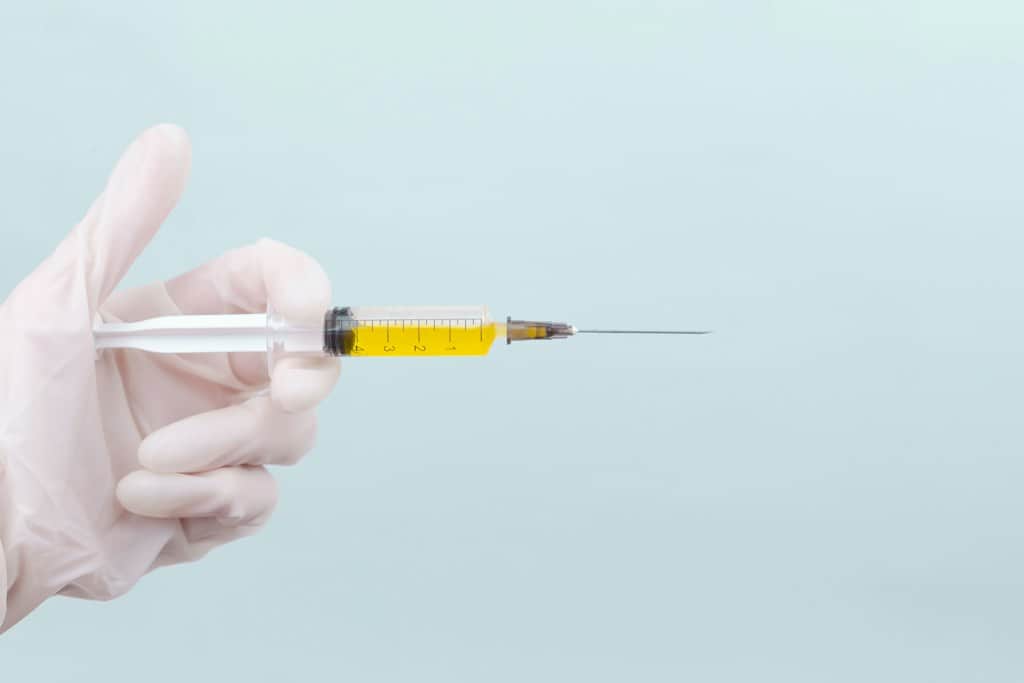
For decades, the upper outer area of the buttock, the dorsogluteal site, was the default spot for intramuscular injections. Nurses learned to find it by dividing the buttock into quarters.
The dorsogluteal site lies close to the sciatic nerve and a major blood vessel, and the fat layer there can be thick enough that the medicine never reaches the muscle. Nursing education now favors the ventrogluteal site on the side of the hip, which has thicker muscle and no major nerves or vessels nearby. The deltoid and vastus lateralis are also used depending on the drug and patient.
Old Practices Making a Comeback
Not every old practice was a mistake. Some fell out of favor only to return once research explained why they worked and how to use them safely. These modern versions look very different from their historical roots, with sterile supplies, clear indications, and careful nursing monitoring.
Maggot Therapy for Chronic Wounds
Military surgeons noticed centuries ago that wounds infested with fly larvae often healed cleanly. Maggot debridement therapy fell out of use when antibiotics arrived, then came back as resistant infections and nonhealing diabetic ulcers increased. Today, sterile medical-grade larvae are applied in special dressings, where they remove dead tissue, disinfect the wound, and support healing. In the United States they are regulated as a medical device.

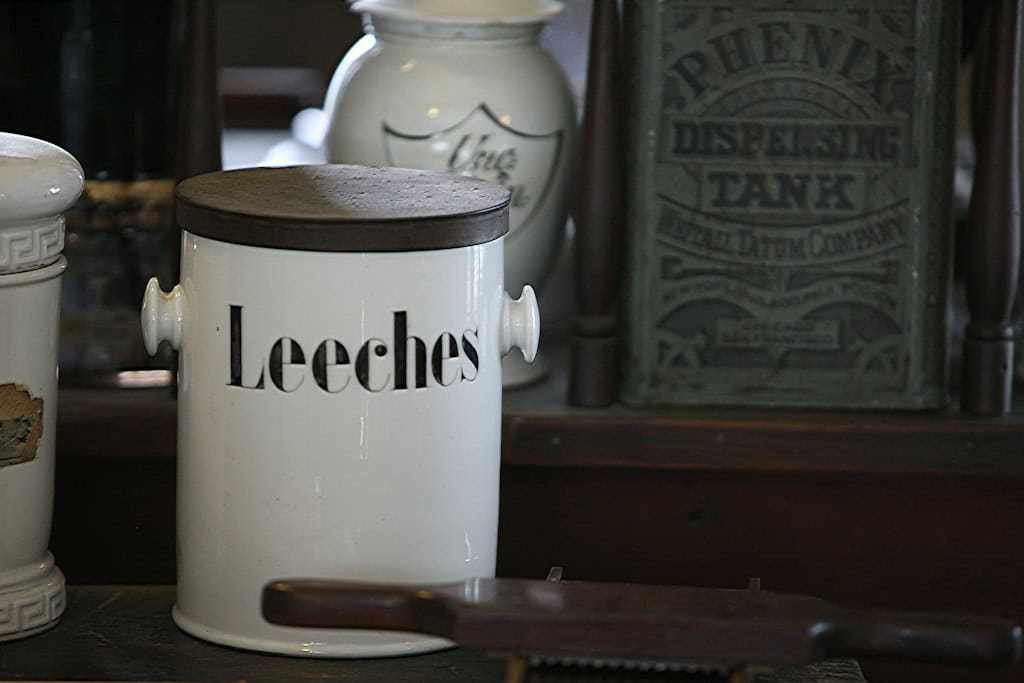
Medicinal Leeches
Bloodletting with leeches was once a cure-all and was rightly abandoned. Leeches have returned for a narrow, evidence-based use: rescuing reattached fingers, ears, and skin flaps when venous blood pools and threatens the tissue. The leech removes congested blood and releases hirudin, a natural anticoagulant. Nurses monitor these patients closely for blood loss and infection, and prophylactic antibiotics are usually given.
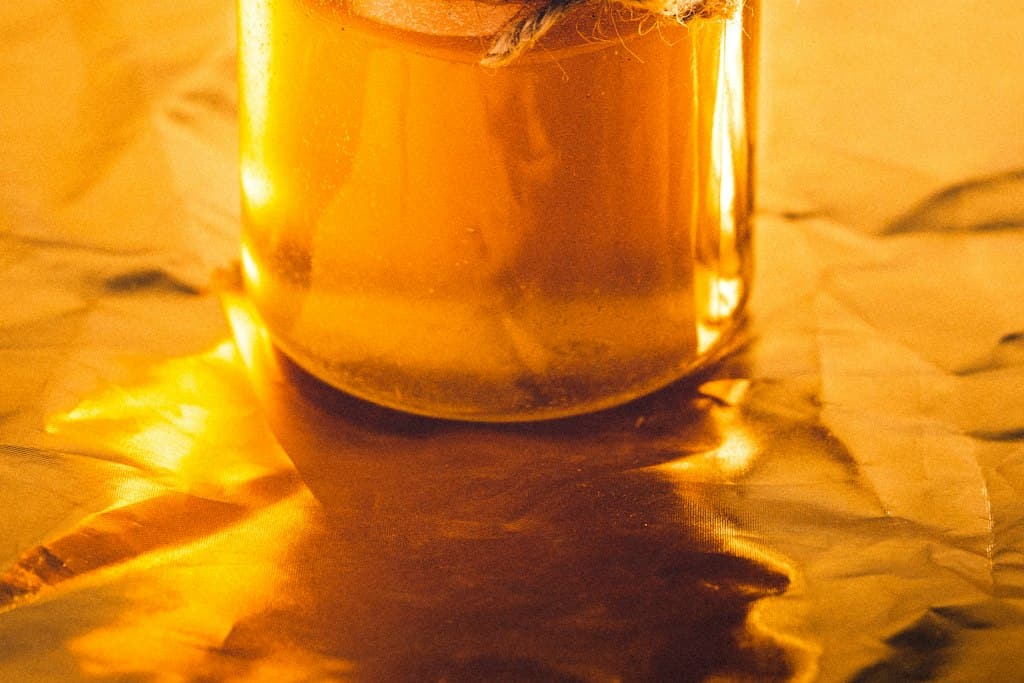
Honey for Wound Care
Honey was a wound remedy in ancient Egypt and Greece long before modern dressings. Medical-grade honey, sterilized and regulated, is now used in dressings for some burns and wounds. Research suggests it may help partial-thickness burns heal faster than some conventional dressings, though evidence for other wound types is mixed. Kitchen honey is not a substitute because it is not sterile.
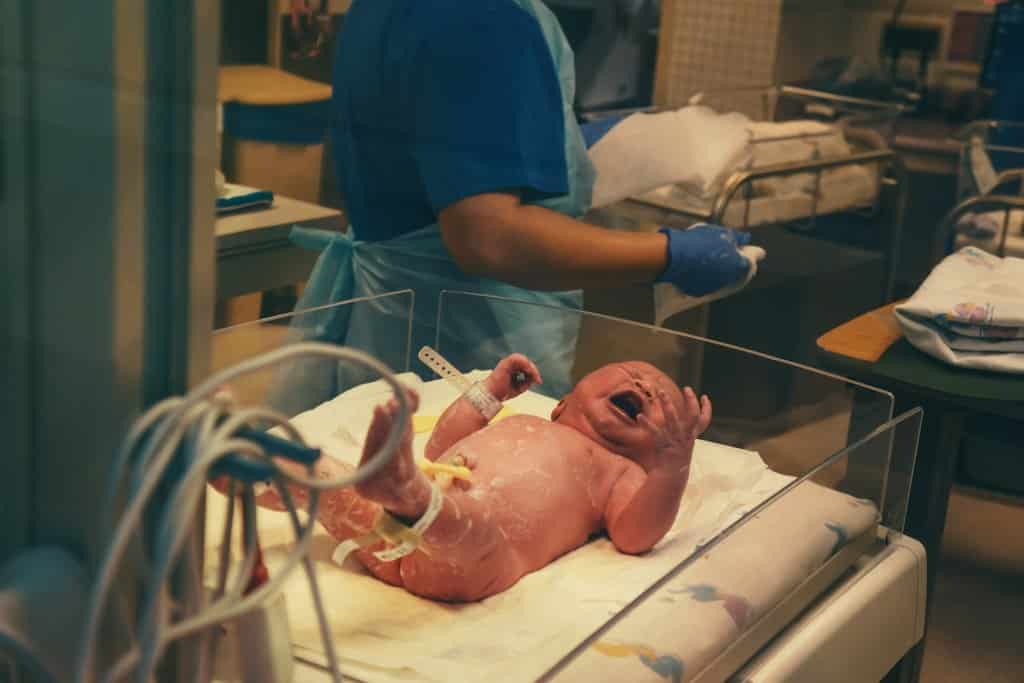
Skin-to-Skin Contact and Kangaroo Care
For much of the 20th century, newborns were whisked to nurseries and separated from their mothers. Holding babies against a parent’s bare chest, an age-old practice, is now standard care. Kangaroo care helps stabilize temperature, heart rate, and blood sugar, supports breastfeeding, and lowers mortality in preterm and low-birth-weight infants. The World Health Organization now recommends starting it as soon as possible after birth.

Delayed Umbilical Cord Clamping
For decades, cords were clamped within seconds of birth. Waiting 30 to 60 seconds, closer to how births happened before modern obstetrics, allows more blood to flow from the placenta to the baby. Professional guidelines now recommend delayed cord clamping for most healthy term and preterm infants because it improves iron stores and, in preterm babies, circulation.
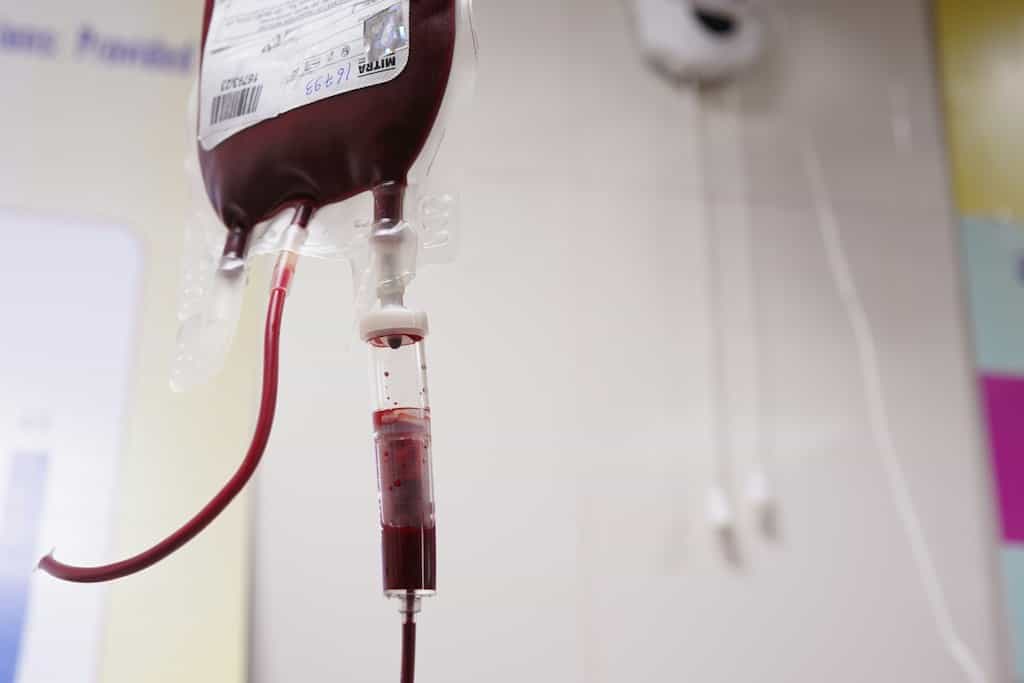
Bloodletting as Therapeutic Phlebotomy
Bloodletting for fevers and almost every illness was one of medicine’s longest-running mistakes. A targeted version is now standard treatment for a few conditions. Therapeutic phlebotomy removes blood to lower dangerous iron levels in hereditary hemochromatosis and to reduce thick blood in polycythemia vera. Nurses perform the procedure, monitor vital signs, and track lab values like ferritin and hematocrit.
The lesson goes both ways: practices should be dropped when evidence shows harm, and old ideas deserve a second look when new evidence supports them.
The Bottom Line
Nursing practice keeps changing because nurses keep asking whether there is a better way. Some habits fade when evidence shows harm, and some old ideas return when research proves they work. The next time someone says “we have always done it this way,” it might be worth checking the evidence.
References and Sources
- Centers for Disease Control and Prevention Guideline for the Prevention of Surgical Site Infection, 2017
- AARC Clinical Practice Guidelines: Artificial Airway Suctioning
- Delayed Umbilical Cord Clamping After Birth
- ACG Clinical Guideline: Hereditary Hemochromatosis
- WHO Recommendations for Care of the Preterm or Low-Birth-Weight Infant
- Family Visitation in the Adult Intensive Care Unit
- Recommendations for Prevention of HIV Transmission in Health-Care Settings
- Mercury Thermometers
- Preoperative hair removal to reduce surgical site infection
- Honey as a topical treatment for wounds
- Maggot therapy takes us back to the future of wound care: New and improved maggot therapy for the 21st century
- Intramuscular injections: A review of best practice for mental health nurses
- Hirudo medicinalis: Ancient origins of, and trends in the use of medicinal leeches throughout history
- Mediastinal chest drain clearance for cardiac surgery
- Bed rest: A potentially harmful treatment needing more careful evaluation





 {% endif %}
Leave a Comment