

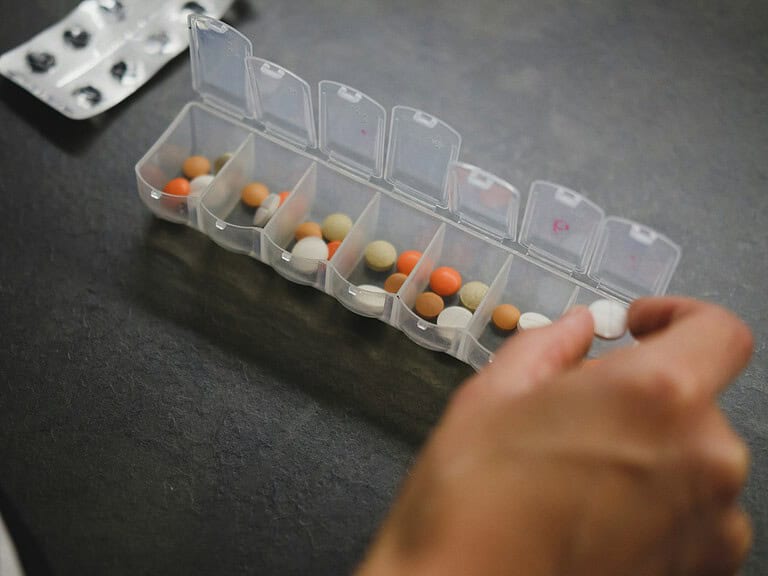
Your stomach drops. You just realized you gave the wrong dose, the wrong drug, or the right drug to the wrong patient. Almost every nurse either has been there or is afraid of being there. Medication errors are among the most common preventable harms in health care, and nurses are often the last safety check before a drug reaches the patient.
This guide walks you through what to do in the first minutes after an error, how reporting and disclosure work, the most common types of errors, and practical habits that prevent them. It also covers the emotional side, because nurses involved in errors are often hurting too.
Key Takeaways
- Your first priority after an error is the patient: assess, stay with them, and notify the provider right away.
- Report every error and near miss through your facility’s system. Reporting is about fixing systems, not punishing people.
- Be honest with the patient and family, following your facility’s disclosure policy.
- Most errors come from system problems like look-alike drugs, interruptions, and workarounds.
- Nurses involved in errors can experience shame and distress, known as second victim syndrome. Support is available and asking for it is normal.
What Counts as a Medication Error?
A medication error is any preventable event that may cause or lead to inappropriate medication use or patient harm while the medication is in the control of a health care professional, patient, or consumer. It can happen at any step: prescribing, transcribing, dispensing, administering, or monitoring.
Nurses are most involved in the administration and monitoring stages. A near miss is an error caught before it reached the patient. It still needs to be reported, because it shows where the system is weak.
What to Do Right After a Medication Error
Panic is normal, but a clear sequence helps you protect the patient and yourself.
- Check the patient first. Assess vital signs, level of consciousness, and any reaction. Stay with them if they are unstable.
- Notify the provider immediately. Give the drug, dose, route, time, and the patient’s current condition. Follow orders for monitoring, antidotes, or labs.
- Tell your charge nurse or supervisor. You do not have to handle this alone.
- Document the facts in the medical record. Chart what was given, the assessment, notifications, and interventions. Do not write “incident report filed” in the chart.
- Complete an incident report. Fill it out the same shift while details are fresh. Stick to facts, not blame.
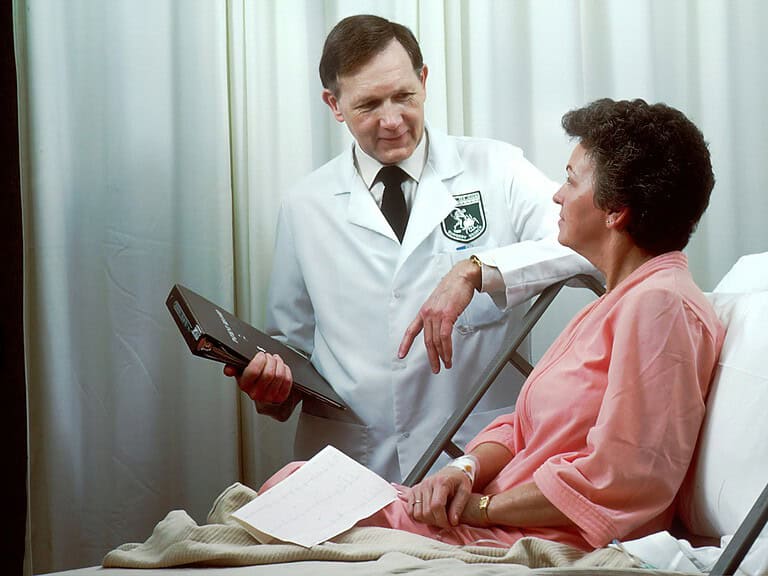
- Take part in disclosure. The patient has a right to know. Usually the provider leads the conversation, and you may be present.
Example Scenarios and What to Do
Here is how the steps play out in situations nurses commonly face.
- You gave 10 units of insulin instead of 1. Check blood glucose now, notify the provider, and follow orders for frequent glucose checks and dextrose. Tell the patient what happened and why you are checking so often.
- You hung the wrong IV antibiotic. Stop the infusion, keep the line, assess for allergic reaction, notify the provider and pharmacy, and document.
- You realize a morning dose was never given. Notify the provider before giving it late, because the timing may affect the next dose.
- A coworker made an error and wants to keep it quiet. Encourage them to report it and offer to go with them. If they refuse, follow your facility’s chain of command. Patient safety comes first.
Reporting and Disclosure
Incident reports feed patient safety programs that look for patterns, such as a confusing pump setting or two drugs stored side by side. Many facilities follow a just culture approach, which separates honest human error from at-risk behavior and reckless conduct. In a just culture, nurses who report honest mistakes are coached, not punished.
Hiding an error is far more dangerous to your career than reporting it. Concealment can delay treatment for the patient and can lead to disciplinary action from your employer or board of nursing. Honest disclosure is also part of veracity in nursing.
Talking With the Patient After an Error
Disclosure conversations are uncomfortable but usually go better than nurses fear. Patients mostly want three things: to know what happened, to know what is being done about it, and to hear that steps will be taken so it does not happen again.
Use plain language, express sincere regret (“I’m sorry this happened”), and avoid guessing about causes you do not yet know. Follow your facility’s disclosure policy about who leads the conversation.
Common Types of Medication Errors
Knowing where errors happen helps you slow down at the right moments.
- Wrong dose: decimal point mistakes, unit mix-ups (mg vs mcg), or pump programming errors.
- Wrong drug: look-alike, sound-alike names such as hydralazine and hydroxyzine.
- Wrong patient: often during busy shifts or when two patients have similar names.
- Wrong time or omission: missed or late doses, especially time-critical drugs like insulin and antibiotics.
- Wrong route: giving an oral liquid through an IV line or an IM drug IV.
- Monitoring errors: not checking labs, blood pressure, or glucose before giving a drug that needs it.
High-Alert Medications
Some drugs cause severe harm when an error happens, even if errors with them are not more common. The Institute for Safe Medication Practices (ISMP) keeps a list of high-alert medications. Common examples nurses handle every day include:
- Insulin
- Anticoagulants such as heparin and warfarin
- Opioids
- Concentrated electrolytes such as potassium chloride
- Neuromuscular blocking agents
- Chemotherapy drugs
Use independent double checks for these drugs when your policy requires them, and never skip the check because you are busy.
How to Prevent Medication Errors
No nurse can be perfect, but these habits stop most errors before they reach the patient.
- Use at least two patient identifiers every time, and scan the wristband and medication if your facility uses barcoding.
- Follow the rights of medication administration: right patient, drug, dose, route, time, documentation, reason, and response.
- Avoid interruptions during med pass. Some units use “do not disturb” vests or zones.
- Question unclear, illegible, or unusual orders. A quick call is better than a wrong dose.
- Check dosage calculations twice and use a calculator for weight-based doses.
- Know your drugs: purpose, usual dose, and what to monitor.
- Never use workarounds, such as scanning a copied barcode or overriding alerts without thinking.
- Educate patients and families so they can speak up if a pill looks different.
Want to sharpen your math? Try our drug dosage calculations practice quiz.
Legal and License Consequences
Most single, honest medication errors do not end careers. Outcomes depend on the harm caused, whether the error was reported, and whether it reflects a pattern or reckless behavior.
Consequences can range from coaching and retraining to written warnings, and in serious or repeated cases, reports to the board of nursing or legal claims. Some nurses choose to carry their own malpractice insurance for extra protection. If you are ever contacted by your board of nursing or a lawyer about an error, seek advice before responding.
The Second Victim: Coping After an Error
Nurses involved in serious errors often feel guilt, fear, anxiety, and self-doubt. Researchers call this the second victim experience. Some nurses replay the event for weeks, lose sleep, or think about leaving the profession.
Helpful steps include talking with a trusted colleague, using peer support or employee assistance programs, and focusing on what you can learn. One mistake does not define you as a nurse. For support after difficult events, read compassion fatigue in nurses.
Frequently Asked Questions
Quick answers to common questions about medication errors in nursing.
Assess the patient and stay with them if needed, then notify the provider and your charge nurse right away.
Yes. Chart the facts: what was given, your assessment, who you notified, and what was done. Do not mention the incident report in the chart.
It is uncommon for a single, honest, reported error. License action is more likely with concealment, repeated errors, impairment, or reckless behavior.
Wrong dose, wrong time or omitted doses, wrong drug from look-alike names, and wrong patient are among the most common.
A near miss is an error caught before it reaches the patient. It should still be reported to help fix the system.



 {% endif %}
Leave a Comment