

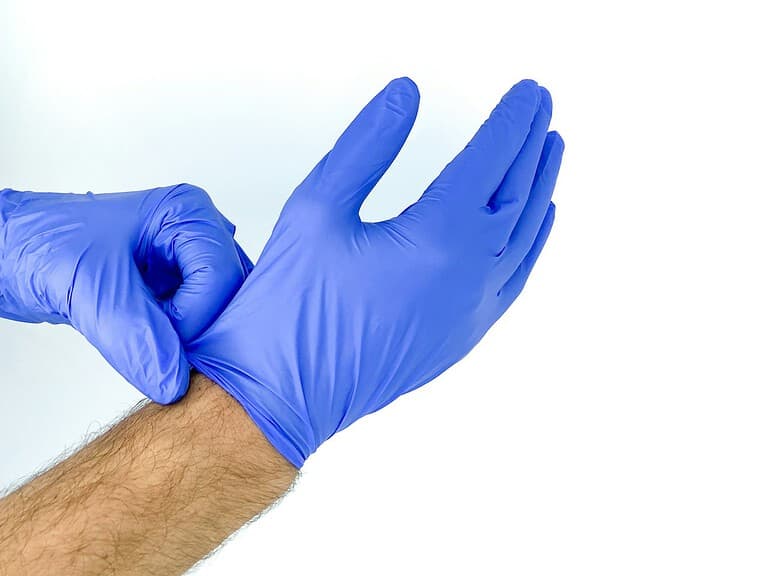
Nurses protect patients from harm every day, but the job comes with real risks of its own: infections, needlesticks, back injuries, chemical exposures, violence, and the physical toll of long shifts and PPE. Knowing these hazards is the first step to protecting yourself.
This guide covers the main occupational hazards in nursing, how PPE can damage your skin and what to do about it, and practical ways to stay safe at work.
Key Takeaways
- Nursing hazards fall into five main groups: biological, chemical, physical, psychosocial, and workplace violence.
- Needlesticks, infections, and back injuries are among the most common.
- Long hours in masks and gloves can cause pressure injuries, rashes, and dry, cracked skin.
- Safety equipment, training, vaccination, and reporting all reduce risk.
- You have the right to a safe workplace and to report hazards without retaliation.
Biological Hazards
Nurses are exposed to bloodborne pathogens such as hepatitis B, hepatitis C, and HIV, along with respiratory infections like influenza, tuberculosis, and COVID-19.
- Use safety-engineered sharps and never recap needles.
- Dispose of sharps immediately in a puncture-resistant container.
- Follow standard and transmission-based precautions.
- Get vaccinated against hepatitis B, influenza, and other recommended diseases.
- Report every needlestick or exposure right away so you can get post-exposure care.
Chemical Hazards
Disinfectants, sterilizing agents, latex, anesthetic gases, and hazardous drugs such as chemotherapy can irritate your skin and lungs or cause longer-term harm.
- Read safety data sheets and labels.
- Wear gloves, gowns, and eye protection when handling chemicals or hazardous drugs.
- Use closed-system transfer devices and ventilated hoods for hazardous drugs when available.
- Choose latex-free gloves if you have a latex sensitivity.
Physical and Ergonomic Hazards
Lifting and moving patients is one of the leading causes of injury in nursing. Slips, trips, falls, and radiation exposure are other physical risks.
- Use lift equipment and get help with heavy transfers.
- Keep floors and walkways clear and wear slip-resistant shoes.
- Wear lead aprons and keep your distance during imaging procedures.
Read our full guide to back and foot pain in nurses for prevention tips.
Workplace Violence
Nurses face verbal and physical violence from patients and visitors more often than most workers. Learn the warning signs, use de-escalation skills, and report every incident. Our guide to workplace violence in nursing covers this in depth.
Psychosocial Hazards
Long and irregular shifts, heavy workloads, moral distress, and exposure to suffering can lead to fatigue, burnout, and compassion fatigue. These risks are just as real as physical ones. See our guides to night shift nursing and compassion fatigue.
PPE and Skin Damage
Wearing N95 respirators, masks, goggles, and gloves for long periods can cause pressure injuries on the nose and cheeks, rashes, acne, and dry, cracked hands. These problems became common during the COVID-19 pandemic and still affect nurses who wear PPE for long shifts.
- Moisturize before and after shifts. Apply a light, fragrance-free moisturizer at least 30 minutes before putting on PPE so it can absorb.
- Protect pressure points. A thin protective dressing or barrier product on the bridge of the nose and cheeks can reduce pressure injuries, as long as it does not break the mask seal.
- Make sure PPE fits. Get fit-tested for respirators and choose sizes that fit without excess pressure.
- Take mask breaks when safe. Remove PPE in a safe area and give your skin a short break when policy allows.
- Care for your hands. Use alcohol-based hand rub when appropriate, pat hands dry, and use a hand cream after work.
- Report skin problems. Persistent rashes or skin breakdown should be checked by employee health or a dermatologist.
Your Rights and How to Report Hazards
In many countries, employers are required to provide a safe workplace, safety equipment, and training. If you notice a hazard, report it to your manager and employee health, document what happened, and use your facility’s incident reporting system. Nursing unions and professional organizations can also help if hazards are not addressed.
Explore More
For more ways to protect your health at work, see our guides to self-care for nurses and choosing safe, comfortable scrubs and shoes.
Frequently Asked Questions
Quick answers to common questions about occupational hazards in nursing.
The most common hazards include needlestick injuries and infections, back injuries from lifting patients, exposure to chemicals and hazardous drugs, workplace violence, and stress and fatigue from long shifts.
Use safety-engineered sharps, never recap needles, dispose of sharps immediately in a sharps container, and report every exposure right away.
Moisturize before and after shifts, protect pressure points without breaking the mask seal, make sure PPE fits properly, take safe mask breaks when allowed, and care for your hands after frequent washing.
Get first aid or post-exposure care right away, report the incident to your manager and employee health, and document what happened.




Leave a Comment