


Nursing school teaches you the ideal. Your first job teaches you reality. Somewhere between perfect mitered corners in the skills lab and your first 1:6 assignment, you realize the textbook and the hospital floor are not always the same place.
This is not a knock on nursing school. The principles you learned keep patients safe. But knowing what changes in real life, and the deeper lessons nurses learn along the way, makes the transition easier. Here are 10 differences between textbook and real-life nursing, plus 5 hard truths every nurse learns sooner or later.
Key Takeaways
- Real-life nursing keeps the safety principles from school but adapts the steps to time, staffing, and patient needs.
- New nurses often experience “transition shock” in their first months. It is common and it passes.
- Patients are not always compliant, situations are rarely black and white, and short staffing is a real challenge.
- Nursing also teaches deeper lessons about death, limits, empathy, and being human.
- Lean on preceptors, peers, and self-care to bridge the gap between school and practice.
10 Differences: Textbook vs Real Life
Here is how some classic nursing school lessons look on an actual shift:
- Bath blankets. Textbook: drape the patient with a bath blanket for every bed bath. Real life: you will use what is available, often towels or a top sheet, while still protecting privacy and warmth.
- Double-gloving. Textbook: rarely mentioned outside surgery. Real life: many nurses double-glove for messy tasks like large incontinence episodes so they can peel off the outer layer and keep going without leaving the room.
- Mitered corners. Textbook: perfect hospital corners graded in skills lab. Real life: most beds use fitted sheets and pressure-redistribution mattresses, and nobody checks your corners.
- Hand hygiene. Textbook: a full scrub every time. Real life: alcohol-based hand rub is the standard for most moments, with soap and water for visible soiling and C. diff. See our hand hygiene guide.
- Tourniquets and IV starts. Textbook: one clear method. Real life: every nurse has tricks, from warm packs to gravity, and you learn them from coworkers.
- Compliant patients. Textbook case studies show patients who follow every instruction. Real life: patients refuse meds, pull out IVs, and leave against medical advice. Your job is to educate, document, and respect their choices.
- Foley catheters. Textbook anatomy is clear. Real life anatomy is not always, and finding the meatus on some patients takes patience, good lighting, and a second set of hands.
- Clear right answers. Exams have one best answer. Real life has gray areas, competing priorities, and ethical questions with no perfect solution.
- Staffing ratios. School assignments are one or two patients. Real life can mean five, six, or more, with admissions and discharges in between.
- Emergencies. You practiced codes on a mannequin. The first real one feels completely different, and that is normal. Your team will guide you.
Why the Gap Feels So Big
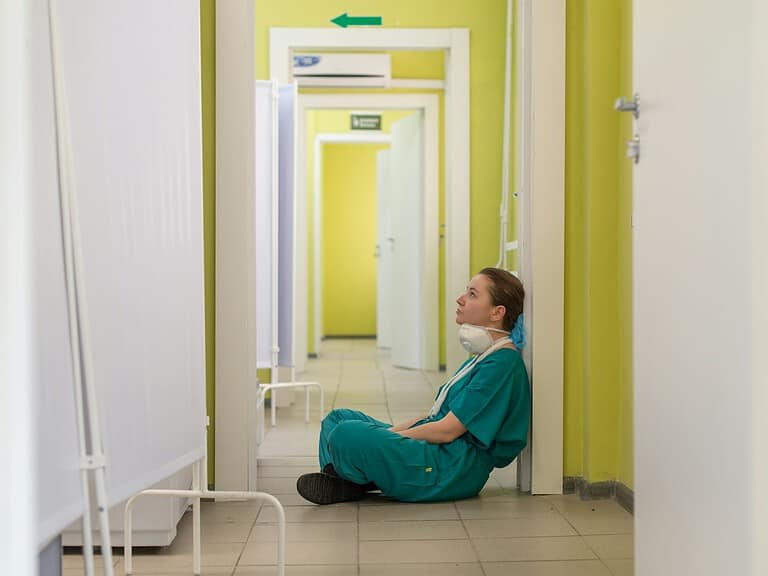
Researchers call the first months of practice “transition shock.” New graduates move from a protected student role to full responsibility for patients, often while learning new systems, routines, and relationships at the same time. Feelings of doubt, exhaustion, and even loss are common in the first few months and usually ease as confidence grows. A strong preceptor and a supportive unit make a big difference.
5 Hard Truths Nurses Learn
Beyond skills and routines, nursing changes how you see life. These lessons rarely appear in textbooks:
- Death is part of life. Nurses learn to be present at the end of life, to make it peaceful and dignified, and to fear it a little less.
- Science cannot explain everything. Some patients recover against the odds, and some decline without a clear reason. Nurses learn humility.
- You cannot save everyone. Doing everything right does not always lead to a good outcome. Learning to accept that is one of the hardest parts of the job.
- Empathy matters more than you think. A few minutes of real listening can change a patient’s whole hospital stay. Without empathy, care becomes just tasks.
- Nursing makes you more human. Caring for people at their most vulnerable changes your perspective on what matters, in work and in life.
How to Bridge the Gap
The gap between textbook and real life is normal, but you do not have to face it alone:
- Keep the principles, adapt the steps. Safety rules like patient identification and hand hygiene never change.
- Ask experienced nurses for their tips, and check that they follow policy.
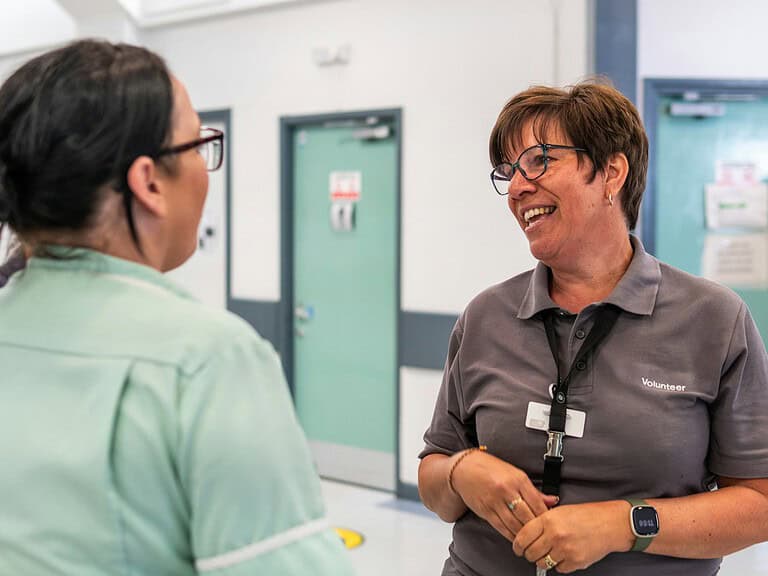
- Join a nurse residency program if your hospital offers one.
- Debrief after hard shifts with a trusted coworker or mentor.
- Protect your rest and self-care so the reality of nursing does not burn you out.
Frequently Asked Questions
Here are answers to common questions about the difference between nursing school and real-life nursing.
Yes. Nursing school teaches safe principles with ideal conditions. Real practice adds heavier assignments, time pressure, unpredictable patients, and gray areas, though the core safety principles stay the same.
Transition shock describes the stress, doubt, and exhaustion many new graduate nurses feel in their first months of practice as they move from student to full professional responsibility.
Many nurses start feeling more confident after about six months to a year, depending on the unit, support, and orientation they receive.
Nurses learn that they cannot save everyone, that death is part of life, that empathy matters, and that not every situation has a clear right answer.



 {% endif %}
Leave a Comment