

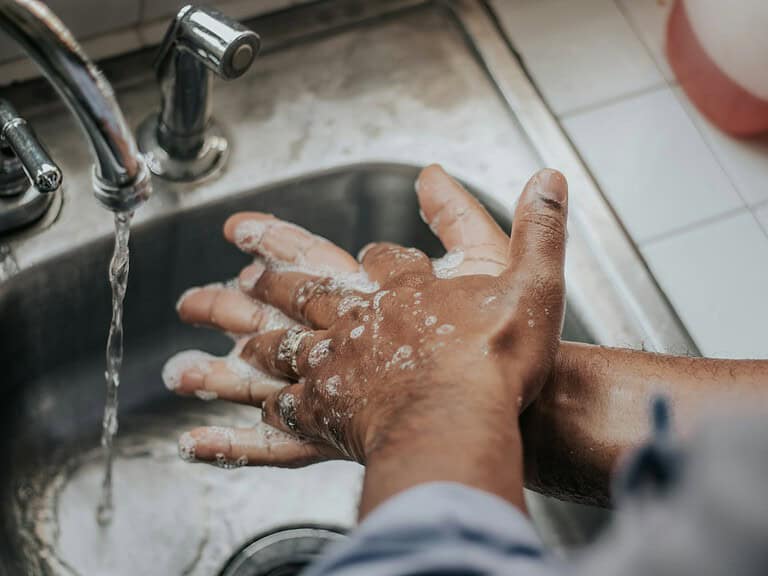
Hand hygiene is the first thing you learned in nursing school and probably the last thing you think about at 4 a.m. on a short-staffed night. Yet it remains one of the most effective ways to prevent healthcare-associated infections. Hands carry germs from patient to patient, from surfaces to wounds, and from you to your own family.
This guide covers when to clean your hands using the WHO 5 Moments, how to use alcohol-based hand rub and soap correctly, common shortcuts nurses take, and what really affects compliance on busy units.
Key Takeaways
- Clean your hands at each of the WHO 5 Moments, not just when they look dirty.
- Alcohol-based hand rub is preferred for most situations because it is fast and effective.
- Wash with soap and water when hands are visibly soiled and after caring for patients with C. difficile or norovirus.
- Gloves do not replace hand hygiene. Clean hands before putting gloves on and after taking them off.
- Short nails, no artificial nails, and healthy skin make hand hygiene more effective.
Why Hand Hygiene Still Matters
Healthcare-associated infections affect a large number of hospitalized patients every year and add to illness, cost, and deaths. Many of these germs travel on the hands of health care workers.
Studies of hand hygiene compliance often find that staff clean their hands far less often than guidelines recommend, especially during busy periods. Nurses have the most patient contact of any discipline, so small improvements in nursing practice can make a big difference.
The WHO 5 Moments for Hand Hygiene
The World Health Organization describes five moments when hand hygiene is needed during patient care:
- Before touching a patient
- Before a clean or aseptic procedure, such as inserting a catheter or handling an IV line
- After body fluid exposure risk, including after removing gloves
- After touching a patient
- After touching patient surroundings, such as the bed rails, monitor, or call light, even if you did not touch the patient
Hand Rub vs. Soap and Water
Alcohol-based hand rub (ABHR) is the preferred method in most clinical situations because it kills most germs quickly, takes less time, and is gentler on skin than frequent washing.
Use soap and water instead when:
- Hands are visibly dirty or contaminated with blood or body fluids
- Caring for patients with C. difficile or norovirus, because alcohol does not reliably kill spores and some viruses
- Before eating and after using the restroom
How to Clean Your Hands Correctly
Technique matters as much as frequency.
- Hand rub: Apply enough product to cover all surfaces, rub palms, backs of hands, between fingers, fingertips, and thumbs until dry, about 20 to 30 seconds.
- Soap and water: Wet hands, apply soap, rub all surfaces for at least 15 to 20 seconds, rinse, and dry with a disposable towel. Use the towel to turn off the faucet.
Commonly missed areas include thumbs, fingertips, and the backs of hands.
Common Ways Nurses Cut Corners
Most lapses are not laziness. They come from time pressure, habit, and workflow. Be honest with yourself about these:
- Skipping hand hygiene after touching only the bed or monitor
- Going straight from one glove pair to the next without cleaning hands
- Rubbing for a few seconds and walking away before hands are dry
- Cleaning hands before entering the room but not after leaving
- Using a phone or keyboard and then touching the patient
- Wearing rings, long nails, or artificial nails
Gloves Are Not a Substitute
Gloves reduce contamination but can have tiny holes, and hands become contaminated when gloves are removed. Clean your hands before putting on gloves for aseptic tasks and immediately after taking them off.
Change gloves between tasks on the same patient when moving from a dirty site to a clean one, such as after perineal care before touching an IV.
Protecting Your Skin
Frequent hand hygiene can cause dry, cracked skin, which then harbors more bacteria and makes nurses avoid hand rub. Use facility-approved lotions regularly, report persistent dermatitis to employee health, and choose hand rubs with emollients when available. For more workplace health tips, see occupational hazards in nursing.
How Units Improve Compliance
Individual effort works best with good systems. Effective strategies include hand rub dispensers at every room entrance and point of care, regular audits with feedback, visible reminders, leadership role modeling, and inviting patients to ask, “Did you clean your hands?”
If dispensers are empty or poorly placed, report it. That is a system problem, and fixing it is a form of nurse advocacy.
Frequently Asked Questions
Quick answers to common questions about hand hygiene in nursing.
Before touching a patient, before a clean or aseptic procedure, after body fluid exposure risk, after touching a patient, and after touching patient surroundings.
Alcohol-based hand rub is preferred for most situations. Use soap and water when hands are visibly soiled or after caring for patients with C. difficile or norovirus.
Rub with soap for at least 15 to 20 seconds. Hand rub should be rubbed in until dry, usually 20 to 30 seconds.
Most facilities prohibit artificial nails for direct care staff because they harbor more germs and are linked with outbreaks.



 {% endif %}
Leave a Comment