

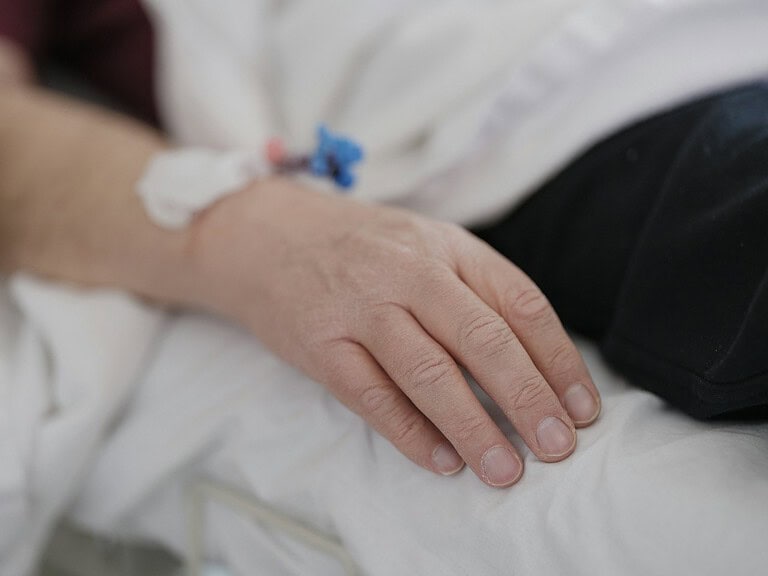
Few topics in healthcare stir stronger feelings than ending life on purpose. For some, helping a dying patient choose a peaceful death is an act of mercy and respect for autonomy. For others, it crosses a line that medicine and nursing should never cross.
Nurses are often the professionals closest to patients who ask about these options, so understanding the terms, the laws, and your ethical obligations matters. This guide explains the difference between euthanasia and medical aid in dying, where they are legal in the United States, the arguments on both sides, and what nurses can and cannot do.
Key Takeaways
- Euthanasia means a clinician directly ends a patient’s life. It is illegal in every U.S. state.
- Medical aid in dying (MAID) lets a terminally ill, mentally capable adult obtain a prescription to end their life, which they must take themselves.
- As of 2026, MAID is legal in 14 U.S. jurisdictions, including New York, which enacted its law in 2026.
- Nurses may not administer MAID medication, but they still provide compassionate care, education, and symptom management.
- Nurses can conscientiously object, but they must not abandon the patient and should help transfer care.
Key Terms Explained
The language around this topic matters, and terms are often confused:
- Euthanasia (active): A clinician intentionally ends a patient’s life, for example by injecting a lethal medication. Illegal throughout the United States, though legal in some other countries.
- Medical aid in dying (MAID): Also called physician-assisted death or death with dignity. A terminally ill adult who meets strict criteria receives a prescription and must self-administer it.
- Withholding or withdrawing treatment: Stopping or not starting life-sustaining treatment, such as a ventilator, when it no longer matches the patient’s goals. This is legal and ethically accepted, and it is not euthanasia.
- Palliative sedation: Using medication to relieve severe, refractory suffering at the end of life, with the intent of comfort rather than ending life.
Where Is Medical Aid in Dying Legal?
As of 2026, medical aid in dying is authorized in 14 U.S. jurisdictions: California, Colorado, Delaware, the District of Columbia, Hawaii, Illinois, Maine, Montana (through a court ruling), New Jersey, New Mexico, New York, Oregon, Vermont, and Washington. Laws differ, but most require that the patient:
- Is an adult with a terminal illness expected to cause death within six months
- Has decision-making capacity
- Makes the request voluntarily, often both orally and in writing
- Waits through a required waiting period
- Takes the medication themselves
New York’s 2026 law, for example, requires a recorded oral request plus a written request, a 5-day waiting period, and state residency, and allows only the patient to administer the medication. Laws continue to change, so always check your state’s current law and facility policy.
The Ethical Debate
Thoughtful people disagree. Here are the main arguments:
- Arguments for MAID: Respect for patient autonomy, relief from unbearable suffering, a sense of control at the end of life, and strict safeguards in states that allow it.
- Arguments against: The sanctity of life, the risk of pressure on vulnerable people (older adults, people with disabilities, those worried about being a burden), concerns that it could replace better palliative care, and the belief that healthcare professionals should never take part in ending life.
- Common ground: Nearly everyone agrees that excellent palliative and hospice care, honest conversations, and control of pain and symptoms should be available to every dying patient.
The Nurse’s Role
Professional guidance draws clear lines for nurses:
- No administration: Nurses may not administer MAID medication. Only the patient can take it, and the ANA Code of Ethics states that nurses may not act with the sole intent to end life.
- Compassionate presence: Nurses continue to provide care, comfort, symptom management, and emotional support to patients and families, whatever the patient’s choice.
- Education: Nurses can answer questions about end-of-life options within the law and their role, and refer patients to the appropriate provider.
- Know your setting: Facilities may choose whether to participate. Follow your employer’s policy on whether and how staff can be present.
- Conscientious objection: Nurses may decline to participate based on their beliefs, but they must not abandon the patient and should make sure care is transferred to someone else.
- Self-reflection and support: These situations can be emotionally heavy. Seek debriefing and support. See moral injury in nursing and coping with patient death.
Frequently Asked Questions
Here are answers to common questions about euthanasia and medical aid in dying.
In euthanasia, a clinician directly ends the patient’s life. In medical aid in dying, a terminally ill adult receives a prescription and takes the medication themselves. Euthanasia is illegal in the United States, while MAID is legal in some states.
No. Active euthanasia is illegal in every U.S. state. Medical aid in dying, where the patient self-administers medication, is legal in 14 U.S. jurisdictions as of 2026.
Nurses may not administer MAID medication, but they can provide care, education, symptom management, and support. Nurses may conscientiously object but must not abandon the patient.
No. Withholding or withdrawing life-sustaining treatment when it no longer fits the patient’s goals is legal and ethically accepted. It allows the underlying illness to take its course rather than causing death.

 {% endif %}
Leave a Comment