

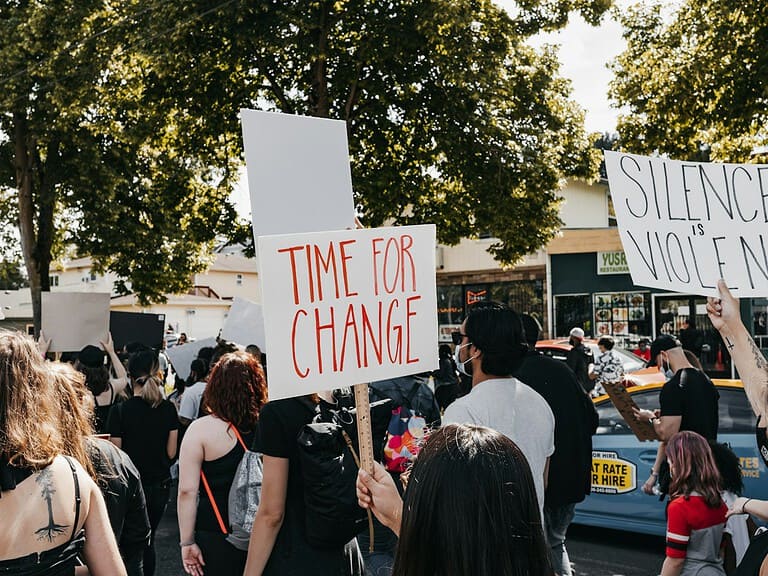
In January 2026, more than 15,000 nurses walked off the job at hospitals across New York City in the largest nurse strike in the city’s history. They stayed out for over a month. When they returned, they had new contracts with enforceable staffing standards, raises, workplace violence protections, and, for the first time, safeguards on how hospitals use artificial intelligence.
Strikes like this put nursing unions in the headlines. But what do nursing unions actually do, why do nurses strike, and what are the trade-offs? This guide gives a balanced look for nurses deciding where they stand.
Key Takeaways
- Nursing unions negotiate contracts covering pay, staffing, benefits, safety, and working conditions.
- Nurses usually strike over unsafe staffing, pay, benefits, and workplace safety, often after long negotiations fail.
- Unions must give hospitals advance notice before a strike so patient care can be planned.
- Union membership can bring stronger job protections and a collective voice, but also dues and less individual flexibility.
- Whether to join or strike is a personal and professional decision. Patient safety stays the priority either way.
What Does a Nursing Union Do?
A nursing union represents nurses in negotiating a collective bargaining agreement, or contract, with their employer. Contracts commonly cover wages and raises, staffing standards, scheduling and overtime rules, health and retirement benefits, workplace safety, and a grievance process when the contract is violated.
Large nursing unions in the United States include National Nurses United, the New York State Nurses Association, and nurse divisions of broader healthcare unions. Union representation varies widely by state and region.
Why Do Nurses Strike?
A strike is usually a last resort after contract talks break down. Common reasons include:
- Unsafe staffing: Nurses push for enforceable staffing standards. See our guide to safe staffing ratios.
- Pay and benefits: Raises that keep up with the cost of living and protection of health benefits.
- Workplace violence: Stronger security and protections for nurses.
- Technology and AI: Newer contracts include rules on how AI tools are used in patient care and nursing work.
- Retention: Conditions that keep experienced nurses at the bedside.
How a Nurse Strike Works
In the U.S., unions at healthcare institutions must give at least 10 days’ notice before a strike. That notice lets hospitals arrange replacement staff, move patients if needed, and plan for safe care. Strikes may last a single day, a set number of days, or be open-ended. Hospitals often bring in replacement nurses through agencies, and some patients may be transferred or procedures rescheduled during the strike.
The 2026 New York City strike began on January 12 and lasted about six weeks before nurses ratified three-year contracts with the major hospital systems involved.
Pros and Cons of Nursing Unions
Nurses hold strong opinions on both sides. Here is a balanced view:
- Pros: A collective voice on staffing and safety, negotiated raises, clear rules for scheduling and discipline, grievance protection, and stronger whistleblower support.
- Cons: Union dues, less room to negotiate individually, seniority rules that may not reward performance, possible tension with management, and lost pay during strikes.
- For patients: Supporters point to safer staffing wins. Critics worry about care disruptions during strikes, though advance notice is required to plan for safety.
Should You Join a Strike?
If your union votes to strike, think through a few questions: What are the specific issues, and do you agree they matter for patients and nurses? What are the financial effects for you during the strike? What does your contract and state law say about strike participation and returning to work? Talk with union representatives, coworkers, and family before deciding. Whatever you choose, treat coworkers who decide differently with respect.
Ethics: Can Nurses Strike?
Nursing ethics puts patients first, and some nurses feel conflicted about striking. Professional nursing organizations generally recognize that nurses may take collective action to improve working conditions, as long as patients are protected through advance notice and safe transition of care. Many nurses see striking as advocacy: improving staffing and conditions today protects future patients.
Frequently Asked Questions
Here are answers to common questions about nurse strikes and unions.
Nurses usually strike over unsafe staffing, wages, benefits, workplace violence protections, and working conditions after contract negotiations fail.
Yes. In the U.S., unions at healthcare institutions must give at least 10 days’ notice before a strike so employers can plan for patient care.
In January 2026, more than 15,000 nurses struck at major New York City hospitals for about six weeks, winning new contracts with staffing standards, raises, and AI safeguards.
Downsides can include union dues, less individual negotiating power, seniority-based rules, and lost pay during strikes.




 {% endif %}
Leave a Comment