

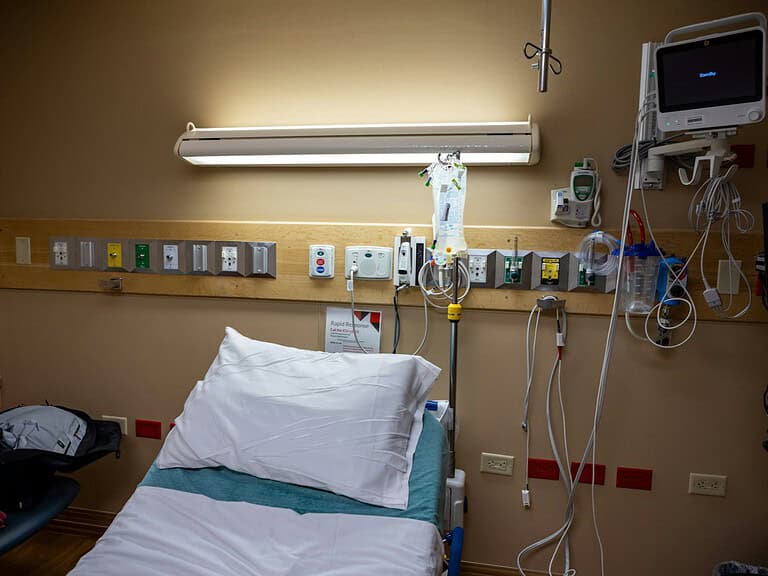
Clinicals, also called clinical duty or clinical rotations, are where nursing school stops being theory and starts being real. You will give your first injection, chart your first assessment, and maybe hold a patient’s hand during their hardest day. You will also feel lost, slow, and nervous at times. Every nurse has been there.
These clinical tips come from what experienced nurses and instructors wish every student knew. Use them, along with the checklist below, to get the most out of every rotation.
Key Takeaways
- Use lists and a brain sheet to stay organized.
- Learn the unit layout and routines early.
- Connect theory to practice by asking why for every task.
- Review common procedures and abbreviations before each rotation.
- Be proactive, honest about mistakes, and respectful to every member of the team.
10 Tips for Nursing Students on Clinicals
Here is how to stand out for the right reasons:
- Fall in love with lists. Write down vital sign times, med times, labs to check, and questions. Include your own meal break so you do not skip it.
- Learn the layout. Find the supply room, med room, crash cart, and linen cart on day one. Hospitals can feel like mazes.
- Connect theory to practice. When you hang IV fluids, ask yourself why this solution for this patient. That habit builds clinical judgment.
- Review basic procedures before each rotation: vital signs, head-to-toe assessment, medication administration, wound care, and Foley care.
- Learn approved abbreviations and write clearly. Know your facility’s do-not-use list.
- Be proactive. Ask your nurse what you can help with, answer call lights, and volunteer for new skills.
- Ask questions, at the right time. Save non-urgent questions for quieter moments, but always ask right away when safety is involved.
- Own your mistakes. Report errors to your instructor and nurse immediately. Honesty protects patients and earns trust.
- Respect everyone. Aides, housekeepers, unit clerks, and therapists all make the unit run, and many will teach you a lot.
- Reflect after every shift. Write down one thing you did well, one thing to improve, and one thing to look up.
What to Bring to Clinicals
Pack your bag the night before so you are not scrambling at 5 a.m.:
- School ID badge and any required documents
- Stethoscope and penlight
- Watch with a second hand
- Black pens (several), a highlighter, and a small notebook
- Brain sheet or report sheet templates
- Pocket drug guide or approved app
- Bandage scissors and a pocket-size reference card for normal lab values
- Clean, approved uniform and comfortable closed-toe shoes
- Water bottle and a packed lunch or snacks
- Hair ties, hand lotion, and a small hand sanitizer
The Night Before
Preparation is where most of your clinical learning happens:
- Research your patient if your program assigns them ahead: diagnosis, history, and plan of care.
- Look up every medication: class, reason for this patient, safe dose, side effects, and nursing considerations.
- Review the pathophysiology of the main diagnosis and expected labs.
- Review skills you might perform, such as head-to-toe assessment and medication administration.
- Prepare your care plan or concept map as required. Our nursing care plans can help.
- Set out your uniform and bag, set two alarms, and get real sleep.
On Your Clinical Duty Day
Make the most of each shift:
- Arrive early. Find your unit, locate supplies, and be ready for pre-conference.
- Introduce yourself to your assigned nurse and patient. Ask how they like to work with students.
- Get report and write it on your brain sheet. Use SBAR when you report off.
- Do your assessment early and report anything abnormal right away.
- Follow the five rights for every medication, with your instructor present as required.
- Never perform a skill alone that you have not been checked off on.
- Ask questions and volunteer for new experiences, like watching a procedure.
- Practice hand hygiene before and after every patient contact.
- Protect privacy. Never take patient photos or share identifiable information. See HIPAA in nursing.
- Thank your nurse before you leave.
After the Shift
Reflection turns experience into learning. Complete your documentation and care plan, write a short reflection on what went well and what you would do differently, list skills to practice in the lab, and look up anything you did not understand. Then rest.
Dealing With Clinical Anxiety
Nervousness before clinicals is very common. Prepare thoroughly the night before, arrive early, take slow breaths before entering a patient room, and remember that your instructor expects you to be learning, not perfect. If anxiety becomes overwhelming, talk to your instructor or campus counseling. See also our nursing school survival guide.
Working With Your Clinical Instructor and Nurse
Your instructor and the staff nurse are your best teachers. Tell them your goals for the day, ask for feedback, and follow their guidance on skills you can perform. If you are struggling with a difficult instructor or nurse, stay professional and ask for a private conversation. Read about the qualities of a great nursing instructor.
Frequently Asked Questions
Here are answers to common questions about nursing school clinicals.
Prepare the night before, stay organized with lists, learn the unit layout, ask questions, be proactive, report mistakes honestly, and reflect after each shift.
Yes. Most students feel nervous. Preparation, arriving early, and asking for help reduce anxiety over time.
Review vital signs, head-to-toe assessment, medication administration and the rights of medication administration, wound care, and approved abbreviations.





 {% endif %}
Leave a Comment