Colonoscopy
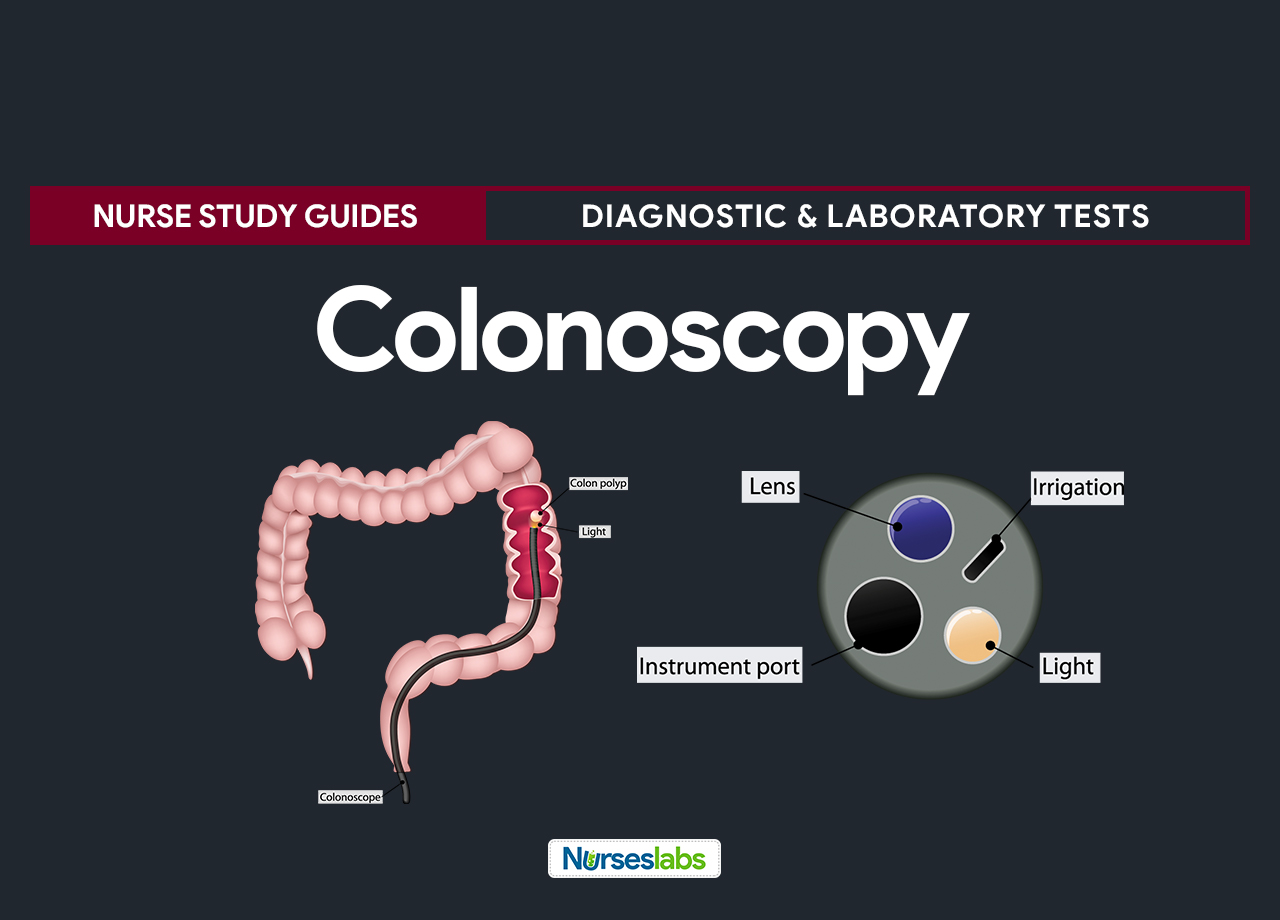
Colonoscopy is a diagnostic procedure that utilizes a flexible fiberoptic colonoscope inserted into the rectum to allow visual examination of the large intestine (colon) lining

Colonoscopy is a diagnostic procedure that utilizes a flexible fiberoptic colonoscope inserted into the rectum to allow visual examination of the large intestine (colon) lining

To help lift your spirits, here are some special messages that have been sent to nurses to show that what you do is appreciated; and also some uplifting stories and views from nurses about working on Christmas day.
Forensic nursing is the application of nursing globally when health and legal arrangements meet. It is one of the most recent, but rapidly growing, specialty areas in nursing.
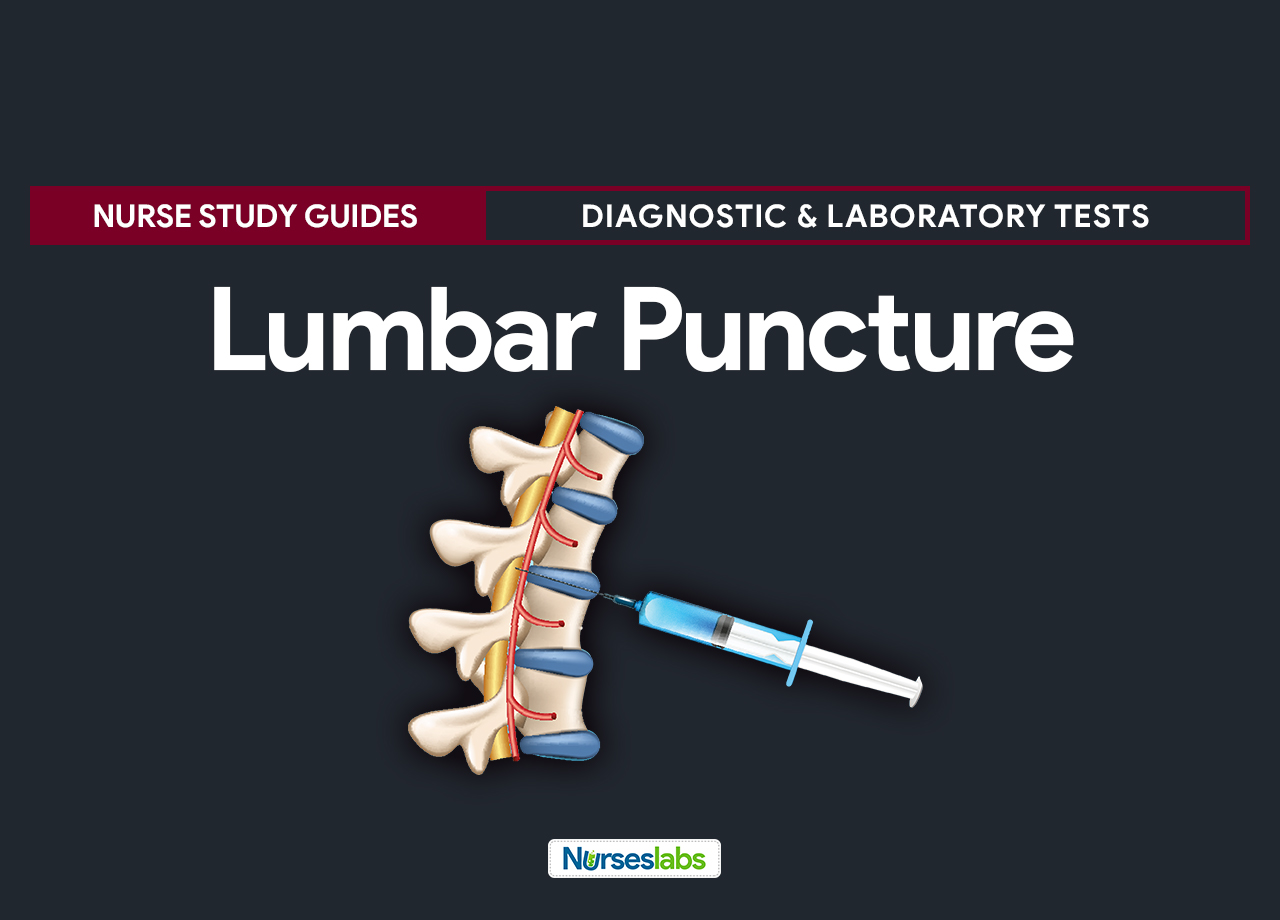
Lumbar puncture, also known as spinal tap, is an invasive procedure where a hollow needle is inserted into the space surrounding the subarachnoid space in the lower back to obtain samples of cerebrospinal fluid (CSF) for qualitative analysis.
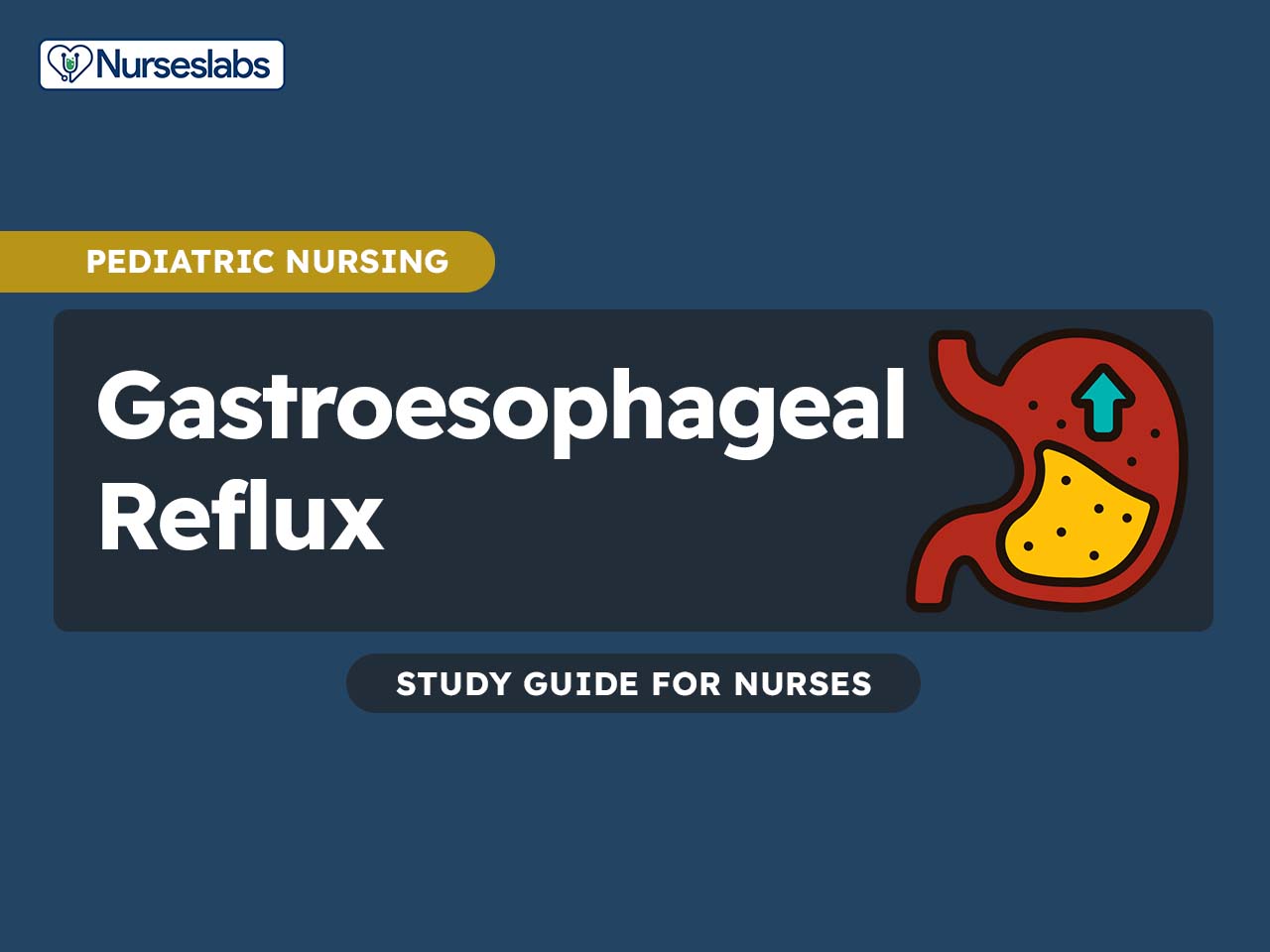
Gastroesophageal reflux (GER) is a common and often benign condition that affects people of all ages. It occurs when stomach contents, including acid and digestive enzymes, flow backward into the esophagus, causing symptoms like heartburn and regurgitation.
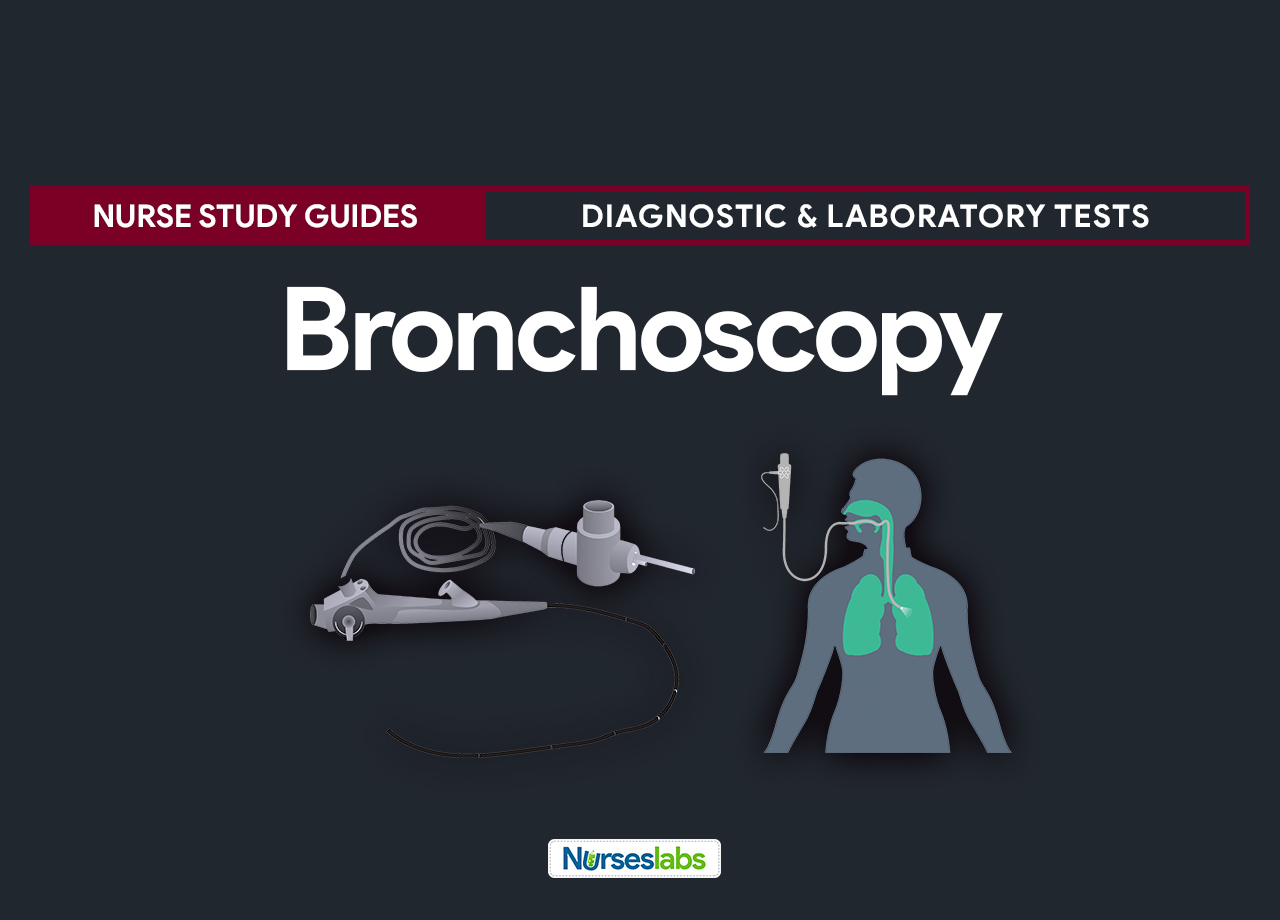
Bronchoscopy is an invasive procedure that permits the direct examination of the larynx, trachea, and bronchi using either a flexible fiberoptic bronchoscope or a rigid metal bronchoscope.
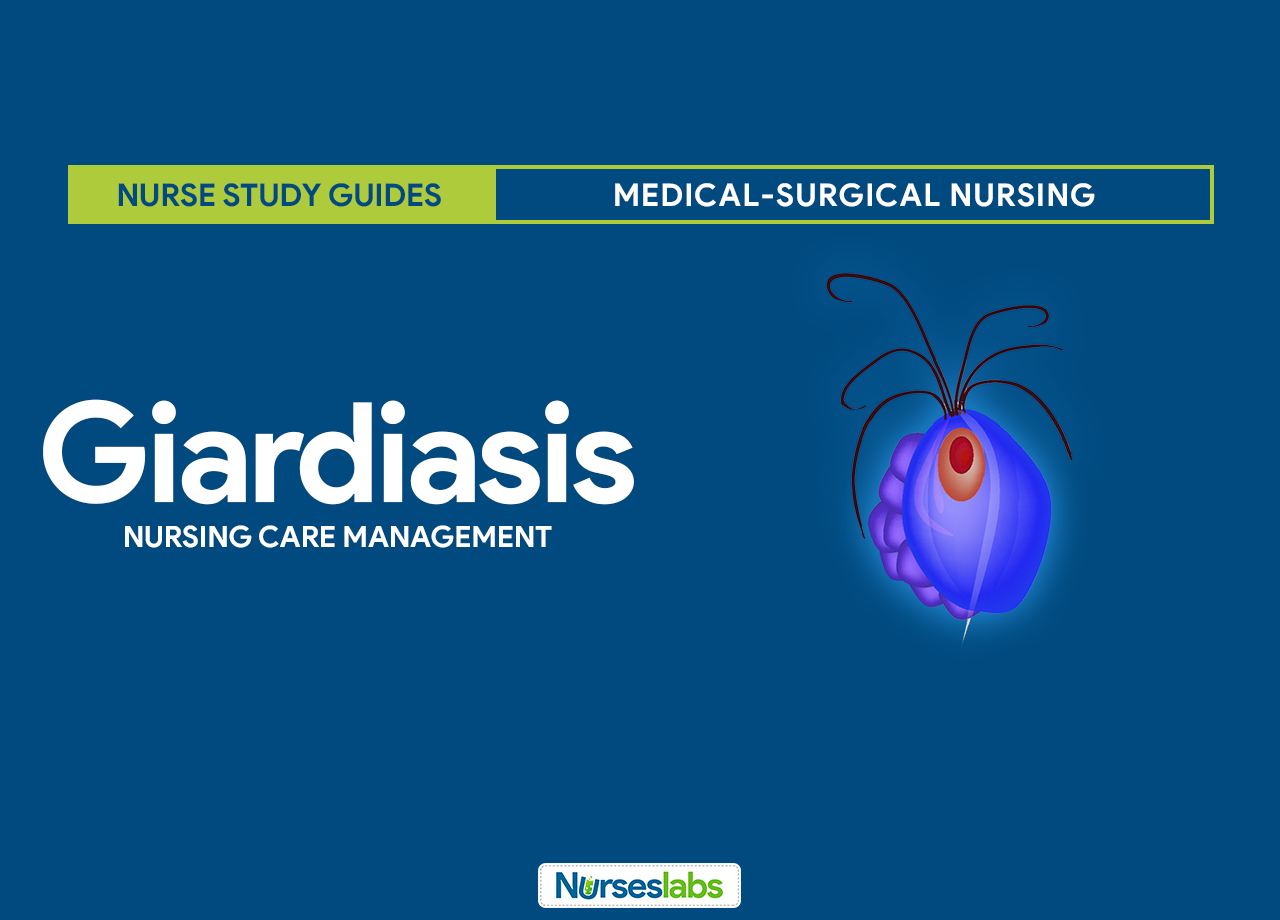
Giardiasis is a major diarrheal disease found throughout the world. It is usually represents a zoonosis with cross-infectivity between animals and humans.

In this article, we will outline the 12 most important nursing care plans for patients undergoing surgery, with a focus on perioperative client care.
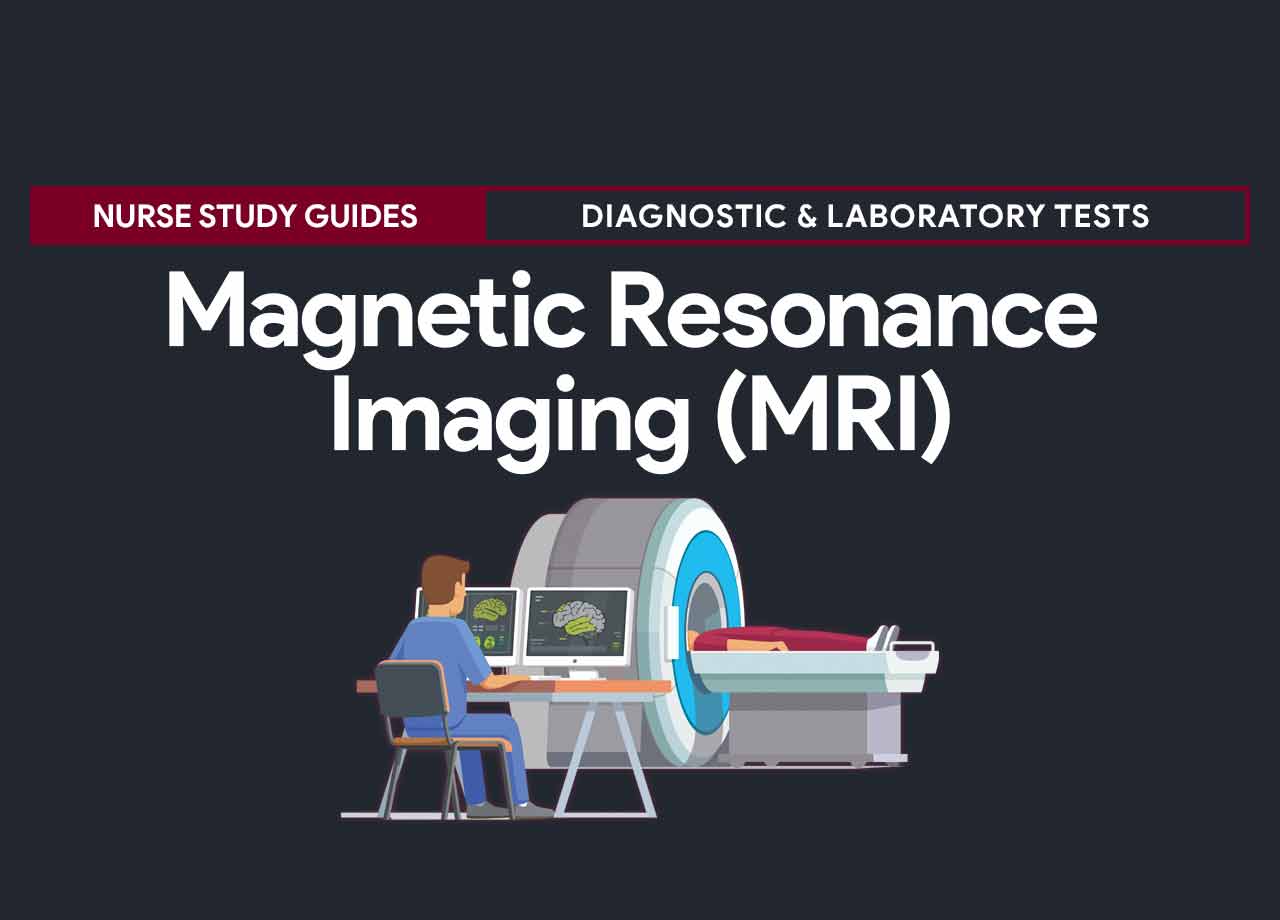
Learn about Magnetic Resonance Imaging (MRI) in this study guide for nurses.
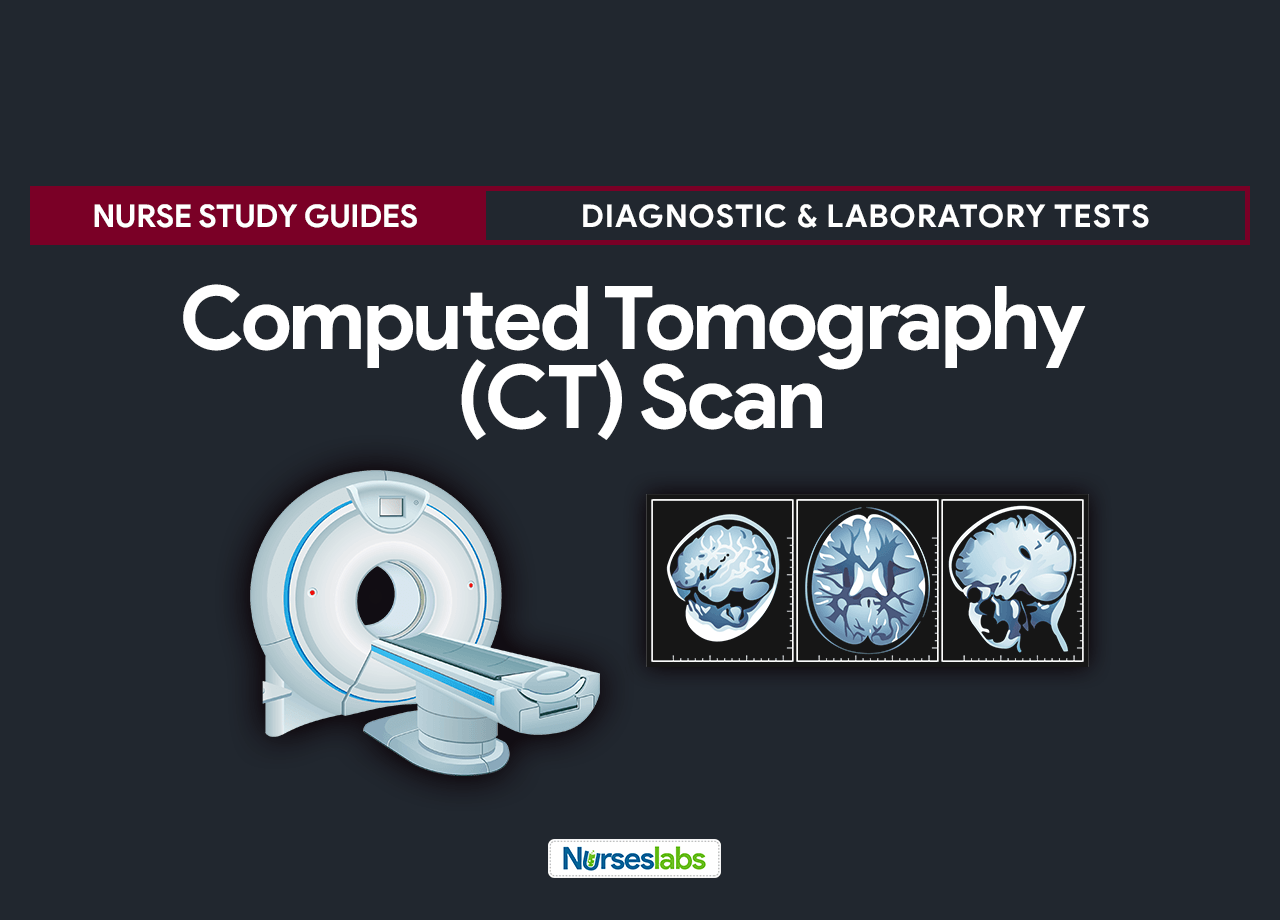
Computed tomography (CT), also known as computerized axial tomography (CAT), or CT scanning computerized tomography is a painless, non-invasive diagnostic imaging procedure that produces cross-sectional images of several types of tissue not clearly seen on a traditional X-ray.
Nurseslabs.com is your trusted resource and lifestyle site for both student and registered nurses. Our mission is to empower the nursing profession by inspiring future nurses, guiding students, and supporting working nurses, thereby uplifting the community and advancing healthcare for all.
Copyright © 2026 Nurseslabs.com
Ut in Omnibus Glorificetur Deus!