

Becoming a Correctional Facility Nurse in the United States is a rewarding career path with diverse clinical challenges, strong job stability, and meaningful patient impact. These specialized registered nurses (RNs) provide healthcare to people incarcerated in jails, prisons, and detention centers. On a typical day, a correctional nurse might treat chronic illnesses, respond to emergencies, manage medications, and educate inmates about health—all within a secure correctional environment. This role blends nursing skills with keen awareness of safety and ethics.
In the sections ahead, we’ll explore how to enter this field (education, RN licensing and NCLEX, experience, and optional advanced practice), the timeline and costs to qualify, typical duties, salaries and job outlook, work settings, potential career paths, and more. Notably, demand is rising: the U.S. Bureau of Labor Statistics projects about a 6% growth in RN employment from 2023 to 2033, creating roughly 197,000 openings each year. With an aging inmate population and ongoing nursing shortages, correctional facility nurses are needed now more than ever.
What Is a Correctional Facility Nurse?
A Correctional Facility Nurse is a licensed nurse (usually an RN, and sometimes an advanced practice RN) who delivers medical care to individuals in custody. These nurses work in federal, state, and county correctional institutions, including prisons, jails, and juvenile detention centers. In practice, a correctional nurse’s duties mirror those of other RNs—performing assessments, treating illnesses and injuries, administering medications, and educating patients—but the setting and patient population make the role unique. Unlike a hospital RN who might see a revolving door of patients, a correctional nurse often cares for the same group of patients (inmates) over longer periods, allowing for continuity in managing chronic conditions and building therapeutic rapport. At the same time, correctional nurses must adhere to strict security protocols and may need to make quick decisions as the first healthcare professional on scene for emergencies.
In terms of credentials, correctional nurses are fully licensed RNs, typically holding an Associate or Bachelor’s degree in nursing (ADN or BSN) and having passed the NCLEX-RN exam (national licensure exam for RNs). They practice under the state’s Nurse Practice Act just like any RN, but often with a high degree of autonomy. In some facilities—especially in small or rural jails—a nurse might be the primary healthcare provider on duty, consulting with physicians or nurse practitioners by phone as needed. This requires confidence and advanced assessment skills. “Prison inmates have higher rates of mental illness, chronic medical conditions, and infectious diseases compared with the general population,” according to the CDC. This means correctional nurses must be prepared to address a broad spectrum of health issues, from managing diabetes, asthma, or hypertension to responding to psychiatric crises or drug withdrawal. Correctional nurses often need extra training in mental health and substance abuse due to the elevated prevalence of these conditions in incarcerated populations. Overall, while a correctional facility nurse is, at the core, a registered nurse, the role demands heightened vigilance, adaptability, and empathy to care for a vulnerable population in a secured setting. See also: Registered Nurse Career Guide: How to Become a Registered Nurse (RN)
How to Become a Correctional Facility Nurse
Becoming a correctional nurse requires first becoming a registered nurse and then gaining the skills suited to correctional healthcare. Below are the typical steps aspiring correctional facility nurses follow, from initial education to continuing development:
1. Earn Your RN License
Complete an accredited nursing program to obtain an ADN or BSN degree, then pass the NCLEX-RN exam to become a licensed Registered Nurse. (While an ADN meets the minimum requirement, many correctional employers prefer a BSN-prepared RN.) Becoming an RN provides the foundational clinical knowledge and licensure needed to practice nursing independently.
2. Gain Clinical Experience
Work 1-3 years in a traditional healthcare setting such as a hospital or clinic. Experience in emergency care, mental health, or trauma is especially valuable, as correctional nurses frequently handle injuries, psychiatric issues, and complex chronic conditions. This phase builds confidence and broad clinical skills.
3. Consider a Graduate Nursing Program
Although not mandatory for basic correctional RN roles, many nurses pursue a Master of Science in Nursing (MSN) or related graduate program to expand their opportunities. For instance, a nurse could become a Family Nurse Practitioner (FNP) or Psychiatric-Mental Health Nurse Practitioner (PMHNP) and work in a correctional facility as an advanced practice provider. Some universities even offer forensic nursing or correctional health tracks. A graduate degree typically takes 2-3 years and deepens one’s expertise in assessment, pharmacology, and specialty care.
4. Obtain Specialty Certification
Certification isn’t required to work as a correctional nurse, but it can validate your expertise. The National Commission on Correctional Health Care (NCCHC) offers the Certified Correctional Health Professional (CCHP) credential, and an advanced CCHP-RN certification specifically for nurses. To earn CCHP-RN, an RN must already hold the base CCHP and pass a specialized exam on correctional nursing. Nurse practitioners would pursue their respective board certifications (e.g., FNP-BC or PMHNP-BC). Certification demonstrates dedication to the field and may be preferred for leadership roles.
5. Secure State Licensure (and/or APRN Licensure)
Maintain an active RN license in your state of practice. If you trained as a nurse practitioner or other APRN, you will need to obtain advanced practice licensure from your state board of nursing after passing your national certification exam. This grants you authority to diagnose and prescribe in a correctional setting (scope of practice varies by state).
6. Engage in Continuing Education
Correctional nurses must pursue continuing education (CE) to keep their license and skills up to date. States typically require RNs to renew their license every 2-3 years with proof of CE hours (e.g., 20-30 hours per renewal period). Correctional healthcare topics—such as infection control, psychiatric care, or legal issues in nursing—are beneficial CE areas. Additionally, maintaining certifications like CCHP-RN will involve periodic renewal fees and continuing education.
Below is a timeline overview of the steps to become a correctional facility nurse, with typical durations and milestones:
| Stage | Typical Duration | Milestones & Requirements |
|---|---|---|
| Complete Nursing Education & RN Licensure (ADN or BSN program; pass NCLEX-RN) | 2–4 years (ADN or BSN) + a few months for NCLEX | – Earn an associate’s or bachelor’s degree in nursing.– Pass the NCLEX-RN exam and obtain state RN license. |
| Gain Clinical RN Experience | 1–3 years (recommended) | – Work in entry-level RN roles (e.g., hospital unit, ER, mental health).– Develop skills in assessments, IVs, emergency response, etc. |
| Graduate Nursing Program (Optional) (MSN/FNP or specialty program) | 2–3 years (full-time MSN) | – Complete a graduate degree if pursuing advanced practice (nurse practitioner) or a forensic nursing specialty.– Typical programs include clinical rotations and specialty courses. |
| Specialty Certification (Optional) (e.g., CCHP-RN or NP board exam) | ~3–6 months to prepare | – Acquire correctional nursing certification via NCCHC (requires prior CCHP) or– If an APRN, pass the national certification exam (e.g., AANP or ANCC for NPs). |
| Advanced Practice Licensure (if APRN role) | Few weeks to months for processing | – Apply to the state board for APRN license (after passing NP exam).– Fulfill any state-specific requirements (supervision agreements if required, etc.). |
| Continuing Education & License Renewal | Ongoing (every 1-2 years) | – Complete required CEUs (topics like inmate healthcare, pharmacology updates).– Renew RN license every ~2 years (varies by state) and APRN license/certification if applicable. |
Note: Many RNs enter correctional nursing after a year or two of general practice. However, some correctional facilities hire new graduate RNs and provide on-site training covering safety, forensic procedures, and legal aspects of care. All correctional nurses, regardless of experience, undergo facility-specific training on security protocols, such as handling sharps, responding to emergencies within locked units, and communication with correctional officers.
Cost to Become a Correctional Facility Nurse
Embarking on a correctional nursing career involves several educational and licensing expenses. The cost can vary widely based on the path you take (community college vs. private university, graduate school, etc.). Below is a breakdown of common costs:
- Nursing Degree Tuition: The largest expense is earning your ADN or BSN. An ADN from a community college might cost $6,000–$20,000 total, whereas a 4-year BSN can range from around $40,000 to over $100,000, depending on the school (in-state public universities being on the lower end and private universities on the higher end). Many students offset costs through financial aid or nursing scholarships.
- NCLEX-RN and Initial Licensure: The NCLEX exam fee is typically $200 in the U.S.. State boards of nursing also charge application fees for an RN license, usually around $100–$300 (plus costs for fingerprints or background checks, ~$75). In total, expect a few hundred dollars to become licensed after graduation.
- Graduate Education (if pursued): An MSN or Nurse Practitioner program can cost anywhere from $30,000 to $80,000 for a master’s at a public university, up to over $150,000 at some private institutions. Costs will be higher for doctoral programs (DNP). Many APRN students continue working as RNs and may receive tuition reimbursement from employers.
- Certification Exams: Basic CCHP certification through NCCHC costs around $230 for the exam, while the CCHP-RN exam is about $330. Nurse practitioner board exams (ANCC or AANP) cost roughly $300–$400. These are often one-time or infrequent costs (certifications generally last 3-5 years before renewal).
- License Renewal and CEUs: RN license renewal fees average $50–$150 per cycle, varying by state. Continuing education courses can be low-cost or even free (employers sometimes provide CE or reimburse it). Budget perhaps $100–$300 per year for CE and license-related expenses (including any professional association dues for networking and free CE opportunities).
Below is a cost snapshot table summarizing key expenses to become a correctional facility nurse:
| Expense Item | Estimated Cost Range |
|---|---|
| ADN Program (2-year) | ~$24,000 – $66,000 total |
| BSN Program (4-year) | ~$40,000 – $100,000 total |
| NCLEX-RN Exam & State License | ~$300 – $500 (exam + fees) |
| MSN/NP Graduate Program (optional) | ~$28,000 – $80,000 (public MSN)Up to ~$150,000+ (private or doctoral) |
| Certification Exams (optional) | $230 – $400 (e.g., CCHP or NP exam) |
| License Renewal & CEUs (ongoing) | ~$100 – $300 per year (varies by state and courses) |
Tip: Many correctional healthcare employers (especially state/federal agencies) offer tuition assistance or loan forgiveness programs to help nurses advance their education. Additionally, joining professional organizations can provide access to free or discounted CEUs, reducing out-of-pocket costs for maintaining your license.
What Correctional Facility Nurses Do?
Correctional facility nurses provide comprehensive nursing care within correctional settings, often acting as the front-line healthcare provider for the inmate population. Their roles and responsibilities include:
1. Daily Sick Call & Assessments
Conduct regular “sick call” clinics where inmates request medical attention. The nurse evaluates each patient’s complaints, performs focused physical assessments, and determines if the condition can be managed on-site or needs referral to a physician or higher-level care. This can range from assessing a cold or rash to triaging chest pain or injury.
2. Intake Screening
When individuals are newly incarcerated or transferred in, nurses perform intake screenings to document medical history, current medications, mental health status, and urgent needs. For example, a correctional nurse will screen for signs of drug or alcohol withdrawal, chronic illnesses, or suicide risk as someone enters the facility. Early intake assessments are crucial for safety and continuity of care.
3. Medication Administration
A major part of the job is administering prescribed medications to inmates, often in a controlled manner (sometimes via a “med line”). Ensuring medication compliance is key – nurses may crush and dissolve certain pills per protocol to prevent hoarding or misuse, and they monitor inmates for side effects or adverse reactions. Documentation is meticulous, as nurses must chart each dose given and watch for “cheeking” (patients hiding pills).
4. Emergency Response & First Aid
Correctional nurses are first responders to medical emergencies within the facility. They carry emergency kits and may be called to a cell or the yard for situations like injuries from fights, chest pain, seizures, suicide attempts, or overdose. They provide first aid or life support (e.g., CPR, wound care, naloxone for overdose) and stabilize the patient until transfer to a hospital if needed. This requires staying calm under pressure and coordinating with security staff during the response.
5. Chronic Care Management
Many inmates have chronic conditions (e.g., diabetes, hypertension, asthma, HIV) that require ongoing management. Correctional nurses run chronic care clinics to monitor these conditions—checking blood glucose levels, administering insulin, managing blood pressure meds, or coordinating HIV therapy. They track patients’ progress, ensure they receive regular labs or examinations, and adjust care plans in consultation with a physician or NP.
6. Mental Health Support
Given the high prevalence of mental health issues in correctional populations, nurses also observe and respond to psychiatric needs. They might administer psychiatric medications, recognize signs of mental health crises (like acute psychosis or severe depression), and collaborate with mental health professionals. In some cases, a correctional nurse may lead or assist with suicide watch monitoring or provide therapeutic communication to an inmate in distress.
7. Patient Education
Education is a key but sometimes overlooked duty. Correctional nurses counsel inmates on topics like hygiene, wound care, chronic disease management, and preventive health. For instance, they may teach a diabetic inmate how to follow a healthy diet from available commissary options, or instruct someone with asthma on inhaler technique. They also educate on medication purpose and side effects, aiming to improve adherence.
8. Health Records & Documentation
Correctional facilities maintain detailed medical records separate from the general community. Nurses are responsible for accurate documentation of all care provided, changes in condition, administered treatments, and any patient interactions. They also must maintain proper inventory of medical supplies and medications and account for all sharps to prevent misuse. Documentation may extend to incident reports if an unusual event occurs.
9. Collaboration and Security
Correctional nurses work closely with multidisciplinary teams. They coordinate with doctors or nurse practitioners (on-site or via telehealth) for advanced care, assist visiting specialists (like dentists or optometrists) by scheduling and preparing patients, and communicate with mental health counselors. Uniquely, they also collaborate with correctional officers—for example, a nurse might rely on officers for escort and scene safety when going to an inmate emergency, or the officer might alert medical staff to an inmate appearing ill. Nurses must always balance advocacy for patient health with the security rules of the institution. This includes following protocols like tool counts (making sure no syringe or instrument is missing) and never compromising safety (e.g., not letting an inmate get between the nurse and the exit).
Scope of Practice
Correctional facility nurses perform both routine and advanced tasks similar to a clinic or emergency setting. However, what an RN is permitted to do can vary by state law and facility policy. In some states, experienced RNs in corrections might suture simple lacerations or initiate certain protocols in an emergency, while in others they must strictly stabilize and transfer.
Nurse practitioners in corrections (if present) can diagnose and prescribe, but state laws dictate whether they practice independently or under physician oversight. Generally, correctional nurses operate under standing orders and protocols for common scenarios (e.g., treating mild hypoglycemia or asthma attacks), and they know when to refer patients to a higher level of care. Despite the non-traditional setting, they remain accountable to nursing standards and ethical codes just as hospital nurses do.
How Much do Correctional Facility Nurses Earn?
Salaries for correctional facility nurses are competitive, reflecting both the advanced skills required and the challenging work environment. Because most correctional nurses are employed by government agencies (state prisons, federal prisons, county jails), they often earn slightly more than the average hospital RN.
Salary of Correctional Facility Nurses
According to the latest BLS data, the median annual wage for RNs was $93,600 in May 2024, with 50% earning between about $78,600 and $108,000. Entry-level RNs (10th percentile) earned around $66,000, whereas the most experienced RNs (90th percentile) made over $135,000. Notably, RNs working in government settings had a median wage of $106,480, higher than the overall median. This suggests that a full-time prison or jail nurse can often expect a salary on the upper end of the RN scale, especially after a few years of experience.
Below is a snapshot of RN salaries by state, illustrating how location influences pay. It shows figures for one high-paying state, a couple of above-average and mid-range states, and a lower-paying state:
| State | Median Annual RN Salary (BLS) |
|---|---|
| California – highest-paying state | $140,330 |
| New York – high cost of living, high pay | $105,600 |
| Texas – large state, moderate pay | $90,010 |
| Florida – popular average-range market | $82,850 |
| Mississippi – lower-range market | $74,470 |
Source: U.S. Bureau of Labor Statistics, May 2024 data (median RN salaries).
These figures are for RNs in all settings, but they align with what correctional nurses earn. For example, a state prison nurse in California (with a BSN and several years of experience) might earn around six figures due to California’s high prevailing wages and unionized state employee pay scales. On the other hand, a correctional nurse in Mississippi may earn in the $70Ks but benefit from a lower cost of living. Federal prison nurses (e.g., working for the Bureau of Prisons) are paid on the government General Schedule (GS) scale, which can be very competitive and includes locality pay adjustments.
For those who advance to nurse practitioner roles in correctional facilities, salaries are higher. Nurse practitioners (NPs) nationwide have a median salary around $121,610 (May 2024), and an NP working in a prison might earn anywhere from $100,000 to $150,000 depending on location and experience. These roles often have titles like “Nurse Practitioner – Corrections” or “Psychiatric NP – Jail Health” and involve providing primary care or mental health services to inmates.
Job Outlook
In terms of job outlook, correctional nursing is part of the overall nursing workforce, which is growing. The BLS projects 6% growth for registered nurse employment from 2023 to 2033, which is faster than the average for all jobs. This rate equates to roughly 197,000 new RN jobs nationally over the decade. Several factors drive this demand: an aging U.S. population, an increase in chronic conditions, and many current nurses retiring. Correctional facilities specifically are seeing a rising need for skilled nurses due to initiatives to improve inmate healthcare and an acknowledgment of the complex health needs of incarcerated individuals (including an aging inmate demographic and widespread issues like opioid withdrawal, hepatitis C, and mental illness). Many prisons and jails struggle to recruit and retain healthcare staff, which can lead to staffing shortages—a signal of strong job security for those who do enter this specialty.
The combination of competitive salary and stable public-sector employment (often with union protection and pensions in state/federal systems) makes correctional nursing attractive to many. According to ZipRecruiter, the national average salary specifically advertised for “correctional nurses” is around $68,000 (likely reflecting some entry-level positions and lower-cost areas), but experienced correctional RNs in high-demand areas can earn much more. Also, benefits add significant value: government-employed correctional nurses enjoy comprehensive benefits—medical, dental, vision insurance, retirement plans, and generous paid leave. For example, many state correctional nurses get 4 weeks of paid vacation plus 10+ holidays per year, which is above what many private hospitals offer.
Bottom line: The career and salary outlook for correctional facility nurses is very positive. There is consistent demand across the country, and opportunities range from local jails (often hiring per-diem or contract RNs) to federal prisons (offering long-term careers). Nurses seeking job stability and willing to work in a non-traditional setting will find this field rewarding both professionally and financially.
Specializations & Subspecialties
While “Correctional Facility Nurse” is itself a specialty of nursing, there are further subspecialties and advanced roles one can pursue within correctional healthcare. Here are some primary specializations and roles in the field, each with a brief description:
Correctional Nurse Practitioner (NP)
An advanced practice nurse who provides primary care to inmates. These are often Family Nurse Practitioners or Adult-Gerontology NPs who diagnose illnesses, prescribe medications, and order tests for the incarcerated population. Serving as a primary care provider within a prison/jail, managing everything from acute infections to chronic disease to women’s health for inmates. Requires an MSN/DNP and NP certification; many also obtain DEA registration to prescribe controlled substances for issues like pain management or opioid withdrawal.
To illustrate how subspecialties can vary, here’s a chart with a few examples:
| Subspecialty Role | Focus & Key Responsibilities | Typical Settings | Extra Training/Certifications |
|---|---|---|---|
| Correctional Nurse Practitioner (APRN) | Acts as primary care provider: performs exams, diagnoses conditions, prescribes meds, manages chronic diseases for inmate population. Also may provide women’s health and urgent care on-site. | State or federal prisons; large jails (often where physician on-site is limited) | MSN or DNP degree; NP certification (e.g. FNP-BC); state APRN license; DEA license for prescribing. |
| Psychiatric Correctional Nurse (Including PMHNP) | Provides mental health care: conducts psych evaluations, administers psychiatric medications (antidepressants, antipsychotics, etc.), crisis intervention for suicidal or self-harming inmates, coordination with psychiatrists. | Prisons with mental health units; psychiatric prisons or jail clinics; juvenile facilities with high mental health needs. | RN with psych nursing experience or PMHNP-BC for NPs. May have Psychiatric-Mental Health Nursing (RN-BC) certification for RNs. Training in de-escalation and trauma-informed care. |
| Infection Control Nurse (Correctional) | Monitors and manages communicable diseases: runs TB skin test programs, coordinates HIV/HCV clinics, isolates inmates during outbreaks, ensures sanitation and vaccination protocols. Educates inmates and staff on hygiene and disease prevention. | Large prisons (especially intake centers); jails with frequent turnover; any facility during outbreaks (e.g., COVID quarantine units). | RN license; often Certification in Infection Control (CIC) or public health certification. Familiarity with CDC guidelines and reporting requirements. |
| Nurse Educator/Trainer (Inmate & Staff Education) | Teaches and trains: conducts health education for inmates (like classes on managing diabetes or smoking cessation); trains correctional officers on first aid; orients new nurses/EMTs to the facility’s procedures; drills for emergency responses. | State prison systems with training departments; larger jails; juvenile facilities (for life skills and health classes). | BSN or MSN; Certified Nurse Educator (CNE) is a plus (for academic educators); on-the-job expertise in correctional policies. Strong presentation and communication skills. |
| Correctional Nursing Administrator (Manager) | Leadership and oversight: manages nursing staff scheduling, hiring, and evaluations; ensures compliance with health regulations and accreditation (NCCHC/ACA standards); budget for medical supplies; policy development. Often liaises with custody leadership on healthcare matters and resolves inmate medical grievances. | Large jails (Medical Unit Manager); prisons (Director of Nursing or Health Services Administrator); entire state DOC healthcare departments. | BSN (minimum), MSN or MHA preferred. Certified Correctional Health Professional (CCHP) recommended. Strong management experience. Possibly Lean/Six Sigma training for quality improvement. |
Correctional Mental Health Nurse
A nurse (RN or NP) specializing in the psychiatric needs of inmates. They often focus on assessing mental health status, administering and monitoring psychotropic medications, leading therapeutic group sessions in jail, and working closely with psychologists/psychiatrists. With so many inmates diagnosed with conditions like depression, PTSD, or schizophrenia, these nurses are critical for continuity of psychiatric care. An RN may have a background in psych nursing; an NP might be a Psychiatric-Mental Health NP. Certification as a PMHNP or psychiatric nurse is beneficial.
Juvenile Corrections Nurse
This nurse works in juvenile detention centers or youth correctional facilities, where the inmate population consists of minors (often ages 12–17). They focus on addressing adolescent health issues, which can include sports injuries, growth and developmental concerns, mental health, and preventive education (e.g., sexual health). They also coordinate with juvenile justice caseworkers and sometimes the youths’ families. Note: Pediatric nursing knowledge is important; some have Pediatric Nursing Certification (RN-BC) or an adolescent medicine background.
Infectious Disease/Public Health Nurse (Correctional)
A role focusing on controlling communicable diseases behind bars. They often conduct TB testing for new inmates, managing HIV and hepatitis C treatment programs, monitoring for outbreaks (like influenza or COVID-19), and promoting infection control practices within the facility. These nurses often liaise with public health departments. They are often an RN with a public health background or even an MPH (Master of Public Health). Some obtain the Certified in Infection Control (CIC) credential.
Correctional Nurse Educator
An RN who focuses on training staff and educating inmates. For staff – orienting new correctional healthcare workers, conducting CPR/first aid refreshers, and ensuring nursing procedures meet standards. For inmates – designing health education programs (e.g., classes on managing diabetes or avoiding STDs). Training typically requires BSN or MSN; experience in education. This role helps improve healthcare delivery by boosting knowledge across the board.
Correctional Nursing Manager
A leadership role, such as Charge Nurse, Nurse Supervisor, or Director of Nursing in a correctional facility. Overseeing the medical unit’s operations—staff scheduling, policy implementation, quality improvement, and coordination with custody administration. They ensure the facility meets accreditation standards (NCCHC or ACA standards) and handle higher-level administrative tasks.
Some of these subspecialties can be held simultaneously. For example, a Correctional NP might also be the Nurse Manager of a small jail’s health unit, or a staff RN might take on the Infection Control Nurse duties in addition to general patient care. The exact roles available will depend on the size and resources of the facility. Large prison systems might employ a whole team (e.g., multiple NPs, a full-time infection control nurse, etc.), whereas a small county jail might have just a handful of nurses wearing many hats.
These specialized roles show how one can tailor a correctional nursing career to their interests, whether it’s advanced practice, mental health, public health, education, or administration. Importantly, professional development in correctional nursing is supported by various organizations. For instance, the American Correctional Association (ACA) and NCCHC offer conferences and workshops where nurses can learn about new subspecialties (e.g., telehealth in corrections is an emerging area). Many correctional nurses also consider themselves part of the broader field of forensic nursing, which encompasses caring for patients within the criminal justice system. This means they can connect with forensic nursing networks and perhaps cross-train in areas like Sexual Assault Nurse Examiner (SANE) roles, which, while usually on the victim advocacy side, can occasionally interface with correctional healthcare (e.g. examining an inmate who alleges a sexual assault in custody).
Professional Organizations & Resources
Correctional facility nurses can benefit greatly from joining professional organizations and using specialty resources. These organizations provide networking, education, advocacy, and certifications that support nurses in this unique field. Below is a list of key organizations and what they offer:
| Organization & Website | Membership / Reach | Primary Mission | Member Benefits |
|---|---|---|---|
| National Commission on Correctional Health Care (NCCHC)(ncchc.org) | Not a membership society; an accrediting and certifying body with national reach (hundreds of correctional facilities accredited; thousands certified through CCHP programs).* | Improve the quality of health care in jails and prisons nationwide. NCCHC sets standards for healthcare services in correctional facilities and offers accreditation to those meeting them. It also administers the CCHP certification for professionals. | – Standards & Guidelines for correctional health services.– Certifications: CCHP, CCHP-RN, etc., validating expertise.– Conferences & Education: NCCHC’s annual conference is a major training event for correctional health professionals, with CE sessions.– Publications: Journal of Correctional Health Care, position statements, and resources to stay updated on best practices. |
| American Correctional Health Services Association (ACHSA)(achsa.org) | Membership organization for multidisciplinary correctional healthcare professionals across the U.S. (founded in the 1980s). Chapters/regions exist (e.g., Western ACHSA). | Provide a professional community and education for correctional health practitioners. ACHSA’s mission is to support nurses, doctors, and others working in correctional settings through networking and knowledge-sharing. | – Annual Conference bringing together nurses, mental health professionals, and administrators to discuss best practices.– Networking: Access to a national network of peers (forums, chapter meetings) to share solutions to common challenges in correctional nursing.– Education: Webinars and seminars on topics like legal issues, clinical updates (often with CE credits).– Newsletter/Journal: Updates on legislation, case studies, and innovations in correctional healthcare. |
| Academy of Correctional Health Professionals(correctionalhealth.org) | Individual membership community with a nationwide reach; open to anyone in correctional health care. (It often works closely with NCCHC events.) | Advance the professional growth of correctional health practitioners. The Academy focuses on collegial support, continuous learning, and excellence in practice within corrections. | – Peer Community: Online member forums and local meet-ups to discuss clinical and ethical issues specific to corrections.– Educational Webinars: Regular webinars on topics like medication-assisted treatment in jails or managing COVID-19 behind bars (free or discounted for members).– Mentoring: Matching newer correctional nurses with experienced mentors in the field.– Scholarships: Sometimes offers scholarships or grants to attend conferences or pursue certifications. |
| International Association of Forensic Nurses (IAFN)(forensicnurses.org) | A global membership of forensic nurses, including those in correctional nursing roles. Over 4,000 members worldwide, with U.S. chapters. | Promote excellence in forensic nursing practice. Forensic nurses provide specialized care to victims and perpetrators of crime. Correctional nursing is recognized as a sub-discipline of forensic nursing. IAFN sets standards and offers training for various forensic nursing roles (e.g., SANE). | – Forensic Nurse Certification: Training and certification for Sexual Assault Nurse Examiners (which some correctional nurses obtain to care for assault victims in custody).– Education & Journal: Journal of Forensic Nursing and webinars on topics like care of incarcerated populations, evidence preservation, etc.– Annual Conference: Networking with forensic and correctional nurses globally, sharing research and techniques.– Advocacy: Promotes policies that support healthcare in the justice system (like addressing prison rape or trafficking). |
| American Nurses Association (ANA) – Correctional Nursing(nursingworld.org) | ANA is the largest nursing organization in the U.S. (over 4 million nurses represented). While not specific to corrections, it has published specialty standards for correctional nursing. | Advance the nursing profession and promote high standards of nursing practice. Through its corrections nursing resources, ANA recognizes the unique role of correctional nurses and provides a framework for practice. | – Scope & Standards: ANA’s Correctional Nursing: Scope and Standards of Practice (3rd Edition, 2020) defines the expectations and competencies for correctional nurses.– Continued Education: CE modules that can apply to correctional health (e.g., handling inmate populations, ethics in nursing).– Professional Recognition: Affiliation with ANA gives correctional nurses a voice in broader nursing policy discussions. ANA also occasionally features articles or blogs on correctional nursing, offering insights and raising awareness within the profession. |
Membership in these organizations isn’t mandatory, but it offers support and growth opportunities. Correctional nursing can be isolating (since your “unit” is behind barbed wire, away from a traditional hospital community). Being part of a professional group lets you discuss challenges with those who understand, stay current on legal changes (like new healthcare regulations affecting inmates), and even find job opportunities. For example, job boards run by NCCHC or ACHSA list openings for correctional nurses and leadership roles nationwide.
Beyond organizations, valuable resources include government reports and research on inmate health (such as the Bureau of Justice Statistics reports on prison health trends or CDC guidelines for correctional facilities). These help nurses advocate for improvements in care. In summary, engaging with professional organizations and resources empowers correctional facility nurses to continually improve their practice and advance the specialty as a whole.
Skills & Qualities
Thriving as a correctional facility nurse requires a blend of strong clinical skills and exceptional interpersonal abilities. Nurses in this field often operate with greater independence and must balance patient care with safety considerations. Key skills and qualities include:
Clinical Judgment & Critical Thinking
Correctional nurses must make quick, sound decisions. You might be the first to evaluate a patient in distress (e.g. chest pain or a possible overdose) and need to determine the next steps without a doctor immediately on hand. Sharp assessment skills and the ability to interpret subtle symptoms are essential. Critical thinking also helps in resource-limited settings—figuring out how to manage a wound with limited supplies or adapt protocols during a facility lockdown.
Attention to Detail
In a high-stress environment, noticing subtle changes can save lives. Whether it’s a slight change in an inmate’s behavior indicating a brewing medical issue or a detail missed in a medication order, correctional nurses must be detail-oriented. This also applies to meticulous documentation and following through on every task (for example, ensuring every pill is swallowed, every sharps count is correct).
Excellent Communication Skills
Correctional nurses communicate with a wide range of people—patients who may be distrustful or scared, correctional officers with no medical background, physicians by phone, and sometimes legal personnel. Being able to explain health issues in plain language and negotiate with patients is vital. Effective communication builds trust; inmates need to see the nurse as someone who listens and advocates for their well-being. Communication with the security team is also crucial (e.g., clearly calling for urgent assistance or calmly de-escalating a situation with an agitated inmate using verbal techniques).
Empathy and Nonjudgmental Attitude
Inmates come from all walks of life and may have histories that include serious crimes, but as a nurse, you provide compassionate care to all. Successful correctional nurses have genuine empathy and can separate the person from their behavior or charges. They treat inmates with respect and dignity, which often encourages better patient cooperation. A nonjudgmental approach is particularly important when dealing with sensitive issues like substance withdrawal or mental illness, where patients may feel vulnerable.
Emotional Resilience & Stress Management
The correctional environment can be emotionally taxing. Nurses may witness trauma, deal with hostile or manipulative behavior, or simply carry the stress of being in a secure institution daily. Emotional stability and healthy coping mechanisms are key. This means maintaining professionalism even if a patient directs anger at you, and not taking things personally. Many correctional nurses practice self-care strategies outside of work (exercise, debriefing with colleagues, counseling if needed) to manage stress.
Confidence and Assertiveness
Working behind bars requires a confident demeanor. Nurses must often assert themselves to advocate for a patient’s needs, even in a hierarchical system. For instance, confidently telling a correctional officer, “This patient needs to be seen at the hospital now,” or setting firm limits with an inmate who is testing boundaries. According to the ANA, confidence and assertiveness are essential traits – nurses need to project self-assurance to navigate strong personalities among both inmates and staff.
Solid Ethics and Professional Boundaries
Correctional nurses walk a fine line between caring and caution. They need a strong ethical compass to ensure patients’ rights are respected (confidentiality, informed consent) while also enforcing boundaries. Inmates might test boundaries by seeking extra favors, or conversely, some custody staff might unintentionally push nurses to share health information inappropriately. A skilled correctional nurse knows how to say no diplomatically, maintain patient confidentiality, and avoid dual relationships. Being friendly but firm – therapeutic rapport without being a “friend” – is crucial.
Teamwork & Collaboration
Despite often working independently, correctional nurses are part of a bigger team that includes doctors, mental health specialists, social workers, and security officers. Teamwork skills ensure smooth coordination, such as during a medical emergency when multiple responders (medical and security) are on scene. Nurses who can collaborate and show respect for their custody colleagues’ roles foster a safer, more cooperative environment overall.
Adaptability and Flexibility
The daily routine in correctional facilities can change in an instant – a lockdown might interrupt med pass, or an influx of new arrestees might suddenly overwhelm intake. Being adaptable is a must. Correctional nurses often say, “Expect the unexpected.” One moment you’re doing paperwork, the next you’re responding to an inmate fight. Flexibility also extends to working in a less-equipped setting; you might not have high-tech diagnostic tools on-site and need to rely on your wits and basic nursing tools.
Safety and Security Awareness
Finally, a top-performing correctional nurse always has a safety mindset. This includes keen observational skills (reading the room for tension), knowing emergency codes and evacuation routes, keeping personal items secure (so they can’t be used as contraband), and following all security procedures without fail. It’s a unique skill to integrate into nursing practice—caring for your patient while also never forgetting you’re in a correctional setting. Nurses who excel here often undergo training in self-defense, de-escalation, and emergency response, and they maintain a calm, alert presence on the job.
In summary, correctional facility nursing demands a high level of professionalism, compassion, and composure. You rely on the same core nursing skills as any RN, but you refine them to handle a challenging environment. Many nurses note that working in corrections made them more confident and well-rounded clinicians. As one correctional nurse shared, “After a while, you develop a sixth sense for safety and an ability to handle anything from a heart attack to a panic attack—sometimes all before lunch.” These skills not only serve the nurse well in the correctional arena but are transferable to any healthcare setting.
Pros & Cons of a Correctional Facility Nurse Career
Like any nursing path, working as a correctional facility nurse comes with distinct advantages and challenges. It’s important to weigh these pros and cons when considering this career.
Pros
Diverse Clinical Experiences: Correctional nurses encounter a wide range of medical conditions. In a single week, you might treat diabetes, manage a detoxing patient, respond to injuries, and address mental health crises. This variety can accelerate your learning and keep the work engaging. Nurses often say correctional health is like combining urgent care, primary care, and psych nursing in one job.
High Degree of Autonomy: Especially in prison infirmaries or small jails, nurses often practice with significant independence. You develop confidence in your clinical judgments. This autonomy is professionally rewarding—correctional RNs can initiate protocols or make preliminary decisions that hospital RNs might not. It’s an environment that encourages critical thinking and leadership at the bedside.
Strong Job Security & Benefits: Demand for correctional nurses is consistently high, as every jail and prison must have healthcare staff (and many facilities struggle to recruit). Once hired, job security is robust due to the constant need. Many positions are government jobs which offer excellent benefits: state pensions/retirement plans, comprehensive health insurance, and ample paid leave (often more generous than private sector). There’s also typically eligibility for federal/state loan forgiveness programs when working in public service.
Meaningful Impact on Underserved Patients: Incarcerated individuals are an underserved population; many have never received regular healthcare before. As a correctional nurse, you can truly make a difference by catching untreated conditions or educating patients who often lack health literacy. It’s not uncommon to hear inmates express genuine gratitude—nurses are sometimes the first people to show them compassionate care. This sense of making a positive impact on someone’s life (even in a small way, like managing their blood pressure or listening to their concerns) is deeply fulfilling.
Team Camaraderie & Structured Environment: Correctional nurses frequently report a strong sense of teamwork in their facilities. Working in a high-stakes environment tends to bond colleagues closely—medical staff rely on each other and on correctional officers for support. The structured nature of the setting (scheduled counts, rounds, etc.) creates a routine that some find comforting. Also, unlike a busy hospital where nurses might rarely take breaks, correctional healthcare may allow more structured breaks when the facility’s schedule permits (e.g., lockdown times).
Competitive Pay (in many regions): As noted earlier, salaries for correctional nurses can be higher than hospital med-surg nurses, particularly with a few years of tenure. Overtime opportunities are often available as well, given staffing shortages. For example, a prison RN can often pick up an extra shift for premium pay, and agencies also hire travel or per-diem nurses in corrections at attractive rates. Financially, it can be a rewarding field.
Cons
Safety Risks and Stressful Environment: The most obvious concern is working in a correctional facility can be dangerous. There is a potential risk of violence towards healthcare staff, exposure to contraband or weapons, and the need to constantly be security-conscious. Although facilities have protocols and officers for protection (and serious incidents are rare), the perceived risk can be stressful. The environment is highly controlled and can become volatile unexpectedly. This ever-present vigilance can contribute to mental fatigue or anxiety over time.
Resource Limitations: Correctional nurses do not have the same support or equipment immediately at hand as hospital nurses. You may have limited on-site diagnostic tools (perhaps just basic lab tests or an EKG) and must send patients out for anything advanced. Specialists are typically available only via scheduled clinics or telemedicine. This means you often have to work with minimal resources and sometimes make do in ways that can be challenging (for example, managing a complex wound with fewer dressings or inventing a temporary solution until proper treatment is available). It can be frustrating when you know what a patient needs but must navigate bureaucracy or delays to get it for them.
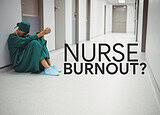
Emotional Challenges & Burnout: Caring for inmates can take an emotional toll. You will likely hear tragic life stories or see the consequences of violence, addiction, and mental illness up close. It can be emotionally draining to maintain empathy for patients who may be difficult, manipulative, or who have committed serious crimes. Some nurses experience moral distress, especially if they find themselves sympathizing with an inmate-patient or feeling conflicted about treating someone who has harmed others. Without healthy coping strategies, burnout is a risk. High stress coupled with sometimes negative public perception (“Why would you want to treat criminals?”) can make it hard if you don’t have a good support system.
Strict Security Protocols & Loss of Nursing Conveniences: Working behind the wall means adhering to many non-clinical rules. For instance, personal items are restricted (no cell phones, limited jewelry or pens), which can feel stifling. You might have to account for every bandage or scissor, and something simple like retrieving a supply can involve going through locked doors or calling an officer. The pace can be slower due to security (e.g., waiting for an escort), which some find frustrating when a medical situation is urgent. Additionally, the atmosphere (barred windows, clang of steel doors) can be depressing or claustrophobic for some individuals over time.
Potential for Adverse Patient Interactions: Not every inmate will be grateful for your help; some may be hostile or try to exploit the nurse’s compassion. Manipulation attempts are a known challenge – inmates might feign symptoms to get drugs (like pain meds) or seek medical trips outside as a way to escape or get contraband. Correctional nurses must always be on guard to distinguish true illness from deceit. This can create a cynical mindset if one isn’t careful. Being constantly on alert with patients, rather than being able to trust them, is a different dynamic than most nursing jobs and can be viewed as a downside.
Irregular Hours and Staffing Shortages: Many correctional facilities operate 24/7 clinics, meaning night shifts, weekend shifts, and holiday work are common (similar to hospital work). However, due to shortages, correctional nurses might find themselves frequently asked to work overtime or being on-call. Jails in particular may have lean staffing on nights (maybe one nurse for the whole facility), so if someone calls out, it’s a big issue. The odd hours and understaffing can lead to work-life balance challenges. It’s not uncommon for rural facilities to have chronic vacancies, so the existing nurses carry a heavy load to compensate.
Despite the cons, many correctional nurses are passionate about their field and choose to stay for years or decades. Often the pros and cons intermingle: for example, the high autonomy (a pro) comes with high responsibility and occasional stress (a con). Likewise, the challenging patients (con) make the successes—like earning a difficult patient’s trust or seeing health improvements—that much more rewarding (pro). It’s a career where self-awareness is key: understanding the difficulties you might face and having strategies to handle them (mentorship, debriefing, utilizing mental health resources for staff, etc.) can mitigate the cons.
In deciding if the pros outweigh the cons, consider visiting a facility if possible or talking with a current correctional nurse. The environment is not for everyone, but those who thrive in it often describe a strong sense of purpose and professional pride.
Ready to Become a Correctional Facility Nurse?
A career as a correctional facility nurse is filled with both significant rewards and notable challenges. On one hand, you have the opportunity to deliver crucial healthcare to a marginalized population, forming bonds with patients who genuinely benefit from your care. The role offers variety, autonomy, and the stability of a in-demand profession. On the other hand, the environment can be high-pressure and requires a vigilant, resilient nurse who can navigate safety risks and resource limits. In reflecting on this path, many correctional nurses say the gratitude of patients, the camaraderie among staff, and the personal growth they experience far outweigh the difficulties. It’s a nursing specialty that goes beyond treating illnesses – it’s about caring for human beings in their hardest times, within the most controlled of settings.
If you’re excited by the idea of broadening your skills, advocating for underserved patients, and working in a non-traditional setting, correctional nursing might be your calling. It takes a brave and adaptable nurse to walk through the prison gates each day and make a difference behind the bars. Given the complexities and considerations we’ve explored – from training and costs to daily duties, pros and cons – do you feel ready to step into the world of correctional facility nursing and embrace its unique challenges and rewards?








Leave a Comment