

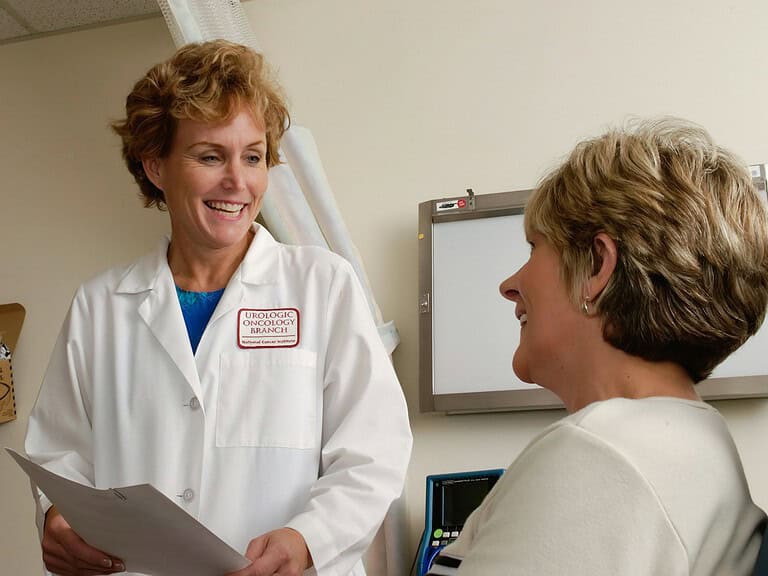
You can give a patient perfect discharge instructions and still see them back in two weeks. Knowing what to do is not the same as believing it matters, feeling able to do it, or having the support to follow through. That gap between information and action is where nurses make some of their biggest impact.
This guide explains how health beliefs shape behavior, using the Health Belief Model, and gives practical ways nurses can teach, motivate, and support patients to make lasting changes. It updates our earlier article on how nurses influence health beliefs and behaviors.
Key Takeaways
- Patients act on what they believe about their risk, the benefits of change, and their ability to change, not just on facts.
- The Health Belief Model helps nurses find the real barrier to change.
- Teach-back is the simplest way to check whether a patient understood.
- Motivational interviewing helps patients find their own reasons to change.
- Small, specific goals work better than long lists of instructions.
Why Health Beliefs Matter
Two patients with the same diagnosis and the same instructions can have completely different results. One believes their diabetes is serious and manageable, and the other thinks it is “just a little sugar.” Beliefs shaped by family, culture, past experiences, and social media all influence what patients do once they leave your care.
Nurses are often the professionals patients trust most and see most often, which puts you in a strong position to shape those beliefs with accurate, respectful teaching.
The Health Belief Model in Plain Language
The Health Belief Model is one of the oldest and most widely used frameworks for understanding health behavior. It suggests people are more likely to take action when they believe:
- Perceived susceptibility: “This could happen to me.”
- Perceived severity: “If it happens, it would be serious.”
- Perceived benefits: “Taking action will help.”
- Perceived barriers: “The cost, pain, or hassle is manageable.”
- Cues to action: a reminder, symptom, or event that prompts change.
- Self-efficacy: “I can actually do this.”
When a patient is not following the plan, ask which of these beliefs is missing. A patient who knows smoking is dangerous but has tried to quit five times may need help with self-efficacy, not more facts about lung cancer.
Practical Ways Nurses Influence Health Behaviors
These approaches work in short bedside conversations and longer teaching sessions alike.
- Assess before teaching. Ask what the patient already knows, believes, and wants to know.
- Personalize the risk. Connect information to the patient’s own numbers, goals, and family.
- Focus on benefits they care about. Playing with grandchildren often motivates more than lowering A1C.
- Remove barriers. Ask about cost, transportation, work schedules, and side effects, and involve social work when needed.
- Build confidence. Practice skills like insulin injections or inhaler use until the patient feels ready.
- Set small, specific goals. “Walk 10 minutes after dinner” beats “exercise more.”
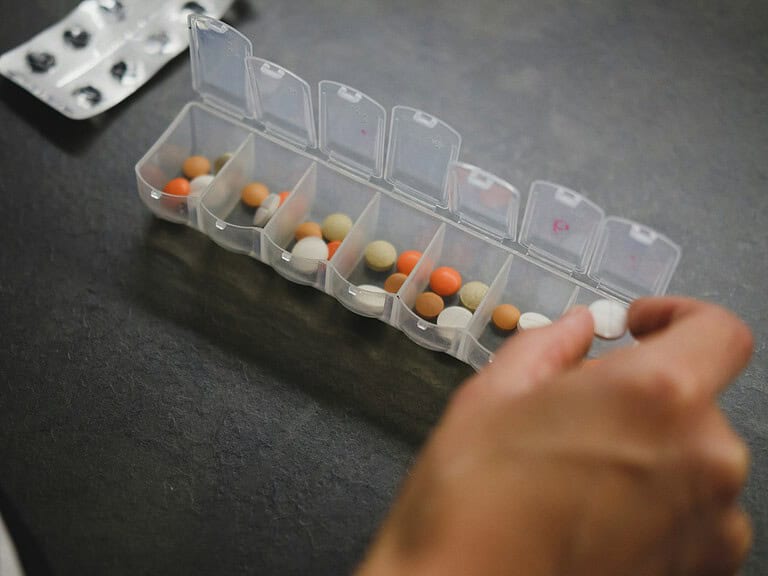
- Plan cues to action. Pill organizers, phone alarms, and follow-up calls help habits stick.
Use Teach-Back Every Time
Teach-back means asking patients to explain or show what they learned in their own words. It checks your teaching, not their intelligence.
Try: “I want to make sure I explained this clearly. Can you tell me how you’ll take this medicine at home?” If they miss something, reteach in a different way and check again. Teach-back is especially important for patients with limited health literacy, which is more common than many nurses realize.
Motivational Interviewing Basics
Motivational interviewing is a respectful, conversational way to help patients find their own reasons to change. Instead of lecturing, you ask and listen.
- Ask open questions: “What worries you about your blood pressure?”
- Reflect what you hear: “You want to stay healthy for your kids.”
- Explore ambivalence: “What makes it hard to cut back on salt?”
- Ask permission before giving advice: “Would it be okay if I shared some ideas?”
- Support their choice and confidence: “You’ve made changes before. What helped then?”
Teaching Patients With Different Needs
Good teaching adapts to the learner.
- Use plain language and avoid medical jargon.
- Use pictures, models, and written handouts at a basic reading level.
- Use qualified interpreters for patients who prefer another language.
- Include family or caregivers when the patient wants them involved.
- Respect cultural beliefs and ask how they affect health choices. See cultural competence in nursing.
- Break teaching into short sessions spread over the stay, not one big discharge talk.
Leading by Example
Patients notice what nurses do, not just what they say. You do not need to be perfect, but taking care of your own health makes advice more credible and keeps you able to care for others. See self-care for nurses and healthy eating for nurses.
When patients seem unmotivated, look for the knowledge gap. Our care plan for deficient knowledge covers assessment and interventions in detail.
Frequently Asked Questions
Quick answers to common questions about patient education and health behavior.
It is a framework that explains health behavior based on a person’s beliefs about their risk, the seriousness of a condition, the benefits and barriers of action, cues to action, and their confidence to change.
Teach-back is asking patients to explain or demonstrate what they learned so the nurse can confirm understanding and reteach if needed.
Assess beliefs, personalize risk, focus on benefits the patient values, remove barriers, build confidence, and set small, specific goals.
It helps patients manage their health, prevents complications and readmissions, and supports informed decisions.
References and Sources




 {% endif %}
Leave a Comment