
Use this comprehensive nursing diagnosis and care plan guide for pneumonia to provide effective nursing care. Learn about the assessment, goals, interventions, and nursing diagnosis for pneumonia in this guide.
What is Pneumonia?
Pneumonia is an inflammation of the lung parenchyma associated with alveolar edema and congestion that impair gas exchange. Pneumonia is caused by a bacterial or viral infection spread by droplets or by contact and is the sixth leading cause of death in the United States.
The prognosis is typically good for people who have normal lungs and adequate host defenses before the onset of pneumonia. Pneumonia is a particular concern in high-risk patients: persons who are very young or very old, people who smoke, bedridden, malnourished, hospitalized, immunocompromised, or exposed to MRSA.
For a comprehensive pathophysiology, medical and surgical management, please visit our Pneumonia nursing study guide
Pneumonia is categorized into the following types:
| Type of Pneumonia | Description | Common Causes |
|---|---|---|
| Community-Acquired Pneumonia (CAP) | Occurs in community settings or within the first 48 hours of hospitalization. Most common in individuals under 60 without comorbidities and those over 60 with comorbidities. High incidence in older adults. | S. pneumoniae, H. influenzae, M. pneumoniae, viruses (e.g., respiratory syncytial virus, adenovirus), fungal pathogens. |
| Health Care–Associated Pneumonia (HCAP) | Develops in patients in long-term care or outpatient facilities. Causative pathogens often multidrug-resistant (MDR). Requires immediate and targeted antibiotic treatment. | MDR bacteria such as Pseudomonas aeruginosa, MRSA. |
| Hospital-Acquired Pneumonia (HAP) | Arises 48+ hours after hospital admission. Often associated with high mortality due to virulent, resistant organisms. Common in patients with chronic illness, prolonged hospitalization, or certain medical devices (e.g., respiratory equipment). | Enterobacter, E. coli, Klebsiella, Proteus, S. aureus (including MRSA), P. aeruginosa. |
| Ventilator-Associated Pneumonia (VAP) | A subtype of HAP, occurring in patients who have been on mechanical ventilation for 48+ hours. Incidence increases with prolonged ventilation. | Early-onset: antibiotic-sensitive bacteria. Late-onset: MDR bacteria. |
| Pneumonia in Immunocompromised Host | Common in individuals with weakened immune systems (e.g., those on immunosuppressants, chemotherapy, or with AIDS). Higher morbidity and mortality. | Pneumocystis jiroveci, fungi, M. tuberculosis, gram-negative bacilli (Klebsiella, E. coli, Pseudomonas). |
| Aspiration Pneumonia | Results from inhalation of foreign substances (e.g., bacteria, gastric contents) into the lungs. Common pathogens may vary based on the nature of the aspirate. Can occur in both community and hospital settings. | Anaerobes, S. aureus, Streptococcus species, gram-negative bacilli (E. coli, Klebsiella). |
Nursing Care Plans and Management
Nursing care plans and care management for patients with pneumonia start with assessing the patient’s medical history, performing a respiratory assessment every four (4) hours, physical examination, and ABG measurements. Supportive interventions include oxygen therapy, suctioning, coughing, deep breathing, adequate hydration, and mechanical ventilation. Other nursing interventions are detailed on the nursing diagnoses in the subsequent sections.
Nursing Problem Priorities
The following are the nursing priorities for patients with pneumonia:
- Improving airway patency
- Improving tolerance to activity
- Maintaining proper fluid volume
- Measures to prevent complications
Nursing Assessment
The main symptoms of pneumonia are coughing, sputum production, pleuritic chest pain, shaking chills, rapid shallow breathing, fever, and shortness of breath. If left untreated, pneumonia could complicate hypoxemia, respiratory failure, pleural effusion, empyema, lung abscess, and bacteremia. Initially, pneumonia patients experience a dry, irritating cough with minimal mucoid sputum. Symptoms may include sternal soreness, fever or chills, night sweats, headache, and general malaise. As the infection progresses, patients may develop shortness of breath, audible breathing sounds (inspiratory stridor and expiratory wheeze), and produce purulent sputum. In severe cases, blood-streaked secretions may occur due to airway mucosa irritation.
Assess for the following subjective and objective data:
- Changes in rate, depth of respirations
- Abnormal breath sounds (rhonchi, bronchial lung sounds, egophony)
- Use of accessory muscles
- Dyspnea, tachypnea
- Cough, effective or ineffective; with/without sputum production
- Cyanosis
- Decreased breath sounds over affected lung areas
- Ineffective cough
- Purulent sputum
- Hypoxemia
- Infiltrates seen on chest x-ray film
- Reduced vital capacity
Assess for factors related to the cause of pneumonia:
- Alteration of patient’s O2/CO2 ratio and hypoxia
- Decreased lung expansion and fluid-filled alveoli
- Inflammatory process, tracheal and bronchial inflammation, edema formation, increased sputum production
- Pleuritic pain and alveolar-capillary membrane changes
- Altered oxygen-carrying capacity of blood/release at cellular level
- Altered delivery of oxygen and hypoventilation
- Collection of mucus in airways
Nursing Diagnosis
Nursing diagnoses for pneumonia are formulated based on thorough assessment and the nurse’s clinical judgment, tailored to each patient’s condition. While their use varies by setting, the nurse’s expertise shapes the care plan to prioritize patient needs. Based on assessment data, here are examples of common nursing diagnoses for pneumonia:
- Ineffective Airway Clearance related to increased sputum production as evidenced by audible rhonchi, productive cough, and difficulty expectorating sputum.
- Impaired Gas Exchange related to alveolar-capillary membrane changes as evidenced by altered arterial blood gases, hypoxemia, and cyanosis.
- Ineffective Breathing Pattern related to respiratory distress as evidenced by use of accessory muscles, tachypnea, and abnormal breath sounds.
- Risk for Infection as evidenced by compromised host defenses
- Acute Pain related to pleural irritation as evidenced by sharp chest pain that worsens with deep breathing and coughing.
- Activity Intolerance related to decreased oxygenation and general weakness as evidenced by fatigue, dyspnea on minimal exertion, and reluctance to engage in physical activities.
- Ineffective Thermoregulation (related to inflammatory process as evidenced by elevated body temperature, chills, and diaphoresis).
- Imbalanced Nutrition: Less Than Body Requirements related to increased metabolic demand and decreased oral intake as evidenced by weight loss, muscle weakness, and reported lack of appetite.
- Deficient Knowledge related to pneumonia treatment and prevention as evidenced by patient’s questions about medication regimen, importance of vaccination, and strategies to prevent future infections.
Nursing Goals
Goals and expected outcomes for patients with pneumonia may include:
- Patient will demonstrate improved ventilation and oxygenation of tissues by maintaining ABGs within their acceptable range and showing no symptoms of respiratory distress within 48 hours.
- Patient will maintain optimal gas exchange as evidenced by stable ABG levels and oxygen saturation above 92% within the next 24 hours.
- Patient will actively participate in actions, such as deep breathing exercises and using oxygen therapy as prescribed, to maximize oxygenation within the next 24 hours.
- Patient will identify and demonstrate at least three behaviors, such as effective coughing and using an incentive spirometer, to achieve airway clearance within 48 hours.
- Patient will maintain a patent airway with clear breath sounds and show no signs of dyspnea or cyanosis, as evidenced by effective secretion clearance within 24 hours.
Nursing Interventions and Rationales
Therapeutic interventions and nursing actions for patients with pneumonia may include:
1. Managing Impaired Airway Clearance
To address excessive secretions and ineffective coughing in pneumonia, the nurse encourages hydration, uses humidification, promotes voluntary or reflex coughing, and guides patients in performing effective directed coughs. Lung expansion maneuvers and external pressure assistance may be utilized to improve airway clearance.
Nursing Diagnosis
- Ineffective Airway Clearance related to increased sputum production as evidenced by audible rhonchi, productive cough, and difficulty expectorating sputum.
Expected Outcomes
- The patient will maintain/improve patent airway clearance as evidenced by effective coughing, reduced sputum production, clear lung sounds on auscultation, and oxygen saturation levels maintained at 90% or above.
- The patient will maintain effective airway clearance and exhibit stable respiratory status, with no recurrence of pneumonia symptoms.
1. Assess the rate, rhythm, and depth of respiration, chest movement, and use of accessory muscles.
Tachypnea, shallow respirations and asymmetric chest movement are frequently present because of the discomfort of moving the chest wall and fluid in the lung due to a compensatory response to airway obstruction. Altered breathing patterns may occur together with accessory muscles to increase chest excursion to facilitate effective breathing.
2. Assess cough effectiveness and productivity.
Coughing is the most effective method for clearing secretions. Pneumonia can lead to thick, stubborn secretions in patients, making effective removal essential to prevent impaired gas exchange and delayed recovery. The nurse should encourage hydration of 2 to 3 liters per day to help thin and loosen pulmonary secretions if not contraindicated.
3. Auscultate lung fields, noting areas of decreased or absent airflow and adventitious breath sounds: crackles, wheezes.
Decreased airflow occurs in areas with consolidated fluid. Bronchial breath sounds can also occur in these consolidated areas. Crackles, rhonchi, and wheezes are heard on inspiration, expiration due to fluid accumulation, thick secretions, and airway spasms and obstruction.
4. Observe the sputum color, viscosity, and odor. Report changes.
Changes in sputum characteristics may indicate infection. Sputum that is discolored, tenacious, or has an odor may increase airway resistance and warrant further intervention.
5. Assess the patient’s hydration status.
Airway clearance is hindered by inadequate hydration and the thickening of secretions.
6. Elevate the head of the bed and change position frequently.
Doing so would lower the diaphragm and promote chest expansion, aeration of lung segments, mobilization, and expectoration of secretions.
7. Suction as indicated: frequent coughing, adventitious breath sounds, desaturation related to airway secretions.
Stimulates cough or mechanically clears airway in a patient who cannot do so because of ineffective cough or decreased level of consciousness. Note: Suctioning can cause increased hypoxemia; hyperoxygenate before, during, and after suctioning.
8. Maintain adequate hydration by forcing fluids to at least 3000 mL/day unless contraindicated (e.g., heart failure). Offer warm, rather than cold, fluids.
Fluids, especially warm liquids, aid in the mobilization and expectoration of secretions. Fluids help maintain hydration and increase ciliary action to remove secretions and reduce viscosity. Thinner secretions are easier to cough out.
9. Use humidified oxygen or humidifier at the bedside.
Increasing the humidity will decrease the viscosity of secretions. Clean the humidifier before use to avoid bacterial growth. Humidification is employed to facilitate secretion loosening and enhance ventilation. By utilizing a high-humidity face mask with compressed air or oxygen, warm and humidified air is delivered to the tracheobronchial tree. This technique aids in liquefying secretions and alleviating tracheobronchial irritation.
10. Monitor serial chest x-rays, ABGs, and pulse oximetry readings.
Follows progress and effects and extent of pneumonia. A therapeutic regimen may facilitate necessary alterations in therapy. Oxygen saturation should be maintained at 90% or greater. Imbalances in PaCO2 and PaO2 may indicate respiratory fatigue.
11. Assist and monitor effects of nebulizer treatment and other respiratory physiotherapy: incentive spirometer, IPPB, percussion, postural drainage. Perform treatments between meals and limit fluids when appropriate.
- Nebulizers humidify the airway to thin secretions and facilitate liquefaction and expectoration of secretions.
- Postural drainage may not be as effective in interstitial pneumonias or those causing alveolar exudate or destruction.
- Incentive spirometry serves to improve deep breathing and helps prevent atelectasis.
- Chest percussion helps loosen and mobilize secretions in smaller airways that cannot be removed by coughing or suctioning.
- Coordination of treatments and oral intake reduces the likelihood of vomiting with coughing and expectorations.
12. Assist with bronchoscopy and thoracentesis, if indicated.
- Bronchoscopy is occasionally needed to remove mucous plugs, drain purulent secretions, and obtain lavage samples for culture and sensitivity.
- Thoracentesis is done to drain associated pleural effusions and prevent atelectasis.
13. Anticipate the need for supplemental oxygen or intubation if the patient’s condition deteriorates.
These interventions address hypoxemia and enhance oxygenation. Intubation may be needed for deep suctioning and extra oxygen support. The nurse administers and adjusts oxygen therapy per guidelines, monitoring effectiveness through clinical signs, patient comfort, and pulse oximetry or arterial blood gas analysis to maintain adequate oxygenation.
2. Managing Impaired Gas Exchange
Managing impaired gas exchange in pneumonia patients is vital for proper oxygenation. This section provides nursing diagnoses, goals, and key interventions to enhance respiratory function.
Nursing Diagnosis
- Impaired Gas Exchange related to alveolar-capillary membrane changes as evidenced by altered arterial blood gases, hypoxemia, and cyanosis.
Expected Outcomes
- The patient will demonstrate improved gas exchange, as evidenced by [specific measurable indicators, e.g., oxygen saturation levels maintained at or above a certain level, reduced signs of cyanosis, or effective deep breathing while in a comfortable position].
- The patient will maintain stable oxygenation and respiratory function, as demonstrated by [specific measurable outcomes, e.g., clear ABG results, absence of cyanosis, regular respiratory rate and depth, and ability to engage in daily activities without significant dyspnea].
1. Assess respirations: note quality, rate, rhythm, depth, use of accessory muscles, ease, and position assumed for easy breathing.
Manifestations of respiratory distress are dependent on/indicative of the degree of lung involvement and underlying general health status as patients adapt their breathing patterns to facilitate effective gas exchange. Rapid, shallow breathing patterns and hypoventilation directly affect gas exchange. Hypoxia is associated with signs of increased breathing effort. Tripod positioning is evidence of significant dyspnea.
2. Observe the color of skin, mucous membranes, and nail beds, noting the presence of peripheral cyanosis (nail beds) or central cyanosis (circumoral).
As oxygenation and perfusion become impaired, peripheral tissues become cyanotic. Cyanosis of nail beds may represent vasoconstriction or the body’s response to fever/chills; however, cyanosis of earlobes, mucous membranes, and skin around the mouth (“warm membranes”) is indicative of systemic hypoxemia.
3. Assess mental status, restlessness, and changes in the level of consciousness.
Restlessness, irritation, confusion, and somnolence may reflect hypoxemia and decreased cerebral oxygenation and require further intervention. Check pulse oximetry results with any mental status changes in older adults.
4. Assess anxiety level and encourage verbalization of feelings and concerns.
Anxiety is a manifestation of psychological concerns and physiological responses to hypoxia. Providing reassurance and enhancing a sense of security can reduce the psychological component, decreasing oxygen demand and adverse physiological responses.
5. Monitor heart rate and rhythm, and blood pressure.
Tachycardia is usually present due to fever and/or dehydration but may represent a response to hypoxemia—initial hypoxia and hypercapnia increase BP and HR. As hypoxia becomes more severe, BP may drop while HR tends to be rapid with dysrhythmias.
6. Monitor body temperature, as indicated. Assist with comfort measures to reduce fever and chills: addition or removal of bedcovers, comfortable room temperature, tepid or cool water sponge bath.
High fever (common in bacterial pneumonia and influenza) greatly increases metabolic demands and oxygen consumption and alters cellular oxygenation.
7. Observe for deterioration in condition, noting hypotension, copious amounts of bloody sputum, pallor, cyanosis, change in LOC, severe dyspnea, and restlessness.
Shock and pulmonary edema are the most common causes of death in pneumonia and require immediate medical intervention.
8. Monitor ABGs, pulse oximetry.
It follows the progress of the disease process and facilitates alterations in pulmonary therapy. Pulse oximetry detects changes in oxygenation. O2 sats should be at 90% or greater.
9. Maintain bedrest by planning activity and rest periods to minimize energy use. Encourage the use of relaxation techniques and diversional activities.
It prevents over exhaustion and reduces oxygen demands to facilitate the resolution of infection. Relaxation techniques help conserve energy that can be used for effective breathing and coughing efforts.
10. Elevate the head of the bed and encourage frequent position changes, deep breathing, and effective coughing.
These measures promote maximum chest expansion, mobilize secretions and improve ventilation.
11. Administer oxygen therapy by appropriate means: nasal prongs, mask, Venturi mask.
The purpose of oxygen therapy is to maintain PaO2 above 60 mmHg. Oxygen is administered by a method that provides appropriate delivery within the patient’s tolerance. Note: Patients with underlying chronic lung diseases should be given oxygen cautiously.
3. Promoting Effective Breathing Pattern and Breathing Exercises
Nursing Diagnosis
- Ineffective Breathing Pattern related to respiratory distress as evidenced by use of accessory muscles, tachypnea, and abnormal breath sounds.
Expected Outcomes
- The patient will demonstrate an improved breathing pattern, as evidenced by [specific measurable indicators, e.g., reduced use of accessory muscles, normalized respiratory rate, or increased oxygen saturation], through the use of [specific interventions, e.g., deep-breathing exercises, incentive spirometry].
- The patient will maintain an effective breathing pattern and independently perform [specific breathing exercises or interventions] at least [frequency], as evidenced by [desired outcomes, e.g., stable ABG levels, absence of tachypnea, or clear lung sounds].
Teach and encourage regular deep-breathing exercises, incentive spirometer use, and diaphragmatic breathing for maximum lung expansion and effective coughing.
These techniques enhance oxygenation, prevent atelectasis, and promote secretion mobilization. Regular practice helps maintain lung expansion, mobilize secretions, and promote airway clearance. Effective directed coughing involves correct positioning, deep inspiration, glottic closure, contraction of the expiratory muscles, sudden glottic opening, and forceful exhalation, which helps clear secretions and improve airway patency.
Demonstrate and assist with splinting the chest during coughing in an upright position.
Splinting minimizes discomfort, and an upright position supports deeper, more effective coughs for airway clearance.
Monitor and assess respiratory rate, depth, and use of accessory muscles every 4 hours; auscultate breath sounds and observe for retractions or nasal flaring.
Early detection of altered breathing patterns or abnormal sounds helps identify signs of respiratory compromise or muscle fatigue.
Monitor ABG levels and observe breathing patterns for signs of dysfunction or abnormality.
Monitoring ABG levels and observing breathing patterns ensures the detection of respiratory issues and provides data for oxygenation and ventilation status.
Encourage sustained deep breaths and controlled breathing techniques (e.g., slow inhalation, holding end-inspiration, passive exhalation) and teach the patient to yawn.
Promotes deep inspiration to increase oxygenation and prevent air trapping and tachypnea.
Ambulate the patient as tolerated and provide assistance with ADLs, ensuring frequent rest periods.
Ambulation helps mobilize secretions, while resting between activities prevents overexertion and conserves energy.
Teach and assist the patient with proper deep-breathing exercises.
Deep breathing facilitates maximum lung expansion, improves ventilation of smaller airways, and enhances the productivity of coughing.
4. Administering Medications and Pharmacological Support
Administer prescribed antibiotics as ordered.
Pneumonia treatment includes administering the appropriate antibiotic based on culture and sensitivity results. However, the causative organism is often unidentified in community-acquired pneumonia (CAP). Antibiotic selection follows guidelines considering resistance patterns, prevalent pathogens, patient risk factors, treatment setting, and antibiotic availability and cost.
| Medication Type | Function/Action | Example Drug Names |
|---|---|---|
| Mucolytics | Increase or liquefy respiratory secretions. | – Acetylcysteine (Mucomyst) – Dornase alfa (Pulmozyme) |
| Expectorants | Increase productive cough to clear the airways by liquefying lower respiratory tract secretions and reducing viscosity. | – Guaifenesin (Mucinex, Robitussin) |
| Bronchodilators | Facilitate respiration by dilating the airways. | – Albuterol (Ventolin, ProAir) – Salmeterol (Serevent) – Ipratropium (Atrovent) – Theophylline |
| Analgesics | Given to improve cough effort by reducing discomfort but should be used cautiously. Can decrease cough effort and depress respirations; use with caution. | – Acetaminophen (Tylenol) – Ibuprofen (Advil, Motrin) |
Administer prescribed antibiotics as per culture and sensitivity results.
Ensures that the patient receives targeted treatment for the specific causative organism, improving effectiveness and reducing the risk of antibiotic resistance.
Monitor patient’s response to antibiotic therapy, assessing clinical stability (temperature, heart rate, respiratory rate, blood pressure, oxygen saturation).
Helps identify improvements or complications, guiding potential adjustments to therapy and ensuring timely intervention if needed.
Educate the patient and family on the importance of completing the full course of antibiotics.
Ensures proper eradication of the infection, prevents recurrence, and reduces the risk of developing antibiotic resistance.
Assess the patient’s ability to switch from IV to oral antibiotics once hemodynamically stable and clinically improving.
Promotes quicker discharge planning and reduces hospital stay while maintaining effective treatment as oral antibiotics are more convenient and less invasive.
5. Initiating Measures for Infection Control & Management
Effective infection control measures are crucial for patients with pneumonia to prevent risk for infections and complications. This section covers key nursing interventions in preventing secondary infection and complications.
Nursing Diagnosis
- Risk for Infection as evidenced by compromised host defenses
Expected Outcomes
- The patient will demonstrate adherence to infection control measures, as evidenced by effective hand hygiene, safe disposal of secretions, and proper positioning to promote pulmonary hygiene, and the prevention of secondary infection.
- The patient will maintain reduced risk for infection, as evidenced by stable vital signs, absence of secondary infections, improved sputum characteristics, and adherence to infection prevention practices such as limited visitors, appropriate isolation measures, and no signs of further complications.
Monitor vital signs closely, especially during initiation of therapy and note that during this period of time, potentially fatal complications (hypotension, shock) may develop.
Instruct patient concerning the disposition of secretions: raising and expectorating versus swallowing; and reporting changes in color, amount, the odor of secretions. Although the patient may find expectoration offensive and attempt to limit or avoid it, sputum must be disposed of safely. Changes in characteristics of sputum reflect the resolution of pneumonia or the development of secondary infection.
Assess the patient’s immunization status.
Immunizations with pneumococcal vaccine and seasonal influenza are used to reduce the risk of developing pneumonia.
Demonstrate and encourage good hand washing techniques.
Handwashing is the single most effective way to prevent infection. Effective means of reducing spread or acquisition of infection.
Change position frequently and provide good pulmonary hygiene.
Promotes expectoration, clearing of infection. Pulmonary hygiene helps the clearance of secretions and prevention and relief of atelectasis. The most effective method of clearing secretions is changing body position and vigorous coughing by the patient. When the patient cannot cough effectively, it is common practice to resort to chest physiotherapy and active suctioning of the trachea.
Institute isolation precautions as individually appropriate. Keep patients away from other patients who are at high risk for developing pneumonia. Limit visitors as indicated.
Dependent on the type of infection, response to antibiotics, patient’s general health, and development of complications, isolation techniques may be desired to prevent spread from other infectious processes. Nosocomial pneumonia is at high risk of development for immunocompromised patients. Provide careful room assignments when patients are in semiprivate rooms.
Encourage adequate rest balanced with moderate activity. Promote adequate nutritional intake.
Facilitates the healing process and enhances natural resistance.
Monitor effectiveness of antimicrobial therapy.
Signs of improvement in condition should occur within 24–48 hr. Note any changes.
Investigate sudden changes in condition, such as increasing chest pain, extra heart sounds, altered sensorium, recurring fever, changes in sputum characteristics.
Delayed recovery or increase in severity of symptoms suggests resistance to antibiotics or secondary infection.
Prepare and assist with diagnostic studies as indicated.
Fiberoptic bronchoscopy (FOB) may be done in patients who do not respond rapidly (within 1–3 days) to antimicrobial therapy to clarify diagnosis and therapy needs.
6. Managing Acute Pain and Promoting Comfort
Managing acute pain in pneumonia patients is essential for enhancing comfort and supporting effective breathing.
Nursing Diagnosis
- Acute Pain related to pleural irritation as evidenced by sharp chest pain that worsens with deep breathing and coughing.
Expected Outcomes
- The patient will report a decrease in chest pain intensity as evidenced by a pain level of [e.g., ≤3 on a 0-10 scale], improved comfort during breathing and coughing, and adherence to pain management techniques such as chest splinting and relaxation exercises.
- The patient will maintain effective pain control and exhibit reduced discomfort with daily activities, as demonstrated by stable vital signs, improved participation in coughing exercises, and consistent use of prescribed analgesics and non-pharmacologic comfort measures.
Assess pain characteristics: sharp, constant, stabbing. Investigate changes in character, location, or intensity of pain. Assess reports of pain with breathing or coughing.
Chest pain, usually present with pneumonia, may also herald the onset of complications of pneumonia, such as pericarditis and endocarditis. See also: Acute Pain Nursing Care Plan and Management
Monitor vital signs regularly.
Changes in heart rate or BP may indicate that patient is experiencing pain, especially when other reasons for changes in vital signs have been ruled out.
Provide non-pharmacologic comfort measures: back rubs, position changes, quiet music, massage. Encourage the use of relaxation and/or breathing exercises.
Non-analgesic measures administered with a gentle touch can lessen discomfort and augment the therapeutic effects of analgesics. Patient involvement in pain control measures promotes independence and enhances the sense of well-being.
Offer frequent oral hygiene.
Mouth breathing and oxygen therapy can dry and irritate mucous membranes, so oral care helps maintain comfort and prevents discomfort.
Instruct and assist the patient in chest splinting techniques during coughing episodes.
Splinting helps manage chest discomfort and makes coughing more effective, aiding in secretion clearance.
Administer antitussives as needed but avoid suppressing productive coughs. Use moderate analgesics for pleuritic pain relief, as indicated.
These medications reduce nonproductive coughing and general discomfort while maintaining the effectiveness of necessary productive coughing.
Administer analgesics as prescribed. Encourage the patient to take analgesics before discomfort becomes severe.
Timely administration of pain relief medications allows for better control of pain, enabling effective deep breathing and coughing, and preventing exacerbation of discomfort.
7. Promoting Rest and Improving Tolerance to Activity
The nurse promotes rest and advises the debilitated patient to avoid overexertion and assume a comfortable position, such as semi-Fowler’s position, to support rest and breathing. Position changes are encouraged for better lung function. Outpatients are instructed to engage in moderate activity during initial treatment.
Nursing Diagnosis
- Activity Intolerance related to generalized weakness and impaired oxygen transport secondary to pneumonia, as evidenced by reports of dyspnea, increased fatigue, and abnormal vital signs during and after activities.
Expected Outcomes
- The patient will report increased activity tolerance as evidenced by engaging in light activities without significant dyspnea or abnormal changes in vital signs.
Assess the patient’s baseline level of function and activity tolerance.
Establishing a baseline helps in planning appropriate interventions and monitoring progress.
Assess the patient’s baseline level of function and activity tolerance.
Using a standardized tool such as the Functional Independence Measure (FIM) can provide a baseline of function and activity tolerance and can help determine the appropriate interventions and monitor the patient’s progress.
Monitor the patient’s response to activity, noting reports of dyspnea, increased weakness, fatigue, and changes in vital signs during and after activities.
Observing the patient’s response aids in identifying activity limitations and the need for adjustments in the care plan.
Provide a quiet environment and limit visitors during the acute phase as indicated.
Reducing environmental stimuli conserves energy and promotes rest, facilitating recovery.
Assist with self-care activities as necessary, gradually increasing activity levels during the recovery phase.
Supporting self-care promotes independence and prevents deconditioning, while gradual activity increase builds endurance.
Explain the importance of rest in the treatment plan and the necessity of balancing rest activities.
During the acute phase, bedrest is maintained to reduce metabolic demands and conserve energy for healing. Subsequent activity restrictions are determined based on the patient’s response to activity and the resolution of respiratory insufficiency. The nurse emphasizes the importance of rest and advises the debilitated patient to avoid excessive exertion, as it can exacerbate symptoms. Encouraging a comfortable position, such as semi-Fowler’s position, supports rest and optimal breathing. Frequent position changes are encouraged to aid in clearing secretions and improve pulmonary ventilation and blood flow. Outpatients receive education on the importance of avoiding overexertion and engaging in moderate activity during the early stages of treatment.
Pace activity for patients with reduced activity.
Effective coughing may exhaust an already compromised patient. Fatigue may be a contributing factor to ineffective coughing.
Assist patient to assume a comfortable position for rest and sleep.
The patient may be comfortable with an elevated head of the bed, sleeping in a chair, or leaning forward on an overbed table with pillow support.
8. Maintaining Normal Body Thermoregulation
Nursing Diagnosis
- Ineffective Thermoregulation related to impaired ability to control body temperature as evidenced by hyperthermia, elevated heart rate, and dehydration.
Expected Outcome
- The patient will maintain a core body temperature within normal limits (e.g., ≤ 37.5°C or ≤ 99.5°F).
- The patient will demonstrate effective thermoregulation, evidenced by stable vital signs, adequate hydration status, normal fluid intake and output, and the absence of fever or related complications.
Monitor the patient’s HR, BP, and especially the tympanic or rectal temperature every 4 hours.
HR and BP increase as hyperthermia progresses. Tympanic or rectal temperature gives a more accurate indication of core temperature.
Determine the patient’s age and weight.
Extremes of age or weight increase the risk of the inability to control body temperature.
Monitor fluid intake and urine output. If the patient is unconscious, central venous or pulmonary artery pressure should be measured to monitor fluid status.
Fluid resuscitation may be required to correct dehydration. The significantly dehydrated patient is no longer able to sweat, which is necessary for evaporative cooling.
Review serum electrolytes, especially serum sodium.
Sodium losses occur with profuse sweating and accidental hyperthermia.
Adjust and monitor environmental factors like room temperature and bed linens as indicated.
Room temperature may be accustomed to near normal body temperature, and blankets and linens may be adjusted as indicated to regulate the patient’s temperature.
Eliminate excess clothing and covers. Encourage patient to dress in lightweight clothing and keep the room at a comfortable temperature.
Exposing skin to room air decreases warmth, increases evaporative cooling, and promotes patient comfort.
Administer antipyretic medications as prescribed.
Antipyretic medications lower body temperature by blocking the synthesis of prostaglandins that act in the hypothalamus.
Ready oxygen therapy for extreme cases.
Hyperthermia increases the metabolic oxygen demand.
Encourage the patient to drink plenty of fluids to prevent dehydration.
The body needs an adequate amount of fluids to regulate temperature effectively. Fever itself can cause dehydration because it can increase the body’s metabolic rate and lead to an increased fluid loss. This can create a vicious cycle in which fever exacerbates dehydration. Dehydration can worsen fever and increase the risk of complications.
Provide tepid sponge baths as necessary.
Tepid sponge baths can help reduce fever by lowering the patient’s temperature and improving patient comfort.
9. Promoting Optimal Nutrition & Fluid Balance
Patients with pneumonia experience an elevated respiratory rate due to the increased effort required for breathing and the presence of fever. This heightened respiratory rate can result in higher fluid loss during exhalation and potentially lead to dehydration. Thus, it is important to promote increased fluid intake (at least 2 L/day), unless there are specific contraindications. However, in patients with preexisting conditions like heart failure, hydration should be approached cautiously and monitored closely.
Nursing Diagnosis
- Imbalanced Nutrition: Less Than Body Requirements related to increased metabolic demand and decreased oral intake as evidenced by weight loss, muscle weakness, and reported lack of appetite.
Expected Outcomes
- The patient will maintain adequate hydration, as evidenced by balanced intake and output, urine output of at least 30 mL/hour, and moist mucous membranes.
- The patient will report improved appetite and increased oral intake, consuming at least 50% of each meal to meet nutritional needs.
Assess vital sign changes: increasing temperature, prolonged fever, orthostatic hypotension, tachycardia.
Elevated temperature and prolonged fever increase metabolic rate and fluid loss through evaporation. Orthostatic BP changes and increasing tachycardia may indicate systemic fluid deficit.
Assess skin turgor, moisture of mucous membranes.
Indirect indicators of adequacy of fluid volume, although oral mucous membranes may be dry because of mouth breathing and supplemental oxygen.
Investigate reports of nausea and vomiting.
The presence of these symptoms reduces oral intake.
Monitor intake and output (I&O), noting color, the character of urine. Calculate fluid balance. Be aware of insensible losses. Weigh as indicated.
Provides information about the adequacy of fluid volume and replacement needs.
Force fluids to at least 3000 mL/day or as individually appropriate.
Meets basic fluid needs, reducing the risk of dehydration and mobilizing secretions, and promotes expectoration.
Administer medications as indicated: antipyretics, antiemetics.
To reduce fluid losses.
Provide supplemental IV fluids as necessary.
In the presence of reduced intake and/or excessive loss, the parenteral route may correct the deficiency.
Identify factors contributing to nausea or vomiting: copious sputum, aerosol treatments, severe dyspnea, pain.
Choice of interventions depends on the underlying cause of the problem.
Provide a covered container for sputum and remove it at frequent intervals. Assist and encourage oral hygiene after emesis, after aerosol and postural drainage treatments, and before meals.
Eliminates noxious sights, tastes smells from the patient environment, and can reduce nausea.
Schedule respiratory treatments at least 1 hr before meals.
Reduces the effects of nausea associated with these treatments.
Maintain adequate nutrition to offset hypermetabolic state secondary to infection. Ask the dietary department to provide a high-calorie, high-protein diet consisting of soft, easy-to-eat foods.
To replenish lost nutrients.
Evaluate the need for limiting milk products in patients with excessive mucus production.
Although there is a belief that milk increases mucus production, evidence is inconclusive. Some studies suggest that beta-casomorphin-7 from A1 milk may stimulate mucus under specific conditions, such as inflammation, but this is not universally proven. Only a subset of individuals, particularly those with asthma or inflammation, may notice improvement with dairy reduction. Thus, limiting milk should be personalized based on patient history and response rather than universally applied.
Elevate the patient’s head and neck, and check for tube position during NG tube feedings.
To prevent aspiration. Note: Don’t give large volumes at one time; this could cause vomiting. Keep the patient’s head elevated for at least 30 minutes after feeding. Check for residual formula regular intervals.
Auscultate for bowel sounds. Observe for abdominal distension.
Bowel sounds may be diminished if the infectious process is severe. Abdominal distension may occur due to air swallowing or reflect the influence of bacterial toxins on the gastrointestinal (GI) tract.
Provide small, frequent meals, including dry foods (toast, crackers) and/or foods that appeal to the patient.
Patients experiencing symptoms such as shortness of breath, fatigue, and decreased appetite may benefit from consuming fluids to maintain hydration and provide essential nutrients. These measures may enhance intake even though appetite may be slow to return.
Evaluate general nutritional state, obtain baseline weight.
The presence of chronic conditions (COPD or alcoholism) or financial limitations can contribute to malnutrition, lowered resistance to infection, and/or delayed response to therapy.
Monitor and record intake and output accurately. Observe urine color. Watch out for urinary output <30ml per hour.
Helps assess fluid balance. Urinary output less than 30 ml for two consecutive hours is a sign of fluid volume deficit. Dark-colored urine reflects increased urine concentration.
Weigh the patient daily at the same time of the day in the same clothes using the same scale; Monitor for trends (weight changes of 1-1.5 kg day).
Aids in establishing accurate measurement of weight. A fluid volume deficit or excess indicator is a weight change of 1- 1.5 kg/day.
Assess skin turgor and mucous membranes for any indication of dehydration.
Dryness of the tongue and mucous membranes of the mouth, longitudinal tongue furrows are symptoms of deficient fluid volume.
Monitor and record vital signs.
Changes in vital signs seen in a patient with hypovolemia include increased temperature, increased heart rate, and decreased blood pressure.
Encourage frequent oral hygiene.
Oral hygiene can moisten dried mucous membranes and allows the patient to react to the sensation of thirst.
Advice patient to increase fluid intake for at least 2.5 L/day as appropriate.
This measure helps in maintaining adequate hydration.
Maintain intravenous fluid therapy as indicated.
Parenteral fluid replacement is administered to prevent the occurrence of shock.
Provide humidified oxygen therapy as indicated.
Humidity lessens convective moisture losses while in oxygen therapy.
10. Providing Patient Education & Health Teachings
Patients and their families receive education on pneumonia causes, symptom management, and when to report concerning signs. They learn about factors contributing to pneumonia and strategies for recovery and prevention. Hospitalized patients are informed about management strategies and the importance of adherence. Clear, written instructions and alternative formats are provided as needed. Repeat explanations may be necessary due to symptom severity.
Nursing Diagnosis
- Deficient Knowledge related to pneumonia treatment and prevention as evidenced by patient’s questions about medication regimen, importance of vaccination, and strategies to prevent future infections.
Expected Outcomes
- The patient will demonstrate an improved understanding of their pneumonia treatment by accurately explaining their medication regimen, including the purpose, dosage, and side effects of each prescribed drug.
- The patient will verbalize the importance of receiving appropriate vaccinations (e.g., pneumococcal and influenza vaccines) as a preventive measure against future respiratory infections.
Determine the patient’s understanding of pneumonia complications and their treatment regimen.
Provides a starting point in patient education and to identify strengths and weaknesses in teaching.
Review normal lung function, pathology of the condition.
Promotes understanding of the current situation and the importance of cooperating with the treatment regimen.
Identify self-care and homemaker needs.
Information can enhance coping and help reduce anxiety and excessive concern. Respiratory symptoms may be slow to resolve, and fatigue and weakness can persist for an extended period. These factors may be associated with depression and the need for various forms of support and assistance.
Assess potential home care needs.
The therapeutic regimen will continue after hospital discharge, and home care needs will depend on the availability of supportive people, including the patient’s energy level and cognitive level.
Provide information in written and verbal form.
Fatigue and depression can affect the ability to assimilate information and follow the therapeutic regimen.
Reinforce the importance of continuing effective coughing and deep-breathing exercises.
During the initial 6–8 wk after discharge, the patient is at greatest risk for recurrence of pneumonia.
Emphasize the necessity for continuing antibiotic therapy for a prescribed period.
Full-course antibiotic treatment is required to reduce the recurrence of pneumonia and promote a healthy immune system. Early discontinuation of antibiotics may result in failure to completely resolve infectious processes and may cause recurrence or rebound pneumonia.
Review the importance of cessation of smoking.
Smoking destroys tracheobronchial ciliary action, irritates bronchial mucosa, and inhibits alveolar macrophages, compromising the body’s natural defense against infection.
Outline steps to enhance general health and well-being: balanced rest and activity, well-rounded diet, avoidance of crowds during cold/flu season, and persons with URIs.
Increases natural defense, limits exposure to pathogens.
Stress the importance of continuing medical follow-up and obtaining vaccinations as appropriate.
May prevent recurrence of pneumonia and/or related complications.
Identify signs and symptoms requiring notification of health care provider: increasing dyspnea, chest pain, prolonged fatigue, weight loss, fever, chills, the persistence of productive cough, changes in mentation.
Prompt evaluation and timely intervention may prevent complications.
Instruct patient to avoid using antibiotics indiscriminately during minor viral infections.
This may results in upper airway colonization with antibiotic-resistant bacteria. If the patient then develops pneumonia, the organisms producing pneumonia may require treatment with more toxic antibiotics.
Encourage Pneumovax and annual flu shots for high-risk patients.
Pneumococcal vaccination is highly effective in reducing pneumonia cases, hospitalizations, and deaths in older adults. Two types of pneumococcal vaccines, PCV13 and PPSV23, are recommended for adults based on age and specific risk factors. PCV13 is for adults 65 years and older and those with weakened immune systems, while PPSV23 is for adults 65 years and older, smokers, and adults 19-64 years with asthma. Both vaccines are important for maximum protection. Stay updated with the CDC’s current recommendations for pneumococcal vaccination. Other preventive measures are also available.
11. Monitoring Potential Complications of Pneumonia
Pneumonia can cause serious complications like hypotension, septic shock, and respiratory failure, especially in older adults with delayed treatment, resistant infections, comorbidities, or weakened immune systems. Bacterial pneumonia often leads to pleural effusion, requiring thoracentesis or chest tube insertion. Severe cases may develop into empyema, necessitating extended antibiotic treatment and sometimes surgery.
Assess and monitor for signs of shock and respiratory failure.
In pneumonia, severe complications like hypotension, septic shock, and respiratory failure can arise, especially in older adults with inadequate or delayed treatment. These complications are more likely when the infecting organism is resistant to therapy, comorbid diseases complicate pneumonia, or the patient has a compromised immune system (Vanoni et al., 2019). Monitoring vital signs, pulse oximetry, and hemodynamic parameters is crucial for detecting signs of septic shock and respiratory failure. Any deterioration in the patient’s condition should be promptly reported, and appropriate measures such as administering IV fluids and medications should be taken to address shock. Intubation and mechanical ventilation may be required in cases of respiratory failure.
Assess and monitor for signs of pleural effusion and empyema.
A pleural effusion refers to fluid accumulation between the pleural layers of the lung. Parapneumonic effusions occur in bacterial pneumonia, lung abscess, or bronchiectasis. Thoracentesis is performed to remove fluid for analysis after detection on a chest x-ray. During thoracentesis, the procedure is explained to the patient. Following the procedure, close monitoring is conducted for signs of pneumothorax or recurrence of pleural effusion. If a chest tube is required, respiratory status is carefully monitored. Parapneumonic effusions are categorized into three stages: uncomplicated, complicated, and thoracic empyema. Empyema involves the accumulation of thick, purulent fluid with fibrin development and localized infection. Chest tube insertion may be necessary for proper drainage. Treatment includes a course of antibiotics for 4 to 6 weeks, and in some cases, surgical management may be required.
Assess and monitor for signs of delirium, especially in older adults.
The Confusion Assessment Method (CAM) is a widely used screening tool for this purpose. Delirium and cognitive changes resulting from pneumonia are unfavorable prognostic indicators. Delirium may be associated with factors such as hypoxemia, fever, dehydration, sleep deprivation, sepsis, and underlying comorbid conditions. Nursing interventions should focus on addressing and correcting these underlying factors, while ensuring patient safety remains a priority.
Recommended Resources
Recommended nursing diagnosis and nursing care plan books and resources.
Disclosure: Included below are affiliate links from Amazon at no additional cost from you. We may earn a small commission from your purchase. For more information, check out our privacy policy.
Ackley and Ladwig’s Nursing Diagnosis Handbook: An Evidence-Based Guide to Planning Care
We love this book because of its evidence-based approach to nursing interventions. This care plan handbook uses an easy, three-step system to guide you through client assessment, nursing diagnosis, and care planning. Includes step-by-step instructions showing how to implement care and evaluate outcomes, and help you build skills in diagnostic reasoning and critical thinking.
Nursing Care Plans – Nursing Diagnosis & Intervention (10th Edition)
Includes over two hundred care plans that reflect the most recent evidence-based guidelines. New to this edition are ICNP diagnoses, care plans on LGBTQ health issues, and on electrolytes and acid-base balance.
Nurse’s Pocket Guide: Diagnoses, Prioritized Interventions, and Rationales
Quick-reference tool includes all you need to identify the correct diagnoses for efficient patient care planning. The sixteenth edition includes the most recent nursing diagnoses and interventions and an alphabetized listing of nursing diagnoses covering more than 400 disorders.
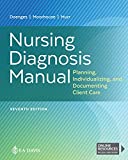
Nursing Diagnosis Manual: Planning, Individualizing, and Documenting Client Care
Identify interventions to plan, individualize, and document care for more than 800 diseases and disorders. Only in the Nursing Diagnosis Manual will you find for each diagnosis subjectively and objectively – sample clinical applications, prioritized action/interventions with rationales – a documentation section, and much more!
All-in-One Nursing Care Planning Resource – E-Book: Medical-Surgical, Pediatric, Maternity, and Psychiatric-Mental Health
Includes over 100 care plans for medical-surgical, maternity/OB, pediatrics, and psychiatric and mental health. Interprofessional “patient problems” focus familiarizes you with how to speak to patients.

See Also
Other recommended site resources for this nursing care plan:
- Nursing Care Plans (NCP): Ultimate Guide and Database MUST READ!
Over 150+ nursing care plans for different diseases and conditions. Includes our easy-to-follow guide on how to create nursing care plans from scratch. - Nursing Diagnosis Guide and List: All You Need to Know to Master Diagnosing
Our comprehensive guide on how to create and write diagnostic labels. Includes detailed nursing care plan guides for common nursing diagnostic labels.
Other nursing care plans related to respiratory system disorders:
- Asthma
- Aspiration Risk & Aspiration Pneumonia
- Airway Clearance Therapy & Coughing
- Bronchiolitis
- Bronchopulmonary Dysplasia (BPD)
- Chronic Obstructive Pulmonary Disease (COPD)
- Cystic Fibrosis
- Hemothorax and Pneumothorax
- Influenza (Flu)
- Ineffective Breathing Pattern (Dyspnea)
- Impairment of Gas Exchange
- Lung Cancer
- Mechanical Ventilation
- Near-Drowning
- Pleural Effusion
- Pneumonia
- Pulmonary Embolism
- Pulmonary Tuberculosis
- Tracheostomy
References and Sources
Recommended journals, books, and other interesting materials to help you learn more about pneumonia nursing care plans and nursing diagnosis:
- Abe, S., Ishihara, K., Adachi, M., & Okuda, K. (2006). Oral hygiene evaluation for effective oral care in preventing pneumonia in dentate elderly. Archives of gerontology and geriatrics, 43(1), 53-64.
- Britton, S., Bejstedt, M., & Vedin, L. (1985). Chest physiotherapy in primary pneumonia. Br Med J (Clin Res Ed), 290(6483), 1703-1704.
- Calverley, P. M., Stockley, R. A., Seemungal, T. A., Hagan, G., Willits, L. R., Riley, J. H., … & Investigating New Standards for Prophylaxis in Reduction of Exacerbations (INSPIRE) Investigators. (2011). Reported pneumonia in patients with COPD: findings from the INSPIRE study. Chest, 139(3), 505-512.
- Cason, C. L., Tyner, T., Saunders, S., & Broome, L. (2007). Nurses’ implementation of guidelines for ventilator-associated pneumonia from the Centers for Disease Control and Prevention. American journal of critical care, 16(1), 28-37.
- Eisenhut, M., & Mizgerd, J. P. (2008). Acute lower respiratory tract infection. New Engl J Med, 358, 2413-4.
- Farrell, J. J., & Petrik, S. C. (2009). Hydration and nosocomial pneumonia: killing two birds with one stone (a toothbrush). Rehabilitation Nursing, 34(2), 47-50.
- Fujita, J., Touyama, M., Chibana, K., Koide, M., Haranaga, S., Higa, F., & Tateyama, M. (2007). Mechanism of formation of the orange-colored sputum in pneumonia caused by Legionella pneumophila. Internal Medicine, 46(23), 1931-1934.
- Grief, S. N., & Loza, J. K. (2018). Guidelines for the evaluation and treatment of pneumonia. Primary Care: Clinics in Office Practice, 45(3), 485-503.
- HASH, R. B., STEPHENS, J. L., LAURENS, M. B., & VOGEL, R. L. (2000). The relationship between volume status, hydration, and radiographic findings in the diagnosis of community-acquired pneumonia. Journal of Family Practice, 49(9), 833-833.
- Head, B. J., Scherb, C. A., Reed, D., Conley, D. M., Weinberg, B., Kozel, M., … & Moorhead, S. (2011). Nursing diagnoses, interventions, and patient outcomes for hospitalized older adults with pneumonia. Research in gerontological nursing, 4(2), 95-105.
- Hinkle, J. L., & Cheever, K. H. (2018). Brunner and Suddarth’s textbook of medical-surgical nursing. Wolters kluwer india Pvt Ltd.
- Ignatavicius, D. D., & Workman, M. L. (2015). Medical-Surgical Nursing-E-Book: Patient-Centered Collaborative Care. Elsevier Health Sciences.
- Keeley, L. (2007). Reducing the risk of ventilator‐acquired pneumonia through head of bed elevation. Nursing in critical care, 12(6), 287-294.
- Kubo, T., Osuka, A., Kabata, D., Kimura, M., Tabira, K., & Ogura, H. (2021). Chest physical therapy reduces pneumonia following inhalation injury. Burns, 47(1), 198-205.
- Lewis, S. L., Bucher, L., Heitkemper, M. M., Harding, M. M., Kwong, J., & Roberts, D. (2016). Medical-Surgical Nursing-E-Book: Assessment and Management of Clinical Problems, Single Volume. Elsevier Health Sciences.
- Luna, C. M., Famiglietti, A., Absi, R., Videla, A. J., Nogueira, F. J., Fuenzalida, A. D., & Geneé, R. J. (2000). Community-acquired pneumonia: etiology, epidemiology, and outcome at a teaching hospital in Argentina. Chest, 118(5), 1344-1354.
- Sattar, S. B. A., Sharma, S., & Headley, A. (2021). Bacterial Pneumonia (Nursing). StatPearls [Internet].
- Scannapieco, F. A. (2006). Pneumonia in nonambulatory patients: the role of oral bacteria and oral hygiene. The Journal of the American Dental Association, 137, S21-S25.
- See, C. M. E. Urgent Care Evaluation of Pneumonia.
- Ticona, J. H., Zaccone, V. M., & McFarlane, I. M. (2021). Community-acquired pneumonia: A focused review. American journal of medical case reports, 9(1), 45.
- Vanoni, N. M., Carugati, M., Borsa, N., Sotgiu, G., Saderi, L., Gori, A., … & Blasi, F. (2019). Management of acute respiratory failure due to community-acquired pneumonia: a systematic review. Medical Sciences, 7(1), 10.
- Yamaya, M., Yanai, M., Ohrui, T., Arai, H., & Sasaki, H. (2001). Interventions to prevent pneumonia among older adults. Journal of the American Geriatrics Society, 49(1), 85-90.
- Yoneyama, T., Yoshida, M., Ohrui, T., Mukaiyama, H., Okamoto, H., Hoshiba, K., … & Of The Oral Care Working Group, M. (2002). Oral care reduces pneumonia in older patients in nursing homes. Journal of the American Geriatrics Society, 50(3), 430-433.
Originally published January 10, 2010.





























Leave a Comment