
Make use of this in-depth nursing care plan and management roadmap to aid in the care of patients with fracture. Expand your knowledge base of nursing assessments, interventions, goal formulation, and nursing diagnoses, all customized to meet the distinct needs of patients with fracture.
What is Fracture?
A fracture is a medical term used for a broken bone. They occur when the physical force exerted on the bone is stronger than the bone itself. They commonly happen because of car accidents, falls, or sports injuries. Other causes are low bone density and osteoporosis, which cause the weakening of the bones. Fracture is sometimes abbreviated FRX or Fx, Fx, or #.
Types of Fracture
There are many fractures, but the main categories are complete, incomplete, open, closed, and pathological. Five major types are as follows:
- Incomplete: Fracture involves only a portion of the cross-section of the bone. One side breaks; the other usually just bend (greenstick).
- Complete: The fracture line involves an entire cross-section of the bone, and bone fragments are usually displaced.
- Closed: The fracture does not extend through the skin.
- Open: Bone fragments extend through the muscle and skin, which is potentially infected.
- Pathological: Fracture occurs in diseased bone (such as cancer, or osteoporosis), with no or only minimal trauma.
Nursing Care Plans & Management
The nursing care planning goals for patients with fractures typically include pain management, promoting optimal healing and mobility, preventing further injury, and providing education and support to the patient and the family about self-care and rehabilitation.
Nursing Problem Priorities
The following are the nursing priorities for clients with fractures:
- Ensure patient comfort and relief from pain
- Ensure proper alignment and immobilization of the fractured area
- Infection prevention
- Promote early mobilization and ambulation
- Promote adequate nutrition for bone healing and support
- Educate the patient and the family on fracture care, rehabilitation exercises, and preventive measures
- Address psychological and emotional needs, such as anxiety, fear, and frustration, related to the fracture and its impact on daily life.
Nursing Assessment
Assess for the following subjective and objective data:
- Visible deformity or swelling at the site of the fracture
- Pain or tenderness at the site of the fracture, which may worsen with movement or pressure
- Loss of function or decreased range of motion in the affected area
- Numbness or tingling in the affected limb or extremity
- Presence of an open wound or exposed bone
- Edema in the surrounding area
- Ecchymosis (bruising) or hematoma formation
- Crepitus or abnormal movement at the fracture site
- Decreased sensation, diminished pulses, or cyanosis
Assess for factors related to the cause of fractures:
- Loss of skeletal integrity (fractures)/movement of bone fragments
- Weakness
- Getting up without assistance
- Muscle spasms
- Movement of bone fragments, edema, and injury to the soft tissue
- Traction/immobility device
- Stress and/or anxiety
- Reduction/interruption of blood flow
- Direct vascular injury, tissue trauma, excessive edema, thrombus formation
- Hypovolemia
- Altered blood flow; blood/fat emboli
- Alveolar/capillary membrane changes: interstitial, pulmonary edema, congestion
- Neuromuscular skeletal impairment; pain/discomfort; restrictive therapies (limb immobilization)
- Unfamiliarity with the use of immobilization devices
- Psychological immobility
- Puncture injury; compound fracture; surgical repair; insertion of traction pins, wires, screws.
- Altered sensation, circulation; accumulation of excretions/secretions
- Physical immobilization
Nursing Diagnosis
Nursing diagnoses provide a standardized method for recognizing, prioritizing, and addressing specific client needs and responses in relation to fractures, including both actual and high-risk problems. They encompass the identification of current or potential health issues that can be effectively prevented or resolved through independent nursing interventions. Formulating nursing diagnoses becomes essential after conducting a thorough assessment to effectively address the patient’s current and potential health concerns related to fractures. These diagnoses serve as a framework for developing and implementing personalized nursing interventions, aiming to optimize patient care.
Nursing Goals
Goals and expected outcomes may include:
- Client will maintain the stability and alignment of fractures.
- Client will evidence callus formation or initial union at the fracture site, where applicable.
- Client will utilize body mechanics that enhance stability at the fracture site.
- Client will verbalize relief from pain and discomfort.
- Client will demonstrate an ability to engage in activities with minimal discomfort.
- Client will practice relaxation skills and diversional activities suited to their individual situation.
- Client will preserve tissue perfusion, as shown by palpable pulses, warm/dry skin, normal sensation, stable vital signs, adequate urinary output, and usual sensorium.
- Client will maintain adequate respiratory function, with no signs of dyspnea or cyanosis, and normal respiratory rate and arterial blood gas levels.
- Client will attain or maintain mobility at the maximum possible level.
- Client will uphold the position of function.
- Client will enhance the strength and function of affected and compensatory body parts.
- Client will demonstrate techniques facilitating the resumption of activities.
- Client will exhibit behaviors and techniques to prevent skin breakdown and facilitate healing.
- Client will ensure timely wound healing, remain free of purulent drainage or erythema, and stay afebrile.
- Client will verbalize understanding of the condition, prognosis, and potential complications.
- Client will correctly perform necessary procedures and explain reasons for actions.
- Client will demonstrate optimal execution of activities of daily living.
- Client will verbalize understanding of methods to maintain normal bowel elimination.
- Client will maintain normal bowel elimination patterns.
Nursing Interventions and Actions
Creating nursing care plans for clients with fractures, whether in a cast or traction, is based on preventing complications during healing. Performing an accurate nursing assessment regularly allows the nursing staff to manage the patient’s pain and prevent complications. In emergency trauma care, basics include triage, assessment and maintaining the airway, breathing, and circulation, protecting the cervical spine, and assessing the level of consciousness. Therapeutic interventions and nursing actions for patients with fractures may include:
1. Preventing Fall Risk and Injury
Patients who have sustained fractures are at a higher risk of falls and injury due to several factors. The immobilization of the affected limb can cause instability and reduced mobility, increasing the risk of falls. In addition, pain, and discomfort can affect balance and coordination, leading to a higher risk of falls. It is important for nurses to assess and address these risk factors, through the use of assistive devices and implementation of fall prevention strategies, to ensure the safety of the patient and promote a successful recovery.
1. Assess pulses in the cast above or below the extremity, edema, coolness, inability to move digits, paleness or cyanosis, and numbness of areas distal to the cast every 2 hours.
Reveals the neurovascular status of an extremity after applying a cast as swelling persists, causing the cast to become tight and impair circulation; a bivalved cast manages severe swelling to prevent tissue damage.
2. Assess the reason for and type of traction, extremity, or body part affected.
Provides detail regarding the use of traction to realign bone ends, immobilized a part, correct a deformity, decrease muscle spasms, and provide rest for an extremity; traction may be manual
as in cast application, skin in which the pull is attached with bandages or straps, or skeletal in which the pull is attached to a pin, wire, or tongs inserted into the bone at a distal position to the fracture.
3. Assess the functioning part of the traction apparatus, including appropriate weight amount and hanging, ropes in the tract with secure knots, pulleys in the original site with movable wheels, the position of frames, and splints.
Provides details required to assure the right traction is applied to the body part.
4. Assess pressure points observing for redness or breakdown, and reposition if possible; massage uninjured skin areas.
Avoids lengthy pressure on the skin that results in the breakdown and impaired blood flow to the area.
5. Observe paleness, numbness, or changes in the movement of the body part; weakness or contractures of uninvolved muscles and joints: Assess pulses and monitor neurovascular status every 2 to 4 hours.
Reveals circulation changes brought about by traction and muscular changes resulting from immobilization.
6. Assess the integrity of the external fixation device.
Hoffman traction provides stabilization and rigid support for fractured bone without ropes, pulleys, or weights, thus allowing for greater patient mobility, and comfort, and facilitating wound care. Loose or excessively tightened clamps or nuts can alter the compression of the frame, causing misalignment.
7. Review follow-up and serial X-rays.
Provides visual evidence of proper alignment or beginning callus formation and healing process to determine the level of activity and need for changes in or additional therapy.
8. Maintain bed rest or limb rest as indicated. Provide support for joints above and below the fracture site, especially when moving and turning.
Provides stability, reducing the possibility of disturbing alignment and muscle spasms, which enhances healing.
9. Secure a bed board under the mattress or place the patient on the orthopedic bed.
A soft or sagging mattress may deform a wet (green) plaster cast, crack a dry cast, or interfere with traction pull.
10. Support the fracture site with pillows or folded blankets. Maintain a neutral position of the affected part with sandbags, splints, trochanter roll, and footboard.
Prevents unnecessary movement and disruption of alignment. Proper placement of pillows also can prevent pressure deformities in the drying cast.
11. Use sufficient personnel when turning. Avoid using an abduction bar when turning a patient with a spica cast.
Hip, body, or multiple casts can be extremely heavy and cumbersome. Failure to properly support limbs in casts may cause the cast to break.
12. Observe and evaluate splinted extremity for resolution of edema.
A coaptation splint (Jones-Sugar tong) may be used to immobilize fracture while excessive tissue swelling is present. As edema subsides, readjustment of the splint or application of plaster or fiberglass cast may be required for continued alignment of the fracture.
13. Maintain position or integrity of traction.
Traction permits pulling on the fractured bone’s long axis and overcoming muscle tension or shortening to facilitate alignment and union. Skeletal traction (pins, wires, tongs) permits greater weight for traction pull than can be applied to skin tissues.
14. Ascertain that all clamps are functional. Lubricate pulleys and check ropes for fraying. Secure and wrap knots with adhesive tape.
Ensures that traction setup is functioning properly to avoid interruption of fracture approximation.
15. Keep ropes unobstructed with weights hanging free; avoid lifting or releasing weights.
An optimal amount of traction weight is maintained. Ensuring free movement of weights during patient repositioning avoids sudden excess pull on fracture with associated pain and muscle spasm.
16. Assist with placement of lifts under bed wheels if indicated.
Helps maintain proper patient position and function of traction by providing a counterbalance.
17. Position the patient, so that appropriate pull is maintained on the long axis of the bone.
Promotes bone alignment and reduces the risk of complications (delayed healing and nonunion).
18. Review restrictions imposed by therapy such as not bending at the waist and sitting up with Buck traction or not turning below the waist with Russell traction.
Maintains integrity of pull of traction.
19. Administer bisphosphonates as indicated.
See Pharmacologic Management
20. Initiate or maintain electrical stimulation, if used.
It may be indicated to promote bone growth in the presence of delayed healing or nonunion.
These include specific interventions for pediatric clients.
21. Advise avoiding the use of a heated fan or dryer.
Heat makes the outside of the cast dry but stays wet underneath or may result in burns from heat conduction through the cast.
22. Dry the cast completely using a fan, turn every 2 hours, support on pillows, and may use the palm of hands to lift or handle the cast, exposing as much of the cast to the air as possible.
Allows the cast to avoid indentations that may cause pressure areas. Let the cast dry from the inside out for 1/2 hour or more depending on the substance used for cast and type of cast.
23. Provide time for quiet play and encourage muscle and joint exercise.
Maintain the function of the muscle and joints.
24. Elevate the cast on a pillow until completely dry and rest for a few days.
Promotes a venous return to lessen swelling.
25. Clean plaster cast using vinegar and water; fiberglass casts are washed with mild soap and water.
Maintains cleanliness of the cast.
26. Petal cast if rough edges are present; massage skin near cast edges and note any reddened or abrasive areas.
Prevents skin irritation and breakdown.
27. Discard small articles or remove food that may be put into the cast.
It prevents pressure to injury and infection if the skin is broken under the cast.
28. Outline the drainage area on the cast with a pen, and include the date and time.
Monitors increase drainage under the cast.
29. Provide muscle strengthening exercises, ROM of unaffected parts, and isometric exercises appropriate.
Prepares for crutch walking if appropriate and maintains joint and muscle mobility.
30. Instruct parents to note and report any pain, swelling, musty odor from the cast, changes in neurovascular status in casted extremity, tightness, or looseness of the cast.
Indicates the presence of infection or neurovascular compromise that may require a cast change.
31. Teach parents and children to avoid allowing the limb to hang down and maintain the elevation of the limb when sitting. Also, support the limb with a sling when standing; avoid standing for prolonged periods of time.
Maintains return venous flow and prevents fatigue from the heavy cast.
32. Reinforce parents and children to restrict activities according to physician advice to avoid placing articles, such as a coat hanger for scratching, into the cast.
It prevents damage to the cast and skin that may lead to infection or impair the desired effect of the cast.
33. Instruct parents to massage skin at the cast edges, refrain from using lotions and powder in these areas, and pad cast edges if needed.
Toughens skin to prevent breakdown and prevents infection by providing media for bacterial growth.
34. Encourage the child in the use of crutches or the application of a sling.
Aids in mobility and promotes participation in activities.
35. Advise parents and children about the duration of cast presence, the need for physical therapy as appropriate, and ways of maintaining a clean cast.
Allows planning for continuing care if appropriate.
36. Maintain correct body alignment mostly in hips, legs, arms, and shoulders; realign the child after position changes.
Facilitates comfort and avoids deformity.
37. Maintain the position of the bed with the head or foot elevated as appropriate.
Provides the amount of pull and counter traction desired.
38. Maintain nonadhesive straps or bandages used; do not remove or change unless permitted while someone maintains traction; note tightness or looseness that may cause ineffective traction.
Supplies attachment for pull-in skin traction.
39. Encourage ROM to unaffected joints, place footplate if appropriate.
Avoids contractures and foot drops.
40. Provide visitation from significant others, and move the bed to the area of activity with friends.
Provides and promotes social interactions.
41. Encourage diversional activities such as reading, watching tv, and games while in traction.
Promotes movement without disturbing traction.
42. Assist the child to perform ADL activities independently as much as possible; facilitate self-care with assistive aids.
Promotes independence in self-care within limitations of age and immobilization.
43. Cleanse and dress pin site daily; apply antiseptic ointment as ordered; observe skin for infection at the site; check screws within metal clamp for accurate clamp attachment to traction; do not remove traction.
Provides attachment for pull-in skeletal traction and treats pin site to avoid infection.
44. Instruct the child on the amount and type of movement allowed while in traction.
Guarantees that the amount of activity is not exceeded and will not affect traction.
45. Teach parents and children as appropriate for the age regarding the purpose of traction and the duration of time traction must be in place.
Provides information to aid with adjusting to immobility.
46. Assure parents that traction will play a part in the healing process of the fracture. Promotes positive feedback to treatment.
2. Promoting Pain Relief and Pain Management
Acute pain is a common experience for patients who have sustained fractures. This is due to the damage and subsequent inflammation of the surrounding tissues, as well as the physical movement required for the bones to heal. Additionally, the pressure and weight placed on the affected limb can also cause discomfort and pain. As a nurse, it is important to effectively manage and alleviate the pain of these patients to promote comfort, prevent further complications, and aid in the healing process.
1. Assess and record the patient’s level of pain.
Utilize pain intensity rating scale including Wong-Baker FACES pain rating scale, visual analog scale, and FLACC (face, legs, activity, crying, consolability) scale. Take note of the relieving and aggravating factors and nonverbal pain cues such as changes in vital signs, emotions, and behavior. Pain assessment determines the effectiveness of interventions. Many factors, including the level of anxiety, may affect the perception of pain.
2. Encourage the patient to discuss problems related to the injury.
Helps alleviate anxiety. The patient may feel the need to relive the accident experience.
3. Maintain immobilization of the affected part using bed rest, cast, splint, and traction.
Immobilization relieves pain and prevents bone displacement and extension of tissue injury.
4. Elevate and support injured extremities.
Promotes venous return, decreases edema,, and may reduce pain.
5. Avoid the use of plastic sheets and pillows under limbs in the cast.
Can increase discomfort by enhancing heat production in the drying cast.
6. Elevate bed covers; keep linens off the toes.
Maintains body warmth without discomfort due to the pressure of bedclothes on affected parts.
7. Explain procedures before starting them.
Allows the patient to prepare mentally for activity and to participate in controlling the level of discomfort.
8. Medicate before care activities. Let the patient know it is important to request medication before the pain becomes severe.
Promotes muscle relaxation and enhances participation.
9. Perform and supervise active and passive ROM exercises.
Maintains strength and mobility of unaffected muscles and facilitates resolution of inflammation in injured tissues.
10. Provide alternative comfort measures (massage, back rub, position changes).
Improves general circulation; reduces areas of local pressure and muscle fatigue.
11. Provide emotional support and encourage stress management techniques (progressive relaxation, deep-breathing exercises, visualization, or guided imagery).
Refocuses attention, promotes a sense of control, and may enhance coping abilities in managing the stress of traumatic injury and pain, which is likely to persist for an extended period.
12. Identify diversional activities appropriate for the patient’s age, physical abilities, and personal preferences.
It prevents boredom, reduces muscle tension, and can increase muscle strength; it may enhance coping abilities.
13. Investigate any reports of unusual or sudden pain or deep, progressive, and poorly localized pain unrelieved by analgesics.
May signal developing complications (infection, tissue ischemia, compartmental syndrome).
14. Apply cold or ice pack first 24–72 hr and as necessary.
Reduces edema and hematoma formation and decreases pain sensation. The duration of application depends on the degree of patient comfort and as long as the skin is carefully protected.
15. Administer medications, as indicated:
Given to reduce pain or muscle spasms. Administer analgesics around the clock for 3–5 days. Studies of ketorolac (Toradol) have proven effective in alleviating bone pain, with longer action and fewer side effects than narcotics agents. Commonly used medications for pain include:
- Narcotic and nonnarcotic analgesics: morphine, meperidine (Demerol), hydrocodone (Vicodin)
- Injectable and oral nonsteroidal anti-inflammatory drugs (NSAIDs): ketorolac (Toradol), ibuprofen (Motrin);
- Muscle relaxants: cyclobenzaprine (Flexeril), carisoprodol (Soma), diazepam (Valium).
16. Maintain and monitor IV patient-controlled analgesia (PCA) using peripheral, epidural, or intrathecal routes of administration. Maintain safe and effective infusions and equipment.
Routinely administered or PCA maintains an adequate blood level of analgesia, preventing fluctuations in pain relief with associated muscle tension and spasms.
3. Monitoring and Preventing Complications
Patients with fractures are at risk for peripheral neurovascular dysfunction due to the potential compression of the nerves and blood vessels in the affected limb. This can lead to decreased circulation, sensation, and motor function, which can hinder the healing process and cause further complications. As a nurse, it is important to assess and monitor the patient’s peripheral neurovascular status, through regular evaluations and interventions such as repositioning and splinting, to prevent and manage this risk.
1. Assess capillary return, skin color, and warmth distal to the fracture.
Return of color should be rapid (3–5 sec). White, cool skin indicates arterial impairment. Cyanosis suggests venous impairment. Note: Peripheral pulses, capillary refill, skin color, and sensation may be normal even in the presence of compartmental syndrome because superficial circulation is usually not compromised.
2. Assess the entire length of the injured extremity for swelling or edema formation. Measure injured extremity and compare with uninjured extremity. Note the appearance and spread of hematoma.
An increasing circumference of the injured extremity may suggest general tissue swelling or edema but may reflect hemorrhage. Note: A 1-inch increase in an adult thigh can equal approximately 1 unit of sequestered blood.
3. Investigate tenderness, swelling, and pain on dorsiflexion of the foot (positive Homans’ sign).
There is an increased potential for thrombophlebitis and pulmonary emboli in patients immobile for several days. The absence of a positive Homans’ sign is not a reliable indicator in many people, especially the elderly, because they often have reduced pain sensation.
4. Evaluate the presence and quality of peripheral pulse distal to injury via palpation or Doppler. Compare with the uninjured limb, if possible.
A decreased or absent pulse may reflect vascular injury and necessitates an immediate medical evaluation of circulatory status. Be aware that occasionally a pulse may be palpated even though circulation is blocked by a soft clot through which pulsations may be felt. In addition, perfusion through larger arteries may continue after increased compartment pressure has collapsed the arteriole or venule circulation in the muscle.
5. Investigate sudden signs of limb ischemia (decreased skin temperature, pallor, and increased pain).
Fracture dislocations of joints (especially the knee) may cause damage to adjacent arteries, resulting in loss of distal blood flow.
6. Monitor vital signs. Note signs of general pallor, cyanosis, cool skin, and changes in mentation.
Inadequate circulating volume compromises systemic tissue perfusion.
7. Perform neurovascular assessments, noting changes in motor and sensory function. Ask the patient to localize pain and discomfort.
Impaired feeling, numbness, tingling, and increased or diffuse pain occur when circulation to nerves is inadequate or nerves are damaged.
8. Note reports of extreme pain for the type of injury or increasing pain on passive movement of extremity, development of paresthesia, muscle tension or tenderness with erythema, and change in pulse quality distal to the injury. Do not elevate extremities. Report symptoms to the physician at once.
Continued bleeding and edema formation within a muscle enclosed by tight fascia can result in impaired blood flow and ischemic myositis or compartmental syndrome, necessitating emergency interventions to relieve pressure and restore circulation.
9. Assess tissues around cast edges for rough places and pressure points. Investigate reports of a “burning sensation” under the cast.
These factors may be the cause of or be indicative of tissue pressure, ischemia, leading to breakdown and necrosis.
10. Monitor the location of the supporting ring of splints or slings.
Traction apparatus can cause pressure on vessels and nerves, particularly in the axilla and groin, resulting in ischemia and possibly permanent nerve damage.
11. Test stools or gastric aspirants for occult blood. Note continued bleeding at trauma or injection site(s) and oozing from mucous membranes.
Increased incidence of gastric bleeding accompanies fractures and trauma and may be related to stress or occasionally reflects a clotting disorder requiring further evaluation.
12. Monitor hemoglobin (Hb), hematocrit (Hct), and coagulation studies such as prothrombin time (PT) levels.
Assists in the calculation of blood loss and effectiveness of replacement therapy. Coagulation deficits may occur secondary to major trauma, the presence of fat emboli, or anticoagulant therapy.
13. Test sensation of the peroneal nerve by pinch or pinprick in the dorsal web between the first and second toe, and assess the ability to dorsiflex toes if indicated.
Length and position of the peroneal nerve increase the risk of its injury in the presence of leg fracture, edema or compartmental syndrome, or malposition of traction apparatus.
14. Remove jewelry from the affected limb.
May restrict circulation when edema occurs.
15. Maintain elevation of injured extremities unless contraindicated by the confirmed presence of compartmental syndrome.
Promotes venous drainage and decreases edema. In the presence of increased compartment pressure, the elevation of the extremity actually impedes arterial flow, decreasing perfusion.
16. Encourage the patient to exercise digits and joints distal to the injury routinely. Ambulate as soon as possible.
Enhances circulation and reduces the pooling of blood, especially in the lower extremities.
17. Apply ice bags around the fracture site for short periods on an intermittent basis for 24–72 hours.
Reduces edema and hematoma formation, which could impair circulation.
18. Avoid elevation and application of ice when acute compartment syndrome is suspected.
Elevation and ice application may aggravate impaired vascular supply in an extremity already experiencing ischemia due to developing compartment syndrome.
19. Review electromyography (EMG) and nerve conduction velocity (NCV) studies.
It may be performed to differentiate between true nerve dysfunction, muscle weakness, and reduced use due to secondary gain. See Diagnostic Procedures and Laboratory Studies
20. Administer IV fluids and blood products as needed.
Maintains circulating volume, enhancing tissue perfusion.
21. Split or bivalve cast as needed.
It may be done on an emergency basis to relieve restriction and improve impaired circulation resulting from compression and edema formation in the injured extremity.
22. Assist with intra-compartmental pressures as appropriate.
Elevation of pressure (usually to 30 mm Hg or more) indicates the need for prompt evaluation and intervention. This is not a widespread diagnostic tool, so special interventions and training may be required.
23. Prepare for surgical intervention (fibulectomy, fasciotomy) as indicated.
Failure to relieve pressure or correct compartment syndrome within 4–6 hr of onset can result in severe contractures or loss of function and disfigurement of extremity distal to injury or even necessitate amputation.
4. Promoting Effective Gas Exchange
Patients with fractures are at risk for impaired gas exchange due to pain and discomfort leading to shallow breathing, decreased lung expansion, and decreased oxygenation of the bloodstream. Additionally, immobility and decreased physical activity can also contribute to the risk of impaired gas exchange. As a nurse, it is important to regularly assess and promote deep breathing exercises, as well as encourage mobility and physical activity to prevent and manage this risk.
1. Monitor respiratory rate and effort. Note stridor, use of accessory muscles, retractions, and development of central cyanosis.
Tachypnea, dyspnea, and changes in mentation are early signs of respiratory insufficiency and may be the only indicator of developing pulmonary emboli in the early stage. The remaining signs and symptoms reflect advanced respiratory distress or impending failure.
2. Auscultate breath sounds, noting the development of unequal, hyper resonant sounds; also note the presence of crackles, rhonchi, wheezes, and inspiratory crowing or croupy sounds.
The presence of adventitious breath sounds reflects developing respiratory complications such as atelectasis, pneumonia, emboli, and adult respiratory distress syndrome (ARDS). Inspiratory crowing reflects upper airway edema and is suggestive of fat emboli.
3. Note increasing restlessness, confusion, lethargy, and stupor.
Impaired gas exchange or the presence of pulmonary emboli can cause deterioration in the patient’s level of consciousness as hypoxemia or acidosis develops.
4. Inspect the skin for petechiae above the nipple line; in the axilla, spreading to the abdomen or trunk; buccal mucosa, hard palate; conjunctival sacs, and retina.
This is the most characteristic sign of fat emboli, which may appear within 2–3 days after injury.
5. Observe sputum for signs of blood.
Hemoptysis may occur with pulmonary emboli.
6. Monitor laboratory studies (Serial arterial blood gasses; Hb, calcium, erythrocyte sedimentation rate (ESR), serum lipase, fat screen, platelets) as appropriate.
Anemia, hypocalcemia, elevated ESR and lipase levels, fat globules in blood, urine, and sputum, and decreased platelet count (thrombocytopenia) are often associated with fat emboli.
7. Handle injured tissues and bones gently, especially during the first several days.
This may prevent the development of fat emboli (usually seen in the first 12–72 hr), which are closely associated with fractures, especially of the long bones and pelvis.
8. Instruct and assist with deep breathing and coughing exercises. Reposition frequently.
Promotes alveolar ventilation and perfusion. Repositioning promotes drainage of secretions and decreases congestion in dependent lung areas.
9. Assist with incentive spirometry.
Increases available supplemental oxygen for optimal tissue oxygenation.
10. Administer supplemental oxygen if indicated.
Decreased Pao2 and increased Paco2 indicate impaired gas exchange or developing failure.
11. Administer low molecular heparin, and corticosteroids as indicated.
See Pharmacologic Management
5. Enhancing Physical Mobility
Patients who have sustained fractures often experience impaired physical mobility due to pain, discomfort, and immobility caused by the affected limb. The use of assistive devices such as casts or crutches can also contribute to reduced mobility. As a nurse, it is important to promote and assist with safe and controlled movements to prevent further complications, maintain joint mobility, and encourage the healing process. This can include implementing physical therapy and range of motion exercises, as well as utilizing assistive devices as needed.
1. Assess the degree of immobility produced by injury or treatment and note the patient’s perception of immobility.
The patient may be restricted by self-view or self-perception out of proportion with actual physical limitations, requiring information or interventions to promote progress toward wellness.
2. Assess the health literacy and cultural practices of the patient.
It helps ensure the chosen and presented materials are culturally and educationally appropriate.
3. Auscultate bowel sounds. Monitor elimination habits and provide for a regular bowel routine. Place on bedside commode, if feasible, or use fracture pan. Provide privacy.
Bed rest, use of analgesics, and changes in dietary habits can slow peristalsis and produce constipation. Nursing measures that facilitate elimination may prevent or limit complications. Fracture limits the flexion of the hips and lessens the pressure on the lumbar region and lower extremity cast.
4. Monitor blood pressure (BP) with the resumption of activity. Note reports of dizziness.
Postural hypotension is a common problem following prolonged bed rest and may require specific interventions (tilt table with gradual elevation to the upright position).
5. Encourage participation in diversional or recreational activities. Maintain a stimulating environment (radio, TV, newspapers, personal possessions, pictures, clock, calendar, visits from family and friends).
Provides an opportunity to release energy, refocuses attention, enhances the patient’s sense of self-control and self-worth, and aids in reducing social isolation.
6. Teach the patient or assist with active and passive ROM exercises of affected and unaffected extremities.
Increases blood flow to muscles and bone to improve muscle tone, preserve joint mobility, prevent contractures or atrophy, and calcium resorption from disuse.
7. Encourage the use of isometric exercises starting with the unaffected limb.
Isometrics contract muscles without bending joints or moving limbs and help maintain muscle strength and mass. These exercises are contraindicated while acute bleeding and edema are present.
8. Provide footboard, wrist splints, trochanter, or hand rolls as appropriate.
Useful in maintaining a functional position of extremities, hands, and feet and preventing complications (contractures, foot drop).
9. Place in a supine position periodically if possible, when traction is used to stabilize lower limb fractures.
Reduces the risk of flexion contracture of the hip.
10. Instruct and encourage the use of trapeze and “postposition” for lower limb fractures.
Facilitates movement during hygiene or skincare and linen changes; reduces the discomfort of remaining flat in bed. “Post position” involves placing the uninjured foot flat on the bed with the knee bent while grasping the trapeze and lifting the body off the bed.
11. Assist with self-care activities (bathing, shaving).
Improves muscle strength and circulation, enhances patient control in the situation, and promotes self-directed wellness.
12. Provide and assist with mobility aids such as wheelchairs, walkers, crutches, and canes.
Early mobility reduces complications of bed rest (phlebitis) and promotes healing and normalization of organ function. Learning the correct way to use aids is important to maintain optimal mobility and patient safety.
13. Reposition periodically and encourage coughing and deep-breathing exercises.
Prevents or reduces the incidence of skin and respiratory complications (decubitus, atelectasis, pneumonia).
14. Instruct the patient and family in the care of an extremity in the external fixator, the performance of prescribed exercises while in the fixator, and signs and symptoms of complications.
Knowledge will help ensure optimal healing and immediate interventions in case of complications.
15. Encourage increased fluid intake to 2000–3000 mL per day (within cardiac tolerance), including acid or ash juices.
Keeps the body well hydrated, decreasing the risk of urinary infection, stone formation, and constipation
16. Provide a diet high in proteins, carbohydrates, vitamins, and minerals, limiting protein content until the first bowel movement.
In the presence of musculoskeletal injuries, nutrients required for healing are rapidly depleted, often resulting in a weight loss of as much as 20 to 30 lb (9kg to 13 kg) during skeletal traction. This can have a profound effect on muscle mass, tone, and strength. Protein foods increase contents in the small bowel, resulting in gas formation and constipation. Therefore, the gastrointestinal (GI) function should be fully restored before protein foods are increased.
17. Increase the amount of roughage or fiber in the diet. Limit gas-forming foods.
Adding bulk to stool helps prevent constipation. Gas-forming foods may cause abdominal distension, especially in the presence of decreased intestinal motility.
18. Initiate bowel program (stool softeners, enemas, laxatives), as indicated.
Helps promote regular bowel evacuation.
19. Teach the patient and significant others (SO) about the use of analgesics and instruct nonpharmacological pain management such as imagery, relaxation, and distractions.
Effective pain intervention will enhance the patient’s ability to engage in appropriate activity and exercises.
20. Consult with a physical, occupational therapist, or rehabilitation specialist.
Useful in creating individualized activity and exercise programs. The patient may require long-term assistance with movement, strengthening, and weight-bearing activities, as well as the use of adjuncts (walkers, crutches, canes); elevated toilet seats; pickup sticks or reachers; special eating utensils.
21. Refer to a psychiatric clinical nurse specialist or therapist as indicated.
Patients or SO may require more intensive treatment to deal with the reality of the current condition, prognosis, prolonged immobility, and perceived loss of control.
6. Wound Care and Skin Integrity
Patients with fractures are at risk for impaired skin integrity due to immobility and decreased physical activity, which can lead to pressure ulcers and other skin breakdown. In addition, the use of casts and other immobilization devices can also contribute to this risk by restricting circulation and causing prolonged pressure on the skin. As a nurse, it is important to regularly assess and monitor the patient’s skin, implement preventive measures such as repositioning and pressure relief, and provide appropriate wound care to maintain skin integrity and prevent further complications.
1. Examine the skin for open wounds, foreign bodies, rashes, bleeding, discoloration, duskiness, and blanching.
Provides information regarding skin circulation and problems caused by application or restriction of the cast, splint, or traction apparatus, or edema formation that may require further medical intervention.
2. Assess the position of the splint ring of the traction device.
Improper positioning may cause skin injury or breakdown.
3. Massage skin and bony prominences. Keep the bed linens dry and free of wrinkles. Place water pads or padding under elbows or heels, as indicated.
Reduces pressure on susceptible areas and risks abrasions and skin breakdown.
4. Reposition frequently. Encourage the use of a trapeze if possible.
Lessens constant pressure on the same areas and minimizes the risk of skin breakdown. The use of a trapeze may reduce the risk of abrasions to elbows and heels.
5. Plaster cast application and skincare:
- 5.1. Cleanse skin with soap and water.
Provides a dry, clean area for cast application. Note: Excess powder may cake when it comes in contact with water and perspiration. - 5.2. Rub gently with alcohol or dust with a small amount of zinc or stearate powder.
Useful for padding bony prominences, finishing cast edges, and protecting the skin. - 5.3. Cut a length of stockinette to cover the area and extend several inches beyond the cast.
Prevents indentations or flattening over bony prominences and weight-bearing areas (back of heels), which would cause abrasion or tissue trauma. An improperly shaped or dried cast is irritating to the underlying skin and may lead to circulatory impairment. - 5.4. Use the palm of hand to apply, hold, or move the cast and support on pillows after application.
Uneven plaster is irritating to the skin and may result in abrasions. - 5.5. Trim excess plaster from the edges of the cast as soon as casting is completed.
Prevents skin breakdown caused by prolonged moisture trapped under the cast. - 5.6. Promote cast drying by removing bed linen, and exposing it to circulating air.
Pressure can cause ulcerations, necrosis, or nerve palsies. - 5.7. Observe potential pressure areas, especially at the edges of and under the splint or cast.
These problems may be painless when nerve damage is present. - 5.8. Pad (petal) the edges of the cast with waterproof tape.
Provides an effective barrier to cast flaking and moisture. Helps prevent the breakdown of cast material at the edges and reduces skin irritation and excoriation. - 5.9. Cleanse excess plaster from the skin while still wet, if possible.
Dry plaster may flake into the completed cast and cause skin damage.
6. Protect cast and skin in the perineal area:
- 6.1. Provide frequent perineal care.
Prevents tissue breakdown and infection by fecal contamination. - 6.2. Instruct patient and significant other to avoid inserting objects inside casts.
“Scratching an itch” may cause tissue injury. - 6.3. Massage the skin around the cast edges with alcohol
Has a drying effect, which toughens the skin. Creams and lotions are not recommended because excessive oils can seal the cast perimeter, not allowing the cast to “breathe.” Powders are not recommended because of the potential for excessive accumulation inside the cast. - 6.4. Turn frequently to include the uninvolved side, back, and prone positions (as tolerated) with the patient’s feet over the end of the mattress.
Minimizes pressure on feet and around cast edges.
7. Skin traction application and skincare:
- 7.1. Cleanse the skin with warm, soapy water.
Reduces the level of contaminants on the skin. - 7.2. Apply tincture of benzoin.
“Toughens” the skin for the application of skin traction. - 7.3. Apply commercial skin traction tapes (or make some with strips of moleskin or adhesive tape) lengthwise on opposite sides of the affected limb.
Traction tapes encircling a limb may compromise circulation. - 7.4. Extend the tapes beyond the length of the limb.
Traction is inserted in line with the free ends of the tape. - 7.5. Mark the line where the tapes extend beyond the extremity.
Allows for quick assessment of slippage. - 7.6. Place protective padding under the leg and over bony prominences.
Minimizes pressure on these areas. - 7.7. Wrap the limb circumference, including tapes and padding, with elastic bandages, being careful to wrap snugly but not too tightly.
Provides for appropriate traction pull without compromising circulation. - 7.8. Palpate taped tissues daily and document any tenderness or pain.
If the area under the tapes is tender, suspect skin irritation, and prepare to remove the bandage system. - 7.9. Remove skin traction every 24 hr, per protocol; inspect and give skin care.
Maintains skin integrity.
8. Skeletal traction and fixation application and skincare:
- 8.1. Bend wire ends or cover ends of wires or pins with rubber or cork protectors or needle caps.
Prevents injury to other body parts. - 8.2. Pad slings or frame with sheepskin, foam.
Prevents excessive pressure on the skin and promotes moisture evaporation that reduces the risk of excoriation. - 8.3. Provide foam mattresses, sheepskins, flotation pads, or air mattresses as indicated.
Because of the immobilization of body parts, bony prominences other than those affected by the casting may suffer from decreased circulation. - 8.4. Monovalve, bivalve, or cut a window in the cast, per protocol.
Allows the release of pressure and provides access to wound and skin care.
7. Preventing Infection Risk
Patients with fractures are at risk for infection due to the presence of open wounds and fractures, which can provide an entry point for bacteria and other pathogens. Additionally, the use of assistive devices such as casts and the need for invasive procedures, such as surgery, can also increase the risk of infection. As a nurse, it is important to implement infection control measures, assess and monitor for signs of infection, and provide prompt and appropriate intervention to prevent and manage this risk.
1. Inspect the skin for preexisting irritation or breaks in continuity.
Pins or wires should not be inserted through skin infections, rashes, or abrasions (which may lead to bone infection).
2. Assess pin sites and skin areas, noting reports of increased pain, burning sensation, presence of edema, erythema, foul odor, or drainage.
May indicate the onset of local infection or tissue necrosis, which can lead to osteomyelitis.
3. Assess muscle tone, reflexes, and ability to speak.
Muscle rigidity, tonic spasms of jaw muscles, and dysphagia reflect the development of tetanus.
4. Observe wounds for bullae formation, crepitation, bronze discoloration of the skin, frothy or fruity-smelling drainage.
Signs suggestive of gas gangrene infection.
5. Line perineal cast edges with plastic wrap.
Damp, soiled casts can promote the growth of bacteria.
6. Instruct the patient not to touch the insertion sites.
Minimizes opportunity for contamination.
7. Investigate abrupt onset of pain and limitation of movement with localized edema and erythema in the injured extremity.
May indicate the development of osteomyelitis.
8. Monitor vital signs. Note the presence of chills, fever, malaise, and changes in mentation.
Hypotension, and confusion may be seen with gas gangrene; tachycardia, chills, and fever reflect developing sepsis.
9. Monitor laboratory and diagnostic studies:
- 9.1. Complete blood count (CBC)
Anemia may be noted with osteomyelitis; leukocytosis is usually present with infective processes. - 9.2. ESR
Elevated in osteomyelitis. - 9.3. Cultures and sensitivity of wound, serum, bone
Identifies infective organisms and effective antimicrobial agent(s). - 9.4. Radioisotope scans
Hot spots signify increased areas of vascularity, indicative of osteomyelitis.
10. Provide sterile pin or wound care according to protocol and exercise meticulous handwashing.
May prevent cross-contamination and the possibility of infection.
11. Institute-prescribed isolation procedures.
The presence of purulent drainage requires wound and linen precautions to prevent cross-contamination.
12. Administer IV and topical antibiotics and tetanus toxoid, as indicated.
See Pharmacologic Management
13. Provide wound or bone irrigations and apply warm or moist soaks as indicated.
Local debridement and cleansing of wounds reduce microorganisms and the incidence of systemic infection. Continuous antimicrobial drip into bone may be necessary to treat osteomyelitis, especially if the blood supply to the bone is compromised.
14. Assist with procedures (incision and drainage, placement of drains, hyperbaric oxygen therapy).
Numerous procedures may be carried out in the treatment of local infections, osteomyelitis, gas gangrene.
15. Prepare for surgery, as indicated.
Sequestrectomy (removal of necrotic bone) is necessary to facilitate healing and prevent the extension of the infectious process.
8. Assisting in Self-Care
Patients with fractures may experience self-care deficit due to decreased physical mobility and the need for assistive devices, which can make daily activities and self-care tasks more difficult. In addition, the pain and discomfort associated with the injury can also impact their ability to perform self-care tasks. As a nurse, it is important to assess the patient’s abilities and limitations, provide education and support on self-care techniques, and assist with tasks as needed to promote independence and prevent a self-care deficit.
1. Assess the self-care limitations of the patient.
A comprehensive assessment allows the implementation of applicable methods related to self-care.
2. Make sure that the patient receives the prescribed pain management.
Pain that is not managed can adversely restrict attempts to mobilize, resulting in difficulty in carrying out self-care tasks.
3. Initiate an efficient exercise regimen that will promote endurance, strength, and improvement of muscle groups necessary for the particular activity deficit of the patient.
Patients in a cast or immobilizer may require a planned exercise to aid in the management of self-care. Increased strength and endurance contribute to autonomy in self-care.
4. Refer the patient to occupational therapy if indicated, and use assistive devices and dressing/grooming aids as needed.
Utilizing these assistive tools can strengthen the ability of the patient to perform dressing, bathing, and personal hygiene routines. Adaptive clothing can also be used to ease dressing.
5. Instruct significant others on how to assist the patient during self-care activities.
Involving the significant other can decrease the need for skilled home services. A significant other who is well-learned in dealing with these activities also can reinforce health care instructions given to the patient.
6. Refer to the care management/social services department of the hospital as needed.
Patients may need financial support to gain assistive equipment or home help. Social services staff can also determine community agencies that loan equipment or have other volunteer services.
9. Initiating Patient Education and Health Teachings
Patients who have sustained fractures may experience deficient knowledge regarding their condition, treatment, and self-care management. This can be due to a lack of understanding of the injury, the healing process, and the necessary steps for recovery. As a nurse, it is important to provide education and support to the patient and their family, addressing their questions and concerns, and ensuring they have the knowledge and skills needed for a successful recovery. This can include information on proper wound care, physical therapy and exercise, pain management, and any other necessary self-care techniques.
1. Review pathology, prognosis, and future expectations.
Provides a knowledge base from which patients can make informed choices. Internal fixation devices can ultimately compromise the bone’s strength, and intramedullary nails and rods or plates may be removed at a future date.
2. Discuss dietary needs.
A low-fat diet with adequate quality protein and rich in calcium promotes healing and general well-being.
3. Discuss individual drug regimens as appropriate.
Proper use of pain medication and antiplatelet agents can reduce the risk of complications. Long-term use of alendronate (Fosamax) may reduce the risk of stress fractures. Note: Fosamax should be taken on an empty stomach with plain water because the absorption of the drug may be altered by food and some medications (antacids, calcium supplements).
4. Reinforce methods of mobility and ambulation as instructed by a physical therapist when indicated.
Most fractures require casts, splints, or braces during the healing process. Further damage and delay in healing could occur secondary to improper use of ambulatory devices.
5. Suggest the use of a backpack.
Provides a place to carry necessary articles and leaves hands free to manipulate crutches; may prevent undue muscle fatigue when one arm has a cast.
6. List activities the patient can perform independently and those that require assistance.
Organizes activities around the need and who is available to provide help.
7. Identify available community services (rehabilitation teams, home nursing, or homemaker services).
Provides assistance to facilitate self-care and support independence. Promotes optimal self-care and recovery.
8. Encourage the patient to continue active exercises for the joints above and below the fracture.
It prevents joint stiffness, contractures, and muscle wasting, promoting an earlier return to independence in activities of daily living (ADLs).
9. Discuss the importance of clinical and therapy follow-up appointments.
Fracture healing may take as long as a year to complete, and patient cooperation with the medical regimen facilitates the proper union of bones. Physical therapy (PT) or occupational therapy (OT) may be indicated for exercises to maintain and strengthen muscles and improve function. Additional modalities such as low-intensity ultrasound may be used to stimulate the healing of lower forearm or lower leg fractures.
10. Review proper pin and wound care.
Reduces the risk of bone or tissue trauma and infection, which can progress to osteomyelitis.
11. Recommend cleaning the external fixator regularly.
Keeping the device free of dust and contaminants reduces the risk of infection.
12. Teach the patient and significant other to identify signs and symptoms requiring medical evaluation.
These symptoms include severe pain, fever, chills, foul odors, changes in sensation, swelling, burning, numbness, tingling, skin discoloration, paralysis, white or cool toes or fingertips, warm spots, soft areas, and cracks in the cast). Prompt intervention may reduce the severity of complications such as infection or impaired circulation. Note: Some skin darkening (vascular congestion) may normally occur when walking on the casted extremity or using a casted arm; however, this should resolve with rest and elevation.
13. Discuss care of “green” or wet cast.
Promotes proper curing to prevent cast deformities and associated misalignment and skin irritation. Placing a “cooling” cast directly on rubber or plastic pillows traps heat and increases drying time.
14. Suggest the use of a blow-dryer to dry small areas of dampened casts.
Cautious use can hasten to dry.
15. Demonstrate the use of plastic bags to cover plaster cast during wet weather or while bathing. Clean the soiled cast with a slightly dampened cloth and some scouring powder.
Protects from moisture, which softens the plaster and weakens the cast. Fiberglass casts are being used more frequently because they are not affected by moisture. In addition, it being lightweight may enhance patient participation in desired activities.
16. Emphasize the importance of not adjusting the clamps and nuts of an external fixator.
Tampering may alter compression and misalign fracture.
17. Recommend the use of adaptive clothing.
Facilitates dressing and grooming activities.
18. Suggest ways to cover toes, if appropriate (stockinette or soft socks).
Helps maintain warmth and protect from injury.
19. Instruct the patient to continue exercises as permitted.
Reduces stiffness and improves the strength and function of the affected extremity.
20. Inform the patient that the skin under the cast is commonly mottled and covered with scales or crusts of dead skin.
It may take several weeks before normal appearance returns.
21. Wash the skin gently with soap, povidone-iodine (Betadine), pHisoDerm, and water. Lubricate with a protective emollient.
The new skin is extremely tender because it has been protected beneath a cast.
22. Inform the patient that muscles may appear flabby and atrophied (less muscle mass).
Recommend supporting the joint above and below the affected part and using mobility aids (elastic bandages, splints, braces, crutches, walkers, or canes). Muscle strength will be reduced, and new or different aches and pains may occur for a while secondary to loss of support.
23. Elevate the extremity as needed.
Swelling and edema tend to occur after cast removal.
10. Managing Constipation and Improving Bowel Movement
Constipation can occur in patients with fractures due to decreased physical activity, pain medication use, and immobility. These factors can slow down the digestive process and lead to decreased bowel movements. As a nurse, it is important to monitor the patient’s bowel movements and provide education on diet and fluid intake, as well as assist with implementing measures such as stool softeners or enemas to prevent constipation and maintain regular bowel function.
1. Assess the patient’s usual bowel pattern and habits.
Using effective and proven methods will allow patients to achieve their usual bowel elimination pattern more quickly.
2. Auscultate abdomen for presence, location, and characteristics of bowel sounds.
Determines bowel activity of the patient.
3. Encourage the patient to increase adequate fluid intake unless contraindicated.
Fluid intake helps make the stool soft and moist for easier elimination.
4. Encourage balanced fiber and bulk in the diet.
Improve consistency in stool and facilitate passage through the colon.
5. Explain and instruct the patient on other ways of managing pain (different combinations of drugs, visualization techniques, or relaxation techniques).
Nonopioid drugs used in combination may decrease the need for opioids, control pain, and lessen the side effects that contribute to constipation.
6. Encourage mobility to the limit of the prescribed activity.
Mobility aids peristalsis and therefore enhances bowel elimination. The patient thus should not be left in bed or allowed to use a bedside commode if additional mobility can be tolerated.
7. Teach current influences on impaired bowel elimination.
The use of opioid analgesics, lack of food intake, and decreased mobility can negatively affect bowel elimination.
8. Administer stool softeners, enemas, and laxatives as prescribed. Evaluate response to medications and initiate supplemental therapies as needed to reattain normal bowel function.
These medications may be given to maintain normal bowel elimination. If a stool softener or laxative is unsuccessful, a rectal suppository or enema administration may be administered to aid with elimination. See Pharmacologic Management
11. Administering Medications and Pharmacological Support
Medications used in patients with fractures are initially focused on pain management to facilitate comfort; but also some medications used play a significant role in preventing complications such as infection, muscle spasms, and blood clot formation, and promoting bone healing, ultimately enhancing the patient’s recovery.
1. Injectable and oral nonsteroidal anti-inflammatory drugs (NSAIDs): ketorolac (Toradol), ibuprofen (Motrin).
Nonsteroidal anti-inflammatory drugs (NSAIDs) such as ibuprofen or naproxen sodium are usually used for mild to moderate pain.
2. Narcotic and nonnarcotic analgesics: morphine, meperidine (Demerol), hydrocodone (Vicodin)
Narcotic analgesics, such as opioids, are used to manage severe pain associated with fractures by binding to opioid receptors in the central nervous system, decreasing the perception of pain. Non-narcotic analgesics, such as nonsteroidal anti-inflammatory drugs (NSAIDs), are commonly used to alleviate mild to moderate pain and reduce inflammation in patients with fractures, offering an alternative option with fewer potential side effects and a lower risk of dependence.
3. Muscle relaxants: cyclobenzaprine (Flexeril), carisoprodol (Soma), diazepam (Valium).
These medications are used to relieve muscle spasms and promote muscle relaxation, helping to improve pain control and enhance mobility during the recovery process.
4. Biphosphates: alendronate (Fosamax) or risedronate (Actonel)
Biphosphates act as a specific inhibitor of osteoclast-mediated bone resorption, allowing the bone formation to progress at a higher ratio, promoting the healing of fractures, and decreasing the rate of bone turnover in the presence of osteoporosis.
4. Low-molecular-weight heparin or heparinoids enoxaparin (Lovenox), dalteparin (Fragmin), and ardeparin (Normiflo).
Used for prevention of thromboembolic phenomena, including deep vein thrombosis and pulmonary emboli.
5. Corticosteroids.
Steroids have been used with some success to prevent or treat fat embolus.
6. IV and topical antibiotics
Wide-spectrum antibiotics may be used prophylactically or may be geared toward a specific microorganism.
7. Tetanus toxoid
Given prophylactically because the possibility of tetanus exists with any open wound. Note: Risk increases when injury or wound(s) occur in “field conditions” (outdoor, rural areas, work environment).
8. Stool softeners
Medications such as docusate sodium (Colace) or docusate calcium (Surfak) help to soften the stool, making it easier to pass.
9. Osmotic laxatives
Osmotic laxatives include polyethylene glycol (Miralax) or lactulose. These medications work by drawing water into the bowel, softening the stool, and promoting bowel movements.
10. Bulk-forming laxatives
Fiber supplements such as psyllium (Metamucil) or methylcellulose (Citrucel) add bulk to the stool, aiding in regular bowel movements.
11. Stimulant laxatives
Medications like bisacodyl (Dulcolax) or senna (Senokot) stimulate the intestinal muscles, promoting bowel contractions and facilitating bowel movements.
12. Monitoring Diagnostic Procedures and Laboratory Studies
Diagnostic procedures and laboratory studies in patients with fractures encompass a range of tests and imaging techniques, including X-rays, CT scans, and MRIs, which help visualize and assess the location, severity, and alignment of fractures, while laboratory studies such as complete blood count (CBC), blood chemistry panels, and coagulation studies helps in identifying potential infections or clotting disorders and guiding treatment decisions for fracture management.
1. X-rays
X-rays are commonly performed to visualize and assess the presence, location, and extent of fractures. They provide detailed images of the bone structures and help guide treatment options.
2. Complete Blood Count (CBC)
A CBC is a blood test that will help evaluate for any signs of infection, anemia, or other blood-related issues.
3. Erythrocyte Sedimentation Rate (ESR) and C-Reactive Protein (CRP)
These blood tests are markers of inflammation and can help identify if there is an underlying infection or inflammation associated with the fracture.
4. Coagulation studies, such as prothrombin time (PT), activated partial thromboplastin time (aPTT), and international normalized ratio (INR).
These tests help guide decisions regarding the use of anticoagulant medications, surgical interventions, or preventive measures to minimize the risk of clot formation or excessive bleeding during the fracture healing process.
5. Electromyography (EMG)
EMG is used to assess nerve and muscle function, identify nerve injuries or compression, and aid in determining the extent and severity of nerve involvement.
6. Nerve Velocity Conduction (NVC)
NCV measures the speed and strength of electrical impulses as they travel along nerves, providing valuable information about nerve function and integrity in patients with fractures.
7. Radiostope scans
This imaging technique is used to assess bone metabolism, detect bone abnormalities, and aid in the diagnosis of conditions such as stress fractures or bone infections by using radioactive tracers that accumulate in areas of increased bone activity.
Recommended Resources
Recommended nursing diagnosis and nursing care plan books and resources.
Disclosure: Included below are affiliate links from Amazon at no additional cost from you. We may earn a small commission from your purchase. For more information, check out our privacy policy.
Ackley and Ladwig’s Nursing Diagnosis Handbook: An Evidence-Based Guide to Planning Care
We love this book because of its evidence-based approach to nursing interventions. This care plan handbook uses an easy, three-step system to guide you through client assessment, nursing diagnosis, and care planning. Includes step-by-step instructions showing how to implement care and evaluate outcomes, and help you build skills in diagnostic reasoning and critical thinking.
Nursing Care Plans – Nursing Diagnosis & Intervention (10th Edition)
Includes over two hundred care plans that reflect the most recent evidence-based guidelines. New to this edition are ICNP diagnoses, care plans on LGBTQ health issues, and on electrolytes and acid-base balance.
Nurse’s Pocket Guide: Diagnoses, Prioritized Interventions, and Rationales
Quick-reference tool includes all you need to identify the correct diagnoses for efficient patient care planning. The sixteenth edition includes the most recent nursing diagnoses and interventions and an alphabetized listing of nursing diagnoses covering more than 400 disorders.
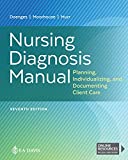
Nursing Diagnosis Manual: Planning, Individualizing, and Documenting Client Care
Identify interventions to plan, individualize, and document care for more than 800 diseases and disorders. Only in the Nursing Diagnosis Manual will you find for each diagnosis subjectively and objectively – sample clinical applications, prioritized action/interventions with rationales – a documentation section, and much more!
All-in-One Nursing Care Planning Resource – E-Book: Medical-Surgical, Pediatric, Maternity, and Psychiatric-Mental Health
Includes over 100 care plans for medical-surgical, maternity/OB, pediatrics, and psychiatric and mental health. Interprofessional “patient problems” focus familiarizes you with how to speak to patients.

See also
Other recommended site resources for this nursing care plan:
- Nursing Care Plans (NCP): Ultimate Guide and Database MUST READ!
Over 150+ nursing care plans for different diseases and conditions. Includes our easy-to-follow guide on how to create nursing care plans from scratch. - Nursing Diagnosis Guide and List: All You Need to Know to Master Diagnosing
Our comprehensive guide on how to create and write diagnostic labels. Includes detailed nursing care plan guides for common nursing diagnostic labels.
Other nursing care plans for musculoskeletal disorders and conditions:
- Amputation
- Congenital Hip Dysplasia
- Fracture
- Juvenile Rheumatoid Arthritis
- Laminectomy (Disc Surgery)
- Osteoarthritis
- Osteoporosis
- Physical Mobility & Immobility
- Rheumatoid Arthritis
- Scoliosis
- Spinal Cord Injury
- Total Joint (Knee, Hip) Replacement
References and Sources
Recommended references and sources for this fracture nursing care plans:
- Auer, R., & Riehl, J. (2017). The incidence of deep vein thrombosis and pulmonary embolism after fracture of the tibia: an analysis of the National Trauma Databank. Journal of clinical orthopaedics and trauma, 8(1), 38-44.
- Biz, C., Fantoni, I., Crepaldi, N., Zonta, F., Buffon, L., Corradin, M., … & Ruggieri, P. (2019). Clinical practice and nursing management of pre-operative skin or skeletal traction for hip fractures in elderly patients: a cross-sectional three-institution study. International journal of orthopaedic and trauma nursing, 32, 32-40.
- Brent, L., Hommel, A., Maher, A. B., Hertz, K., Meehan, A. J., & Santy-Tomlinson, J. (2018). Nursing care of fragility fracture patients. Injury, 49(8), 1409-1412.
- Buckley, J. (2002). Massage and aromatherapy massage: Nursing art and science. International Journal of Palliative Nursing, 8(6), 276-280.
- Desnita, O., Noer, R. M., & Agusthia, M. (2021, July). Cold Compresses Effect of on Postoperative Orif Pain in Fracture Patients. In KaPIN Conference (pp. 133-140).
- DiFazio, R., & Atkinson, C. C. (2005). Extremity fractures in children: when is it an emergency?. Journal of pediatric nursing, 20(4), 298-304.
- Griffioen, M. A., Ziegler, M. L., O’Toole, R. V., Dorsey, S. G., & Renn, C. L. (2019). Change in pain score after administration of analgesics for lower extremity fracture pain during hospitalization. Pain Management Nursing, 20(2), 158-163.
- Hommel, A., Kock, M. L., Persson, J., & Werntoft, E. (2012). The Patient’s view of nursing care after hip fracture. ISRN nursing, 2012. [Link]
- Lin, Y. C., Lee, S. H., Chen, I. J., Chang, C. H., Chang, C. J., Wang, Y. C., … & Hsieh, P. H. (2018). Symptomatic pulmonary embolism following hip fracture: A nationwide study. Thrombosis research, 172, 120-127.
- Maher, A. B., Meehan, A. J., Hertz, K., Hommel, A., MacDonald, V., O’Sullivan, M. P., … & Taylor, A. (2012). Acute nursing care of the older adult with fragility hip fracture: an international perspective (Part 1). International Journal of Orthopaedic and Trauma Nursing, 16(4), 177-194.
- McDonald, E., Winters, B., Nicholson, K., Shakked, R., Raikin, S., Pedowitz, D. I., & Daniel, J. N. (2018). Effect of Postoperative Ketorolac Administration on Bone Healing in Ankle Fracture Surgery. Foot & Ankle International, 39(10), 1135–1140. https://doi.org/10.1177/1071100718782489
- McDonald, E., Winters, B., Shakked, R., Pedowitz, D., Raikin, S., & Daniel, J. (2017). Effect of Post-Operative Toradol Administration on Bone Healing After Ankle Fracture Fixation. Foot & Ankle Orthopaedics, 2(3), 2473011417S000288.
- Metsemakers, W. J., Kuehl, R., Moriarty, T. F., Richards, R. G., Verhofstad, M. H. J., Borens, O., … & Morgenstern, M. (2018). Infection after fracture fixation: current surgical and microbiological concepts. Injury, 49(3), 511-522.
- Neri, E., Maestro, A., Minen, F., Montico, M., Ronfani, L., Zanon, D., … & Barbi, E. (2013). Sublingual ketorolac versus sublingual tramadol for moderate to severe post-traumatic bone pain in children: a double-blind, randomised, controlled trial. Archives of disease in childhood, 98(9), 721-724.
- Pan, Y., Mei, J., Wang, L., Shao, M., Zhang, J., Wu, H., & Zhao, J. (2019). Investigation of the incidence of perioperative pulmonary embolism in patients with below-knee deep vein thrombosis after lower extremity fracture and evaluation of retrievable inferior vena cava filter deployment in these patients. Annals of vascular surgery, 60, 45-51.
- Patterson, J. T., Tangtiphaiboontana, J., & Pandya, N. K. (2018). Management of pediatric femoral neck fracture. JAAOS-Journal of the American Academy of Orthopaedic Surgeons, 26(12), 411-419.
- Patzakis, M. J., & Wilkins, J. (1989). Factors influencing infection rate in open fracture wounds. Clinical orthopaedics and related research, (243), 36-40.
- Resch, S., Bjärnetoft, B., & Thorngren, K. G. (2005). Preoperative skin traction or pillow nursing in hip fractures: a prospective, randomized study in 123 patients. Disability and rehabilitation, 27(18-19), 1191-1195.
- Rothberg, D. L., & Makarewich, C. A. (2019). Fat embolism and fat embolism syndrome. JAAOS-Journal of the American Academy of Orthopaedic Surgeons, 27(8), e346-e355.
- Willis, L. (2019). Professional guide to diseases. Lippincott Williams & Wilkins. [Link]
- Wilson, D., & Hockenberry, M. J. (2014). Wong’s Clinical Manual of Pediatric Nursing-E-Book. Elsevier Health Sciences.
































Leave a Comment