
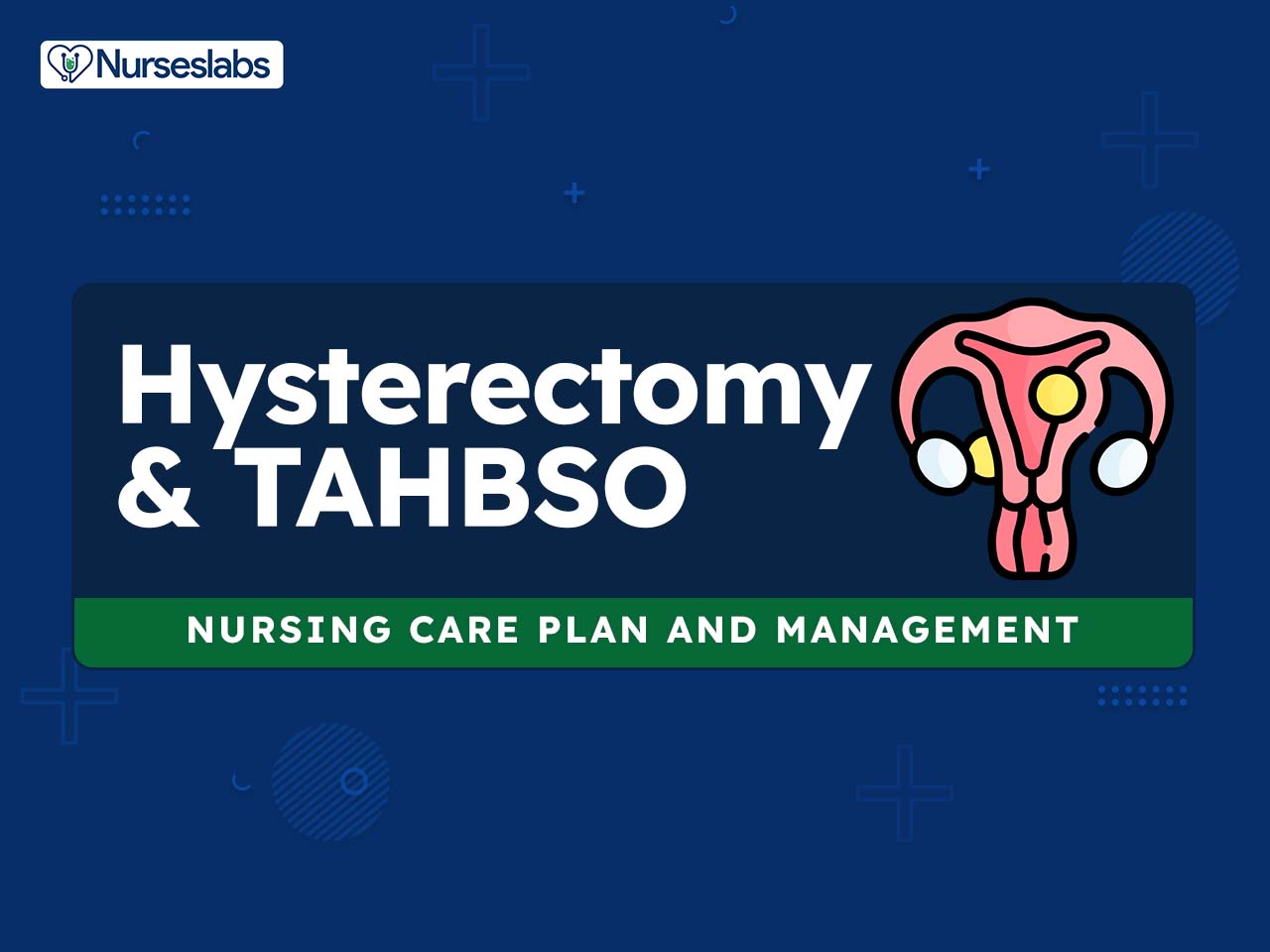
In this article, we will discuss the nursing care plan and nursing management for a patient undergoing a total abdominal hysterectomy and bilateral salpingo-oophorectomy (TAHBSO). Discover everything you need to know about hysterectomy nursing care plans and nursing diagnosis. This comprehensive guide covers the essential aspects of patient care after a hysterectomy.
What is Hysterectomy?
Hysterectomy is the surgical removal of the uterus. It is most commonly performed for malignancies and certain non-malignant conditions, like endometriosis or tumors, to control life-threatening bleeding or hemorrhage, and in the event of intractable pelvic infection or irreparable rupture of the uterus. Less radical procedures such as myomectomy are sometimes performed for removing fibroids while sparing the uterus.
Total abdominal hysterectomy bilateral salpingo-oophorectomy (TAHBSO) is the removal of the entire uterus, the ovaries, fallopian tubes, and the cervix. TAHBSO is usually performed in the case of uterine and cervical cancer. This is the most common kind of hysterectomy. Removal of the ovaries eliminates the main source of the hormone estrogen, so menopause occurs immediately.
Types
- Subtotal (partial): The body of the uterus is removed; the cervical stump remains.
- Total: Removal of the uterus and cervix.
- Total with bilateral salpingo-oophorectomy (TAHBSO): Removal of the uterus, cervix, fallopian tubes, and ovaries is the treatment of choice for invasive cancer (11% of hysterectomies), fibroid tumors that are rapidly growing or produce severe abnormal bleeding (about one-third of all hysterectomies), and endometriosis invading other pelvic organs.
- Vaginal hysterectomy or laparoscopically assisted vaginal hysterectomy (LAVH) may be done in certain conditions, such as uterine prolapse, cystocele/rectocele, carcinoma in situ, and high-risk obesity. These procedures offer the advantages of less pain, no visible (or much smaller) scars, a shorter hospital stay, and about half the recovery time, but are contraindicated if the diagnosis is obscure.
- A very complex and aggressive surgical procedure may be required to treat invasive cervical cancer. Total pelvis exenteration (TPE) involves radical hysterectomy with dissection of pelvic lymph nodes and bilateral salpingo-oophorectomy, total cystectomy, and abdominoperineal resection of the rectum. A colostomy and/or a urinary conduit are created, and vaginal reconstruction may or may not be performed. These patients require intensive care during the initial postoperative period.
Nursing Care Plans and Management
The nursing goal for patients who are to undergo Hysterectomy or TAHBSO includes prevention or minimization of complications, supporting adaptation to change, preventing complications, and providing information on the prognosis and treatment regimen is well understood, and management of pain.
Nursing Problem Priorities
The following are the nursing priorities for patients undergoing hysterectomy and TAHBSO:
- Pain management. Pain is a primary concern after TAHBSO. Adequate pain control is essential for patient comfort and to facilitate early mobilization and recovery.
- Wound care and infection prevention. Surgical site infections can occur after TAHBSO. Proper wound care, including monitoring for signs of infection such as redness, swelling, or discharge, is crucial to prevent complications.
- Deep vein thrombosis (DVT) prevention. Patients undergoing TAHBSO are at an increased risk of developing blood clots in their legs (DVT). Measures such as early ambulation, leg exercises, and prophylactic anticoagulant therapy help minimize this risk.
- Bladder and bowel function. Patients may experience difficulties with urination and bowel movements following TAHBSO. Monitoring and managing bladder and bowel function, ensuring regular voiding, and preventing constipation are important for patient comfort.
- Emotional well-being. Addressing emotional concerns, providing emotional support, and connecting patients with appropriate resources or counseling services can contribute to their overall well-being.
- Respiratory function. Promoting deep breathing and early mobilization are crucial in preventing respiratory complications such as pneumonia or atelectasis.
- Hormone replacement therapy. Since the ovaries are removed during TAHBSO, hormonal imbalances may occur.
Nursing Assessment
Assess for the following subjective and objective data:
- Expressions of specific concerns/vague comments about the result of surgery; fear of rejection or reaction of significant other (SO)
- Withdrawal, depression
- A sensation of bladder fullness, urgency
- Small, frequent voiding or absence of the urinary output
- Overflow incontinence
- Bladder distension
- Questions/requests for information; statement of misconception
- Inaccurate follow-through of instructions, development of preventable complications
Assess for factors related to the cause of hysterectomy and TAHBSO:
- Concerns about the inability to have children, changes in femininity, and effect on the sexual relationship
- Religious conflicts
- Mechanical trauma, surgical manipulation, presence of local tissue edema, hematoma
- Sensory/motor impairment: nerve paralysis
- Hypovolemia
- Reduction/interruption of blood flow: pelvic congestion, postoperative tissue inflammation, venous stasis
- Intraoperative trauma or pressure on pelvic/calf vessels: lithotomy position during vaginal hysterectomy
- Altered body structure/function, e.g., shortening of vaginal canal; changes in hormone levels, decreased libido
- Possible change in sexual response pattern, e.g., absence of rhythmic uterine contractions during orgasm; vaginal discomfort/pain (dyspareunia)
- Physical factors: abdominal surgery, with manipulation of the bowel, weakening of abdominal musculature
- Pain/discomfort in the abdomen or perineal area
- Changes in dietary intake
- Lack of exposure/recall
- Information misinterpretation
- Unfamiliarity with information resources
Nursing Diagnosis
Following a thorough assessment, a nursing diagnosis is formulated to specifically address the challenges associated with hysterectomy and TAHBSO based on the nurse’s clinical judgment and understanding of the patient’s unique health condition. While nursing diagnoses serve as a framework for organizing care, their usefulness may vary in different clinical situations. In real-life clinical settings, it is important to note that the use of specific nursing diagnostic labels may not be as prominent or commonly utilized as other components of the care plan. It is ultimately the nurse’s clinical expertise and judgment that shape the care plan to meet the unique needs of each patient, prioritizing their health concerns and priorities.
Nursing Goals
Goals and expected outcomes may include:
- The client will verbalize concerns and indicate healthy ways of dealing with them.
- The client will verbalize acceptance of self in the situation and adaptation to change in body/self-image.
- The client will empty the bladder regularly and completely.
- The client will demonstrate adequate perfusion, as evidenced by stable vital signs, palpable pulses, good capillary refill, usual mentation, and individually adequate urinary output.
- The client will be free of edema, and signs of thrombus formation.
- The client will verbalize understanding of changes in sexual anatomy/function.
- The client will discuss concerns about body image, sex role, and desirability as a sexual partner with SO.
- The client will identify satisfying/acceptable sexual practices and some alternative ways of dealing with sexual expression.
- The client will display active bowel sounds/peristaltic activity.
- The client will maintain a usual pattern of elimination.
- The client will verbalize understanding of the condition and potential complications.
- The client will identify the relationship between signs/symptoms related to surgical procedures and actions to deal with them.
- The client will verbalize understanding of therapeutic needs.
Nursing Interventions and Actions
Therapeutic interventions and nursing actions for patients undergoing hysterectomy and TAHBSO may include:
1. Improving Renal Function and Urinary Elimination
Renal function and urinary elimination are vital aspects of overall health and well-being. In patients undergoing hysterectomy and Total Abdominal Hysterectomy and Bilateral Salpingo-Oophorectomy (TAHBSO), these functions can be significantly affected due to the surgical procedure’s impact on the urinary system. Understanding and addressing the potential challenges related to renal function and urinary elimination are crucial for optimizing postoperative care and promoting successful patient outcomes. Maintaining optimal renal function and ensuring adequate urinary elimination are paramount for the prevention of complications and the overall well-being of patients undergoing hysterectomy and TAHBSO.
1. Note the voiding pattern and monitor urinary output.
May indicate urinary retention if voiding frequently in small and insufficient amounts
2. Palpate bladder. Investigate reports of discomfort, fullness, and inability to void.
Perception of bladder fullness and distension of the bladder above the symphysis pubis indicates urinary retention.
3. Assess urine characteristics, noting color, clarity, and odor.
Urinary retention, vaginal drainage, and the possible presence of intermittent or indwelling catheters increase the risk of infection, especially if the patient has perineal sutures.
4. Check residual urine volume after voiding as indicated.
May not be emptying the bladder completely; retention of urine increases the possibility of infection and is uncomfortable or painful.
5. Provide routine voiding measures: privacy, normal position, running water in the sink, and pouring warm water over the perineum.
Promotes relaxation of perineal muscles and may facilitate voiding efforts.
6. Provide and encourage good perianal cleansing and catheter care (when present).
Promotes cleanliness, reducing the risk of ascending urinary tract infection (UTI).
7. Catheterize when indicated or per protocol, if the patient is unable to void or is uncomfortable.
Edema or interference with nerve supply may cause bladder atony and/or urinary retention requiring decompression of the bladder. An indwelling urethral or suprapubic catheter may be inserted intraoperatively if complications are anticipated.
8. Decompress the bladder slowly.
When a large amount of urine has accumulated, rapid bladder decompression releases pressure on pelvic arteries, promoting venous pooling.
9. Maintain patency of indwelling catheter; keep drainage tubing free of kinks.
Promotes free drainage of urine, reducing the risk of urinary stasis and retention, and infection.
2. Improving Body Image and Self-Esteem
Undergoing a hysterectomy and Total Abdominal Hysterectomy and Bilateral Salpingo-Oophorectomy (TAHBSO) can have a significant impact on a patient’s body image and self-esteem. These surgical procedures, often performed to address various gynecological conditions, involve the removal of the uterus, ovaries, and fallopian tubes. While these surgeries can provide relief from certain health issues, they can also bring about physical and emotional changes that may affect how individuals perceive themselves. The impact of altered body image and reduced self-esteem should not be underestimated, as they can significantly affect a patient’s psychological well-being and quality of life. By identifying and implementing appropriate psychological support, counseling, and educational resources, healthcare professionals can contribute to a more holistic approach to postoperative care.
1. Assess the emotional stress the patient is experiencing. Identify the meaning of loss for the patient and SO. Encourage the patient to vent feelings appropriately.
Nurses need to be aware of what this operation means to the patient to avoid inadvertent casualness or over-solicitude. Depending on the reason for the surgery (cancer or long-term heavy bleeding), the woman can be frightened or relieved. She may fear the loss of ability to fulfill her reproductive role and may experience grief.
2. Note withdrawn behavior, negative self-talk, use of denial, or concern with actual and/or perceived changes.
Identifies the stage of grief and the need for interventions.
3. Provide accurate information, reinforcing information previously given.
Provides an opportunity for patients to question and assimilate information.
4. Ascertain individual strengths and identify previous positive coping behaviors.
Helpful to build on strengths already available for the patient to use in coping with the current situation.
5. Provide an open environment for the patient to discuss concerns about sexuality.
Promotes sharing of beliefs and values about a sensitive subject, and identifies misconceptions or myths that may interfere with adjustment to the situation.
6. Provide time to listen to the concerns and fears of patients and SO. Discuss the patient’s perceptions of self related to anticipated changes and her specific lifestyle.
Listening conveys interest and concern. Give opportunities to correct common misconceptions like women may fear the loss of femininity and sexuality, weight gain, and menopausal body changes.
7. Refer to professional counseling as necessary.
May need additional help to resolve feelings about loss.
3. Managing Post-Op Inflammation
Inflammation is a natural biological response that occurs as a part of the body’s healing process. However, excessive or prolonged inflammation can lead to tissue damage, delayed wound healing, and increased risk of infection. Patients undergoing hysterectomy and TAHBSO are susceptible to postoperative inflammation due to tissue trauma, surgical incisions, and the body’s response to the surgical procedure. Effectively managing postoperative inflammation is essential for promoting optimal healing, minimizing complications, and facilitating a smoother recovery.
1. Administer prescribed analgesics and anti-inflammatory medications.
Analgesics help alleviate pain, while anti-inflammatory medications reduce inflammation, promoting patient comfort and facilitating the healing process.
2. Monitor vital signs regularly.
Frequent monitoring of vital signs such as temperature, heart rate, and blood pressure can help identify early signs of infection or other complications associated with inflammation.
3. Apply cold compresses or ice packs to the surgical site.
Cold therapy helps constrict blood vessels, reduce swelling, and alleviate inflammation at the surgical site, promoting healing and minimizing discomfort.
4. Elevate the lower extremities.
Elevating the lower extremities promotes venous return and reduces swelling, helping to manage postoperative inflammation.
5. Encourage adequate fluid intake.
Proper hydration promotes optimal circulation, supports tissue healing, and helps flush out inflammatory byproducts, thereby reducing inflammation.
6. Provide wound care and dressing changes as per healthcare provider’s instructions.
Proper wound care reduces the risk of infection and subsequent inflammation. Regular dressing changes help maintain a clean environment and promote healing.
7. Educate the patient about signs and symptoms of infection.
Patient education empowers individuals to recognize early signs of infection, such as increased redness, swelling, or discharge, allowing for timely intervention and management.
8. Encourage and assist with early mobilization.
Early mobilization improves circulation, reduces the risk of blood clots, and promotes the resolution of inflammation by enhancing lymphatic drainage.
9. Collaborate with the healthcare team to ensure appropriate pain management.
Effective pain management not only provides patient comfort but also reduces the stress response, which can contribute to inflammation and delay healing.
10. Promote rest and adequate sleep.
Sufficient rest and sleep are crucial for the body’s healing processes, including the reduction of inflammation and tissue repair.
11. Monitor laboratory values, such as white blood cell count and C-reactive protein (CRP) levels.
Monitoring laboratory values can provide objective data on the presence and severity of inflammation, assisting in the evaluation of the effectiveness of interventions and the identification of potential complications.
12. Provide emotional support and reassurance.
Emotional support helps alleviate anxiety and stress, which can contribute to inflammation. It also promotes patient well-being, psychological comfort, and a positive outlook during the recovery period.
4. Promoting Adequate Tissue Perfusion
Promoting adequate tissue perfusion is a critical aspect of care for patients undergoing hysterectomy and Total Abdominal Hysterectomy and Bilateral Salpingo-Oophorectomy (TAHBSO). Tissue perfusion refers to the delivery of oxygen and nutrients to the body’s cells and the removal of waste products. Surgical procedures like hysterectomy and TAHBSO can disrupt blood flow and have the potential to impact tissue perfusion, which can lead to various complications. Promoting adequate tissue perfusion is essential for the optimal functioning of cells, organs, and systems within the body. By ensuring an adequate supply of oxygen and nutrients to tissues, healthcare professionals can support the body’s healing process and reduce the risk of complications.
1. Monitor vital signs; palpate peripheral pulses, and note capillary refill; assess urinary output and characteristics. Evaluate changes in mentation.
Indicators of the adequacy of systemic perfusion, fluid/blood needs, and developing complications.
2. Inspect dressings and perineal pads, noting color, amount, and odor of drainage. Weigh pads and compare with the dry weight if the patient is bleeding heavily.
The proximity of large blood vessels to the operative site and/or the potential for alteration of the clotting mechanism increases the risk of postoperative hemorrhage.
3. Check for Homans’ sign. Note erythema, swelling of extremities, or reports of sudden chest pain with dyspnea.
May be indicative of the development of thrombophlebitis or pulmonary embolism.
4. Turn the patient and encourage frequent coughing and deep-breathing exercises.
Prevents stasis of secretions and respiratory complications.
5. Avoid high-Fowler’s position and pressure under the knees or crossing of legs.
Creates vascular stasis by increasing pelvic congestion and pooling of blood in the extremities, potentiating the risk of thrombus formation.
6. Assist and instruct in foot and leg exercises and ambulate as soon as able.
Movement enhances circulation and prevents stasis complications.
7. Administer IV fluids, and blood products as indicated.
Replacement of blood losses maintains circulating volume and tissue perfusion.
8. Apply anti-embolism stockings.
Aids in venous return; reduces stasis and risk of thrombosis.
9. Assist with or encourage the use of an incentive spirometer.
Promotes lung expansion and minimizes atelectasis.
5. Helping Patient Cope with Sexual Dysfunction
Sexual dysfunction is a significant concern for patients undergoing hysterectomy and Total Abdominal Hysterectomy and Bilateral Salpingo-Oophorectomy (TAHBSO). These surgical procedures, which involve the removal of the uterus, ovaries, fallopian tubes, and potentially other reproductive structures, can impact various aspects of sexual function and satisfaction. Sexual dysfunction following these procedures can significantly impact a patient’s quality of life, intimate relationships, and overall well-being. It is essential to address these concerns openly and provide appropriate support to patients undergoing hysterectomy and TAHBSO.
1. Listen to the sentiments of the patient and SO. Provide an open and honest environment during discussions.
Sexual concerns are often disguised as humor and/or offhand remarks.
2. Assess the patient’s or SO’s information regarding sexual anatomy and function and the effects of the surgical procedure.
May have misinformation or misconceptions that can affect adjustment. Negative expectations are associated with a poor overall outcome. Changes in hormone levels can affect libido and/or decrease the suppleness of the vagina. Although a shortened vagina can eventually stretch, intercourse initially may be uncomfortable or painful.
3. Identify cultural or value factors and conflicts present.
This may affect the return to satisfying sexual relationships.
4. Assist the patient to be aware of or deal with the stage of grieving.
Acknowledging the normal process of grieving for actual and perceived changes may enhance coping and facilitate resolution.
5. Encourage the patient to share thoughts and concerns with the partner.
Open communication can identify areas of agreement and problems and promote discussion and resolution.
6. Problem-solve solutions to potential problems, postponing sexual intercourse when fatigued, substituting alternative means of expression, using positions that avoid pressure on the abdominal incision, and using a vaginal lubricant.
Helps patient return to desired or satisfying sexual activity.
7. Discuss expected physical sensations and discomforts, and changes in response as appropriate to the individual.
Vaginal pain may be significant following the vaginal procedure, or sensory loss may occur because of surgical trauma. Although sensory loss is usually temporary, it may take weeks or months to resolve. In addition, changes in vaginal size, altered hormone levels, and loss of sensation of rhythmic contractions of the uterus during orgasm can impair sexual satisfaction. Many women experience few negative effects because the fear of pregnancy is gone, and relief from symptoms often improves the enjoyment of intercourse.
8. Refer to a counselor or sex therapist as needed.
May need additional assistance to promote a satisfactory outcome.
6. Restoring and Improving Bowel Function
Restoring and improving bowel function is a vital aspect of postoperative care for patients undergoing hysterectomy and Total Abdominal Hysterectomy and Bilateral Salpingo-Oophorectomy (TAHBSO). These procedures can disrupt normal bowel function and lead to postoperative bowel-related complications. Restoring and improving bowel function is crucial for patient comfort, early recovery, and prevention of complications. Prompt management of bowel dysfunction can help prevent issues such as bowel obstruction, impaction, or prolonged constipation, which can negatively impact patient outcomes and overall well-being.
1. Auscultate bowel sounds. Note abdominal distension and the presence of nausea and vomiting.
Indicators of the presence or resolution of ileus, affect the choice of interventions.
2. Assist the patient with sitting on edge of the bed and walking.
Early ambulation helps stimulate the intestinal function and return of peristalsis.
3. Encourage adequate fluid intake, including fruit juices, when oral intake is resumed.
Promotes softer stool; may aid in stimulating peristalsis.
4. Provide sitz baths.
Promotes muscle relaxation, and minimizes discomfort.
5. Restrict oral intake as indicated.
Prevents nausea and vomiting until peristalsis returns (1–2 days).
6. Maintain nasogastric (NG) tube, if present.
May be inserted in surgery to decompress the stomach.
7. Provide clear or full liquids and advance to solid foods as tolerated.
When peristalsis begins, food and fluid intake promote the resumption of normal bowel elimination.
8. Use a rectal tube; apply heat to the abdomen, if appropriate.
Promotes the passage of flatus.
9. Administer medications: stool softeners, mineral oil, and laxatives, as indicated.
Promotes formation or passage of softer stool.
7. Initiating Patient Education and Health Teachings
Patient education serves as a cornerstone in promoting positive health outcomes and improving patient experiences. By providing clear and accurate information, patients can better understand the surgical procedure, the expected changes in their bodies, and the potential challenges they may encounter during the recovery period. Education also enables patients to actively engage in self-care practices, make appropriate lifestyle modifications, and adhere to recommended treatment plans.
1. Identify signs and symptoms requiring medical evaluation, fever/chills, change in the character of vaginal or wound drainage; bright bleeding.
Early recognition and treatment of developing complications such as infection and hemorrhage may prevent life-threatening situations. Hemorrhage may occur as late as 2 wk postoperatively.
2. Review the effects of surgical procedures and future expectations. The patient needs to know that she will no longer menstruate or bear children, and the possible need for hormonal replacement.
Provides a knowledge base from which patients can make informed choices.
3. Discuss the complexity of problems anticipated during recovery: emotional lability and expectation of feelings of depression and/or sadness; excessive fatigue, sleep disturbances, and urinary problems.
Physical, emotional, and social factors can have a cumulative effect, which may delay recovery, especially if the hysterectomy was performed because of cancer. Providing an opportunity for problem-solving may facilitate the process. Patient and SO may benefit from the knowledge that a period of emotional lability is normal and expected during recovery.
4. Discuss the resumption of activity. Encourage the patient to do light activities initially, with frequent rest periods and increasing activities or exercise as tolerated. Stress the importance of individual response in recuperation.
A patient can expect to feel tired when she goes home and needs to plan a gradual resumption of activities, with the return to work an individual matter. Prevents excessive fatigue; conserves energy for healing and tissue regeneration.
5. Identify individual restrictions: avoiding heavy lifting and strenuous activities, prolonged sitting, or driving. Avoid tub baths and douching until the physician allows it.
Strenuous activity intensifies fatigue and may delay healing. Activities that increase intra-abdominal pressure can strain surgical repairs, and prolonged sitting potentiates the risk of thrombus formation. Showers are permitted, but tub baths and douching may cause vaginal or incisional infections and are a safety hazard.
6. Review recommendations for resumption of sexual intercourse.
When sexual activity is cleared by the physician, it is best to resume activity easily and gently, expressing sexual feelings in other ways or using alternative coital positions.
7. Identify dietary needs. Give foods high in protein and iron.
Facilitates healing and tissue regeneration and helps correct anemia when present.
8. Review hormone replacement therapy (HRT).
Total hysterectomy with bilateral salpingo-oophorectomy (surgically induced menopause) requires replacement hormones. The long-term benefits of HRT (particularly estrogen) include a decreased incidence of cardiovascular disease, protection against osteoporosis, and improved mood and cognition.
9. Encourage taking the prescribed drug(s) routinely.
Taking hormones with meals establishes a routine for taking the drug and reduces the potential for initial nausea.
10. Discuss potential side effects: weight gain, increased skin pigmentation or acne, breast tenderness, headaches, and photosensitivity.
Development of some side effects is expected but may require problem-solving such as a change in dosage or use of sunscreen.
11. Recommend cessation of smoking when receiving estrogen therapy.
Some studies suggest an increased risk of thrombophlebitis, myocardial infarction (MI), cerebrovascular accident (CVA), and pulmonary emboli associated with smoking and concurrent estrogen therapy.
12. Review incisional care when appropriate.
Facilitates competent self-care, promoting independence.
13. Stress the importance of follow-up care.
Provides an opportunity to ask questions, clear up misunderstandings, and detect developing complications.
8. Administering Medications and Providing Pharmacologic Support
Effective medication management requires close collaboration between healthcare providers, pharmacists, and nursing staff. This collaborative approach ensures that medications are appropriately prescribed, administered, and monitored throughout the perioperative and postoperative phases. Adherence to evidence-based guidelines and best practices enhances patient outcomes and minimizes the risk of medication-related complications. Ensuring safe and effective medication administration is essential for optimizing patient outcomes and facilitating a successful recovery.
1. Analgesics (acetaminophen, opioids)
To relieve pain and manage postoperative discomfort.
2. Nonsteroidal anti-inflammatory drugs (NSAIDs) (ibuprofen, naproxen)
To reduce inflammation, alleviate pain, and manage postoperative discomfort.
3. Antibiotics (cefazolin, metronidazole)
To prevent or treat infection by targeting bacteria and reducing the risk of surgical site infections.
4. Prophylactic anticoagulants (heparin, enoxaparin)
To prevent blood clot formation (deep vein thrombosis) by thinning the blood and reducing the risk of postoperative complications.
5. Antiemetics (ondansetron, metoclopramide)
To prevent or alleviate postoperative nausea and vomiting, which can occur as a side effect of anesthesia or opioid analgesics.
6. Stool softeners/laxatives (docusate sodium, bisacodyl)
To prevent or relieve constipation, which can result from pain medications and decreased mobility during the recovery period.
7. Hormone replacement therapy (HRT) (estrogen, progesterone)
To manage hormonal imbalances and alleviate menopausal symptoms in patients who have undergone bilateral salpingo-oophorectomy.
8. Intravenous fluids (normal saline, lactated Ringer’s solution)
To maintain hydration and electrolyte balance during the perioperative period and support recovery.
9. Anti-anxiety medications (benzodiazepines)
To alleviate anxiety and promote relaxation, particularly in patients who may experience heightened stress or apprehension before or after surgery.
10. Medications for pre-existing medical conditions (antihypertensives, antidiabetic medications)
To manage and maintain control of pre-existing medical conditions during the surgical process and recovery.
9. Monitoring Laboratory Studies and Diagnostic Procedures
Diagnostic and laboratory procedures serve multiple purposes throughout the surgical journey. Preoperatively, these tests help evaluate the patient’s overall health, identify any underlying medical conditions, and establish a baseline for comparison during the postoperative period. During the surgical procedure, diagnostic procedures such as intraoperative imaging may be used to visualize and assess the surgical site, confirm the successful removal of targeted structures, and ensure the absence of any unexpected findings. Postoperatively, monitoring laboratory parameters through blood tests, such as complete blood count (CBC), coagulation studies, and inflammatory markers help assess the patient’s response to surgery, detect potential complications, and guide the course of treatment. These laboratory tests aid in identifying signs of infection, monitoring blood loss, evaluating hematologic status, and assessing overall recovery progress.
1. Complete blood count (CBC)
To assess the patient’s overall hematologic status, including red blood cell count, white blood cell count, and platelet count. It helps detect anemia, infection, and abnormal bleeding tendencies.
2. Coagulation studies (prothrombin time, activated partial thromboplastin time, international normalized ratio)
To evaluate the patient’s coagulation status and assess their risk of bleeding or clotting disorders. It helps guide the administration of prophylactic or therapeutic anticoagulation.
3. Urinalysis
To evaluate the patient’s renal function, detect urinary tract infections, and assess hydration status.
4. Blood type and crossmatch
To determine the patient’s blood type and Rh factor and to identify compatible blood products in case of intraoperative or postoperative transfusion needs.
5. Serum electrolytes (sodium, potassium, chloride)
To assess the patient’s fluid and electrolyte balance, monitor kidney function, and guide appropriate hydration and electrolyte management.
6. Renal function tests (blood urea nitrogen, creatinine)
To evaluate kidney function, assess the patient’s overall renal health, and monitor for any kidney-related complications.
7. Liver function tests (alanine aminotransferase, aspartate aminotransferase, bilirubin)
To assess liver function, detect any liver-related abnormalities or diseases, and evaluate the patient’s ability to metabolize medications.
8. C-reactive protein (CRP) and erythrocyte sedimentation rate (ESR)
To measure markers of inflammation and assess the presence and severity of postoperative inflammation or infection.
9. Imaging studies (ultrasound, computed tomography, magnetic resonance imaging)
To visualize the reproductive organs, identify any abnormalities or masses, guide surgical planning, and assess the success of the surgical procedure.
10. Endometrial biopsy or sampling
To obtain a tissue sample from the uterine lining for pathological examination, helping to rule out any precancerous or cancerous conditions.
11. Hysteroscopy or laparoscopy
To visually examine the uterine cavity or pelvic structures, identify any abnormalities, guide surgical interventions, and confirm the successful removal of targeted structures.
12. Genetic testing
To assess the patient’s risk for hereditary conditions, such as genetic mutations associated with breast or ovarian cancer, which may impact surgical decision-making or postoperative management.
10. Assessing and Monitoring for Potential Complications
The assessment and monitoring of potential complications begin preoperatively with a comprehensive evaluation of the patient’s medical history, physical examination, and diagnostic tests. During the surgical procedure, healthcare professionals closely monitor the patient’s vital signs, including blood pressure, heart rate, and oxygen saturation, to ensure stability and detect any immediate postoperative complications such as hemorrhage or respiratory distress. Additionally, intraoperative monitoring of fluid balance and urine output helps maintain hemodynamic stability and assess kidney function. Postoperatively, continuous assessment and monitoring play a crucial role in detecting and managing potential complications. By closely monitoring patients undergoing hysterectomy and TAHBSO, healthcare professionals can identify potential complications early, initiate timely interventions, and optimize patient outcomes.
1. Monitor patient’s vital signs regularly (blood pressure, heart rate, respiratory rate, temperature).
Vital signs provide essential information about the patient’s physiological status, indicating early signs of potential complications such as hemorrhage, infection, or cardiovascular instability.
2. Assess patient’s surgical incision site for signs of infection (redness, swelling, warmth, discharge).
Early identification of surgical site infections allows for timely intervention, including wound care, antibiotic administration, and prevention of further complications.
3. Monitor and document patient’s urine output.
Adequate urine output is an important indicator of renal function and helps detect complications such as urinary retention, urinary tract infection, or impaired kidney function.
4. Assess for signs and symptoms of deep vein thrombosis (DVT) and pulmonary embolism (PE).
Early detection of DVT and PE symptoms, such as leg pain, swelling, shortness of breath, or chest pain, enables prompt intervention to prevent life-threatening complications.
5. Monitor for signs of hemorrhage (excessive bleeding, tachycardia, hypotension).
Early identification of hemorrhage allows for immediate intervention, including applying pressure, administering blood products, or arranging surgical exploration if necessary.
6. Evaluate bowel function and monitor for signs of bowel obstruction or ileus (abdominal distension, absence of bowel sounds).
Prompt recognition of bowel complications helps prevent further complications such as bowel perforation or obstruction and allows for appropriate intervention, including early ambulation, bowel stimulants, or nasogastric decompression.
7. Assess patient’s psychological well-being and providing emotional support.
Monitoring the patient’s emotional state and providing emotional support and counseling are essential for promoting psychological well-being, reducing anxiety, and facilitating overall recovery and adjustment to changes in body image and reproductive health.
8. Collaborate with the healthcare team to promptly report any significant changes or abnormalities.
Timely communication of significant findings to the healthcare team facilitates appropriate intervention, promotes interprofessional collaboration, and ensures patient safety.
9. Educate the patient and family on potential complications, signs to watch for, and when to seek medical attention.
Patient and family education enhances their understanding of potential complications and empowers them to recognize and report any signs or symptoms promptly, promoting early intervention and minimizing the risk of complications.
10. Ensure adherence to infection prevention protocols (hand hygiene, sterile techniques).
Adherence to infection prevention protocols reduces the risk of healthcare-associated infections and postoperative complications, improving patient outcomes and promoting a safe surgical environment.
Recommended Resources
Recommended nursing diagnosis and nursing care plan books and resources.
Disclosure: Included below are affiliate links from Amazon at no additional cost from you. We may earn a small commission from your purchase. For more information, check out our privacy policy.
Ackley and Ladwig’s Nursing Diagnosis Handbook: An Evidence-Based Guide to Planning Care
We love this book because of its evidence-based approach to nursing interventions. This care plan handbook uses an easy, three-step system to guide you through client assessment, nursing diagnosis, and care planning. Includes step-by-step instructions showing how to implement care and evaluate outcomes, and help you build skills in diagnostic reasoning and critical thinking.
Nursing Care Plans – Nursing Diagnosis & Intervention (10th Edition)
Includes over two hundred care plans that reflect the most recent evidence-based guidelines. New to this edition are ICNP diagnoses, care plans on LGBTQ health issues, and on electrolytes and acid-base balance.
Nurse’s Pocket Guide: Diagnoses, Prioritized Interventions, and Rationales
Quick-reference tool includes all you need to identify the correct diagnoses for efficient patient care planning. The sixteenth edition includes the most recent nursing diagnoses and interventions and an alphabetized listing of nursing diagnoses covering more than 400 disorders.
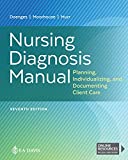
Nursing Diagnosis Manual: Planning, Individualizing, and Documenting Client Care
Identify interventions to plan, individualize, and document care for more than 800 diseases and disorders. Only in the Nursing Diagnosis Manual will you find for each diagnosis subjectively and objectively – sample clinical applications, prioritized action/interventions with rationales – a documentation section, and much more!
All-in-One Nursing Care Planning Resource – E-Book: Medical-Surgical, Pediatric, Maternity, and Psychiatric-Mental Health
Includes over 100 care plans for medical-surgical, maternity/OB, pediatrics, and psychiatric and mental health. Interprofessional “patient problems” focus familiarizes you with how to speak to patients.

See also
Other recommended site resources for this nursing care plan:
- Nursing Care Plans (NCP): Ultimate Guide and Database MUST READ!
Over 150+ nursing care plans for different diseases and conditions. Includes our easy-to-follow guide on how to create nursing care plans from scratch. - Nursing Diagnosis Guide and List: All You Need to Know to Master Diagnosing
Our comprehensive guide on how to create and write diagnostic labels. Includes detailed nursing care plan guides for common nursing diagnostic labels.
Other care plans and nursing diagnoses related to reproductive and urinary system disorders:
- Acute Glomerulonephritis | 4 Care Plans
- Acute Renal Failure | 6 Care Plans
- Benign Prostatic Hyperplasia (BPH) | 5 Care Plans
- Chronic Renal Failure | 10 Care Plans
- Hemodialysis | 3 Care Plans
- Hysterectomy (TAHBSO) | 6 Care Plans
- Mastectomy | 15 Care Plans
- Menopause | 6 Care Plans
- Nephrotic Syndrome | 5 Care Plans
- Peritoneal Dialysis | 6 Care Plans
- Prostatectomy | 6 Care Plans
- Urolithiasis (Renal Calculi) | 4 Care Plans
- Urinary Tract Infection | 4 Care Plans
- Vesicoureteral Reflux (VUR) | 5 Care Plans





















Leave a Comment