
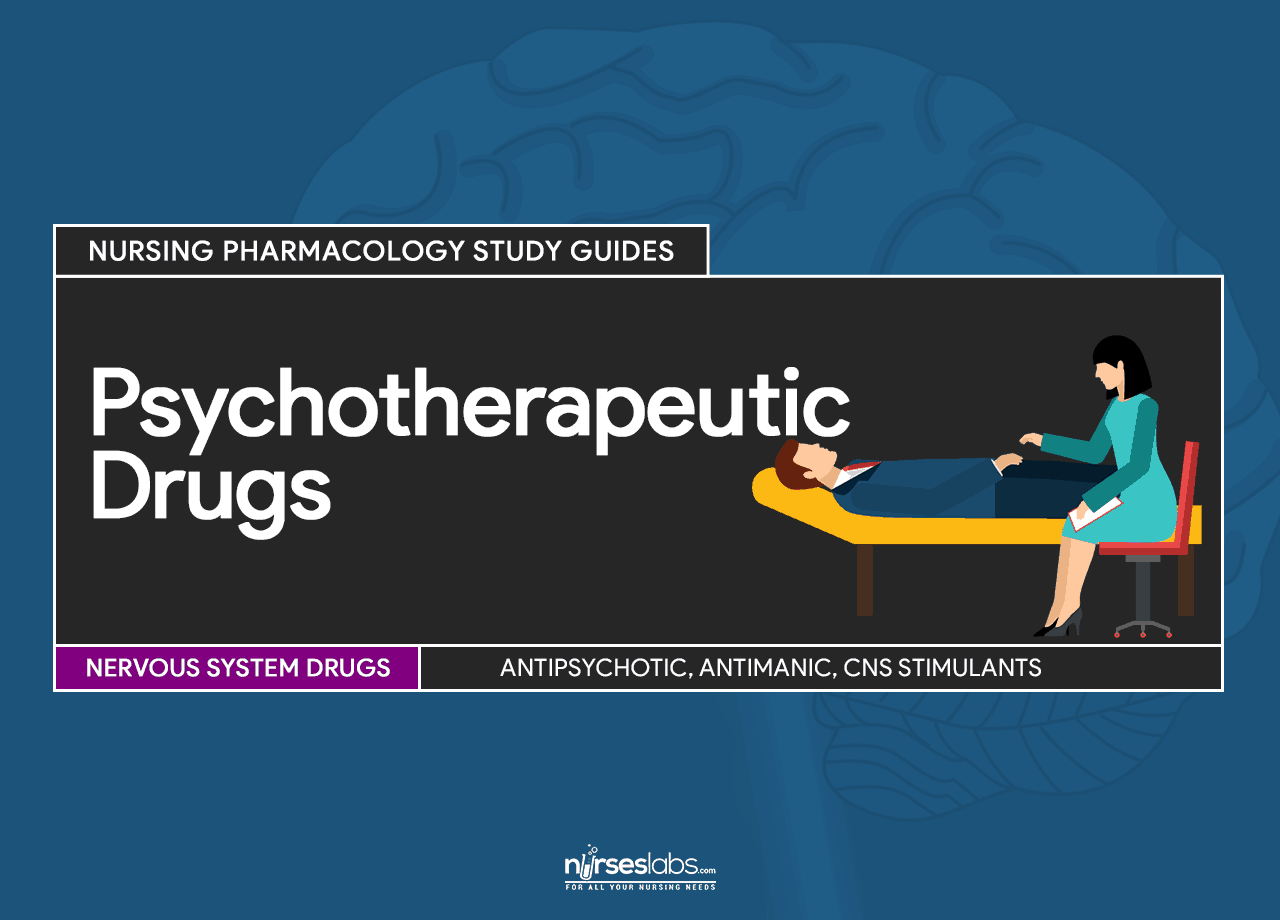
Psychotherapeutic agents are drugs that are used to treat problems in the thought processes of individuals with both perceptual and behavioral disorders. These agents do not provide cures for psychoses but they help both adult and pediatric patients perform activities of daily living and function more acceptably.
Psychotherapeutic Drugs: Generic and Brand Names
Here is a table of commonly encountered psychotherapeutic agents, their generic names, and brand names:
- Antipsychotic or Neuroleptic Drugs
- Typical antipsychotics
- chlorpromazine (Thorazine)
- fluphenazine (Prolixin)
- haloperidol (Haldol)
- loxapine (Loxitane)
- thiothixene (Navane)
- Atypical antipsychotics
- clozapine (Clorazil)
- olanzapine (Zyprexa)
- quetiapine (Seroquel)
- risperidone (Risperdal)
- Typical antipsychotics
- Antimanic Drugs
- Lithium carbonate (Eskalith)
- Central Nervous System Stimulants
- armodafinil (Nuvigil)
- atomoxetine (Strattera)
- dexmethylphenidate (Focalin)
- dextroamphetamine (Dexedrine)
guanfacine (Intuniv) - methylphenidate (Ritalin, Concerta)
- modafinil (Provigil)
Disease Spotlight: Mental Disorders
Mental disorders are believed to be caused by inherent dysfunction within the brain that leads to the development of abnormal thought processes and responses. Before comprehensive studies were conducted, these were believed to be caused by environmental factors and life experiences (e.g. domestic violence, bullying, etc.)
Other theories explain that certain imbalances of chemicals in specific regions of the brain contribute to mental disorders.
Diagnosis of mental disorders is based on the Diagnostic and Statistical Manual of Mental Disorders, 5th edition, text revision (DSM-V-TR), which contains a description of distinguishing characteristics of each mental disorder.
The following are mental disorders for which psychotherapeutic agents are most commonly indicated:
Schizophrenia
Schizophrenia is the most common type of psychosis and can be very disabling. Manifestations include hallucinations, paranoia, delusions, speech abnormalities, and affective problems. It has a very strong genetic association.
Mania and Bipolar Illness
Mania refers to periods of extreme overactivity and excitement that are associated with bipolar illness. Bipolar disorder is characterized by alternating extremes of depression, hyperactivity, and excitement. This reflects neuronal overcompensation and subsequent inability to re-establish stability.
Narcolepsy
Narcolepsy is identified with daytime sleepiness and sudden periods of loss of wakefulness. A problem in the stimulating effect of the reticular activating system (RAS) on the brain is one identified error in this disorder.
Attention-deficit disorders
Attention-deficit disorders include various conditions that usually affect school-aged children more than adults. They are characterized by the inability to concentrate on one activity longer than a few minutes and a state of hyperkinesis.
Antipsychotic (Neuroleptic) Drugs
- Antipsychotic drugs are dopamine-receptor blockers used to treat disorders associated with problems in thought processes.
- These drugs are also referred to as neuroleptic agents because of their known neurological adverse effects. Previously, they were called major tranquilizers but later this was changed because their primary action is not sedation.
- Two classifications of antipsychotic drugs are: 1) typical antipsychotics; and 2) atypical antipsychotics.
Therapeutic Action
The desired and beneficial actions of antipsychotic or neuroleptic drugs are as follows:
- The primary action is to cause a change in neuron stimulation and response.
Typical antipsychotics
- Block dopamine receptors, preventing dopamine from stimulating the postsynaptic neurons.
- They also have anticholinergic, antihistaminic, and alpha-adrenergic blocking effects, all of which are related to their dopamine-receptor-blocking action.
- Other than that, they depress the RAS to limit the stimulation entering the brain.
Atypical antipsychotics
- Block both dopamine and serotonin receptors.
- This dual-blocking action helps relieve neurological adverse effects associated to typical antipsychotics.
Indications
Antipsychotic or neuroleptic agents are indicated for the following medical conditions:
Typical antipsychotics are indicated for schizophrenia and manifestations of other psychotic disorders including hyperactivity, combative behavior, and severe behavioral problems. Some antipsychotics are approved for the treatment of bipolar disorder.
Atypical antipsychotics are used for the treatment of severely ill patients with schizophrenia but are unresponsive to standard drugs. It also reduces the risk of recurrent suicidal behaviors in patients with schizophrenia and schizoaffective disorders.
Chlorpromazine
- Chlorpromazine, an older antipsychotic, is used to decrease perioperative restlessness and apprehension.
- In addition to this, it is also used to treat intermittent porphyria, tetanus (adjunct treatment), and control nausea, vomiting, and intractable hiccups.
Haloperidol
- Haloperidol is indicated for acute psychiatric situations and is available in intravenous (IV) form for individuals who need prolonged parenteral therapy but have difficulty in swallowing.
Prochlorperazine
- Prochlorperazine is indicated for severe vomiting and nausea associated with surgery and chemotherapy.
Aripiprazole
- Aripiprazole, a newer atypical antipsychotic, is effective in treating schizophrenia, major depressive disorder, and bipolar disorders. It is available in IV form for treatment of acute agitation associated with these disorders.
Risperidone
- Risperidone is commonly used for treatment of irritability and aggression in children and adolescents with autism.
Here are some important aspects to remember for indication of antipsychotic or neuroleptic agents in different age groups:
Children
- Antipsychotics are commonly used in children and are often combined with CNS stimulants for control of symptoms and behavior.
- Parents should be informed that long-term effects of antipsychotics in children are not known.
- Pediatric dose is usually higher than adult dose and children should be monitored closely for drug adverse effects and developmental progress.
Adults
- Usage of drugs in this population requires close monitoring for adverse effects.
- For example, thioridazine and ziprasidone can cause changes in QT interval.
- Cautious use of these drugs for pregnant and lactating women is implemented because of potential adverse effects to fetus or neonate.
- Stopping this drug may cause symptoms to reoccur so counselling is also needed.
Older adults
- Reduced doses of drugs for older adults are required because this population is more susceptible to drug adverse effects.
- It is important to note that these drugs are not used to control behavior with dementia.
- QT prolongation caused by previously mentioned antipsychotics is a concern for elderly who have coronary diseases.
Pharmacokinetics (Typical Antipsychotics)
Here are the characteristic interactions of typical antipsychotics and the body in terms of absorption, distribution, metabolism, and excretion:
| Route | Onset | Peak | Duration |
|---|---|---|---|
| Oral | 30-60 min | 2-4 h | 4-6 h |
| Intramuscular | 10-15 min | 15-20 min | 4-6 h |
Pharmacokinetics (Atypical Antipsychotics)
Here are the characteristic interactions of atypical antipsychotics and the body in terms of absorption, distribution, metabolism, and excretion:
| Route | Onset | Peak | Duration |
|---|---|---|---|
| Oral | Varies | 1-6 h | Weeks |
Contraindications and Cautions
The following are contraindications and cautions for the use of antipsychotic or neuroleptic agents:
- Presence of diseases that can be exacerbated by dopamine-blocking effects.
- CNS depression, circulatory collapse, Parkinsons’ disease, coronary disease, severe hypotension, bone marrow suppression, blood dyscrasias. Exacerbated by drug effects.
- QTc interval prolongation. Contraindicated to mesoridazine, thioridazine, and ziprasidone; can lead to serious cardiac arrhythmias.
- Dementia. Use is associated with increased risk of CV events and death.
- Glaucoma, peptic ulcer, urinary or intestinal obstruction. Exacerbated by anticholinergic effects of antipsychotics.
- Seizure disorders. Possible severe neurosensitivity can lower seizure threshold in patients with thyrotoxicosis.
- Active alcoholism. Antipsychotics can potentiate CNS depression.
- Immunosuppression, cancer. Caution is applied because antipsychotics can result to bone marrow suppression and blood dyscrasias.
- Pregnancy, lactation. Potential adverse effects on the fetus or neonate.
- Caution is used in children younger than 12 years of age who have chicken pox or a CNS infection because children are more likely to develop dystonia and this could cause confusion in the diagnosis of Reye’s syndrome.
Adverse Effects
Use of antipsychotic or neuroleptic agents may result to these adverse effects:
- CNS: weakness, sedation, tremor, drowsiness, extrapyramidal side effects, pseudoparkinsonism (muscle tremors, cogwheel rigidity, drooling, shuffling gait, slow movements), dystonia (spasm of the tongue, neck, back and legs), akathisia (continuous restlessness and inability to sit still as well as foot tapping and hand movements), tardive dyskinesia (abnormal muscle movements such as lip smacking, tongue darting, chewing movement, and slow and aimless arm and leg movements) and potentially irreversible neuroleptic malignant syndrome
- CV: hypotension, orthostatic hypotension, cardiac arrhythmias, CHF, pulmonary edema.
- Respiratory: laryngospasm, dyspnea, bronchospasm
- Anticholinergic effects: dry mouth, nasal congestion, flushing, constipation, urinary retention, impotence, glaucoma, blurred vision, photophobia
- Phenothiazines can turn urine color into pink to reddish-brown. It has no clinical significance.
Interactions
The following are drug-drug interactions involved in the use of antipsychotic or neuroleptic agents:
- Evening primrose: this herb is associated with increased symptoms and CNS hyperexcitability
- Beta-blockers: increased effects of both drugs
- Alcohol: increased risk of CNS depression
Nursing Considerations
Here are important nursing considerations when administering this drug:
Nursing Assessment
These are the important things the nurse should include in conducting assessment, history taking, and examination:
- Assess for the mentioned cautions and contraindications (e.g. drug allergies, CNS depression, CV disorders, glaucoma, respiratory depression, etc.) to prevent any untoward complications.
- Perform a thorough physical assessment (other medications taken, CNS, skin, respirations, and laboratory tests like thyroid, liver, and renal functions tests and complete blood count or CBC) to establish baseline data before drug therapy begins, to determine effectiveness of therapy, and to evaluate for occurrence of any adverse effects associated with drug therapy.
Nursing Diagnoses
Here are some of the nursing diagnoses that can be formulated in the use of this drug for therapy:
- Impaired physical mobility related to extrapyramidal side effects
- Decreased cardiac output related to CV effects
- Impaired urinary elimination related to anticholinergic drug effects
- Risk for injury related to CNS effects
Implementation with Rationale
These are vital nursing interventions done in patients who are taking antipsychotics:
- Do not allow patient to crush or chew sustained-release capsules as this will speed up absorption and may cause toxicity.
- Keep patient in recumbent position for 30 minutes if administering parenteral forms to reduce risk of orthostatic hypotension.
- Monitor CBC results to arrange to discontinue the drug at signs of bone marrow suppression.
- Monitor blood glucose levels with long-term use to detect development of glucose intolerance.
- Provide comfort measures (e.g. positioning of legs and arms for dyskinesia, sugarless candy and ice chips for dry mouth, voiding before taking drugs for urinary hesitancy or retention, etc.) to help patient tolerate drug effects.
- Provide safety measures (e.g. adequate lighting, raised side rails, etc.) to prevent injuries.
- Educate client on drug therapy to promote understanding and compliance.
Evaluation
Here are aspects of care that should be evaluated to determine effectiveness of drug therapy:
- Monitor patient response to therapy (decrease in signs and symptoms of psychotic disorder).
- Monitor for adverse effects (e.g. sedation, extrapyramidal effects, hypotension, bone marrow suppression, etc).
- Evaluate patient understanding on drug therapy by asking patient to name the drug, its indication, and adverse effects to watch for.
- Monitor patient compliance to drug therapy.
Antimanic Drugs
- Antimanic drugs are used to control mania that occurs in individuals with bipolar disorder. Its cause is poorly-understood but is thought to be due to neuronal overstimulation.
- Lithium is the drug-of-choice or the mainstay treatment for mania.
Therapeutic Action
The desired and beneficial actions of antimanic drugs are as follows:
- The primary action is to alter transport of sodium in nerve and muscle cells. They also inhibit the release of norepinephrine and dopamine, but not serotonin from stimulated neurons.
- Other than these, it decreases the intraneuronal content of second messengers. This action allows selective modulation of hyperactive neurons’ responsiveness that contributes to manic state.
Indications
Antimanic agents are indicated for the following medical conditions:
- Treatment of manic episodes of bipolar and manic-depressive illness.
Here are some important aspects to remember for indication of antimanic agents in different age groups:
Children
- Lithium does not have a recommended pediatric dose and is not ordinarily used in children.
- If used, close monitoring for renal, CNS, CV, and endocrine function is required.
Adults
- Lithium usage of drugs in this population need to be backed up with hydration and salt intake.
- It requires close monitoring for adverse effects.
- Cautious use of these drugs for pregnant and lactating women is implemented because of potential adverse effects to fetus or neonate. Stopping this drug may cause symptoms to reoccur so counselling is also needed.
Older adults
- Reduced doses of drugs for older adults are required especially for lithium because this population is more susceptible to drug adverse effects.
- It is important to note that these drugs are not used to control behavior with dementia.
- QT prolongation caused by previously mentioned antipsychotics is a concern for the elderly who have coronary diseases.
Pharmacokinetics
Here are the characteristic interactions of antimanic agents and the body in terms of absorption, distribution, metabolism, and excretion:
| Route | Onset | Peak | Duration |
|---|---|---|---|
| Oral | Unknown | 0.5-3 h | 8-12 h |
| Oral (extended-release) | Unknown | 4-12 h | 12-18 h |
| Half-life (T1/2) | Metabolism | Excretion |
|---|---|---|
| 24 h | N/A | Kidney (urine) |
Contraindications and Cautions
The following are contraindications and cautions for the use of antimanic agents:
- Allergy to lithium. Prevent hypersensitivity reactions.
- Significant renal and cardiac diseases. Exacerbated by the toxic effects of the drug.
- History of leukemia, metabolic disorders, dehydration, diuretic use. Lithium depletes sodium reabsorption which can lead to severe hyponatremia.
- Protracted diarrhea, excessive sweating. Can alter sodium levels.
- Pregnancy, lactation. Potential adverse effects on the fetus or neonate.
- Women of childbearing age are advised to use birth control while taking this drug.
Adverse Effects
Drug effects associated with lithium are directly related to serum levels of the drug:
| Serum levels of Lithium and it’s effects | |||
|---|---|---|---|
| <1.5 mEq/L | 1.5-2 mEq/L | 2.2.5 mEq/L | >2.5 mEq/L |
|
|
|
Interactions
The following are drug-drug interactions involved in the use of antimanic agents:
- Haloperidol: encepahalopathic syndrome (weakness, lethargy, confusion, tremors, extrapyramidal symptoms, leucocytosis, irreversible brain damage
- Carbamazepine: increased CNS toxicity
- Iodide salt: increased risk of hypothyroidism
- Thiazide diuretic: increases risk of lithium toxicity
- Urine-alkalinizing drugs, antacids, tromethamine: decreased effectiveness of lithium
- Indomethacin, NSAIDs: higher plasma lithium levels
- Psyllium: Blocks absorption of lithium
Nursing Considerations
Here are important nursing considerations when administering this drug:
Nursing Assessment
These are the important things the nurse should include in conducting assessment, history taking, and examination:
- Assess for the mentioned cautions and contraindications (e.g. drug allergies, renal or CV diseases, suicidal or impulsive patients with severe depression, dehydration and sodium depletion, etc.) to prevent any untoward complications.
- Perform a thorough physical assessment (other medications taken, CNS, skin, respirations, and laboratory tests like serum lithium levels, thyroid, liver, and renal functions tests and complete blood count or CBC) to establish baseline data before drug therapy begins, to determine effectiveness of therapy, and to evaluate for occurrence of any adverse effects associated with drug therapy.
Nursing Diagnoses
Here are some of the nursing diagnoses that can be formulated in the use of this drug for therapy:
- Impaired urinary elimination related to renal toxic effects
- Disturbed thought processes related to CNS effects
- Acute pain related to GI, CNS, and vision effects
- Risk for injury related to CNS effects
Implementation with Rationale
These are vital nursing interventions done in patients who are taking antimanic drugs:
- Administer drug cautiously and monitor serum lithium levels daily to monitor for toxic levels and to arrange for appropriate drug dose adjustment.
- Administer drug with food or milk to reduce GI discomfort if present.
- Arrange to decrease dose after acute manic episodes because lithium tolerance is greatest during acute episodes and decreases when the acute episode is over.
- Provide comfort measures (e.g. sugarless lozenges and frequent mouth care, etc.) to help patient tolerate drug effects.
- Provide safety measures (e.g. adequate lighting, raised side rails, etc.) to prevent injuries.
- Educate client on drug therapy to promote understanding and compliance.
Evaluation
Here are aspects of care that should be evaluated to determine effectiveness of drug therapy:
- Monitor patient response to therapy (decreased manifestations and frequency of manic episodes).
- Monitor for adverse effects (e.g. CV toxicity, renal toxicity, GI upset, respiratory complications, etc).
- Evaluate patient understanding on drug therapy by asking patient to name the drug, its indication, and adverse effects to watch for.
- Monitor patient compliance to drug therapy.
Central Nervous System Stimulants
- CNS stimulants are clinically used for treatment of attention-deficit disorders and narcolepsy. These drugs can calm hyperkinetic children and help them focus on one activity for a longer period.
- In addition, they redirect and excite arousal stimuli from the RAS.
- Majority of CNS stimulants are controlled substances so it is important for patients to be taught how to secure them to prevent inappropriate use and distribution.
Therapeutic Action
The desired and beneficial actions of CNS stimulants are as follows:
- Acting as both cortical and RAS stimulants possibly by increasing catecholamine release from presynaptic neurons, CNS stimulants are able to increase stimulation of postsynaptic neurons.
- The paradoxical calming effect of these drugs in hyperkinetic children is thought to be related to the increased stimulation of an immature RAS leading to an ability to be more selective in response to coming stimuli.
Indications
CNS stimulants are indicated for the following medical conditions:
- For treatment of attention-deficit disorders and narcolepsy
Here are some important aspects to remember for indication of CNS stimulants in different age groups:
Children
- Caution should be used with extended-release preparations because they differ markedly in timing and effectiveness.
- CNS stimulants in children are often indicated for management of attention-deficit disorders.
- Children should be assessed carefully and challenged periodically for the necessity of continuing the drug.
Adults
- Usage of drugs in this population requires close monitoring for adverse effects.
- Cautious use of these drugs for pregnant and lactating women is implemented because of potential adverse effects to fetus or neonate.
Older adults
- Reduced doses of drugs for older adults are required because this population is more susceptible to drug adverse effects.
- It is important to note that these drugs are not used to control behavior with dementia.
Pharmacokinetics
Here are the characteristic interactions of CNS stimulants and the body in terms of absorption, distribution, metabolism, and excretion:
| Route: | Onset | Peak | Duration |
|---|---|---|---|
| Oral | Varies | 1-3 h | 4-6 h |
Contraindications and Cautions
The following are contraindications and cautions for the use of CNS stimulants:
- Allergy to CNS stimulants. Prevent hypersensitivity reactions
- Marked anxiety, agitation, tension and severe fatigue, glaucoma. Can be exacerbated by CNS stimulation caused by these drugs.
- Cardiac disease, hypertension. Can be aggravated by the stimulatory drug effects
- History of seizures. Can be potentiated by CNS stimulation.
- History of drug dependence including alcoholism. Drugs may result in physical and psychological dependence.
- Pregnancy, lactation. Potential adverse effects on the fetus or neonate.
Adverse Effects
Use of CNS stimulants may result to these adverse effects:
- CNS: nervousness, insomnia, dizziness, headache, blurred vision, difficulty with accommodation
- CV: hypertension, arrhythmias, angina
- GI: anorexia, nausea, weight loss
- Skin rashes are common reactions.
- Physical and psychological dependence.
Interactions
The following are drug-drug interactions involved in the use of CNS stimulants:
- MAOIs: increased risk of adverse effects and increased toxicity
- Guanethidine: decreased in antihypertensive effects
- TCAs, phenytoin: increased drug levels
Nursing Considerations
Here are important nursing considerations when administering this drug:
Nursing Assessment
These are the important things the nurse should include in conducting assessment, history taking, and examination:
- Assess for the mentioned cautions and contraindications (e.g. drug allergies, seizure disorder, anxiety, tension, fatigue, etc.) to prevent any untoward complications.
- Perform a thorough physical assessment (other medications taken, CNS, skin, respirations, and laboratory tests like liver and renal functions tests and complete blood count or CBC) to establish baseline data before drug therapy begins, to determine effectiveness of therapy, and to evaluate for occurrence of any adverse effects associated with drug therapy.
Nursing Diagnoses
Here are some of the nursing diagnoses that can be formulated in the use of this drug for therapy:
- Decreased cardiac output related to CV effects
- Disturbed thought processes related to CNS effects
- Risk for injury related to CNS effects
Implementation with Rationale
These are vital nursing interventions done in patients who are taking CNS stimulants:
- Arrange to interrupt the drug periodically in children to determine whether symptoms recur and therapy should be continued.
- Arrange to dispense the least amount of drug possible to minimize risk of overdose and abuse.
- Administer drug before 6 PM as ordered to reduce the incidence of insomnia.
- Monitor weight, CBC, and ECG to ensure early detection of adverse effects and proper interventions.
- Provide safety measures (e.g. adequate lighting, raised side rails, etc.) to prevent injuries.
- Educate client on drug therapy to promote understanding and compliance.
Evaluation
Here are aspects of care that should be evaluated to determine effectiveness of drug therapy:
- Monitor patient response to therapy (decrease in signs and symptoms of behavioral syndromes, decrease in daytime sleep and narcolepsy).
- Monitor for adverse effects (e.g. CNS stimulation, CV effects, rash, physical and psychological dependence, etc).
- Evaluate patient understanding on drug therapy by asking patient to name the drug, its indication, and adverse effects to watch for.
- Monitor patient compliance to drug therapy.
Recommended Resources
Our recommended nursing pharmacology resources and books:
Disclosure: Included below are affiliate links from Amazon at no additional cost from you. We may earn a small commission from your purchase which will help support us. Thank you! For more information, check out our privacy policy.
Pharm Phlash! Pharmacology Flash Cards #1 BEST SELLER!
Test-yourself review cards put critical clinical information for nearly 400 of the top generic medications at your fingertips. And, you can count on them for accuracy, because each card is based on content from Davis’s Drug Guide for Nurses. Increase your test scores in pharmacology class.
Focus on Pharmacology (8th Edition)
Focus on Nursing Pharmacology makes challenging concepts more approachable. Engaging learning features cultivate your clinical application, critical thinking and patient education capabilities. This updated 8th edition builds on your knowledge of physiology, chemistry and nursing fundamentals to help you conceptualize need-to-know information about each group of drugs.

Pharmacology Made Incredibly Easy (Incredibly Easy! Series®)
Nursing pharmacology guide offers step-by-step guidance so you can grasp the fundamentals in enjoyable Incredibly Easy style. This is the perfect supplement to class materials, offering solid preparation for NCLEX® as well as a handy refresher for experienced nurses. Colorfully illustrated chapters offer clear, concise descriptions of crucial nursing pharmacology concepts and procedures.

Lehne’s Pharmacology for Nursing Care (11th Edition)
The Eleventh Edition of Lehne’s Pharmacology for Nursing Care provides a thorough understanding of key drugs and their implications for nursing care. This text, written by renowned nursing educators, helps you comprehend and apply pharmacology principles. A clear and engaging writing style simplifies complex concepts, making even the most challenging pharmacology content enjoyable. We recommend this book if you want a comprehensive nursing pharmacology guide.
Nursing Drug Handbook
Nursing2023 Drug Handbook delivers evidence-based, nursing-focused drug monographs for nearly 3700 generic, brand-name, and combination drugs. With a tabbed, alphabetical organization and a “New Drugs” section, NDH2023 makes it easy to check drug facts on the spot.
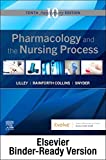
Pharmacology and the Nursing Process
The 10th edition of Pharmacology and the Nursing Process offers practical, user-friendly pharmacology information. The photo atlas contains over 100 unique illustrations and photographs depicting drug administration techniques. Updated drug content reflects the most recent FDA drug approvals, withdrawals, and therapeutic uses.
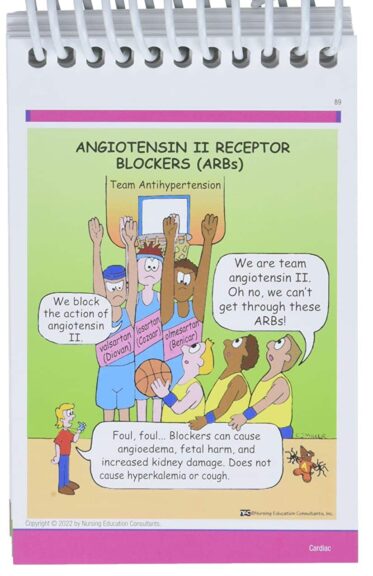
Mosby’s Pharmacology Memory NoteCards: Visual, Mnemonic, and Memory Aids for Nurses
The 6th edition of Mosby’s Pharmacology Memory NoteCards: Visual, Mnemonic, & Memory Aids for Nurses incorporates illustrations and humor to make studying easier and more enjoyable. This unique pharmacology review can be utilized as a spiral-bound notebook or as individual flashcards, making it ideal for mobile study.
See Also
Here are other nursing pharmacology study guides:
- Nursing Pharmacology – Study Guide for Nurses
Our collection of topics related to nursing pharmacology - Pharmacology Nursing Mnemonics & Tips
These nursing mnemonics aim to simplify the concepts of pharmacology through the use of a simple, concise guide. - Generic Drug Name Stems Cheat Sheet
Learn about these generic drug name stems to help you make sense of drugs easier! - Common Drugs and Their Antidotes
A guide to drug antidotes that nurses should be familiar about. - IV Fluids and Solutions Guide & Cheat Sheet
Get to know the different types of intravenous solutions or IV fluids in this guide and cheat sheet. - Drug Dosage Calculations NCLEX Practice Questions (100+ Items)
Care to take the challenge? This quiz aims to help students and registered nurses alike grasp and master the concepts of medication calculation.
We have a pill for that…
Drug Guides NEW!
Individual drug guides and nursing considerations for the most common medications used in nursing pharmacology:
- Acetaminophen (Tylenol)
- Aspirin
- Atorvastatin (Lipitor)
- Enoxaparin (Lovenox)
- Furosemide (Lasix)
- Gabapentin
- Hydromorphone (Dilaudid)
- Lisinopril
- Metoprolol
- Morphine
Gastrointestinal System Drugs
Respiratory System Drugs
- Antihistamines
- Bronchodilators and Antiasthmatics
- Decongestants
- Expectorants and Mucolytics
- Inhaled Steroids
- Lung Surfactants
Endocrine System Drugs
- Adrenocortical Agents
- Antidiabetic Agents
- Glucose-Elevating Agents
- Hypothalamic Agents
- Insulin
- Parathyroid Agents: Bisphosphonates, Calcitonins
- Pituitary Drugs
- Sulfonylureas
- Thyroid Agents
Autonomic Nervous System Drugs
- Adrenergic Agonists (Sympathomimetics)
- Adrenergic Antagonists (Sympatholytics)
- Anticholinergics (Parasympatholytics)
- Cholinergic Agonists (Parasympathomimetics)
Immune System Drugs
Chemotherapeutic Agents
- Anthelmintics
- Anti-Infective Drugs
- Antibiotics
- Antifungals
- Antineoplastic Agents
- Antiprotozoal Drugs
- Antiviral Drugs
Reproductive System Drugs
Nervous System Drugs
- Antidepressants
- Antiparkinsonism Drugs
- Antiseizure Drugs
- Anxiolytics and Hypnotic Drugs
- General and Local Anesthetics
- Muscle Relaxants
- Narcotics, Narcotic Agonists, and Antimigraine Agents
- Neuromuscular Junction Blocking Agents
- Psychotherapeutic Drugs
Cardiovascular System Drugs
References and Sources
References and sources for this pharmacology guide for Psychotherapeutic Agents:
- Karch, A. M., & Karch. (2011). Focus on nursing pharmacology. Wolters Kluwer Health/Lippincott Williams & Wilkins. [Link]
- Katzung, B. G. (2017). Basic and clinical pharmacology. McGraw-Hill Education.
- Lehne, R. A., Moore, L. A., Crosby, L. J., & Hamilton, D. B. (2004). Pharmacology for nursing care.
- Smeltzer, S. C., & Bare, B. G. (1992). Brunner & Suddarth’s textbook of medical-surgical nursing. Philadelphia: JB Lippincott.


![Furosemide Nursing Considerations and Patient Teaching [Drug Guide]](https://nurseslabs.com/wp-content/uploads/2023/07/Furosemide-160x120.jpg)

![Lisinopril Nursing Considerations and Patient Teaching [Drug Guide]](https://nurseslabs.com/wp-content/uploads/2023/03/Lisinopril-160x120.jpg)









Leave a Comment