
Use this nursing care plan and management guide to help care for patients with anemia. Learn about the nursing assessment, nursing interventions, goals and nursing diagnosis for anemia in this guide.
What is Anemia?
Anemia is an extremely common disease affecting up to one-third of the global population. The hemoglobin level is lower than normal, reflecting a decrease in the number or derangement in the function of red blood cells within the circulation. As a result, the amount of oxygen delivered to body tissues is also lessened. Anemia, like fever, is a sign that requires investigation to determine the underlying etiology. Anemia is usually discovered and quantified by measurement of the RBC count, hemoglobin concentration, and hematocrit (Maakaron & Besa, 2021).
The etiology of anemia depends on whether the anemia is hypoproliferative or hyperproliferative. Hypoproliferative anemias are corrected reticulocyte count of < 2%, and are further divided by the mean corpuscular volume into microcytic anemia (MCV <80 fl), normocytic anemia (MCV 80 to 100 fl), and macrocytic anemia (MCV >100 fl). Hyperproliferative anemia refers to a corrected reticulocyte count of >2% (Xiao, 2022).
The most serious complications of severe anemia arise from tissue hypoxia. Shock, hypotension, or coronary and pulmonary insufficiency can occur, mostly in older adult individuals with underlying pulmonary and cardiovascular disease (Maakaron & Besa, 2021).
Nursing Care Plans & Management
Nursing priorities for patients with anemia involve addressing inadequate oxygenation, managing fatigue and activity intolerance, identifying nutritional deficiencies, administering prescribed medications, monitoring blood transfusions, providing education and support, and collaborating with the healthcare team for comprehensive care.
Nursing Problem Priorities
The following are the nursing priorities for patients with anemia:
- Inadequate oxygenation
- Fatigue and activity tolerance
- Nutritional deficiencies
- Medication management
- Blood transfusion management
- Education and self-care
Nursing Assessment
Assess for the following subjective and objective data:
- Exertional discomfort or dyspnea.
- Inability to maintain the usual level of physical activity.
- Increased rest requirements.
- Reports fatigue and lack of energy.
- Verbal report of fatigue
- Exertional discomfort or dyspnea
- Abnormal heart rate or BP response
- Generalized weakness
- Deconditioned state
- Sedentary lifestyle
- Inaccurate follow-through of instructions
- Questioning members of the healthcare team
- Verbalized inaccurate information
- Changes in vital signs
- Diminished peripheral pulses and capillary refill
- General pallor
- Decreased mentation, restlessness
- Palpitations
- Tingling in extremities, intermittent claudication
- Delayed wound healing
Assess for factors related to the cause of anemia:
- Decreased hemoglobin and diminished oxygen-carrying capacity of the blood.
- The imbalance between oxygen supply and demand
- Reduced energy stores
- Complexity of treatment
- Lack of recall
- Lack of resources
- New condition or treatment
- Unfamiliarity with the disease condition
- Bone marrow malfunction
- Marrow replacement with fat in aplastic anemia
- Inflammatory response
- Vaso-occlusive nature of sickling (sickle cell anemia)
- Decreased hemoglobin and hematocrit levels
Nursing Diagnosis
Following a thorough assessment, a nursing diagnosis is formulated to specifically address the challenges associated with anemia based on the nurse’s clinical judgement and understanding of the patient’s unique health condition. While nursing diagnoses serve as a framework for organizing care, their usefulness may vary in different clinical situations. In real-life clinical settings, it is important to note that the use of specific nursing diagnostic labels may not be as prominent or commonly utilized as other components of the care plan. It is ultimately the nurse’s clinical expertise and judgment that shape the care plan to meet the unique needs of each patient, prioritizing their health concerns and priorities.
Nursing Goals
Goals and expected outcomes may include:
- The client will verbalize understanding of the use of energy conservation principles.
- The client will verbalize the reduction of fatigue, as evidenced by reports of increased energy and ability to perform desired activities.
- The client will identify factors that aggravate activity intolerance.
- The client will report the ability to perform the required activities of daily living.
- The client will identify methods to reduce activity intolerance.
- The client will verbalize understanding of their own disease process, diagnostic procedures, potential complications, and treatment plan.
- The client will identify causative factors.
- The client will initiate necessary behaviors or lifestyle changes.
- The client will have a reduced risk of infection as evidenced by an absence of fever, normal white blood cell count, and implementation of preventive measures such as proper hand washing.
- The client will have vital signs within the normal limit.
- The client will have a reduced risk for bleeding, as evidenced by normal or adequate platelet levels and the absence of bruises and petechiae.
- The client will demonstrate improved tissue perfusion as evidenced by stable vital signs, strong and palpable peripheral pulses, adequate urine output, and absence of pain.
- The client will display the usual mentation, normal capillary refill, warm and dry skin, natural pale pink color of nailbeds and lips, and the absence of paresthesias.
Nursing Interventions and Actions
Therapeutic interventions and nursing actions for patients with anemia may include:
1. Enhancing Tolerance to Activity and Managing Fatigue
Patients experiencing acute blood loss or severe hemolysis may find it challenging to engage in their usual activities due to a decrease in blood volume or a reduction in circulating red blood cells (reflected by decreased hematocrit levels). Meanwhile, fatigue is the most prevalent symptom and complication associated with anemia. It significantly affects a patient’s overall functioning and quality of life, making it crucial not to overlook or downplay its impact. Anemia-related fatigue is often described by patients as overwhelming and burdensome, even if the anemia itself is not severe enough to require a blood transfusion. This profound fatigue can hinder a person’s ability to work and participate in activities with loved ones. The distress caused by fatigue is closely linked to an individual’s responsibilities, life demands, and the level of assistance and support received from others.
1. Assess manifestations of activity intolerance. Ask the client to rate perceived exertion on a 0-10 scale.
Signs of activity intolerance and decreased tissue oxygenation include dyspnea on exertion, headaches, dizziness, palpitations, and verbalization of increased exertion level (rated perceived exertion or RPE is more than 3). The client should end or lessen the activity until signs of increased exertion are no longer present. The Borg Rating of Perceived Exertion is a way of measuring physical activity intensity level. Perceived exertion is based on the physical sensations a person experiences during physical activity, including increased heart rate, increased respiration or breathing rate, increased sweating, and muscle fatigue (Centers for Disease Control and Prevention, 2022).
2. Assess the specific cause of fatigue.
The specific cause of fatigue is tissue hypoxia from normocytic anemia. Other related medical problems can also compromise activity tolerance. Results of a study demonstrate that minimum hemoglobin during hospitalization is associated with fatigue in hospitalized clients over 50 years old, and the association is stronger among clients without either sickle cell and/or gastrointestinal bleeding as comorbidities (Prochaska et al., 2017).
3. Assess the client’s ability to perform activities of daily living (ADLs) and the demands of daily living.
Fatigue can limit the client’s ability to participate in self-care and perform their role responsibilities in family and society, such as working outside the home. Anemia has significant consequences for human health as well as for social and economic development. In 2010, anemia accounted for 68.4 million years of life lived with disability or 9% of the total global disability burden from all conditions. Anemia has been associated with negative health and development outcomes and delayed child development (Chaparro & Suchdev, 2019).
4. Assess the risk of falling and enforce applicable strategies.
Clients may not be aware of the weakness and limitations leading to reduced strength due to anemia’s potentially slow, progressive nature. Failure to monitor clients and lack of enforcement may lead to serious injuries and prolonged hospitalization. Additionally, an estimated 17% of people aged 65 years and older have been found to have anemia. This increases the older adult’s risk of falls (Yoo et al., 2021).
5. Assess emotional response to limitations in physical activity.
Depression over the inability to perform activities can be a source of stress and frustration. Physical activity can make a person feel better, function better, and sleep better. Even one session of moderate-to-vigorous physical activity reduces anxiety, and even short bouts of physical activity are beneficial (Centers for Disease Control and Prevention, 2022).
6. Evaluate reductions in mobility through a timed up-and-go test (TUG).
The prevalence of sarcopenia, which is defined as the loss of muscle mass and function, was reported to be approximately 10% among healthy older adults. Because sarcopenia is associated with physical performance, a physical test may be used to evaluate reductions in mobility among older adults. TUG is a simple test used to predict sarcopenia among older adults. The client is observed and timed while rising from an armchair, walking 3 meters, turning, walking back, and sitting down again (Yoo et al., 2021).
7. Monitor pulse oximetry; inform the healthcare provider O2 saturation is 92% or less.
Supplementary oxygen is needed for O2 saturation of 92% or less. Adequate oxygen delivery is a product of the amount of oxygen in the arterial blood, represented by the CaO₂ and how fast that blood is flowing, represented by the cardiac output (Salmen et al., 2016).,
8. Monitor hemoglobin, hematocrit, RBC counts, and reticulocyte counts.
Decreased RBC indexes are associated with the decreased oxygen-carrying capacity of the blood. It is critical to compare serial laboratory values to evaluate the client’s progression or deterioration and identify changes before they become life-threatening. The WHO criterion for anemia in adults is a hemoglobin value of less than 12.5 g/dL. Thresholds in the US are slightly higher. Anemia is suggested in males with hemoglobin levels less than 13.5 g/dL and in females with less than 12.5 g/dL (Maakaron & Besa, 2021).
9. Encourage deep breathing techniques and administer oxygen as prescribed.
These methods boost oxygen delivery to the tissues. The body will increase cardiac output primarily by raising heart rate at the same time that systemic vascular resistance decreases (due to a decrease in blood viscosity, an increase in the cross-sectional area of the vascular bed, and a decrease in the scavenging of vascular endothelial nitric oxide by the RBCs) (Salmen et al., 2016).
10. Assist the client in developing a schedule for daily activity and rest. Stress the importance of frequent rest periods.
Energy reserves may be depleted unless the client respects the body’s need for increased rest. A plan that balances periods of activity with rest periods can help the client complete desired activities without adding fatigue levels. Clients with severe anemia should curtail their activity until the anemia is partially corrected. Transfusion can often be avoided by ordering bedrest while therapy is initiated for a client with correctable anemia, such as pernicious anemia (Maakaron & Besa, 2021).
11. Allow verbalization of feelings regarding limitations.
This helps the client to cope. Acknowledgment that living with activity intolerance is both physically and emotionally difficult. Some benefits of physical activity on brain health happen right after a session of moderate-to-vigorous physical activity. Benefits include improved thinking or cognition and reduced short-term feelings of anxiety (Centers for Disease Control and Prevention, 2022).
12. Educate energy-conservation techniques.
Clients and caregivers may need to learn skills for delegating tasks to others, setting priorities, and clustering care to use the available energy to complete desired activities. Organization and time management can help the client conserve energy and reduce fatigue. Suggest that the client shower while sitting on a chair and sitting when performing tasks. This encourages the client to still do as much as possible while conserving limited energy and preventing fatigue.
13. Aid in a gradual increase of activities to tolerance as the client’s strength progress.
This develops endurance while preventing problems caused by prolonged bed rest. All forms of exercise are recommended to help decrease fatigue, but the more aerobic the activity the better. Interval training is best for physical and psychological benefits which means that the exercise should be rhythmic, involve repetitive movements of large muscle groups, include a series of short, intensive periods, be at a moderate intensity, ideally done several times a week, and sustained (Shambhavi & Lobo, 2021).
14. Allow time for the client to have undisturbed rest.
Lessening any interruptions allows the client to rest and benefit from sleep until the anemia is resolved. Clients with severe anemia should curtail their activity until the anemia is partially corrected. Transfusion can be avoided by ordering bed rest while therapy is initiated for a client with correctable anemia (Maakaron & Besa, 2021).
15. Encourage the client to engage in physical exercise as tolerated.
There is growing evidence that provides a strong indication that exercise is advantageous to cancer clients with anemia. Exercise during and after cancer treatment has been shown to be safe and sound to reduce fatigue, increase physical fitness, and enhance health-related quality of life. Aerobic exercise significantly reduces fatigue; however, the role of resistance training and alternative forms of exercise are less clear (Shambhavi & Lobo, 2021).
16. Instruct the client about medications that may stimulate RBC production in the bone marrow.
Recombinant human erythropoietin (rHuEPO), a hematological growth factor, increases hemoglobin and decreases the need for RBC transfusions. It is a biopharmaceutical drug given to clients who have low hemoglobin related to anemia. However, some clients repeatedly receiving rHuEPO develop anti-rHuEPO neutralizing antibodies leading to the development of pure red cell aplasia (PRCA) (Susantad et al., 2021).
17. Anticipate the need for the transfusion of packed RBCs.
Packed RBCs increase the oxygen-carrying capacity of the blood. In hospitalized clients, transfusion of RBCs increases hemoglobin concentration and is the primary treatment for anemia. Guidelines support transfusing clients with symptoms of anemia, such as fatigue, on the assumption that the increased oxygen delivery will improve the symptoms of anemia (Prochaska et al., 2017).
18. Observe and report for any signs of transfusion reaction. Confirm type and crossmatching.
These measures lessen the risk of transporting the wrong type of blood to the patient. Clients with autoimmune antibodies against RBCs are at greater risk of a hemolytic transfusion reaction because of difficulty in cross-matching the blood. Occasionally, the blood of clients with autoimmune hemolytic anemia cannot be crossmatched in-vitro. In these cases, the client requires in-vivo cross-matching, in which incompatible blood is transfused slowly and periodic determinations are made to ensure that the client is not developing hemoglobinemia (Maakaron & Besa, 2021).
19. Administer packed RBC or erythropoietin replacement (recombinant EPO [epoetin-α]).
150 units/kg IV 3 times each week, 600 units/kg subcutaneously once each week, or darbepoetin alfa 200 mcg every 2 weeks. Red cell production is improved through the addition of EPO (red blood cells are not responsive to normal EPO levels in chronic conditions. Transfusion of PRBCs should be reserved for clients who are actively bleeding and for clients with severe and symptomatic anemia. Transfusion is palliative and should not be used as a substitute for specific therapy. In chronic diseases associated with anemia of chronic disorders, erythropoietin may be helpful in averting or reducing transfusions of PRBCs (Maakaron & Besa, 2021).
20. Administer iron and other supplements such as cobalamin, and folate.
These may be given to restore hemoglobin and depleted iron and other deficiencies if necessary. People with chronic disease, usually older individuals, may not have a regular dietary intake of these substances. Supplements will boost normal erythropoiesis. The appropriate treatment of anemia due to blood loss is the correction of an underlying condition and oral administration of ferrous sulfate until the anemia is corrected. Pyridoxine may be useful in the treatment of certain clients with sideroblastic anemia. A strict vegetarian diet requires iron and vitamin B12 supplementation (Maakaron & Besa, 2021).
21. Provide education about dietary adjustment and improvement.
Improvements in dietary intake and strength also may help reduce symptoms. Iron deficiency anemia is prevalent in geographic locations where little meat is in the diet. Many of these locations have sufficient dietary inorganic iron to equal iron content in persons residing in countries in which meat is eaten. However, heme iron is more efficiently absorbed than inorganic food iron (Maakaron & Besa, 2021).
22. Provide the client with nutrition adequate for their needs.
Nutritional therapy is used to treat deficiencies in iron, vitamin B12, and folic acid. Pyridoxine may be useful in the treatment of certain clients with sideroblastic anemia, even though this is not a deficiency disorder. A strict vegetarian diet requires iron and vitamin B12 supplementation (Maakaron & Besa, 2021). Clients with nutritional anemia due to iron deficiency should be educated on food that is rich in iron. Food such as green leafy vegetables, tofu, red meat, raisins, and dates contain a lot of iron (Xiao, 2022).
23. Provide information about alternative forms of activities that relieve fatigue, such as acupressure and yoga.
Acupressure is a component of traditional Chinese medicine that uses pressure via finger, thumb, or device to stimulate specific acupoints for therapeutic purposes. The biochemical mechanism of acupressure describes the stimulation of specific acupoints along the meridian leads to complex neuro-hormonal responses that lead to the overrun of cortisol and cause a relaxation response. Research also directs that yoga can produce invigorating effects on physical and mental energy, which are similar to some of the effects of aerobic exercise, and thereby contribute to reducing the level of fatigue. Yoga tailored for cancer clients with anemia aims to be a gentle practice that appropriately accommodates the needs of the client, but will still require approval from the oncologist (Shambhavi & Lobo, 2021).
24. Document response to activity.
Close monitoring will serve as a guide for the optimal progression of activity. Self-monitoring how hard the body is working can help the client adjust the intensity of physical activity by speeding up or slowing down the movements. The client may use the Borg Scale when documenting their physical activity. A physical activity diary can also be suggested so that the client can record their progress and response to activity even at home (Centers for Disease Control and Prevention, 2022).
25. Educate the pregnant woman about the importance of physical activity against anemia.
Lack of physical activity causes the body’s metabolism to decrease, leading to a decrease in iron metabolism in the body. Iron is a component substance that forms hemoglobin. If iron decreases it will affect the formation of hemoglobin which will have an impact on decreasing oxygen transport to all body cells. During pregnancy, there is an increase in metabolic activity in the maternal tissues and additional metabolic activity due to the fetus and placenta. Strenuous activity will worsen the condition of maternal anemia (Dewi et al., 2022).
26. Refer the client and family to an occupational therapist.
The occupational therapist can teach the client about using assistive devices. The therapist also can help the client and family evaluate the need for additional energy-conservation measures in the home setting. March hemoglobinuria is a rare hemolytic disorder usually observed in young males. Curtailing the precipitating exercise and using shoes with reinforced soles are helpful in preventing this form of hemoglobinuria (Maakaron & Besa, 2021).
2. Initiating Health Teachings and Patient Education
Anemia remains to be one of the most common diseases in the global population despite advances in technology and healthcare. One of the strategies recommended by the WHO to prevent, control, and treat anemia was behavior modification of an individual through health education programs. Health education programs showed a significant improvement in knowledge, adherence, and a decreased prevalence of anemia among pregnant women (Abujilban et al., 2019). Understanding anemia and iron deficiency is also required to reduce the increasing rate globally, especially among adolescent girls, pregnant women, and preschool children.
1. Assess current knowledge of the diagnosis, disease process, possible causative factors, and treatment.
Determining the client’s current knowledge and perceptions will facilitate the planning of individualized teaching. Clients may have a general understanding of anemia related to iron deficiency but limited knowledge of other types of anemia. The nurse should inform clients of the etiology of their anemia, the significance of their medical condition, and the therapeutic options available for treatment (Maakaron & Besa, 2021).
2. Assess the client’s and family’s understanding of the new medical vocabulary.
Usually, people have a limited understanding of medical vocabulary and hence are not exposed to the language being used by healthcare professionals. Lack of awareness among parents especially mothers faced with this type of problem due to lack of knowledge about the disease, poor educational status, unhealthy food habits, low iron bioavailability diet, and poor nutritional practices can cause a lack of iron within the body of an adolescent female (Devi, 2023).
3. Assess resources, including finances, and the ability to obtain and prepare food.
Inadequate resources may affect the ability to purchase and prepare appropriate food items. It is recommended that nutrient gaps in complementary foods be addressed by including animal-source foods. Unfortunately, this is an expensive strategy for low-income households. Many households, particularly in rural areas, cannot afford animal-source foods to boost the nutrient density of complementary and household foods (Agbemafle et al., 2019).
4. Explain the importance of diagnostic procedures (such as complete blood count), bone marrow aspiration, and a possible referral to a hematologist.
Diagnosing a type of anemia will be based on the changes in the RBC indexes and the findings in the bone marrow aspiration. The first step in the diagnosis of anemia is detection with reliable, accurate tests so that important clues to underlying disease are not overlooked and clients are not subjected to unnecessary tests for and treatment of nonexistent anemia (Maakaron & Besa, 2021).
5. Explain the hematological vocabulary and the functions of blood elements, such as white blood cells, red blood cells, and platelets.
Clients usually have a basic knowledge of the hematological system. Anemia is defined as a decreased number of RBCs as measured by the hemoglobin, hematocrit, and RBC counts. When the quantity of hemoglobin is reduced, fewer RBCs are formed, and the RBCs that are formed are smaller. Iron deficiency anemia occurs when there is insufficient iron in the body to make hemoglobin (Auerbach, 2023).
6. Instruct the client to avoid known risk factors.
Causative factors such as alcoholism, exposure to toxic chemicals, dietary deficiencies, and the use of some medications can affect red blood cell production and lead to anemia. Only three causes of anemia exist: blood loss, increased destruction of RBCs, and decreased production of RBCs. Each of these causes includes a number of disorders that require specific and appropriate therapy (Maakaron & Besa, 2021).
For clients with aplastic anemia:
7. Explain that blood transfusions from prospective marrow donors should be avoided.
Histocompatibility antigens may lead to donor marrow rejection. It is important that transfusions be guided by the client’s clinical status and not by numbers alone. Avoiding transfusions from family members is important because of possible sensitization against non-HLA (human leukocyte antigen) tissue antigens of potential donors (Bakhshi & Besa, 2023).
8. Explain the need for rapid human leukocyte antigen (HLA) typing.
The human leukocyte antigen (HLA) test, also known as HLA typing or tissue typing, identifies antigens on the white blood cells (WBCs) that determine tissue compatibility for organ transplantation. Histocompatibility testing should be conducted early to identify potential related donors, especially those for young clients. Because the extent of previous transfusion has been shown to significantly affect the outcomes of clients undergoing hematopoietic cell transplantation (HCT) for aplastic anemia, the rapidity with which these data are obtained is crucial (Bakhshi & Besa, 2023).
9. Explain that immunosuppressive therapy is the treatment of choice in clients without HLA-matched donors and/or older than 40 years of age.
In clients without HLA-matched donors, the treatment of choice is immunosuppression of granulocyte-macrophage-colony-stimulating factors, cyclophosphamide, anti-thymocyte globulin, and cyclosporine. Immunosuppressive therapy is associated with an overall response rate of 60 to 80% and a 5-year survival rate of 75% in most reports, but event-free survival rates are in the range of 35 to 50% (Bakhshi & Besa, 2023).
10. Explain that allogeneic hematopoietic stem cell transplantation is the standard treatment for clients younger than 40 years old with HLA-identical related donors.
Hematopoietic stem cell transplantation (HCT) is an effective therapy for many life-threatening diseases. Usually, a client’s own (autologous) or (allogeneic) cells from a donor with the same genetic makeup are used. Persons doing this procedure do not require irradiation-based conditioning regimens. However, one of the major problems of HCT in aplastic anemia is the high rate of rejection. The rejection rate correlates positively with the number of transfusions the client received and the duration of their disease prior to transplantation (Bakhshi & Besa, 2023).
11. Explain the potential complications associated with immunosuppressive therapy.
- 11.1. Acute graft-versus-host disease (GVHD)
The earliest symptoms include a red maculopapular rash, dryness of the eye, abdominal pain, and jaundice. Acute GVHD describes a distinctive syndrome of dermatitis, hepatitis, and enteritis developing within 100 days after allogeneic hematopoietic cell transplantation (Mandanas & Mancini, 2021). - 11.2. Chronic GVHD
Clients with Chronic GVHD may present with a variety of symptoms. Skin rash and mouth sores are among the common initial signs of the disease. The rash is often slightly raised and may be itchy. Chronic GVHD describes a more diverse syndrome developing after day 100. Chronic GVHD may be an extension of acute GVHD, may occur de novo in clients who never have clinical evidence of acute GVHD, or may emerge after a quiescent interval after acute GVHD resolves (Mandanas & Mancini, 2021). - 11.3. Rejection of donor marrow
Rejection happens when a sensitization to histocompatibility antigens is acquired during previous blood transfusions and carries a high mortality rate. Conditioning regimens using cyclophosphamide (Cytoxan) and total lymphoid irradiation show a decrease in the risk of graft failure. At present, high-dose cyclophosphamide should be limited to clinical trials. Preliminary data suggested that high-dose cyclophosphamide may result in durable remissions in some clients with aplastic anemia. However, some of these clients develop paroxysmal nocturnal hemoglobinuria (PNH) and cytogenic abnormalities on follow-up (Bakhshi & Besa, 2023).
For clients with nutritional deficiency anemia:
12. Explain the importance of vitamin B12 replacement.
Vitamin B12 injections are used to treat low levels (deficiency) of this vitamin. They are given monthly for the remainder of the client’s life. It elevates vitamin B12, a deficiency caused by a lack of intrinsic factors that impair vitamin absorption. Cyanocobalamin is given to clients with vitamin B12 deficiency. Microbes synthesize vitamin B12, but humans and plants do not (Maakaron & Besa, 2021).
13. Educate the client and the family regarding food rich in iron, folic acid, and vitamin B12.
A balanced diet that includes various foods from each food group usually contains essential nutrients needed to promote RBC formation. Clients need to have an adequate intake of dark-green leafy vegetables, and animal products, including fish, meat, poultry, eggs, milk, and fortified breakfast cereals. Vegan and vegetarian clients who may be deficient in B12 must be advised to consume food fortified with vitamin B12, such as certain plant and soy products (Xiao, 2022).
14. Educate the client and the family regarding replacement therapy with folic acid and iron.
The dosage and frequency of administration will depend on the severity of the anemia. Iron supplements are given orally with meals to prevent gastric upset. Intramuscular injections are also available via the Z-track method to prevent leakage of the solution in the subcutaneous tissue along the needle tract. At the same time, folic acid is given orally with a full glass of water. Vitamin C helps to increase dietary iron absorption. The client should avoid excess tea or coffee, as these can decrease iron absorption (Xiao, 2022).
For blood loss anemia:
15. Instruct the client about certain medications that may stimulate RBC production in the bone marrow.
Recombinant human erythropoietin, a hematological factor, elevates hemoglobin levels and decreases the need for a transfusion of packed RBC. This agent is administered to clients who have lower hemoglobin levels because of their inability to produce enough endogenous erythropoietin. Treatment of anemia with rHuEPO has been shown to improve the quality of life of these clients (Susantad et al., 2021).
16. Explain that a transfusion of packed RBCs may be needed.
One unit of packed RBC raises the hemoglobin level by 1 g/dL. Transfusion of packed RBCs should be reserved for clients who are actively bleeding and for clients with severe and symptomatic anemia. Transfusion is palliative and should not be used as a substitute for specific therapy. Hemolytic transfusion reactions and transmission of infectious diseases are risks of blood product transfusions (Maakaron & Besa, 2021).
17. Reinforce information about splenectomy, as indicated.
Splenectomy is useful in the treatment of autoimmune hemolytic anemias and in certain hereditary hemolytic disorders. Improvement in survival rates has been reported in clients with aplastic anemia, but splenectomy is not the preferred therapy. Prior to splenectomy, clients should be immunized with the polyvalent pneumococcal vaccine, more than one week prior to surgery (Maakaron & Besa, 2021).
18. Educate pregnant women about the importance of appropriate food choices.
Educating women with appropriate dietary information helped them to be more familiar with food classifications, and improved their ability to select foods rich in iron, protein, and vitamin C, which would further help in increasing their hemoglobin levels, according to a study (Abujilban et al., 2019).
19. Encourage smoking cessation.
Smoking decreases available oxygen and causes vasoconstriction. Tobacco use dramatically increased the risk of iron deficiency anemia and consumption of green leafy vegetables lowered the risk. Biochemically, tobacco use may affect iron metabolism, iron stores, inflammation, and hemoglobin levels. Behaviorally, tobacco use may act as an appetite suppressant and has been linked with lower food intake and household food insecurity (Mistry et al., 2018).
3. Preventing Infection Risk and Promoting Infection Control
Following the entry of microorganisms into the organ vicinity several factors concurrently contribute to the development of infection. When considering the host-parasite interface nutritional status of the host is one of the key contributory factors for the invasion and development of infections. Hemoglobin concentration is a parameter that reflects the chronic nutritional status and also blood oxygen-carrying capacity. Recurrent infective episodes invariably lead to undernutrition. Perhaps, anemia is a well-known risk factor for recurrent infective episodes. Adequate iron is important for the proliferation and maturation of the immune cells, particularly lymphocytes, for the generation of a specific response to infection (Ganz, 2018).
1. Assess for local or systemic signs of infection, such as fever, chills, swelling, pain, and body malaise.
Opportunistic infections can easily develop, especially in immunocompromised clients. Obtain a history of fever or identify the presence of fever, because infections, neoplasms, and collagen vascular disease can cause anemia (Maakaron & Besa, 2021).
2. Monitor WBC count.
A low white blood cell count (leukopenia) decreases disease-fighting cells (leukocytes) in the blood. In general, for adults, a count lower than 4,000 white blood cells per microliter of blood is considered a low white blood cell count. Neutropenia is defined as an abnormal reduction in neutrophil concentration. Neutropenia can be due to primary causes such as congenital neutropenia or secondary causes such as B12 and folate deficiencies or bone marrow depression (Abdelmahmoud et al., 2020).
3. Instruct the client to report signs and symptoms of infection immediately.
A simple fever is significant enough not to pay attention to. A need for antibiotic therapy may be indicated. Note for the presence of chills with or without fever. These are reflective of inflammatory processes or infections, requiring evaluation and treatment. With bone marrow suppression, leukocytic failure may lead to fulminating infections.
4. Anticipate the need for an antibiotic, antiviral, and antifungal therapy.
These agents are effective in killing an infection. Consideration of antibacterial prophylaxis against gram-negative bacilli especially fluoroquinolone was recommended in clients who expected to experience profound neutropenia for more than seven days after chemotherapy. Invasive fungal infections were also common pathogens in clients with aplastic anemia (Salee & Norasetthada, 2018).
5. Instruct the client to avoid contact with people with existing infections.
These can be a source of infection for the immunocompromised client. Children 12 years of age or younger are at risk because they can be carriers of infection, especially upper respiratory infections. Protective isolation may be required in aplastic anemia when immune responses are most compromised. Inform the client of the increased risk of community-acquired infections during periods of neutropenia and lymphopenia (Bakhshi & Besa, 2023).
6. If the client is hospitalized, provide a private room for protective isolation.
Environmental changes may be important if the absolute neutrophil count is less than 500/mm3. Protective isolation precautions may include placing the client in a private room, limiting visitors, and having all people who contact the client use masks, gowns, and gloves. These clients are at significant risk for infection.
7. Instruct the client to avoid eating raw fruits and vegetables and uncooked meat.
These food items can harbor bacteria. A low-bacterial diet protects the client from exposure to pathogens. The diet for a client with aplastic anemia who has neutropenia or who is receiving immunosuppressive therapy should be tailored carefully to exclude raw meats, dairy products, or fruits and vegetables that are likely to be colonized by bacteria, fungus, or molds (Bakhshi & Besa, 2023).
8. Stress the importance of daily hygiene, mouth care, and perineal care.
These preventive measures help avoid skin breakdown and lessen the risk of infection. Good oral hygiene lowers the risk of oral health problems such as tooth decay, gingivitis, and periodontitis. The frequency of toothbrushing should be increased in clients who have a high risk for caries, such as clients with xerostomia in Fanconi anemia (Fanconi Anemia Research Fund, 2021).
9. Teach the client and visitors proper handwashing.
Practicing hand hygiene is an effective way to prevent infections. Washing hands can prevent the spread of germs, including those that are resistant to antibiotics. Clients with aplastic anemia are at high risk of acquiring infections hence the use of alcohol-based hand rub or soap and water for hand washing before touching these clients is recommended (Malhotra & John, 2020).
10. Emphasize the need to monitor and limit visitors and staff; instruct them to avoid bringing fresh plants or fruits.
This limits exposure to infectious agents. Relatives and people visiting these clients and the wards should be kept to a minimum to prevent the occurrence of cross-infection. Staff who has cough and colds or who has symptoms of upper respiratory tract infection should avoid exposing themselves to the client. Visitors are also instructed not to bring live flowers into these rooms as live flowers carry fungal spores (Malhotra & John, 2020).
11. Manage intravenous lines and catheters aseptically.
The intravenous lines and catheters should be handled very carefully in these clients. First, these clients require repeated venipuncture for blood and blood product transfusions and intravenous antibiotics. Second and more important, the intravenous lines are critical sources of infections if not handled carefully and aseptically (Malhotra & John, 2020).
12. Administer WBC growth factor to stimulate the production of neutrophils.
Colony-stimulating factors (CSFs), long-acting pegfilgrastim, and filgrastim are medications used to stimulate the production of infection-fighting white blood cells. Cytokine support with granulocyte CSFs and granulocyte-macrophage CSF may be considered in refractory infections, although the benefit of this therapy should be weighed against its cost and efficacy (Bakhshi & Besa, 2023).
13. Administer antibiotics or antivirals as prescribed.
Clients on immunosuppressive therapy should receive prophylactic antiviral therapy. Empirical antibiotic therapy should be broad-based, with gram-negative and staphylococcal coverage based on local microbial sensitivities. Especially consider including anti-pseudomonal coverage at the start of treatment for clients with febrile neutropenia (Bakhshi & Besa, 2023).
4. Preventing Bleeding Risk & Improving Tissue Perfusion
One of the key challenges associated with anemia is the increased risk of bleeding due to the reduced capacity of blood to transport oxygen and support normal clotting mechanisms. Additionally, inadequate tissue perfusion can lead to a multitude of complications, affecting various organ systems throughout the body. In order to address these critical concerns, it is essential to focus on preventing bleeding risk and enhancing tissue perfusion in patients with anemia. This approach involves a comprehensive understanding of the underlying causes of anemia, effective management strategies, and the implementation of preventive measures.
1. Assess the skin for bruises and petechiae.
Bruises and petechiae are usually evident when the platelet count drops to 20,000 mm3. The occurrence of purpura, ecchymoses, and petechiae suggest the occurrence of either thrombocytopenia or other bleeding disorders; this may be an indication either that more than one bone marrow lineage is involved or that coagulopathy is a cause of the anemia because of bleeding (Maakaron & Besa, 2021).
2. Monitor vital signs carefully. Assess pulses for rate, rhythm, and volume.
Sludging and sickling in peripheral vessels may lead to complete or partial obliteration of a vessel with diminished perfusion to surrounding tissues. Sudden massive splenic sequestration of cells can lead to shock. Children with sickle cell anemia readily adjust by increasing heart rate and stroke volume (Maakaron & Besa, 2022).
3. Assess skin for coolness, pallor, cyanosis, diaphoresis, and delayed capillary refill.
These skin changes reflect diminished circulation and hypoxia potentiating capillary occlusion. The skin and mucous membranes are often bypassed, so that pallor, abnormal pigmentation, icterus, spider nevi, petechiae, purpura, angiomas, ulcerations, palmar erythema, coarseness of hair, puffiness of the face, thinning of the lateral aspects of the eyebrows, and nail defects are missed in the rush to examine the heart and the lungs (Maakaron & Besa, 2021).
4. Assess for any frank bleeding from the nose, gums, vagina, or urinary or gastrointestinal tract.
The early assessment facilitates immediate treatment. These sites are most common for spontaneous bleeding. Often, clients do not appreciate the significance of tarry stools. Changes in bowel habits can be useful in uncovering neoplasms of the colon. Seek a careful history of gastrointestinal complaints that may suggest bleeding (Maakaron & Besa, 2021).
5. Monitor platelet count.
A low platelet count or thrombocytopenia is caused by a bone marrow malfunction resulting from nutritional deficiencies, drugs, certain viral causes, or aplastic anemia. The risk for bleeding is increased as platelet count is decreased. Varying degrees of progressive cytopenia are observed in all three hematopoietic lineages. Reduction in platelet and leukocyte counts may precede the fall in hemoglobin (Bakhshi & Besa, 2023).
6. Monitor stool (guaiac) and urine (Hemastix) for occult blood.
These tests help identify the site of bleeding. Occult gastrointestinal bleeding refers to the initial presentation of a positive fecal occult blood test result and/or iron deficiency anemia when there is no evidence of visible blood loss to the client or healthcare provider (Perencevich & Saltzman, 2023).
7. Note changes in LOC; reports of headache, dizziness, and development of sensory or motor deficits.
Changes in LOC may reflect diminished perfusion to the CNS during ischemia or infarction. Central nervous system involvement is one of the most devastating aspects of sickle cell disease. The most severe manifestation is stroke, resulting in varying degrees of neurological deficit. Hemiparesis is the usual presentation. Convulsions occur as an isolated event but also appear in the setting of evolving acute chest syndrome (Maakaron & Besa, 2022).
8. Assess lower extremities for skin texture, edema, and ulcerations, especially of internal and external ankles.
Reduced peripheral circulation often leads to skin and underlying tissue changes and delayed healing. Leg ulcers are a chronic pain problem. They result from minor injury to the area around the malleoli. Because of relatively poor circulation, compounded by sickling and microinfarcts, healing is delayed and infection becomes established (Maakaron & Besa, 2022).
9. Evaluate for developing edema.
Vaso-occlusion or circulatory stasis may lead to edema of the extremities and priapism in men, potentiating the risk of ischemia and necrosis. Bilateral edema is useful in disclosing underlying cardiac, renal, or hepatic disease, whereas unilateral edema may portend lymphatic obstruction due to a malignancy that cannot be observed or palpated (Maakaron & Besa, 2021).
10. Consolidate laboratory blood sampling test.
Repeated blood sampling over time can lead to anemia. Consolidation minimizes the number of venipunctures and optimizes blood volume. A simple change in phlebotomy practice- switching from conventional to low-volume sample blood tubes- results in a 42%-reduction in client blood loss, and consequent reduced risk of iatrogenic anemia. For many admitted clients who require frequent blood testing, the accumulated associated blood loss can be of sufficient volume to materially increase the risk of anemia or increase the severity of pre-existing anemia (Higgins, 2018).
11. Maintain adequate fluid intake.
Dehydration not only causes hypovolemia but increases sickling and occlusion of capillaries. Decreased renal perfusion and failure may occur because of vascular occlusion. Fluid intake and output should be closely monitored in kidney transplant recipients. In comparison with the general population, these clients have an increased propensity toward intravascular volume depletion, especially secondary to volume losses (Maakaron & Besa, 2022).
12. Maintain environmental temperature and body warmth without overheating.
This prevents vasoconstriction and aids in maintaining circulation and perfusion. Excessive body heat may cause diaphoresis adding to insensible fluid losses and the risk of dehydration. Hypothermia may exacerbate cardiovascular compromise with severe anemia. Extremes of both hot and cold weather have been found to precipitate acute complications. The vast majority of clients with sickle cell disease live in tropical climates, in which few studies have been conducted. Increasing numbers are managed in temperature areas in western Europe, particularly in larger cities in France and the UK, and North America (Tewari et al., 2015).
13. Monitor laboratory studies, such as CBC, ABGs, liver function tests, and kidney function levels.
Decreased tissue perfusion may lead to gradual infarction of organ tissues, such as the brain, liver, spleen, kidney, skeletal muscle, and so forth, with consequent release of intracellular enzymes. Immediately after blood loss, the hematocrit cannot be used as a reliable method to determine the quantity of lost blood, because the client loses plasma as well as RBCs. After acute hemorrhage, the hematocrit falls for 24 to 48 hours until the plasma volume is replaced (Maakaron & Besa, 2021).
14. Instruct the client in dietary modifications to reduce constipation.
Eating a diet high in fiber and drinking a lot of fluids to avoid constipation or using a stool softener and other laxatives as prescribed if having difficulty passing stool. The client may also consult with a dietitian to provide a well-balanced diet high in fiber and bulk. Fiber resists enzymatic digestion and absorbs liquids in its passage along the intestinal tract and thereby producing bulk, which acts as a stimulant for defecation.
15. Instruct the client about bleeding precautions.
Once the client’s platelet count drops to 50,000mm3, bleeding precautions should be instituted immediately to avoid the risk of spontaneous bleeding. Instruct the client to use an electric shaver, not a razor. Using a soft toothbrush when brushing the teeth prevents the risk of injury to the gums which could precipitate bleeding. Using pads instead of tampons may be advised for females; however, the risk of infection is higher in women who use sanitary pads more than those who wear tampons. The nurse should also instruct the client to avoid rectal procedures such as suppositories, enemas, and rectal temperature readings. The use of a water-based lubricant during sexual intercourse reduces friction (KY Jelly or Astroglide).
16. Anticipate the need for a platelet transfusion once the platelet count drops to a very low value.
Platelet replacement may be required to reduce the risk of bleeding. Premedication with antihistamines and antipyretics reduces transfusion reaction side effects. The British Committee for Standards in Haematology recommends prophylactic transfusions in clients whose platelet counts fall below 10×10⁹/L. However, it is important that transfusions be guided by the client’s clinical status and not by numbers alone (Bakhshi & Besa, 2023).
17. Administer intravenous solutions, such as normal saline, via an infusion pump.
Hydration lowers the hemoglobin concentration, which decreases the sickling tendency and also reduces blood viscosity, which helps to maintain perfusion. A vaso-occlusive crisis is treated with vigorous intravenous hydration and analgesics. Intravenous fluids should be of sufficient quantity to correct dehydration and to replace continuing loss, both insensible and due to fever. Normal saline and 5% dextrose in saline may be used (Maakaron & Besa, 2022).
18. Administer intravenous solutions, such as normal saline, via an infusion pump.
Hydration lowers the hemoglobin concentration, which decreases the sickling tendency and also reduces blood viscosity, which helps to maintain perfusion. A vaso-occlusive crisis is treated with vigorous intravenous hydration and analgesics. Intravenous fluids should be of sufficient quantity to correct dehydration and to replace continuing loss, both insensible and due to fever. Normal saline and 5% dextrose in saline may be used (Maakaron & Besa, 2022).
19. Provide electrolyte replacements as indicated.
Electrolyte losses, especially sodium, and potassium, are increased during a crisis because of fever, diarrhea, vomiting, and diaphoresis. Serum potassium levels can fall during therapy for severe cobalamin or folate deficiency and can lead to sudden death. Therefore, potassium supplements may be indicated (Maakaron & Besa, 2021).
20. Administer hydroxyurea and observe for possible lethal side effects.
Hydroxyurea has an established role as a safe and effective treatment for sickle cell disease. Hydroxyurea increases total and fetal hemoglobin in children with SCD. the increase in fetal hemoglobin retards gelation and sickling of RBCs. Clients receiving hydroxyurea require frequent blood testing and monitoring, with special attention to the development of leukopenia and/or thrombocytopenia (Maakaron & Besa, 2022).
21. Administer deferoxamine and vitamin C, as prescribed.
Chelation therapy may be indicated to correct iron overload associated with regular, frequent transfusions. Vitamin C may enhance excretion, especially in clients who are vitamin deficient. The appropriate treatment of anemia due to blood loss is the correction of the underlying condition and oral administration of ferrous sulfate until the anemia is corrected and for several months afterward to ensure that body stores are replete with iron (Maakaron & Besa, 2021).
22. Provide electrolyte replacements as indicated.
Electrolyte losses, especially sodium, and potassium, are increased during a crisis because of fever, diarrhea, vomiting, and diaphoresis. Serum potassium levels can fall during therapy for severe cobalamin or folate deficiency and can lead to sudden death. Therefore, potassium supplements may be indicated (Maakaron & Besa, 2021).
23. Administer hydroxyurea and observe for possible lethal side effects.
Hydroxyurea has an established role as a safe and effective treatment for sickle cell disease. Hydroxyurea increases total and fetal hemoglobin in children with SCD. the increase in fetal hemoglobin retards gelation and sickling of RBCs. Clients receiving hydroxyurea require frequent blood testing and monitoring, with special attention to the development of leukopenia and/or thrombocytopenia (Maakaron & Besa, 2022).
24. Administer deferoxamine and vitamin C, as prescribed.
Chelation therapy may be indicated to correct iron overload associated with regular, frequent transfusions. Vitamin C may enhance excretion, especially in clients who are vitamin deficient. The appropriate treatment of anemia due to blood loss is the correction of the underlying condition and oral administration of ferrous sulfate until the anemia is corrected and for several months afterward to ensure that body stores are replete with iron (Maakaron & Besa, 2021).
25. Provide information about dietary sources of iron.
Iron occurs in two forms in food: heme iron, found in meat products, and non-heme iron, found in other foods, such as vegetables and fortified cereals. Iron absorption is enhanced by a number of dietary components, such as ascorbic acid, and inhibited by others, such as phytate, found in legumes, rice, and grains (McClung, 2018).
26. Administer oral anticoagulants as indicated.
To prevent potentially fatal bleeding events, it is essential to closely monitor clients with a high bleeding risk. Of the other non-vitamin K antagonist oral anticoagulants that are currently available, low-dose dabigatran reduces bleeding compared with warfarin and may be considered in these clients (Westenbrink et al., 2016).
5. Assessing and Monitoring for Potential Complications
Apart from the primary symptom of fatigue, anemia can give rise to various complications that can impact multiple organ systems. One of the primary concerns when managing anemia is the risk of cardiovascular complications. Inadequate oxygen-carrying capacity due to low hemoglobin levels can strain the heart, leading to symptoms such as palpitations, shortness of breath, and even cardiac arrhythmias. Assessing patients for signs of cardiac dysfunction and monitoring vital signs, including heart rate, blood pressure, and oxygen saturation, is essential to detect and manage any cardiovascular complications that may arise.
1. Monitor the patient’s heart rate, blood pressure, respiratory rate, and oxygen saturation at regular intervals.
Vital sign monitoring helps assess cardiovascular function and detect any abnormalities or signs of cardiac complications, such as tachycardia, hypotension, or decreased oxygen saturation. Early detection allows for prompt intervention and management of potential complications.
2. Assess for signs of impaired tissue perfusion, such as delayed wound healing, skin pallor, cool extremities, or cognitive changes.
Impaired tissue perfusion is a potential complication of anemia, and monitoring for signs of inadequate oxygenation helps identify tissue hypoxia and intervene promptly. Timely interventions can prevent further complications and optimize patient outcomes.
3. Conduct routine laboratory tests, including complete blood count (CBC), iron studies, and any additional tests specific to the underlying cause of anemia.
Regular laboratory testing helps monitor hemoglobin and hematocrit levels, assess iron stores, and evaluate response to treatment. It aids in identifying any worsening of anemia or potential complications, guiding appropriate interventions and adjusting the treatment plan accordingly.
4. Evaluate organ function through laboratory tests, such as renal function tests, liver function tests, and others based on the underlying condition.
Anemia can be secondary to various chronic conditions that may affect organ function. Monitoring organ function helps detect any impairment or worsening of organ status, facilitating early intervention and appropriate management of potential complications.
5. Monitor for signs and symptoms of infections, such as fever, changes in respiratory status, localized signs of inflammation, or increased white blood cell count.
Anemia can weaken the immune system, increasing the risk of infections. Regular monitoring allows for early detection and timely intervention, including initiating appropriate antimicrobial therapy, preventing the progression of infections, and minimizing associated complications.
6. Teach patients about signs and symptoms to watch for, including fatigue, dizziness, shortness of breath, changes in wound healing, or signs of infection.
Patient education empowers individuals to recognize and report potential complications promptly. Early identification and reporting of symptoms enable healthcare providers to intervene promptly, initiate appropriate treatment, and prevent further complications.
6. Administering Medications and Pharmacologic Support
Administering Medications and providing pharmacologic support are essential aspects of managing patients with anemia. Medications play a crucial role in addressing the underlying cause of anemia and optimizing red blood cell production. Depending on the specific type of anemia, medications such as iron supplements, vitamin B12 injections, or erythropoiesis-stimulating agents (ESAs) may be prescribed. Regular monitoring of patients’ response to medication, including changes in hemoglobin levels and relevant laboratory parameters, helps evaluate the effectiveness of treatment. It is also important for nurses to be vigilant in managing medication side effects and educating patients about potential adverse reactions.
Here is a list of medications commonly used for patients with different types of anemia and their respective uses:
1. Iron supplements.
Used for iron deficiency anemia to replenish iron stores and support red blood cell production.
2. Vitamin B12 injections or oral supplements.
Used for pernicious anemia or other forms of vitamin B12 deficiency to correct the deficiency and promote red blood cell production.
3. Folic acid supplements.
Used for folic acid deficiency anemia to correct the deficiency and support red blood cell synthesis.
4. Erythropoiesis-stimulating agents (ESAs).
Such as erythropoietin or darbepoetin, used for anemia associated with chronic kidney disease or chemotherapy-induced anemia to stimulate the bone marrow to produce more red blood cells.
5. Immunosuppressive drugs.
Used for aplastic anemia to suppress the immune system and prevent further damage to the bone marrow.
6. Corticosteroids.
Used for autoimmune hemolytic anemia or other immune-related anemias to suppress the immune response and reduce red blood cell destruction.
7. Blood transfusions.
In severe cases of anemia, transfusion of packed red blood cells (PRBCs) may be required to quickly replenish red blood cell counts and improve oxygen-carrying capacity.
7. Monitoring Laboratory and Diagnostic Procedures
Regular monitoring of laboratory parameters allows healthcare professionals to assess the severity of anemia, identify the underlying cause, and track the response to treatment. Monitoring these laboratory and diagnostic procedures aids in early detection of complications, guides appropriate treatment interventions, and allows for timely adjustments to the management plan, ultimately improving patient outcomes.
Here is a list of laboratory studies and diagnostic procedures commonly used in the evaluation of patients with anemia:
Laboratory Studies:
1. Complete Blood Count (CBC): Measures hemoglobin, hematocrit, red blood cell count, white blood cell count, and platelet count.
2. Peripheral Blood Smear: Microscopic examination of a blood sample to assess the size, shape, and appearance of red blood cells, white blood cells, and platelets.
3. Reticulocyte Count: Determines the percentage of reticulocytes (immature red blood cells) in the blood, indicating the bone marrow’s ability to produce new red blood cells.
4. Serum Iron, Ferritin, and Transferrin Saturation: Measures iron levels and evaluates iron stores in the body, particularly in cases of iron deficiency anemia.
5. Vitamin B12 and Folic Acid Levels: Determines the levels of these vitamins to assess deficiencies that can lead to anemia.
6. Erythropoietin Level: Measures the level of erythropoietin, a hormone that stimulates red blood cell production, helpful in evaluating anemia related to kidney disease.
7. Coagulation Studies: Assess the blood’s ability to clot and evaluate potential bleeding disorders that may contribute to anemia.
Diagnostic Procedures:
8. Bone Marrow Aspiration and Biopsy: Involves taking a sample of bone marrow to examine the cellular composition, assess the bone marrow’s ability to produce red blood cells, and identify any abnormalities or disorders.
9. Upper and Lower Endoscopy: Procedures used to visualize the gastrointestinal tract and identify potential sources of bleeding that could lead to anemia.
10. Imaging Studies (e.g., ultrasound, CT scan, MRI): Used to evaluate the organs and tissues for abnormalities or sources of bleeding that may cause anemia.
11. Genetic Testing: In certain cases, genetic testing may be performed to identify inherited disorders associated with anemia, such as thalassemia or sickle cell disease.
Recommended Resources
Recommended nursing diagnosis and nursing care plan books and resources.
Disclosure: Included below are affiliate links from Amazon at no additional cost from you. We may earn a small commission from your purchase. For more information, check out our privacy policy.
Ackley and Ladwig’s Nursing Diagnosis Handbook: An Evidence-Based Guide to Planning Care
We love this book because of its evidence-based approach to nursing interventions. This care plan handbook uses an easy, three-step system to guide you through client assessment, nursing diagnosis, and care planning. Includes step-by-step instructions showing how to implement care and evaluate outcomes, and help you build skills in diagnostic reasoning and critical thinking.
Nursing Care Plans – Nursing Diagnosis & Intervention (10th Edition)
Includes over two hundred care plans that reflect the most recent evidence-based guidelines. New to this edition are ICNP diagnoses, care plans on LGBTQ health issues, and on electrolytes and acid-base balance.
Nurse’s Pocket Guide: Diagnoses, Prioritized Interventions, and Rationales
Quick-reference tool includes all you need to identify the correct diagnoses for efficient patient care planning. The sixteenth edition includes the most recent nursing diagnoses and interventions and an alphabetized listing of nursing diagnoses covering more than 400 disorders.
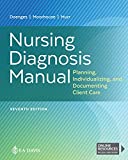
Nursing Diagnosis Manual: Planning, Individualizing, and Documenting Client Care
Identify interventions to plan, individualize, and document care for more than 800 diseases and disorders. Only in the Nursing Diagnosis Manual will you find for each diagnosis subjectively and objectively – sample clinical applications, prioritized action/interventions with rationales – a documentation section, and much more!
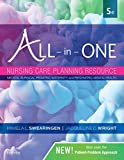
All-in-One Nursing Care Planning Resource – E-Book: Medical-Surgical, Pediatric, Maternity, and Psychiatric-Mental Health
Includes over 100 care plans for medical-surgical, maternity/OB, pediatrics, and psychiatric and mental health. Interprofessional “patient problems” focus familiarizes you with how to speak to patients.
See also
Other recommended site resources for this nursing care plan:
- Nursing Care Plans (NCP): Ultimate Guide and Database MUST READ!
Over 150+ nursing care plans for different diseases and conditions. Includes our easy-to-follow guide on how to create nursing care plans from scratch. - Nursing Diagnosis Guide and List: All You Need to Know to Master Diagnosing
Our comprehensive guide on how to create and write diagnostic labels. Includes detailed nursing care plan guides for common nursing diagnostic labels.
Other care plans for hematologic and lymphatic system disorders:
- Anaphylactic Shock
- Anemia
- Aortic Aneurysm
- Bleeding Risk & Hemophilia
- Deep Vein Thrombosis
- Disseminated Intravascular Coagulation
- Hemophilia
- Leukemia
- Lymphoma
- Sepsis and Septicemia
- Sickle Cell Anemia Crisis
References and Sources
Recommended journals, reference books, and interesting articles about Anemia nursing care plans:
- Abdelmahmoud, E., Yassin, M. A., & Ahmed, M. (2020, June 29). Iron Deficiency Anemia-Induced Neutropenia in Adult Female. NCBI. Retrieved March 23, 2023.
- Abujilban, S., Hatamleh, R., & Al-Shuqerat, S. (2019). The impact of a planned health educational program on the compliance and knowledge of Jordanian pregnant women with anemia. Women & Health, 59(7).
- Agbemafle, I., Francis, S. L., Jensen, H. H., & Reddy, M. B. (2019). Influence of Food Security Status and Anemia-Related Knowledge on Perceptions About 2 Nutritious Underutilized Foods Among Ghanaian Caregivers. Food and Nutrition Bulletin, 40(4).
- Auerbach, M. (2023, Feb). Patient education: Anemia caused by low iron in adults (Beyond the Basics). UpToDate.
- Bakhshi, S., & Besa, E. C. (2023, March 15). Aplastic Anemia: Practice Essentials, Background, Etiology. Medscape Reference. Retrieved March 23, 2023.
- Centers for Disease Control and Prevention. (2022). Perceived Exertion (Borg Rating of Perceived Exertion Scale) | Physical Activity. CDC. Retrieved March 24, 2023.
- Centers for Disease Control and Prevention. (2022). Physical Activity Basics | Physical Activity | DNPAO. CDC. Retrieved March 24, 2023.
- Chaparro, C. M., & Suchdev, P. S. (2019, April). Anemia epidemiology, pathophysiology, and etiology in low- and middle-income countries. Annals of the New York Academy of Sciences, 1450(1).
- Devi, M. (2023). A Study to Assess the Knowledge of Adolescent Girls about iron Insufficiency and Anemia. Journal of Nursing Research, Patient Safety, and Practice, 3(2).
- Dewi, S. S. S., Hasibuan, D. A., Aswan, Y., Harahap, M., & Anggraini, W. (2022, May). Relationship Between Diet and Physical Activity with the Event of Anemia in Pregnant Women. International Journal of Public Health Excellence, 1(2).
- Doenges, M. E., Moorhouse, M. F., & Murr, A. C. (2010). Nursing Care Plans: Guidelines for Individualizing Client Care Across the Life Span. F.A. Davis Company.
- Fanconi Anemia Research Fund. (2021). Fanconi Anemia Research Fund. Fanconi Anemia Research Fund. Retrieved March 23, 2023.
- Fernández, D., Mielgo, J., Martínez, A. C., & Seco, J. (2020, June 24). Iron and Physical Activity: Bioavailability Enhancers, Properties of Black Pepper (Bioperine®) and Potential Applications. MDPI. Retrieved March 24, 2023.
- Ganz, T. (2018). Iron and infection. Progress in Hematology, 107.
- Higgins, C. (2018). Reducing risk of iatrogenic anemia by revising phlebotomy practice. Acutecaretesting.org. Retrieved March 24, 2023.
- Maakaron, J. E., & Besa, E. C. (2021, September 27). Anemia: Practice Essentials, Pathophysiology, Etiology. Medscape Reference. Retrieved March 22, 2023.
- Malhotra, P., & John, J. M. (2020). Journal of the Association of Physicians of India. Journal of the Association of Physicians of India – JAPI. Retrieved March 23, 2023.
- Mandanas, R. A., & Mancini, M. C. (2021, September 23). Graft Versus Host Disease (GVHD): Practice Essentials, Background, Pathophysiology. Medscape Reference. Retrieved March 23, 2023.
- McClung, J. P. (2018, August). Iron, Zinc, and Physical Performance. Biological Trace Element Research, 188.
- Mistry, R., Jones, A. D., Pednekar, M. S., Dhumal, G., Dasika, A., Kulkarni, U., Gomare, M., & Gupta, P. C. (2018, May 2). Antenatal tobacco use and iron deficiency anemia: integrating tobacco control into antenatal care in urban India. NCBI. Retrieved March 23, 2023.
- Perencevich, M., & Saltzman, J. R. (2023). Evaluation of occult gastrointestinal bleeding. UpToDate.
- Prochaska, M. T., Newcomb, R., Block, G., Park, B., & Meltzer, D. O. (2017, November). Association Between Anemia and Fatigue in Hospitalized Patients: Does the Measure of Anemia Matter? Journal of Hospital Medicine, 12(11).
- Salee, P., & Norasetthada, L. (2018, December 4). Infections in patients with aplastic Anemia in Chiang Mai University – BMC Hematology. BMC Hematology. Retrieved March 23, 2023.
- Salmen, M., Hendriksen, S., Gorlin, J., LeClaire, M., & Prekker, M. E. (2016). Oxygen Delivery during Severe Anemia When Blood Transfusion Is Refused on Religious Grounds. Annals of the American Thoracic Society, 14(7).
- Shambhavi, & Lobo, D. (2021, June). Non Pharmacological Interventions to Manage Cancer-Related Fatigue (CRF) – An Overview. Journal of Complementary and Alternative Medical Research, 14(2).
- Susantad, T., Fuangthong, M., Tharakaraman, K., Tit-oon, P., Ruchiwarat, M., & Sasisekharan, R. (2021). Modified recombinant human erythropoietin with potentially reduced immunogenicity. Scientific Reports, 11.
- Westenbrink, R. D., Alings, M., Granger, C. B., Alexander, J. H., Lopes, R. D., Hylek, E. M., Thomas, L., Wojdyla, D. M., Hanna, M., Keltai, M., Steg, P. G., De Caterina, R., Wallentin, L., & van Gilst, W. H. (2016). Anemia is associated with bleeding and mortality, but not stroke, in patients with atrial fibrillation: Insights from the Apixaban for Reduction in Stroke and Other Thromboembolic Events in Atrial Fibrillation (ARISTOTLE) trial. American Heart Journal, 185.
- Xiao, R. (2022, August 8). Anemia – StatPearls. NCBI. Retrieved March 22, 2023.
- Yoo, J. E., Kim, D., Choi, H., Kang, Y. A., Han, K., Lee, H., & Shin, D. W. (2021). Anemia, sarcopenia, physical activity, and the risk of tuberculosis in the older population: a nationwide cohort study. Therapeutic Advances in Chronic Disease, 12.








Leave a Comment